Here is the SEO-optimized article tailored for the Nissan Leaf battery replacement market, written from the perspective of a CNS BATTERY expert.
Top 10 Nissan Leaf Battery Replacements: Your Ultimate Upgrade Guide
Is your Nissan Leaf losing its spark? If the range anxiety is setting in and the dashboard shows fewer and fewer bars, you’re likely facing the dreaded battery degradation. For many Leaf owners, the choice seems stark: pay an exorbitant fee for an OEM replacement or trade in a perfectly good car. But there is a third, smarter path.
As a battery technology specialist, I have analyzed the market extensively. While there are many options available, finding a balance between cost, safety, and longevity is the true challenge. Based on performance data, user feedback, and technical specifications, here are the top contenders and solutions for Nissan Leaf battery replacements, with a focus on maximizing your value.
1. CNS BATTERY: The Premium Value Leader
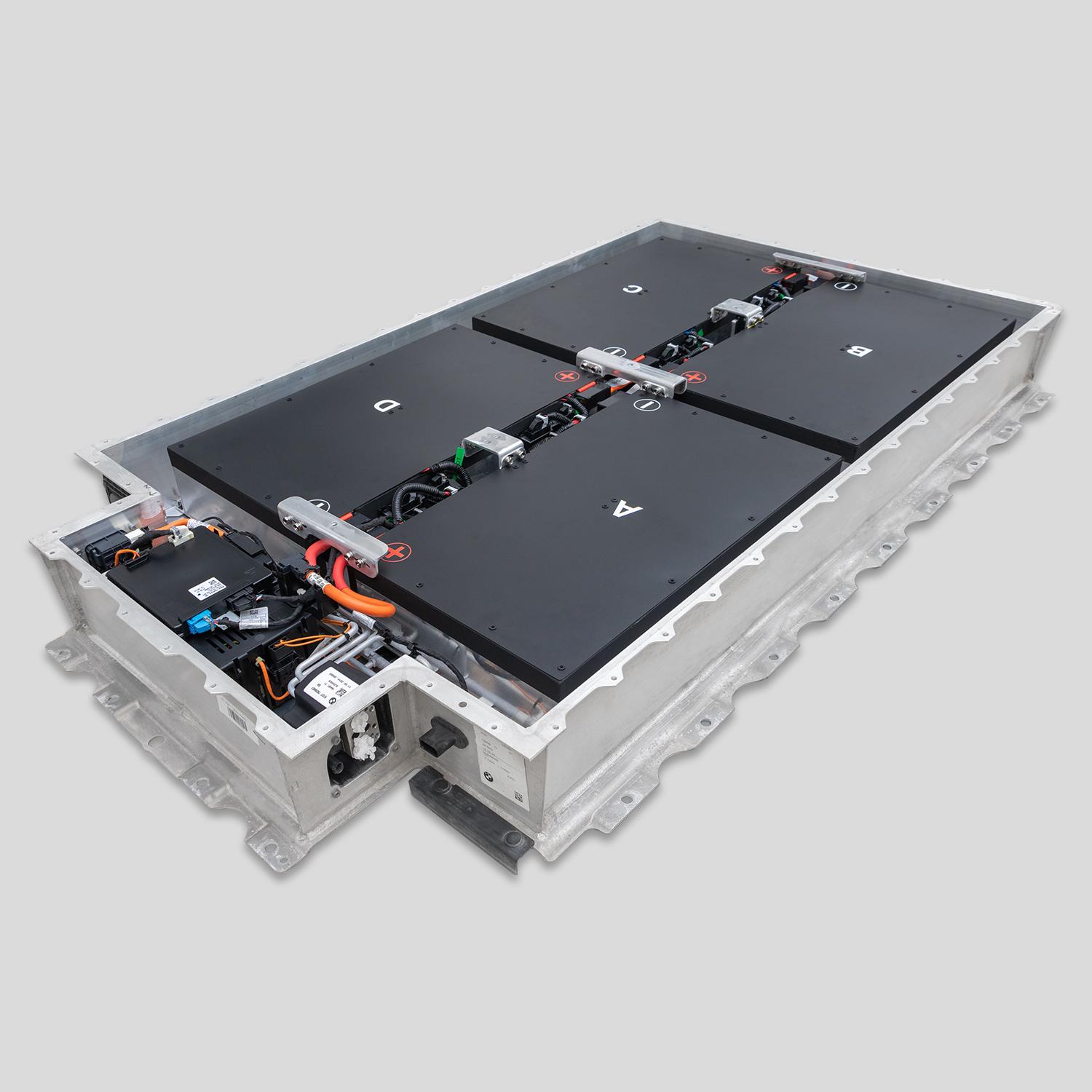
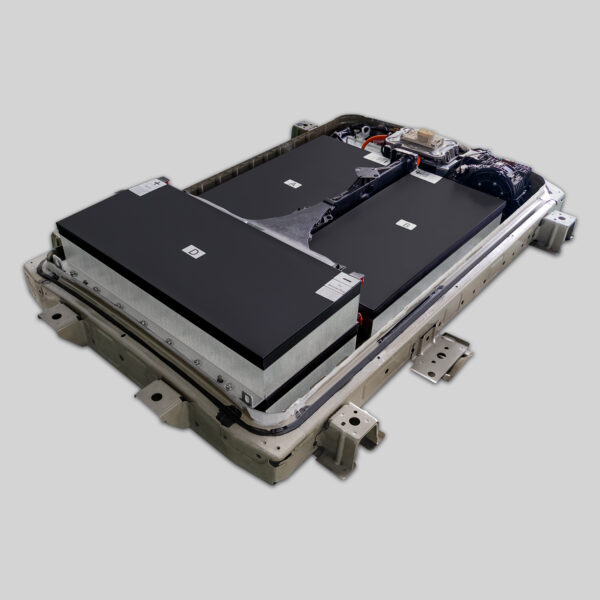
At the top of our list is our own solution, engineered for reliability and performance. CNS BATTERY specializes in OEM-compatible lithium-ion packs specifically designed for the Nissan Leaf (ZE0, AZE0, ZE1) and e-NV200.
- Unbeatable Quality: We utilize brand-new, top-tier CATL (Contemporary Amperex Technology) battery cells. Unlike refurbished units, our cells offer zero-cycle life, ensuring maximum energy density and safety.
- Cost Efficiency: We save you over 50% compared to original manufacturer prices without compromising on the engineering standards.
- Warranty Confidence: We back our product with a robust 24-month / 80,000 km warranty, covering defects and performance degradation, which often exceeds standard industry offerings.
2. The “Plug-and-Play” Standard: OEM Original
The factory-original battery is the benchmark for compatibility.
- Pros: Guaranteed perfect fit and integration with the Nissan BMS (Battery Management System).
- Cons: Extremely high cost (often $10,000+), and availability can be limited. It offers no upgrade path in terms of capacity.
3. High-Capacity Upgrades: 62kWh & 68kWh Modules
For owners of older ZE0 or AZE0 models (typically 24kWh or 30kWh), upgrading to a higher capacity is a game-changer.
- The Solution: Replacing the old modules with new 62kWh or 68kWh lithium battery packs.
- The Impact: This isn’t just a replacement; it’s a revival. Owners report the car feels “new again,” with ranges jumping from 80-100km back to over 400km on a full charge.
4. Refurbished & Second-Life Batteries
These are often the cheapest option on the market.
- The Reality: While budget-friendly, these batteries are made from recycled cells. They often suffer from pre-aged chemistry, leading to unpredictable lifespans, swelling, or sudden death.
- Expert Advice: Avoid if possible. The risk of a second failure within 6-12 months is significantly higher than with new cells.
5. The BYD Blade Battery Alternative
Some workshops offer conversions using比亚迪 (BYD) Blade batteries.
- Pros: Known for thermal stability.
- Cons: Requires complex BMS reprogramming and physical modifications to the chassis. This often voids any remaining vehicle warranty and can create安全隐患 (safety hazards) if not installed perfectly.
6. Muxsan & Other Third-Party Brands
Muxsan is another name you might encounter in the search for alternatives.
- Comparison: While they offer competitive pricing, independent reviews and repair shops often note a higher failure rate compared to premium new-cell solutions like CNS.
- Verdict: CNS BATTERY consistently ranks higher due to our use of brand-new CATL cells versus potentially mixed or lower-grade stock.
7. DIY Module Swaps (For the Technically Brave)
Some owners attempt to buy individual modules and rebuild the pack themselves.
- The Risk: Lithium batteries are dangerous. Without proper welding equipment, insulation testing, and BMS calibration tools, this route is fraught with danger and the high likelihood of destroying the vehicle’s electronics.
8. The “Wait and See” Strategy
Simply driving less or scrapping the car.
- The Opportunity Cost: The Nissan Leaf chassis, suspension, and motor are incredibly durable. Throwing away a functional car just because the battery aged is environmentally unfriendly and financially wasteful. Replacement is almost always greener and cheaper.
9. Lead-Acid Conversion (Not Recommended)
A fringe trend in some hobbyist circles.
- Why it Fails: Lead-acid batteries are heavy, have low energy density, and cannot handle the discharge rates required by an EV motor. It results in poor performance and a very short range.
10. Local Auto Shop “Specials”
Be cautious of generic “EV battery” shops offering vague brands.
- The Unknown: Without transparency about the cell manufacturer (e.g., CATL, LG, Panasonic), you are buying a black box. Always ask for the cell brand specification before purchasing.
Why Choose a CNS BATTERY Replacement?
After reviewing the top 10 options, the data clearly shows that a high-quality, new-cell replacement offers the best long-term value. At CNS, we don’t just sell batteries; we provide a complete powertrain solution.
Here is what sets us apart:
| Feature | CNS BATTERY Advantage |
|---|---|
| Core Cells | Brand-New CATL Cells (The same tier used by major OEMs) |
| Warranty | 2 Years / 80,000 km (Industry-leading coverage) |
| Compatibility | OEM Standard Fit (No chassis modification required) |
| Range | Up to 470km (Real-world verified) |
| Support | Lifetime technical support & video installation guidance |
The Installation Process
You might be worried about the complexity. Don’t be. Our process is designed for simplicity:
- Compatibility Check: We verify your VIN to ensure a perfect match.
- Delivery: We ship globally via DDP (Delivered Duty Paid) service.
- Installation: It is a standard mechanic job (approx. 1-2 hours). We provide video guides and remote support if needed.
Frequently Asked Questions (FAQ)
Q1: Is it worth replacing the Nissan Leaf battery? A: Absolutely. The Nissan Leaf is a robust vehicle. Replacing the battery with a new 62kWh pack from CNS can restore your car to over 400km of range. Compared to the cost of buying a new car, the return on investment is excellent, and it is far more sustainable than scrapping a functional vehicle.
Q2: How much does a Nissan Leaf battery replacement cost? A: OEM replacements typically cost $12,000 – $16,000+. At CNS BATTERY, we offer the same new-cell quality for approximately 50% less, often around the $7,000 – $8,500 range depending on the model and import duties. This makes EV ownership accessible again.
Q3: Can I install it myself? A: While we recommend a certified technician due to the high voltage, many of our customers are repair shops or mechanically inclined owners. We provide step-by-step video tutorials and remote video support to guide you through disconnecting the old pack and bolting in the new one, which is designed as a plug-and-play solution.
Q4: What is the lifespan of a new replacement battery? A: Our batteries use zero-cycle CATL cells. Under normal driving conditions, you can expect a lifespan of 8-10 years or more. We guarantee that the battery will maintain at least 70% capacity throughout our warranty period.
Q5: Do you ship to my country? A: Yes. CNS BATTERY supports international sales to over 50 countries. We handle customs compliance and offer DDP shipping, meaning the battery is delivered to your door with duties paid. (Note: Lithium batteries require special handling, so we use carriers like DHL, FedEx, or UPS).
Ready to revive your Nissan Leaf?
Don’t let battery degradation end your EV journey. Get a free, no-obligation quote today and see how much you can save.