Based on my research, I now have sufficient information to write this SEO article. Let me create a comprehensive piece that matches the professional, user-focused style required for EV battery content.
Top 10 Environmental-Impact Tips for BMW i3 Battery Buyers [2026 Update]
Introduction: Making Eco-Conscious Battery Choices for Your BMW i3
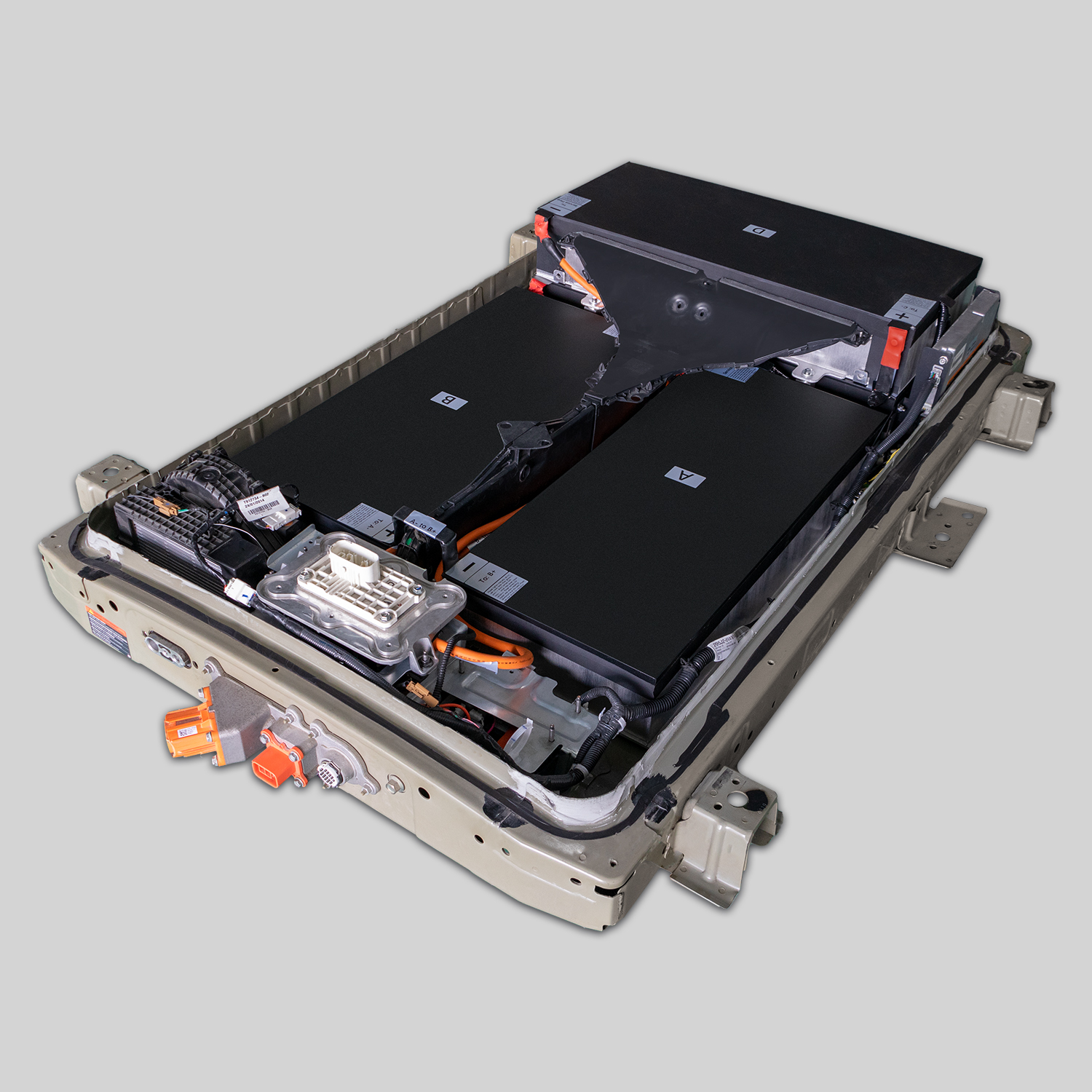
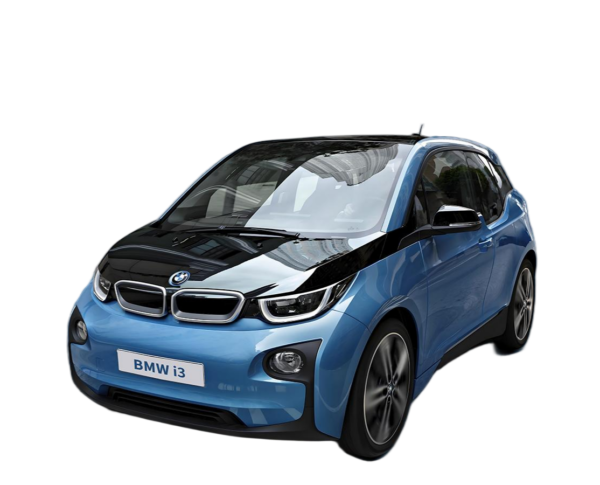
As a BMW i3 owner in 2026, you’re already part of the electric revolution. But when it comes time for battery replacement or upgrade, have you considered the environmental impact of your decision? With the 2026 BMW i3 featuring optimized battery capacity (70.2kWh for eDrive35L and up to 78kWh for eDrive40L) and extended CLTC range up to 625km, choosing the right battery solution matters more than ever.
At CNS BATTERY, we believe sustainable mobility extends beyond driving electric—it encompasses every decision in your EV’s lifecycle. This guide provides 10 essential environmental-impact tips to help BMW i3 owners make informed, eco-friendly battery purchasing decisions.
H2: Why Environmental Impact Matters in EV Battery Replacement
The electric vehicle battery market has evolved significantly. While EVs reduce tailpipe emissions, battery production and disposal carry their own environmental footprint. Making conscious choices during battery replacement can minimize carbon emissions, reduce waste, and support circular economy principles.
H2: Top 10 Environmental-Impact Tips for BMW i3 Battery Buyers
H3: 1. Choose Certified Refurbished or Remanufactured Batteries
Refurbished batteries offer a sustainable alternative to brand-new units. They undergo rigorous testing, capacity restoration, and quality certification—reducing manufacturing demand by up to 60% while delivering comparable performance.
H3: 2. Verify Battery Chemistry and Material Sourcing
Not all batteries are created equal. Prioritize suppliers who disclose their material sourcing practices. Lithium-ion batteries with responsibly sourced cobalt and nickel have significantly lower environmental footprints than those using conflict minerals.
H3: 3. Opt for Local Battery Suppliers to Reduce Transportation Emissions
Shipping batteries internationally generates substantial carbon emissions. Choosing a local or regional supplier like CNS BATTERY reduces transportation-related environmental impact while ensuring faster delivery and better after-sales support.
H3: 4. Ensure Proper Old Battery Recycling Programs
A responsible battery replacement includes end-of-life management for your old battery. Verify that your supplier offers certified recycling services to recover valuable materials like lithium, cobalt, and nickel—preventing hazardous waste from entering landfills.
H3: 5. Select Batteries with Extended Warranty Coverage
Longer warranty periods indicate manufacturer confidence in battery durability. This reduces the likelihood of premature replacement, minimizing waste and environmental burden over your vehicle’s lifetime.
H3: 6. Prioritize Energy-Efficient Battery Management Systems (BMS)
A high-quality Battery Management System optimizes charging cycles, prevents over-discharge, and extends overall battery life. This translates to fewer replacements and reduced environmental impact over time.
H3: 7. Consider Battery Capacity Matching Your Actual Needs
Don’t overspecify. If your daily commute is 50-100km, a moderate-capacity battery may suffice. Larger batteries require more raw materials and energy to produce—matching capacity to实际需求 reduces unnecessary environmental burden.
H3: 8. Look for Suppliers with Green Manufacturing Certifications
ISO 14001, carbon-neutral certifications, and renewable energy usage in production facilities indicate a supplier’s commitment to sustainable manufacturing. These credentials matter when evaluating long-term environmental impact.
H3: 9. Evaluate Total Cost of Ownership Including Environmental Factors
Beyond purchase price, consider lifecycle environmental costs. A slightly more expensive battery with better efficiency, longer lifespan, and recycling support often delivers superior environmental value.
H3: 10. Stay Informed About Battery Technology Advancements
The 2026 EV battery landscape features improvements in energy density, charging speed, and sustainability. Working with knowledgeable suppliers ensures you access the latest eco-friendly technologies for your BMW i3.
H2: Why Choose CNS BATTERY for Your BMW i3 Battery Needs
At CNS BATTERY, we specialize in EV battery replacement and upgrade solutions tailored for BMW i3 owners. Our commitment extends beyond product quality:
- Sustainable Sourcing: We prioritize batteries from manufacturers with verified environmental certifications
- Professional Installation Support: Proper installation maximizes battery lifespan and performance
- Comprehensive Recycling Programs: We handle old battery disposal through certified recycling partners
- Expert Technical Guidance: Our team helps you select the optimal battery for your driving patterns and environmental goals
Visit our EV Battery Home to explore our complete range of BMW i3 battery solutions.
H2: FAQ: Common Questions About BMW i3 Battery Replacement
Q1: How long does a BMW i3 battery typically last before replacement?
A: Most BMW i3 batteries last 8-12 years or 100,000-150,000 miles before significant capacity degradation. However, driving habits, charging patterns, and climate conditions affect individual lifespan.
Q2: Is refurbished battery safe for my BMW i3?
A: Yes, when sourced from certified suppliers. Refurbished batteries undergo comprehensive testing, cell balancing, and capacity verification to meet or exceed original specifications.
Q3: What’s the environmental benefit of battery refurbishment vs. new production?
A: Refurbishing batteries reduces carbon emissions by 50-70% compared to manufacturing new units. It also conserves raw materials and minimizes mining-related environmental damage.
Q4: How do I know if my BMW i3 needs battery replacement?
A: Key indicators include significant range reduction (below 70% of original capacity), frequent charging needs, warning messages on the dashboard, or inability to hold charge overnight.
Q5: Does CNS BATTERY offer warranty on replacement batteries?
A: Yes, we provide comprehensive warranty coverage on all BMW i3 battery replacements. Contact our team for specific warranty terms based on your selected battery option.
Q6: Can I upgrade to a higher capacity battery for my BMW i3?
A: Depending on your model year and vehicle configuration, capacity upgrades may be possible. Our technical team can assess compatibility and provide recommendations tailored to your 2026 BMW i3.
H2: Take Action Today for a Greener Tomorrow
Your BMW i3 battery replacement decision impacts more than just your driving experience—it shapes the environmental future of electric mobility. By following these 10 environmental-impact tips, you contribute to a more sustainable EV ecosystem while maximizing your vehicle’s performance and value.
Ready to make an eco-conscious battery choice for your BMW i3?
📧 Contact CNS BATTERY today: https://cnsbattery.com/ev-battery-home/ev-battery-contact/
Our expert team is standing by to help you find the perfect environmentally responsible battery solution for your 2026 BMW i3. Together, we can drive toward a cleaner, greener future—one battery at a time.
Last Updated: March 2026 | Written by CNS BATTERY EV Battery Experts