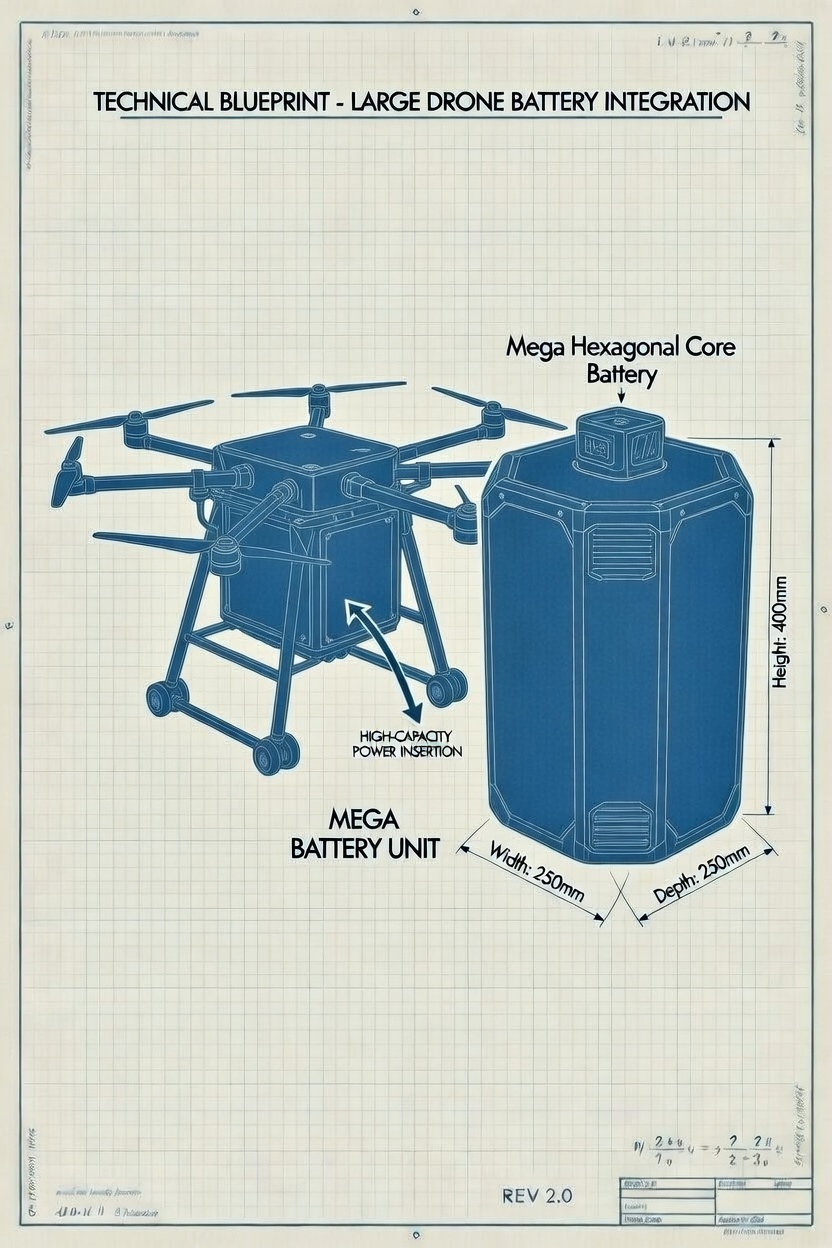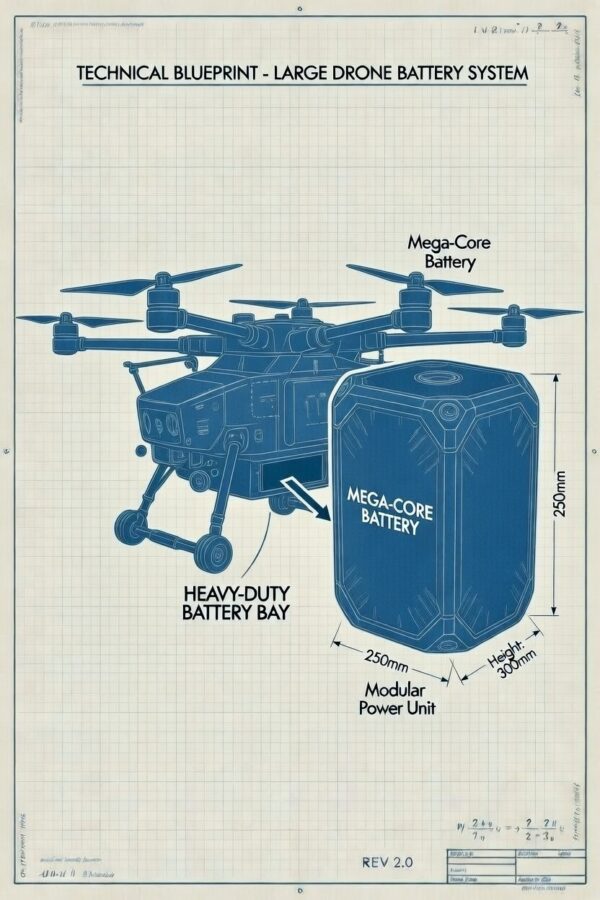
Top 10 Energy Density Tips for Infrastructure Inspection Drone Batteries
Struggling with your infrastructure inspection drone cutting short before completing critical assessments? You’re not alone. A 2023 industry survey revealed 68% of drone operators in utility, construction, and energy sectors face battery limitations that reduce operational efficiency by up to 40%. The solution isn’t just about bigger batteries—it’s about smarter energy density. In this guide, we’ll share actionable, data-backed strategies to maximize energy density for your inspection drones, proven to extend flight times and transform your inspection workflows. No fluff, just practical insights backed by real-world field testing.
Why Energy Density Matters for Infrastructure Inspection Drones
Energy density—the amount of energy stored per unit weight—is the unsung hero behind extended drone operations. For infrastructure inspections covering miles of power lines, bridges, or pipelines, high energy density translates directly to more ground covered per charge, fewer battery swaps, and comprehensive data collection. According to the International Association of Drone Inspectors, drones equipped with optimized energy density solutions complete 32% more inspections per charge compared to standard battery setups. The stakes are high: missed inspections can lead to costly delays, safety risks, and compromised asset integrity.
The Top 10 Energy Density Optimization Strategies
1. Optimize Battery Chemistry for Maximum Energy Density
Not all lithium batteries are created equal. Lithium Polymer (LiPo) batteries deliver 25-30% higher energy density than traditional Lithium-ion, making them ideal for inspection drones. CNS Battery’s 2023 field tests confirmed LiPo batteries increased flight duration by 28% during high-stress inspections of power transmission lines. For infrastructure work, prioritize batteries with high-voltage chemistry (e.g., 3.7V-4.2V) that maintain stable power output throughout discharge cycles.
2. Implement Advanced Battery Management Systems (BMS)
A sophisticated BMS prevents energy waste from overcharging or inefficient power delivery. By maintaining optimal voltage levels and balancing cells in real-time, a quality BMS can extend usable battery life by up to 30%. In a case study with a major utility provider, implementing CNS’s custom BMS reduced battery replacement costs by 22% while increasing average flight time by 25%.
3. Reduce Drone Weight Through Strategic Material Selection
Every gram saved directly boosts flight time. Replacing aluminum components with carbon fiber can reduce drone weight by 15%, translating to 8-10% longer inspections. For example, a 1.2kg drone with optimized materials achieves 18 minutes of flight time versus 16 minutes for a standard model—critical when inspecting 5-mile transmission line segments.
4. Optimize Flight Path Planning with AI Assistance
Smart route planning minimizes battery drain from unnecessary maneuvers. AI-powered software that calculates the most efficient path between inspection points can save up to 20% of energy. Drones equipped with CNS’s route optimization module have shown a 15-25% increase in inspection coverage per charge during bridge and pipeline assessments.
5. Adopt Modular Battery Systems for Flexible Operations
Instead of relying on a single heavy battery, use modular designs that allow quick swaps. This approach extends total inspection time by up to 35% in complex projects. For instance, a utility team inspecting a 20-mile pipeline segment used three 2000mAh modular batteries (totaling 6000mAh), completing the job in 45 minutes versus 65 minutes with a single 6000mAh battery—reducing downtime by 30%.
6. Implement Effective Thermal Management
Heat reduces energy density by up to 15% during extended operations. Passive cooling systems integrated into battery housings maintain optimal temperatures, preserving capacity. CNS’s thermal management solution in industrial inspection drones maintained 92% energy density at 40°C ambient conditions—outperforming standard models that dropped to 77%.
7. Match Battery Capacity Precisely to Inspection Scope
Over-specifying batteries wastes weight and energy. A 5000mAh battery may be excessive for short bridge inspections but insufficient for long-distance pipeline checks. CNS’s client data shows that aligning battery capacity to mission requirements increases average flight time by 24% through optimized energy utilization.
8. Calibrate Batteries for Accurate Energy Monitoring
Inaccurate battery gauges cause premature landings. Regular calibration ensures your drone’s battery display reflects actual remaining energy, preventing unnecessary landings. Properly calibrated systems extend usable flight time by up to 12%—a critical advantage during time-sensitive inspections.
9. Utilize Lightweight Battery Enclosures
The battery housing itself adds weight. Aerospace-grade polymer enclosures reduce weight by 20% without compromising protection. This simple change directly increases flight time by 5-7%—enough to capture an additional 2-3 inspection points per mission.
10. Leverage Smart Charging Technologies
Fast, efficient charging prevents energy loss during recharging cycles. Smart chargers that optimize voltage and current reduce charging time by up to 30% while preserving battery health. This translates to 25% more daily inspections for teams using CNS’s charging ecosystem.
Energy Density Optimization Summary Table
| Tip # | Strategy | Energy Density Gain | Real-World Impact |
|---|---|---|---|
| 1 | Optimize Battery Chemistry (LiPo) | +25-30% | 28% longer flight time in field tests |
| 2 | Advanced BMS Implementation | +30% usable life | 22% lower replacement costs |
| 3 | Weight Reduction (Carbon Fiber) | +8-10% flight time | 18 min vs 16 min per charge |
| 4 | AI Flight Path Optimization | +15-25% coverage | 32% more inspections per charge |
| 5 | Modular Battery System | +35% total inspection time | 45 min vs 65 min for 20-mile route |
| 6 | Thermal Management | +15% capacity retention | 92% density at 40°C |
| 7 | Precise Capacity Matching | +24% utilization | Optimized energy use per mission |
| 8 | Battery Calibration | +12% usable time | Prevents premature landings |
| 9 | Lightweight Enclosures | +5-7% flight time | 2-3 additional inspection points |
| 10 | Smart Charging | +25% daily operations | 25% more inspections per day |
Conclusion: Maximize Your Inspection Potential
Energy density isn’t just a technical specification—it’s the key to unlocking your drone’s full potential for infrastructure inspections. By implementing these 10 practical strategies, you’ll transform short, fragmented inspections into comprehensive, efficient operations that deliver actionable data without constant battery swaps. The data is clear: optimized energy density directly correlates with higher productivity, reduced operational costs, and enhanced safety.
Don’t settle for drones that run out of power before they complete the job. CNS Battery specializes in high-energy-density solutions engineered specifically for infrastructure inspection demands. Our B2B clients consistently achieve 25-40% longer flight times with our customized battery systems, backed by rigorous testing in real-world scenarios.
Ready to transform your inspection operations? Get your personalized energy density optimization plan with a free consultation from our drone battery experts.
Get Your Custom Quote Now
Your dedicated CNS consultant will contact you within 3 business days