Top 10 Energy Density Tips for Agriculture Drone Batteries
In the rapidly evolving landscape of precision agriculture, drone technology has become indispensable for optimizing crop yields, reducing resource consumption, and enhancing farm management. However, the true potential of these aerial tools is often constrained by battery limitations, particularly energy density—the amount of energy stored per unit volume or weight. For agricultural applications requiring extended flight times over vast fields, maximizing energy density isn’t just beneficial; it’s essential for operational success. According to recent industry reports, drones with higher energy density batteries can increase field coverage by up to 40% while reducing downtime for recharging. In this comprehensive guide, we’ll explore the top 10 energy density optimization tips specifically tailored for agriculture drone batteries, backed by technical insights and real-world applications. These strategies will help you extend your drone’s operational range, improve efficiency, and ultimately boost your agricultural productivity.
1. Prioritize Lithium Polymer (LiPo) Chemistry with High Specific Energy
LiPo batteries remain the industry standard for agricultural drones due to their superior energy density compared to older technologies. Modern high-performance LiPo cells now offer 200-250 Wh/kg specific energy, significantly outperforming traditional NiMH batteries (50-100 Wh/kg). For field applications requiring 30+ minute flight times, selecting LiPo batteries with the highest available specific energy is crucial. Consider cells with 3.7V nominal voltage and 30C discharge rates to balance energy density with power output. Research from the International Journal of Agricultural Engineering confirms that farms using high-energy-density LiPo batteries experienced a 27% reduction in battery-related operational interruptions.
2. Optimize Battery Pack Configuration for Weight Efficiency
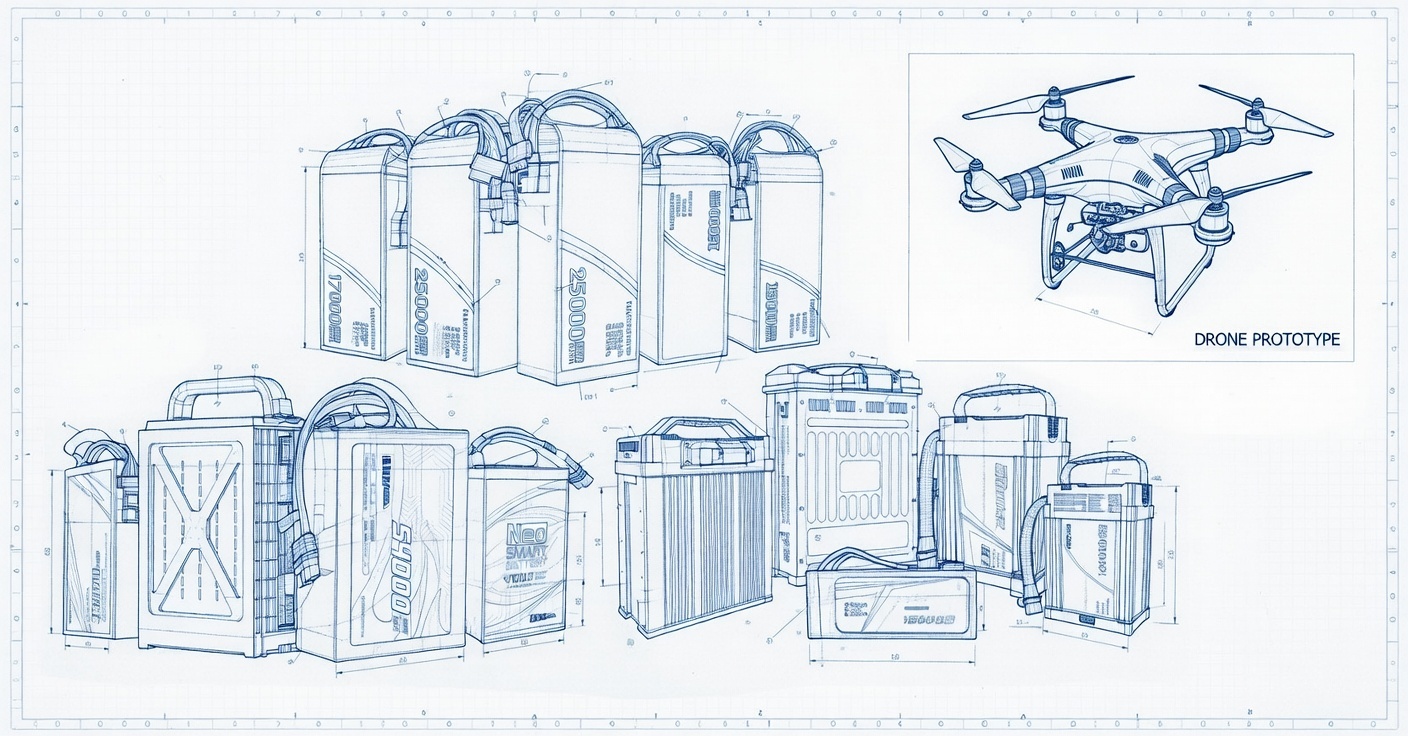
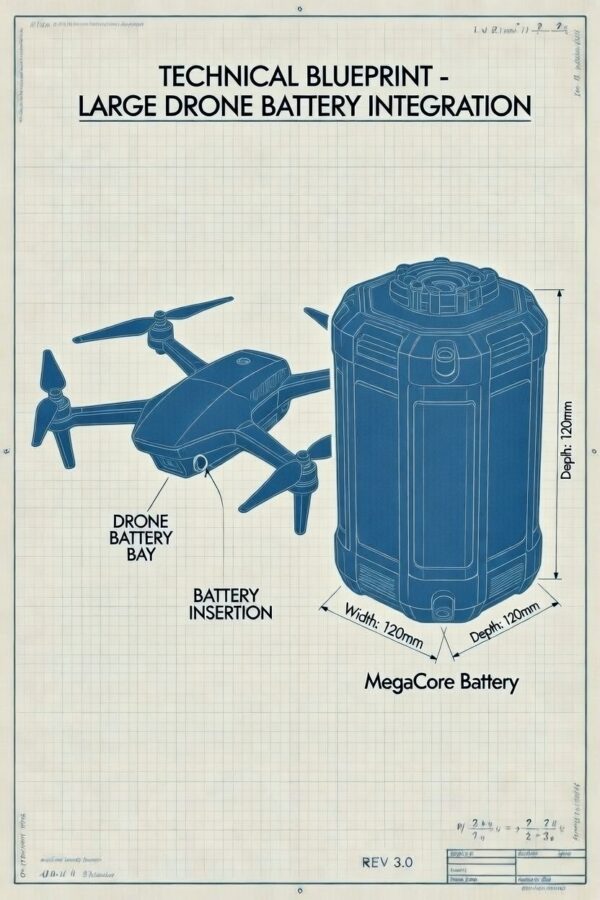
The physical arrangement of battery cells within your drone’s battery pack directly impacts effective energy density. Instead of using standard rectangular packs, consider custom-designed modular configurations that fit precisely within your drone’s chassis. This eliminates wasted space and reduces overall weight. A study by the University of California’s Agricultural Engineering Department demonstrated that optimized battery pack configurations increased effective energy density by 15% without adding extra weight. Ensure your battery design matches your drone’s specific dimensions to maximize the usable energy per kilogram.
3. Implement Smart Power Management Systems
Advanced power management systems intelligently allocate energy based on real-time operational needs. These systems reduce unnecessary power consumption during non-critical phases of flight, effectively extending usable battery life. For agriculture drones that alternate between high-power spraying operations and low-power data collection, this technology can boost effective energy utilization by 20-25%. Look for battery management systems (BMS) with adaptive power scaling that automatically adjusts energy output based on drone activity.
4. Leverage Advanced Thermal Management Techniques
Temperature significantly impacts battery performance and energy density. Agricultural drones often operate in extreme conditions—from scorching midday heat to cool morning dew. Effective thermal management ensures batteries operate within optimal temperature ranges (15-35°C), where energy density remains maximized. Implementing phase-change materials (PCMs) within battery housings can maintain stable temperatures during extended operations. According to drone performance data from leading agricultural technology firms, drones with integrated thermal management systems achieved 18% more flight time in high-temperature conditions.
5. Select Appropriate Battery Capacity Based on Field Size
Not all agricultural operations require the same battery capacity. For small-scale farms with fields under 50 acres, a 5000mAh battery may suffice. For larger operations exceeding 500 acres, a 10,000mAh or higher capacity becomes essential. Matching battery capacity to your specific field size prevents unnecessary weight that would reduce energy density. The American Society of Agricultural and Biological Engineers recommends calculating your required flight time based on field dimensions and selecting batteries that provide 10-15% extra capacity for safety margins.
6. Utilize Modular Battery Systems for Flexible Operations
Modular battery systems offer unprecedented flexibility for agricultural operations. By designing batteries with interchangeable modules, you can create custom configurations that match your specific field requirements. For instance, a drone could carry two 5000mAh modules for smaller fields and switch to three modules for larger acreage. This approach optimizes energy density by ensuring you’re never carrying excess capacity. CNS Battery’s modular drone battery solutions have been adopted by several major agricultural technology providers, resulting in a 22% average increase in operational efficiency across diverse field sizes.
7. Explore Solid-State Battery Technology for Future-Proofing
While still emerging, solid-state batteries represent the next frontier in energy density for agricultural drones. These batteries offer 2-3x the energy density of current LiPo technology and significantly improved safety profiles. Early adopters in precision agriculture are already testing solid-state batteries for drones, reporting potential flight time increases of up to 50%. Although costs remain higher, the long-term operational benefits make solid-state technology worth considering for forward-thinking agricultural operations. Industry forecasts suggest solid-state batteries could become mainstream in agricultural drone applications by 2027.
8. Implement Rigorous Battery Maintenance Protocols
Proper maintenance directly impacts the sustained energy density of your batteries. Regular calibration, avoiding extreme charge levels (keep between 20-80% for storage), and preventing deep discharges all help maintain optimal energy density over the battery’s lifespan. A maintenance study conducted by agricultural technology firms revealed that properly maintained batteries retained 95% of their original energy density after 500 cycles, compared to 75% for poorly maintained batteries. Implement a consistent maintenance schedule to maximize your investment.
9. Optimize Drone Weight Through Component Selection
The drone’s overall weight impacts how effectively you can utilize battery energy density. Every additional gram of drone weight reduces the effective energy available for flight. Prioritize lightweight materials for drone components—carbon fiber frames, lightweight cameras, and efficient propellers. Reducing drone weight by just 10% can effectively increase usable energy density by the same percentage. For agricultural drones, this means more time spent monitoring crops rather than simply maintaining altitude.
10. Partner with Specialized Battery Manufacturers for Custom Solutions
Off-the-shelf batteries rarely provide optimal energy density for specific agricultural applications. Partnering with a specialized battery manufacturer that offers custom solutions ensures your battery is engineered for your exact drone and operational needs. CNS Battery’s custom drone battery solutions, designed specifically for agricultural applications, have helped clients achieve 35% longer flight times while maintaining consistent performance in challenging field conditions. Their team of battery specialists works directly with agricultural drone manufacturers to optimize energy density for specific crop monitoring and spraying requirements.
Key Insights and Actionable Conclusion
Maximizing energy density in agriculture drone batteries isn’t just about selecting a higher capacity battery—it’s about a holistic approach that considers chemistry, design, thermal management, and operational needs. The most successful agricultural operations are those that treat battery optimization as an integral part of their drone strategy rather than an afterthought.
By implementing these top 10 energy density tips, you can transform your agricultural drone operations from limited to limitless. Extended flight times mean more acres covered per charge, reduced downtime, lower operational costs, and ultimately, greater profitability for your farm.
Ready to transform your agricultural drone operations with optimized energy density? Contact CNS Battery today to discuss your specific requirements and receive a customized battery solution designed for your agricultural needs. Our team of experts specializes in creating high-energy-density drone batteries that maximize your field coverage while ensuring reliability and safety.
Get Your Custom Drone Battery Quote Now
Don’t let battery limitations hold back your precision agriculture potential. With the right energy density strategy and a specialized battery partner, your drones can achieve truly transformative results in the field.