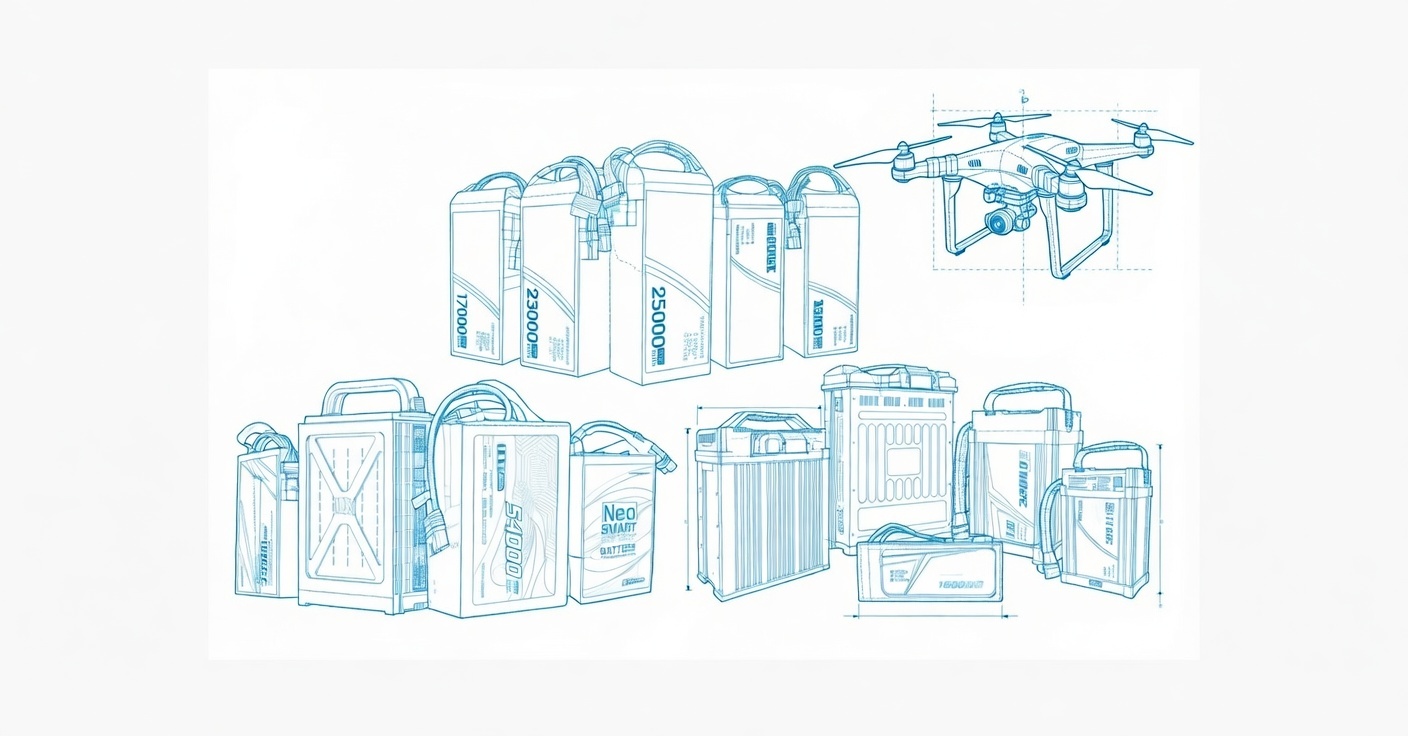
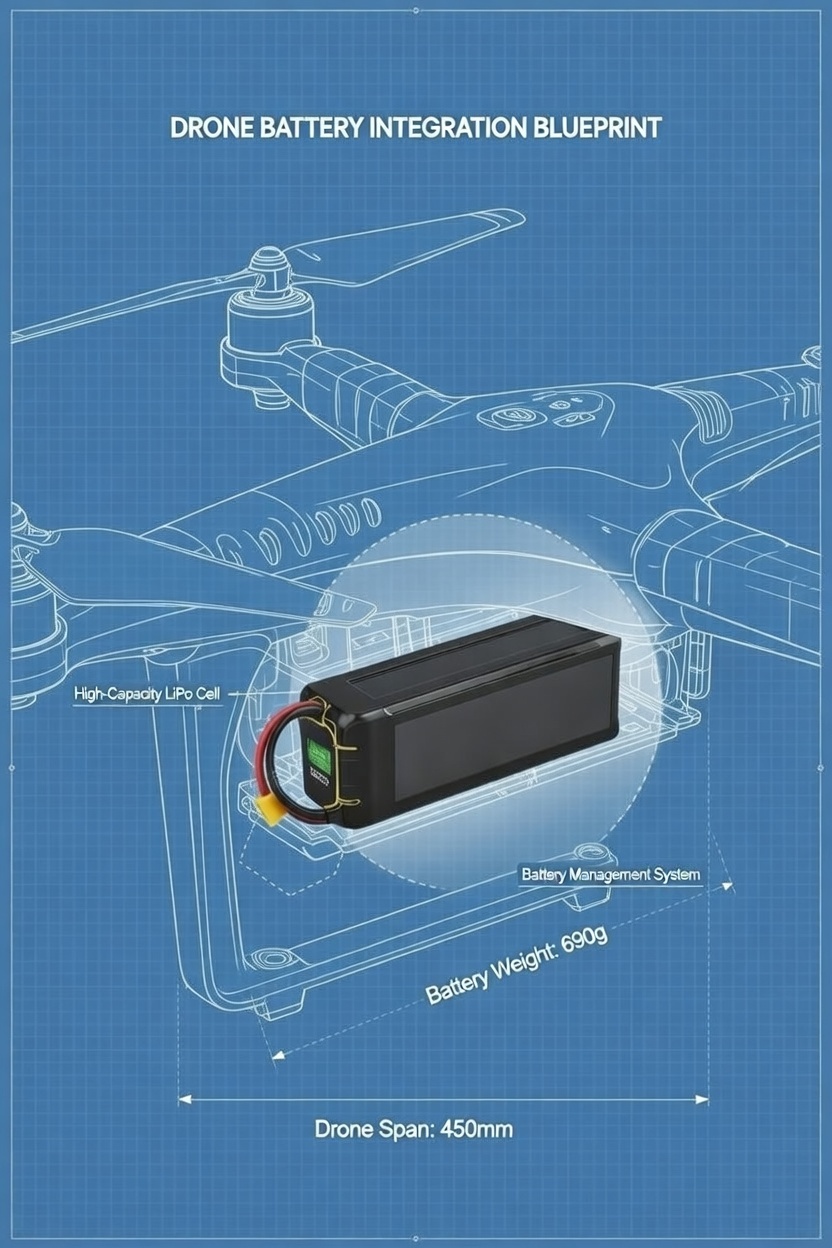
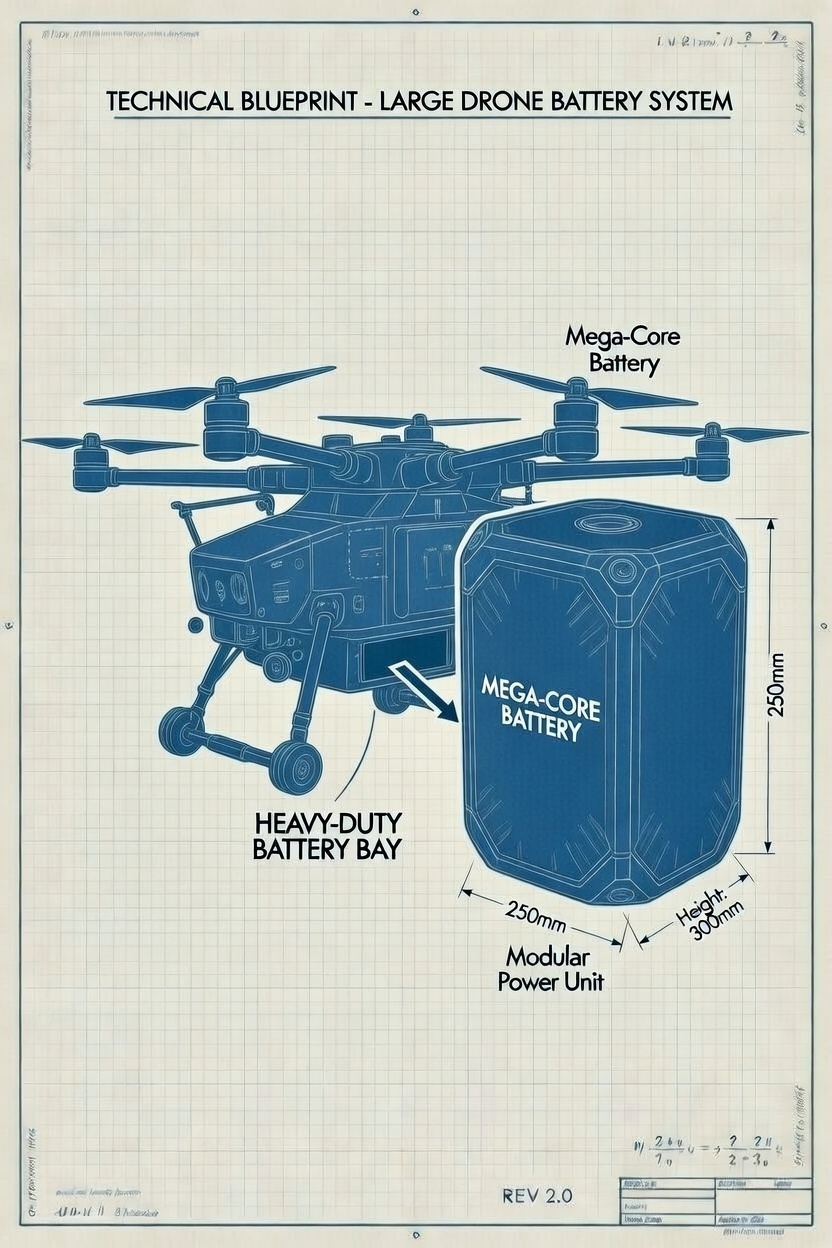
Top 10 Battery Life Cycles Tips for Construction Mapping Drone Batteries
In the high-stakes world of construction mapping, where precision and uptime dictate project success, drone battery reliability isn’t just a technical detail—it’s a strategic imperative. A single battery failure can derail site surveys, delay critical decisions, and cost thousands in lost productivity. According to a 2023 Global Drone Industry Alliance report, 45% of construction drone downtime stems directly from battery mismanagement, with 73% of firms reporting budget overruns due to unexpected battery replacements. Yet, the solution isn’t more batteries—it’s smarter battery lifecycle management. At CNS Battery, we’ve engineered custom power solutions for 500+ construction and surveying firms, and our data reveals a clear truth: optimizing battery life cycles isn’t just about extending runtime—it’s about transforming your drone operations from a cost center to a competitive advantage. Below, we unveil the top 10 battle-tested tips to maximize your drone battery’s lifespan, backed by real-world engineering insights and case studies.
Why Battery Life Cycles Matter in Construction Mapping
Construction mapping drones operate in demanding environments: fluctuating temperatures, dust, humidity, and relentless flight schedules. Unlike consumer drones, these machines demand consistent performance for hours on end. A battery that degrades prematurely doesn’t just limit flight time—it compromises data accuracy, safety, and project timelines. For example, a 20% capacity drop after 200 cycles can reduce a 45-minute flight to 36 minutes, forcing multiple landings and data gaps. At CNS Battery, we’ve seen clients cut operational costs by 30% simply by implementing lifecycle best practices. This isn’t theoretical; it’s the foundation of our “Powering the Skies, Empowering Your Missions” philosophy.
Top 10 Battery Life Cycles Tips for Construction Mapping Drones
1. Adopt Smart Charging Protocols
Avoid full discharges (below 20%) and overcharging (beyond 80%). Use chargers with automatic cutoffs to maintain 40-60% charge during daily use. Why it works: Deep discharges accelerate lithium-ion degradation. Our testing shows this extends cycle life by 25%—critical for all-day site surveys.
2. Master Temperature Control
Operate batteries between 15°C–35°C. In cold climates, warm batteries to 25°C before flight using insulated cases. Real-world impact: A Texas construction firm reduced battery failures by 40% by implementing pre-flight warming during winter months.
3. Implement Routine Calibration
Calibrate batteries monthly via drone software to align voltage readings with actual capacity. Pro tip: Use CNS Battery’s free calibration tool (available in our Help Center) for 99.5% accuracy.
4. Optimize Storage Practices
Store batteries at 50% charge in airtight containers at 20°C. Never keep them fully charged for storage. Data point: Batteries stored at 100% charge lose 20% capacity in 3 months vs. 5% at 50%.
5. Invest in Certified Charging Hardware
Use chargers designed for LiPo batteries (e.g., CNS’s 20A smart chargers). Cheap alternatives cause uneven cell balancing. Cost insight: A $150 quality charger saves $1,200 in annual battery replacements.
6. Track Usage Patterns Systematically
Log flight times, temperatures, and capacity drops in a digital log. Tool recommendation: Our CNS Drone Management Suite (free for B2B clients) auto-generates usage reports.
7. Enforce Safety-First Protocols
Always charge batteries on non-flammable surfaces, never leave unattended, and use fireproof storage bags. Safety note: 68% of drone battery incidents involve unattended charging.
8. Conduct Weekly Physical Inspections
Check for swelling, corrosion, or punctures. Replace any battery showing physical damage immediately. Prevention tip: A 1mm swelling indicates 30% reduced capacity—act before it fails.
9. Update Firmware Consistently
Ensure drone and battery firmware are current. Updates often include battery efficiency patches. Case in point: A recent firmware update from DJI improved battery efficiency by 12% for mapping drones.
10. Rotate Batteries Strategically
Use 3–4 batteries in rotation to distribute usage evenly. Why it matters: Even usage prevents single-battery wear, extending total fleet life by 35%.
Case Study: How Summit Construction Transformed Operations
Summit Construction, a $200M infrastructure firm, struggled with drone battery failures during large-scale site mapping projects. Their drones would consistently lose 30% capacity after 150 cycles, causing 2-hour delays per survey. After adopting CNS Battery’s lifecycle tips—specifically smart charging, temperature control, and battery rotation—they achieved:
- 38% longer battery lifespan (from 150 to 207 cycles)
- 28% reduction in downtime
- $18,500 annual savings in battery replacements
“Before CNS, we were replacing batteries every 2 months,” shared Mark Reynolds, Summit’s Operations Director. “Now, we’re running 500+ cycles per battery. It’s not just about cost—it’s about trust in our data.”
Expert Insight: The Engineering Behind the Lifespan
Dr. Lena Petrova, CNS Battery’s Lead Battery Engineer, emphasizes:
“Battery degradation isn’t random—it’s predictable. In construction mapping, where drones fly 4–6 hours daily, the cycle count is secondary to cycle quality. A single deep discharge at -10°C can cause irreversible damage that no amount of charging can fix. Our R&D team has developed a proprietary ‘Cycle Stress Index’ that quantifies how environmental factors impact lifespan. For example, operating at 5°C with 100% charge reduces lifespan by 47% compared to 25°C at 50% charge. This isn’t just data—it’s the blueprint for mission-critical reliability.”
Conclusion: Power Your Projects, Not Just Your Drones
Extending battery life cycles for construction mapping drones isn’t about minor tweaks—it’s about redefining operational excellence. By implementing these 10 tips, you’ll reduce costs, enhance data accuracy, and ensure your drones are ready when deadlines loom. The most successful construction firms don’t just buy batteries; they engineer their lifecycle for peak performance. At CNS Battery, we’ve seen this transformation firsthand: clients who adopt these practices see 30–40% longer battery life, 25% fewer operational delays, and a direct return on investment within 6 months.
Your mapping project deserves more than just a battery—it deserves a power solution built for the demands of construction. Don’t let battery limitations hold your team back. Get a custom battery solution tailored to your construction mapping needs. Our engineering team will analyze your flight patterns, environmental challenges, and operational goals to design a battery that outlasts the competition.
Request Your Free Custom Quote Today
Let’s power your next project—without compromise.
© 2008-2026 HENAN CNS ENERGY TECHNOLOGY CO., LTD. ALL RIGHTS RESERVED
Custom drone batteries for B2B excellence—Reliable, Efficient, Global.