Top 10 Battery-Health Tips for BMW i3 EV Battery Buyers [2026 Update]
Owning a BMW i3 is a statement of style and sustainability. But like any electric vehicle, its heart—the battery—demands smart care. As we step into 2026, BMW i3 owners face new realities: battery degradation concerns, rising replacement costs, and evolving technology. Whether you’re considering a BMW i3 battery replacement or simply want to maximize your current pack’s lifespan, these expert tips will guide you.
At CNS BATTERY, we specialize in EV battery solutions that combine performance, reliability, and value. Let’s dive into the essential battery-health strategies every BMW i3 buyer should know.
H2: Why Battery Health Matters for Your BMW i3 in 2026
The 2026 BMW i3 comes with optimized battery capacity—70.2 kWh for eDrive35L and 79.1 kWh for eDrive40L models, delivering up to 625 km CLTC range. However, lithium-ion batteries naturally degrade over time. Most retain about 70-80% capacity after 8-10 years, but poor habits can accelerate this decline.
Understanding State of Health (SoH) is critical. SoH measures your battery’s current capacity versus its original specification. When SoH drops below 70%, you’ll notice significant range loss—and that’s when battery replacement or upgrade becomes worth considering.
H2: Top 10 Battery-Health Tips for BMW i3 Owners
H3: 1. Avoid Extreme Charging Habits
Never regularly charge to 100% or drain to 0%. Keep your battery between 20-80% for daily use. This reduces stress on lithium-ion cells and extends overall lifespan.
H3: 2. Use Level 2 Charging When Possible
DC fast charging is convenient but generates heat that degrades battery chemistry. Reserve rapid charging for long trips. For daily needs, Level 2 AC charging is gentler and more sustainable.
H3: 3. Park in Moderate Temperatures
Extreme heat and cold accelerate battery degradation. Whenever possible, park in shaded areas or garages. In 2026, many BMW i3 owners use thermal management apps to monitor battery temperature remotely.
H3: 4. Pre-Condition Your Battery Before Driving
Use BMW’s pre-conditioning feature while still plugged in. This warms or cools the battery to optimal operating temperature, reducing strain during drive cycles.
H3: 5. Update Your Vehicle Software Regularly
BMW’s remote software updates often include battery management improvements. Ensure your i3 runs the latest firmware to benefit from optimized charging algorithms and thermal controls.
H3: 6. Monitor Battery Health Through Diagnostic Tools
Regular SoH checks help you catch degradation early. Many third-party OBD2 scanners now support BMW i3 battery diagnostics. Track trends quarterly, not just when problems appear.
H3: 7. Avoid Long-Term Storage at Full Charge
If storing your i3 for weeks, leave the battery at 50-60% charge. Full charge during extended inactivity accelerates cell aging and can cause permanent capacity loss.
H3: 8. Drive Smoothly to Reduce Battery Stress
Aggressive acceleration and hard braking demand high current from the battery, generating heat. Smooth driving preserves battery health and improves efficiency.
H3: 9. Consider Battery Insulation in Cold Climates
Cold weather reduces range and increases charging time. Battery insulation kits or thermal wraps can help maintain optimal temperature in winter conditions.
H3: 10. Know When Replacement Makes Sense
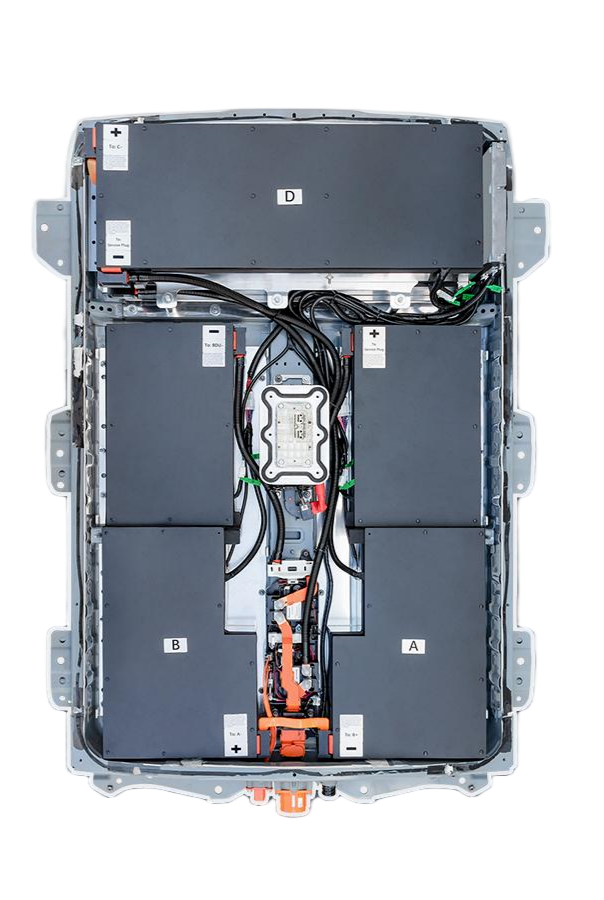
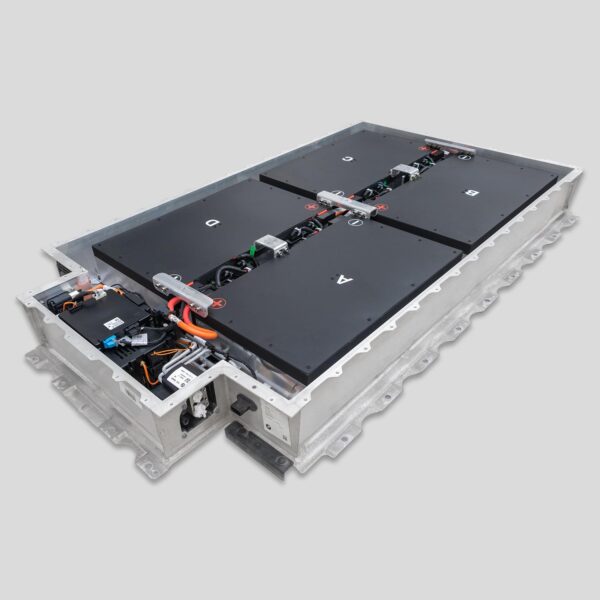
When repair costs exceed 50% of replacement value, or range no longer meets your needs, explore BMW i3 battery replacement options. Third-party suppliers like CNS BATTERY offer competitive upgrades with warranty protection.
H2: When to Consider a BMW i3 Battery Replacement
Not all battery issues require full replacement. However, certain signs indicate it’s time to act:
- Range drops below 60% of original specification
- Charging time increases significantly
- Warning messages about battery malfunction
- SoH readings below 70%
CNS BATTERY provides certified EV battery replacements compatible with BMW i3 models. Our solutions include:
✓ New or refurbished battery packs
✓ Professional installation support
✓ Warranty coverage up to 8 years
✓ Competitive pricing vs. OEM
H2: Why Choose CNS BATTERY for Your EV Battery Needs?
As a specialized EV battery provider, CNS BATTERY understands the unique demands of BMW i3 owners. We offer:
- Transparent pricing with no hidden fees
- Quality-tested battery cells meeting international standards
- Technical support throughout the replacement process
- Fast turnaround to minimize vehicle downtime
Visit our EV Battery Home to explore available options.
H2: FAQ: BMW i3 Battery Health & Replacement
H3: How long does a BMW i3 battery last?
Most BMW i3 batteries last 8-12 years or 150,000-200,000 km with proper care. Actual lifespan depends on charging habits, climate, and usage patterns.
H3: What does BMW i3 battery replacement cost in 2026?
OEM replacement ranges from $15,000-$25,000 USD. Third-party options like CNS BATTERY offer 30-50% savings with comparable quality and warranty coverage.
H3: Can I upgrade my BMW i3 battery for more range?
Yes. Many owners upgrade to higher-capacity packs. CNS BATTERY provides upgrade consultations to match your range needs and budget.
H3: Is third-party battery replacement safe?
Absolutely—if you choose certified providers. CNS BATTERY follows strict quality control and offers warranty protection equal to or better than OEM options.
H3: How do I check my BMW i3 battery health?
Use OBD2 diagnostic tools or visit a qualified technician. Some BMW apps display basic SoH information. For detailed analysis, professional diagnostics are recommended.
H2: Take Action Today to Protect Your Investment
Your BMW i3 battery is your vehicle’s most valuable component. Following these 10 tips can extend its life by years—and save thousands in replacement costs.
Ready to explore battery replacement or upgrade options? Our team at CNS BATTERY is here to help you make informed decisions.
👉 Contact Us Today for a free consultation on your BMW i3 battery needs.
Disclaimer: This article provides general guidance. Always consult qualified technicians for specific battery service decisions. Battery performance varies based on individual usage and environmental conditions.