The Complete BMW i3 Battery Inventory Handbook: Your 2026 Guide to Upgrades & Replacements
If you own a BMW i3, you know it’s a unique driving experience. However, like all electric vehicles, the battery is the heart of the car. As we move further into 2026, many i3 owners are facing the reality of battery degradation or looking to upgrade from the older 60Ah/94Ah packs to the coveted 120Ah modules.
Finding a reliable, high-quality replacement can be a daunting task. The market is flooded with options, ranging from risky refurbished packs to expensive OEM prices. This guide is designed to be your definitive resource—a complete inventory handbook—to help you navigate the current landscape and make an informed decision that saves you money and extends the life of your vehicle.
Why the BMW i3 Battery Market is Changing in 2026
The BMW i3, a pioneer in urban electric mobility, has several battery iterations. The early models (60Ah and 94Ah) are now over a decade old. The 120Ah models offered significantly more range but are also subject to wear.
In 2026, the aftermarket has matured. Gone are the days when you had to rely solely on the dealership’s exorbitant prices or gamble on untested “recycled” batteries. Today, the focus is shifting towards OEM-compatible, brand-new solutions that offer the same safety and performance standards as the factory but at a fraction of the cost.
The Core Problem: Original BMW replacement batteries often cost upwards of $12,000 to $16,000, making the car uneconomical to repair. The alternative—used or refurbished packs—comes with hidden risks like swelling, sudden death, and no warranty.
Understanding Your i3 Battery Options
Before diving into the inventory, it’s crucial to understand what you’re looking for. Not all batteries are created equal, even if they fit the same slot.
| Feature | Refurbished/Recycled Batteries | OEM (Original Equipment Manufacturer) | CNS BATTERY (OEM-Compatible) |
|---|---|---|---|
| Cell Source | Old, degraded cells from scrapped cars | Brand new, specific to BMW | Brand new CATL (World’s largest battery factory) |
| Price Point | Medium (Often 70-80% of OEM) | Very High (Premium pricing) | Low (Approx. 50% of OEM) |
| Warranty | Short (Often < 1 year) | Standard (Usually 8 years/100k miles) | Extended (2 Years / 80,000 KM) |
| Risk Level | High (Swelling, capacity fade) | Low (Proven reliability) | Low (New cell quality, rigorous testing) |
The Verdict: For the savvy owner, the “OEM-Compatible” route offers the best value. It utilizes brand-new, top-tier cells to meet the original factory specifications without the brand tax.
The 2026 Inventory: Compatible Models & Specifications
Based on the current market inventory and manufacturing capabilities, here is the breakdown of available solutions for your BMW i3. Whether you drive the standard range or the Range Extender (REx) version, there are specific configurations available.
1. The Standard Upgrade: 45kWh & 62kWh Solutions
For most i3 owners, the goal is to restore the car to its original glory or upgrade the capacity.
- 45kWh (Standard): Perfect for daily commuting. The new inventory utilizes high-density CATL cells to ensure maximum energy retention.
- 62kWh (Upgraded Capacity): If you have an older model (like the 22kWh or 33kWh), upgrading to a 62kWh pack is now a standard service. This effectively doubles your range, transforming the car’s usability.
2. The 120Ah Module Path
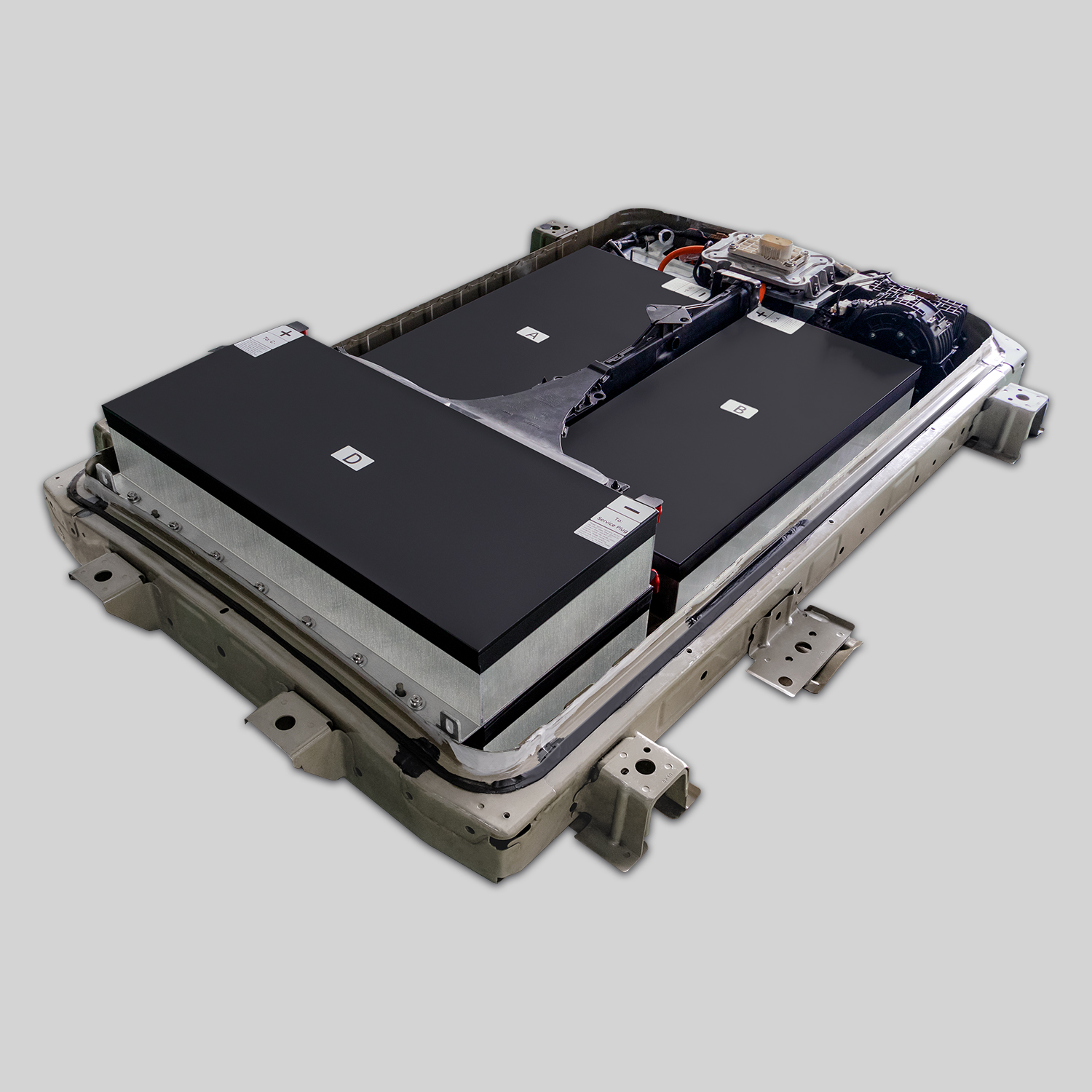
The 120Ah modules are the gold standard for the i3. If your vehicle originally came with these, or if you are retrofitting, the current inventory focuses on exact OEM specifications.
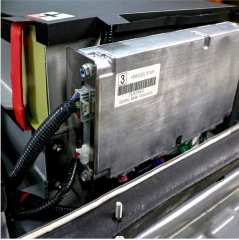
- Key Feature: These modules are designed for plug-and-play compatibility. The wiring harnesses, connectors, and Battery Management System (BMS) protocols are matched to the BMW i3’s specific communication standards.
3. Specialized Applications: REx & Custom Voltages
Owning a Range Extender (REx) model adds complexity. The inventory must account for the interaction between the high-voltage battery and the gasoline engine generator.
- REx Specifics: The current stock includes batteries calibrated to work seamlessly with the REx unit, ensuring the engine starts and stops at the correct state of charge (SOC) without triggering error codes.
Why “New” Matters: The CATL Cell Advantage
When looking at inventory lists, you will often see vague terms like “Grade A” or “Original.” At CNS BATTERY, the 2026 inventory standard is clear: Brand New CATL Cells.
What is CATL? Contemporary Amperex Technology Co. Limited is the world’s largest lithium-ion battery manufacturer. They supply batteries to Tesla, Volkswagen, and BMW.
- Safety: New CATL cells undergo strict thermal runaway testing. Unlike refurbished cells that might have internal dendrites (causing short circuits), new cells offer “ultimate safety.”
- Longevity: New cells start at 100% health. Refurbished packs often start at 60-70% and degrade rapidly. With a new pack, you are looking at a lifespan far exceeding that of a refurbished unit, potentially adding another 8-10 years of service to your i3.
The Cost of Ownership: Saving 50% Without Sacrificing Quality
Let’s talk numbers. The biggest barrier to replacing an i3 battery is the sticker shock from the dealership.
- The Dealership Route: $12,000 – $16,000 (Plus labor, plus waiting for factory order).
- The Refurbished Route: $3,000 – $5,000 (With the risk of failure and no real warranty).
- The OEM-Compatible Route: Approximately 50% of OEM cost.
By choosing a manufacturer that specializes in Nissan and BMW platforms (with 10+ years of R&D), you cut out the middleman and the brand markup. You are paying for the engineering and the cells, not the car logo.
Warranty: The Unbeatable Safety Net
Inventory is only as good as the support behind it. In 2026, a standard warranty is table stakes. The premium inventory offered by specialists now includes coverage that often surpasses standard industry offerings.
- Duration: 2 Years or 80,000 KM (Whichever comes first).
- Coverage: This includes defects in materials and workmanship. If a module fails, it is replaced free of charge.
- Performance Guarantee: A robust warranty also covers performance degradation. Your battery should maintain at least 70% capacity over the warranty period. If it doesn’t, the warranty covers it.
This level of coverage provides “peace of mind” that a box of used modules from a junkyard simply cannot offer.
The Installation Process: Plug-and-Play or DIY?
One of the biggest concerns when looking at inventory is: “Will it fit my car?”
Thanks to a decade of technological accumulation in the battery field, the current standard for BMW i3 replacements is OEM compatibility.
- Perfect Fit: The dimensions, mounting points, and connector placements are identical to the original BMW battery.
- Installation Time: For a professional technician, the swap typically takes 1-2 hours. It is essentially a “remove-and-replace” operation.
- DIY Friendly: Many owners opt to do this themselves. With the help of detailed video tutorials (available upon request), owners can save on labor costs. The process involves disconnecting the old pack, lifting it out, and bolting in the new one. The connectors are color-coded to prevent mistakes.
Technical Support: Your Dedicated Resource
Even with the best inventory, questions arise. This is where the “handbook” aspect extends beyond the physical battery.
When you source from a specialized manufacturer, you gain access to a Technical Center. This isn’t just a call center; it’s a team of engineers who understand the intricacies of the i3’s high-voltage system.
- BMS Programming: If you encounter issues with the Battery Management System recognizing the new pack, experts can guide you through the programming process.
- Troubleshooting: From high-voltage connector issues to sensor diagnostics, having direct access to technical experts ensures your car isn’t stranded in the garage.
Frequently Asked Questions (FAQ)
1. Is this battery a direct fit for my specific BMW i3 model year?
Yes. The inventory is designed to be compatible with the entire BMW i3 series (including the 60Ah, 94Ah, and 120Ah variants). To ensure a perfect match, you can provide your VIN (Vehicle Identification Number) to the technical team for a free compatibility check before purchasing.
2. How long does the installation take? Is an installation guide provided?
Professional installation typically takes 1-2 hours. For DIY enthusiasts, comprehensive support is provided, including step-by-step installation videos and PDF manuals. If you get stuck, video call installation guidance is available to walk you through the process in real-time.
3. What payment methods are available?
A variety of secure payment options are available to lower the barrier to entry. It is recommended to contact the sales team directly to confirm the specific payment method when signing the contract.
4. How is the battery shipped, and is it safe?
Lithium-ion batteries are classified as dangerous goods (UN 3480/3481). They are shipped via specialized carriers like DHL, FedEx, or UPS, compliant with IATA, IMDG, and ADR regulations. For international customers, DDP (Delivered Duty Paid) service is often available, meaning the supplier handles customs and duties.
5. What is the warranty coverage?
The warranty is one of the strongest in the industry: 2 Years or 80,000 KM. It covers manufacturing defects and includes protection against performance degradation (ensuring the battery maintains at least 70% capacity). This comprehensive policy reflects the confidence in the quality of the brand-new CATL cells used.
Ready to restore your BMW i3 to its full potential? Don’t let a dead battery end your electric journey.