Here is the SEO-optimized article tailored for the CNS BATTERY brand, focusing on the BMW i3 and environmental stewardship.
The Complete BMW i3 Battery Environmental Handbook: Sustainability & Upgrades
The BMW i3 stands as a testament to sustainable mobility. As the first mass-produced car to extensively use renewable raw materials in its interior and boast a lightweight carbon fiber body, its eco-credentials are undeniable. However, as the first generation of these vehicles approaches the end of their initial battery lifespan, owners face a critical decision. Replacing a BMW i3 battery is not just a mechanical necessity; it is an environmental opportunity.
At CNS BATTERY, we view battery replacement through the lens of the circular economy. By choosing to upgrade rather than scrap your vehicle, you significantly reduce the carbon footprint associated with manufacturing a new car. This handbook serves as your guide to making an environmentally conscious choice, detailing how to maximize the life of your i3 while minimizing waste.
Why Battery Replacement is the Ultimate Green Choice
Before diving into the technicalities, it is crucial to understand the environmental math behind keeping your i3 on the road.
The Manufacturing Impact
Producing a new electric vehicle generates a substantial amount of CO2, primarily from mining raw materials and manufacturing the battery and body structure. According to various lifecycle analyses, replacing the battery in an existing BMW i3 can save up to 50-60% of the CO2 emissions compared to buying a brand-new electric vehicle.
The Circular Economy in Action
By opting for a BMW i3 battery replacement, you are:
- Extending the life of a vehicle built with sustainable materials (e.g., kenaf fiber door trim, eucalyptus wood, and leather tanned with olive leaf extract).
- Avoiding the waste of a perfectly good carbon fiber reinforced plastic (CFRP) body and aluminum chassis.
- Reducing demand for new raw material extraction.
Understanding Your BMW i3 Battery Options
When it comes to sourcing a new powertrain for your i3, the market offers distinct choices. To ensure your upgrade aligns with environmental best practices, you must understand the difference between new production and recycled components.
1. Refurbished vs. New: The Environmental Trade-off
Many owners consider “refurbished” or “remanufactured” batteries to be the greenest option. While reusing cells seems ideal, there are hidden drawbacks:
- Performance Degradation: Used cells often have reduced capacity, leading to “range anxiety” and potentially shorter usable life.
- Mixed Chemistry: Refurbished packs often cobble together cells from different batches, leading to instability and potential safety hazards.
- Shorter Lifespan: If a refurbished pack fails again in 2-3 years, the cycle of waste continues.
2. The CNS BATTERY Standard: New Cells, Sustainable Future
At CNS BATTERY, we advocate for Original Equipment Manufacturer (OEM) compatible standards built with brand-new, top-tier cells. We utilize brand-new CATL battery cells—the same quality tier used by leading automakers—to ensure longevity and safety.
Why New CATL Cells are Better for the Planet:
- Longevity: New cells provide a full 10+ year lifespan, preventing the need for multiple replacements.
- Safety: Premium cells have superior thermal management, reducing the risk of fire or failure.
- Performance: Restoring your i3 to “like-new” condition ensures optimal energy efficiency.
| Feature | Refurbished/Used Batteries | CNS BATTERY New Solution |
|---|---|---|
| Cell Source | Salvaged, mixed batches | Brand-new CATL cells |
| Expected Lifespan | 2-4 years (high risk of swelling) | 10+ years (stable) |
| Warranty | Often None or Very Short | 24 Months / 80,000 KM |
| Environmental Impact | High risk of repeat waste | Single replacement, long-term use |
| Price | Moderate | 50%+ Savings vs. OEM |
The Environmental Impact of Manufacturing
A common question we receive at CNS is: “Isn’t manufacturing a new battery bad for the environment?” The answer lies in comparative footprint.
While manufacturing a new 45kWh or 62kWh battery does require energy and resources, this impact is dwarfed by the emissions saved by not building a new car. Furthermore, modern battery manufacturing is becoming increasingly cleaner. By choosing a CNS BATTERY pack, you are not only saving the CO2 from a new car body but also benefiting from the latest advancements in battery chemistry, which offer higher energy density and lower self-discharge rates.
Key Environmental Advantages:
- Reduced Mining: You avoid the need for new aluminum, steel, and carbon fiber production.
- Energy Efficiency: Newer battery management systems (BMS) in our packs are often more efficient than the original 2013-2016 designs, extracting more miles per kilowatt-hour.
- Recyclability: Our packs are designed with end-of-life recycling in mind, ensuring materials can be recovered in the future.
Installation and Maintenance: Keeping Your i3 Efficient
Once you have decided to upgrade, proper installation is key to maximizing the environmental benefit of your new pack.
Plug-and-Play Sustainability
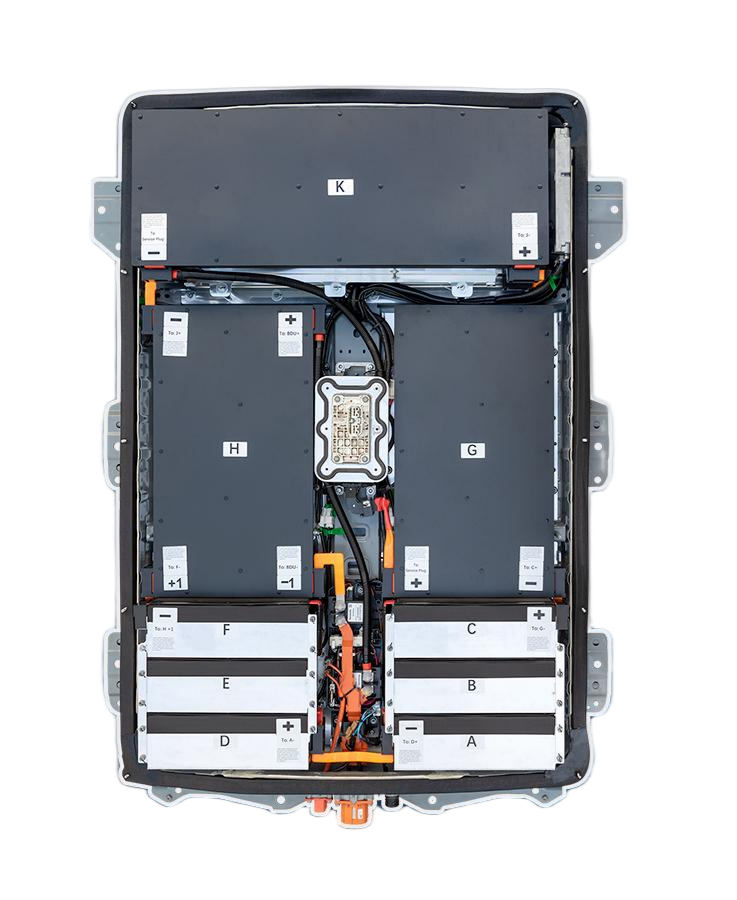
Our BMW i3 battery modules are designed for perfect OEM compatibility. This means no modifications are required. A seamless installation prevents energy leaks and ensures the vehicle’s regenerative braking system works optimally, which is crucial for the i3’s famous efficiency.
Maintenance Tips for Longevity
To ensure your new battery lasts a lifetime (and thus remains the greenest choice), follow these tips:
- Avoid 100% State of Charge for Storage: If you are not driving the car for weeks, keep the charge between 30-80%.
- Use AC Charging for Daily Use: While DC fast charging is convenient, regular use creates more heat. Using AC charging preserves cell health.
- Winter Preconditioning: Heat the battery while plugged in to maintain efficiency in cold weather.
The CNS BATTERY Commitment to Quality
As a leading manufacturer specializing in BMW automotive batteries, CNS BATTERY is committed to sustainable innovation. We do not just sell a product; we provide a pathway to extend the life of a revolutionary vehicle.
Our Promise:
- Zero Fault Reliability: Our engineering ensures your i3 runs without issues, preventing roadside waste and repair emissions.
- Global Shipping: We support owners worldwide in reviving their vehicles, promoting a global circular economy.
- Technical Support: Our team provides lifetime technical support to ensure your battery is maintained correctly, maximizing its lifespan.
By choosing CNS BATTERY, you are not just buying a new lease on life for your car; you are making a conscious decision to reduce waste and drive sustainably.
Frequently Asked Questions (FAQ)
Q1: Is it worth replacing the battery in a BMW i3?
A: Absolutely. From an environmental and economic standpoint, replacing the battery is often the best choice. The BMW i3 has a unique carbon fiber body that is expensive and energy-intensive to produce. Scrapping a car with a good chassis due to a bad battery is wasteful. Replacing the pack with a CNS solution saves you over 50% compared to dealership prices while saving the planet from the emissions of a new car build.
Q2: What is the lifespan of a BMW i3 battery?
A: The original BMW i3 battery lifespan varies by model. The 2013-2016 models (45kWh) typically last 8-10 years depending on usage. However, degraded batteries often fall below 70% capacity, limiting range. A new CNS BATTERY pack restores the vehicle to full capacity, offering a projected lifespan of 10+ years with proper care, thanks to the use of new, high-quality CATL cells.
Q3: How much does it cost to replace a BMW i3 battery?
A: Dealership replacements can cost upwards of $16,000 USD. At CNS BATTERY, we offer Original EV Powertrain Customization. Our prices are typically 50% lower than OEM costs. For an exact figure, we recommend using our Free Quote System as pricing depends on the specific kWh rating (45kWh, 50kWh, or 62kWh) and your location.
Q4: Are there any risks in replacing the BMW i3 battery?
A: The primary risk comes from choosing low-quality refurbished packs, which can suffer from cell swelling, BMS failure, or fire hazards due to unstable chemistries. With CNS BATTERY, the risk is mitigated by our 2-year / 80,000 km warranty and the use of certified new cells. We also provide video installation guides to ensure the physical swap is done safely, preventing damage to the vehicle’s electronics.
Q5: How do I know if my BMW i3 battery needs replacing?
A: Common signs include a significant drop in range (e.g., below 80-100 km on a full charge), the battery gauge showing significantly reduced bars (e.g., dropping from 12 to 8 bars), or error messages like “Battery Function Restricted.” If your capacity has fallen below 70%, it is generally time to consider a replacement to restore usability.
Ready to revive your BMW i3 and continue driving sustainably?
Contact our technical experts now for a free, customized quote.