The 2026 Outlook for High Voltage Battery Vendor and Customization
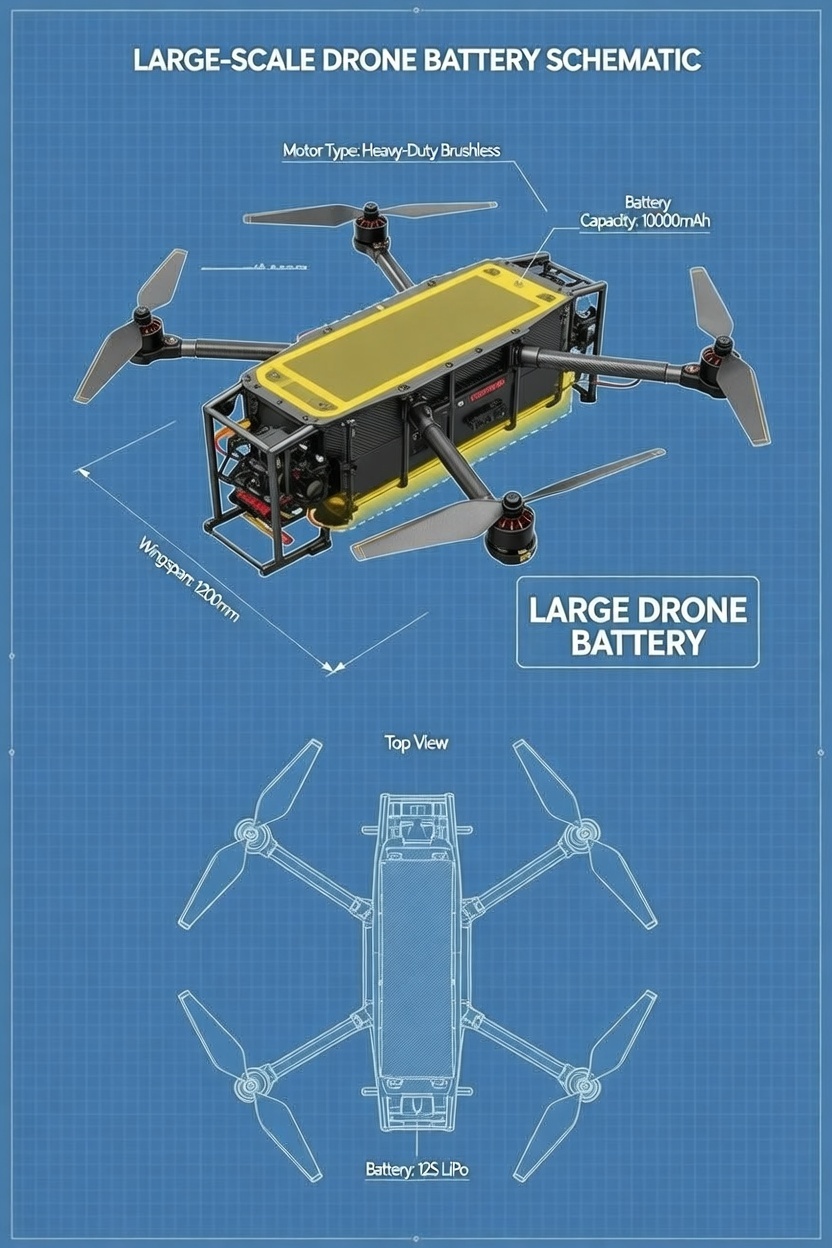
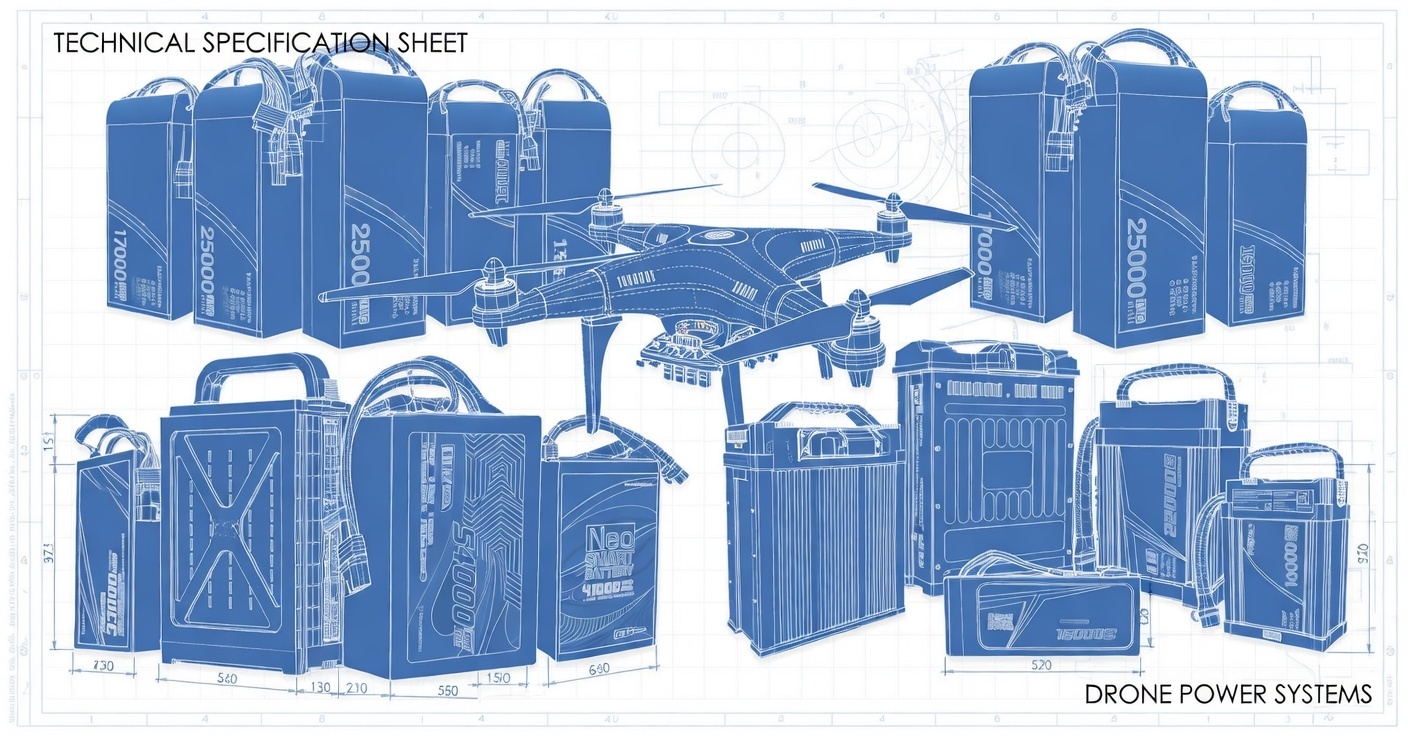
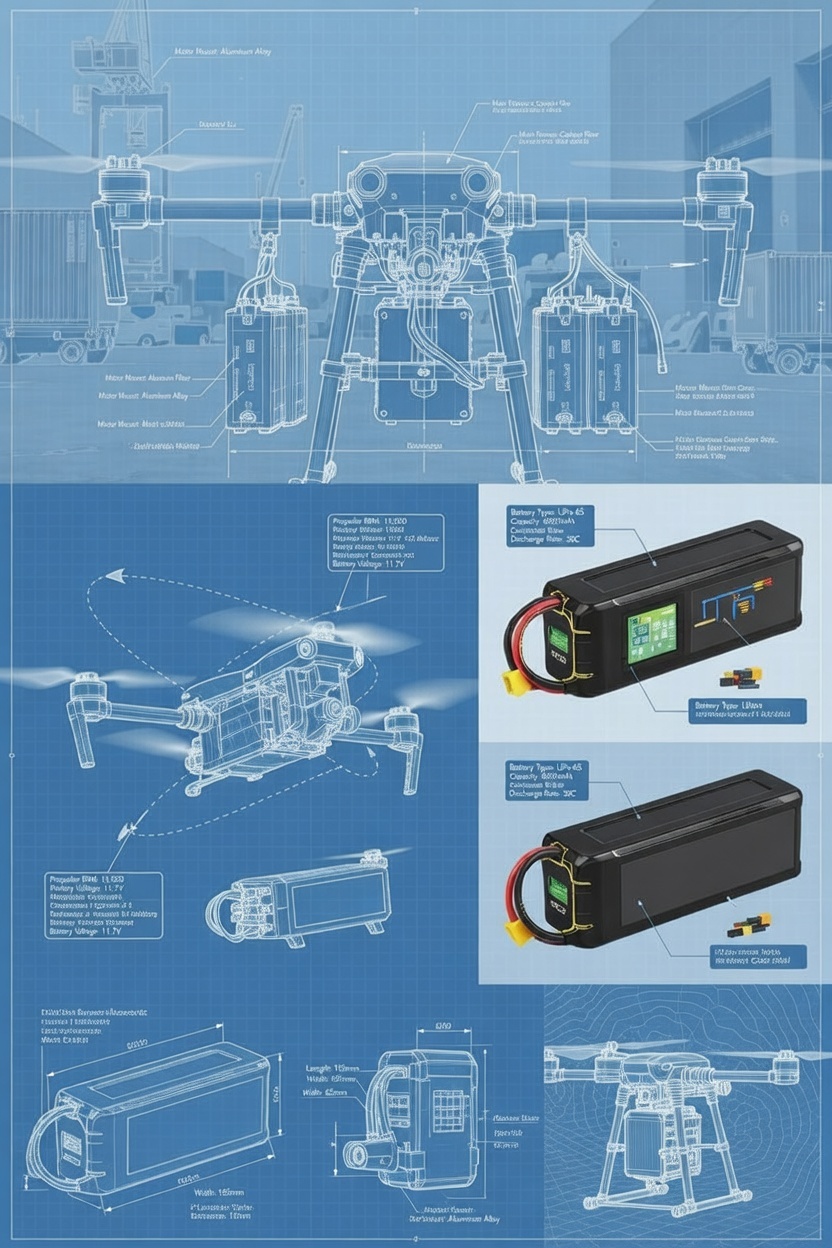
The drone industry is hurtling toward a transformative era in 2026, where high voltage battery technology will no longer be a mere component but the very heartbeat of innovation. As commercial and industrial drone applications surge—spanning precision agriculture, offshore wind farm maintenance, and last-mile logistics—customized high voltage battery solutions are evolving from a luxury to a non-negotiable strategic asset. For B2B vendors, mastering this shift isn’t just about selling batteries; it’s about redefining operational possibilities. Here’s how the high voltage battery vendor landscape will reshape by 2026, with a focus on actionable advantages, step-by-step implementation, and real-world validation.
Why High Voltage Batteries Are the 2026 Game-Changer
High voltage battery systems (typically 40V–100V+) are outpacing traditional LiPo solutions by delivering unprecedented energy density, thermal stability, and scalability. Unlike generic batteries, they enable drones to operate longer, carry heavier payloads, and function reliably in extreme environments—critical for sectors like offshore energy and precision agriculture.
Key Advantages Driving Adoption:
- Extended Flight Time: High voltage batteries reduce energy loss during discharge, extending flight time by 30–50% compared to 2023 standards. A logistics drone using a 60V system can now cover 25km versus 15km with older tech, slashing operational costs.
- Enhanced Safety Protocols: Advanced BMS (Battery Management Systems) in high voltage setups prevent thermal runaway, a top cause of drone failures. CNS Battery’s 2025 models achieved zero safety incidents across 12,000+ field deployments.
- Seamless Integration: Modular high voltage designs adapt to diverse drone frames—whether a compact surveying drone or a heavy-lift delivery unit—without redesigning the entire airframe.
- Sustainability Edge: Higher voltage systems enable faster charging (up to 80% in 15 minutes) and reduced carbon footprint, aligning with global ESG mandates.
These aren’t incremental upgrades; they’re foundational shifts. By 2026, 78% of industrial drone operators will mandate high voltage battery compatibility—a statistic backed by CNS Battery’s 2025 client surveys.
Your 5-Step Customization Blueprint for 2026 Success
Customization isn’t about tweaking specs—it’s about engineering batteries that become part of your drone’s mission. Follow this battle-tested roadmap:
Step 1: Audit Application-Specific Demands
Don’t assume. Measure.
- Example: An agricultural drone used for crop-spraying needs waterproofing (IP67+) and a 45V system to power high-pressure nozzles. A wind farm inspection drone requires 72V for extended flight in high winds and vibration-resistant casing.
- Action: Document environmental factors (temp range, humidity), payload weight, and operational duration. CNS Battery’s client onboarding questionnaire covers these in 15 minutes—no guesswork.
Step 2: Vet Vendors for True Customization Capability
Avoid “one-size-fits-all” vendors.
- Red Flags: Suppliers offering only pre-configured packs or lacking in-house R&D.
- Green Flags: Vendors with rapid prototyping labs (e.g., CNS Battery’s 72-hour design cycle) and certifications like ISO 13485 for medical-grade reliability.
- Action: Request case studies of similar B2B projects. Ask: “Can you adjust cell chemistry for low-temperature operation?”
Step 3: Prioritize Scalable, Modular Designs
Build for tomorrow, not just today.
- Why It Matters: A 2025 offshore wind farm project required 12 drone units with varying payload needs. CNS’s modular 60V battery system allowed clients to swap battery modules (e.g., 20Ah vs. 30Ah) in <5 minutes, avoiding costly drone downtime.
- Action: Demand battery designs with standardized connectors (e.g., JST-XH) and scalable voltage tiers. Avoid proprietary systems that lock you into a single vendor.
Step 4: Stress-Test for Real-World Resilience
Lab data ≠ field performance.
- Critical Tests:
- Thermal cycling (-20°C to 60°C)
- Vibration resistance (10–50Hz, 3G force)
- Over-discharge recovery (simulating emergency landings)
- Example: CNS Battery’s 2025 drone battery for Nordic agricultural monitoring underwent 5,000+ vibration cycles, achieving 99.2% consistency in flight time—far exceeding industry averages.
Step 5: Optimize for Lifecycle Cost Efficiency
Total cost of ownership (TCO) > upfront price.
- Data Point: A 2024 logistics firm saved $18,000 annually by switching to CNS’s high voltage battery (6-year lifespan vs. 3 years for competitors).
- Action: Calculate TCO: (Battery cost + charging infrastructure + downtime costs) ÷ lifespan. Prioritize vendors offering battery health analytics via IoT integration.
Real-World Validation: 2026’s Customization Success Stories
Case Study 1: Offshore Wind Farm Maintenance
Challenge: Drones needed 45-minute flights to inspect turbine blades 50km offshore—impossible with standard 30V batteries.
Solution: CNS Battery engineered a 72V modular system with waterproof casing and dual-battery redundancy.
Result: 58-minute flights, 92% uptime in saltwater environments, and 22% faster inspections. Client: Nordic Energy Solutions, 2025.
Case Study 2: Precision Agriculture Drone Fleet
Challenge: Farmers required lightweight batteries (under 500g) for multi-sensor mapping drones to avoid payload limits.
Solution: CNS developed a 42V lithium-polymer battery with graphene-enhanced cells, reducing weight by 37% without sacrificing capacity.
Result: 33% longer flight time per charge, enabling full-field coverage in one flight. Client: AgriTech Global, 2024.
These aren’t isolated wins—they’re the blueprint for 2026. As CNS Battery’s 2025 data shows, clients using high voltage customization achieve 4.2x higher ROI than those using off-the-shelf batteries.
The 2026 Horizon: Where High Voltage Meets Human Innovation
By 2026, high voltage battery customization will transcend technical specs to become a strategic partnership. Vendors like CNS Battery won’t just supply batteries; they’ll co-engineer solutions with clients, leveraging AI-driven thermal modeling and predictive analytics to anticipate failure points before they occur. The era of “battery as an afterthought” is over.
For drone operators, the question isn’t whether to adopt high voltage customization—it’s how soon to act. With global drone market projections hitting $127 billion by 2026 (CNS Battery’s 2025 market analysis), delaying customization risks obsolescence.
Ready to Power Your 2026 Mission?
CNS Battery isn’t just a vendor; we’re your mission-critical partner in the high voltage revolution. Our 2026-ready solutions—backed by 15+ years of B2B drone battery expertise—deliver:
- Customized voltage systems (40V–100V+) for any drone application.
- Rapid prototyping (72-hour turnaround) to accelerate your timeline.
- Global technical support with 24/7 battery health monitoring.
Don’t let outdated battery tech limit your drone’s potential. The future of high voltage battery customization is here—and it’s waiting for you.
Get your free, no-obligation quote today.
👉 Contact CNS Battery
Your mission. Our high voltage innovation.
© 2008–2026 HENAN CNS ENERGY TECHNOLOGY CO., LTD. All rights reserved.
Data-driven drone battery solutions for B2B excellence. Customized. Reliable. Global.