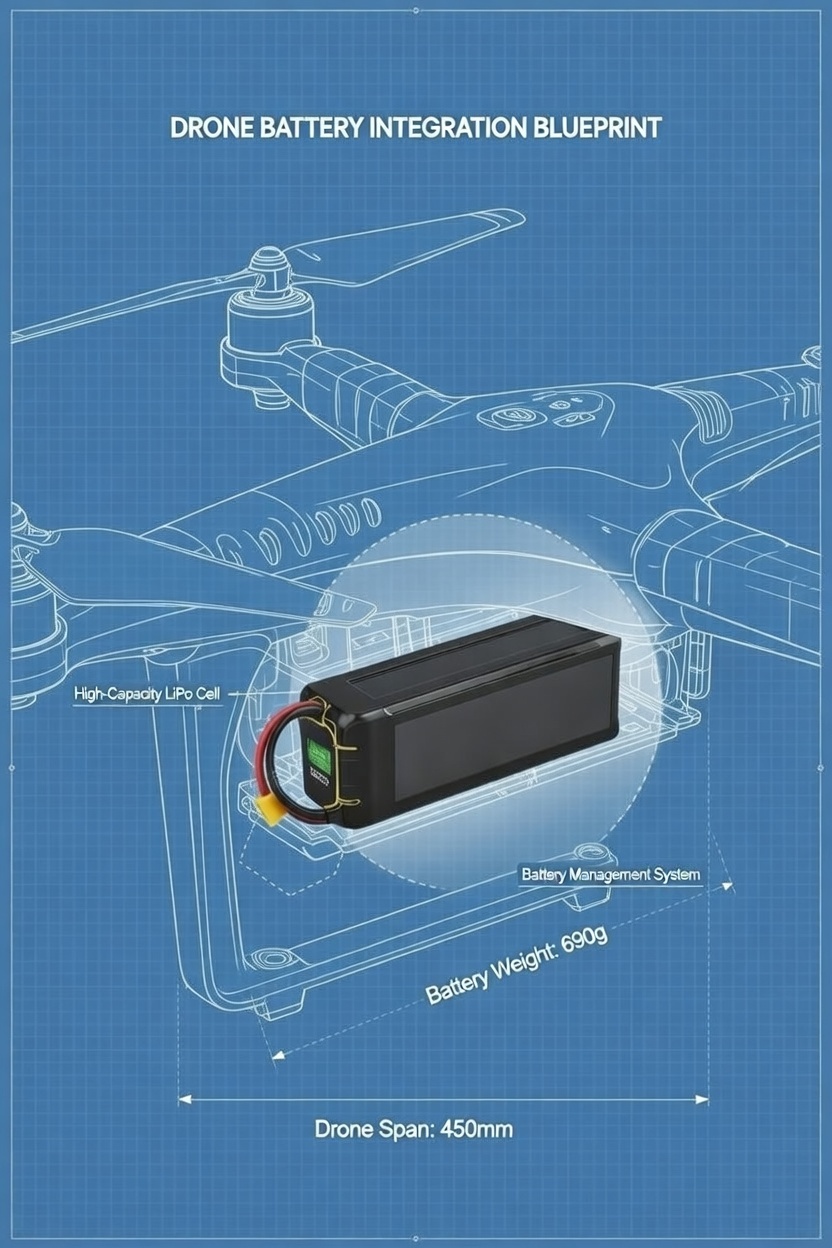
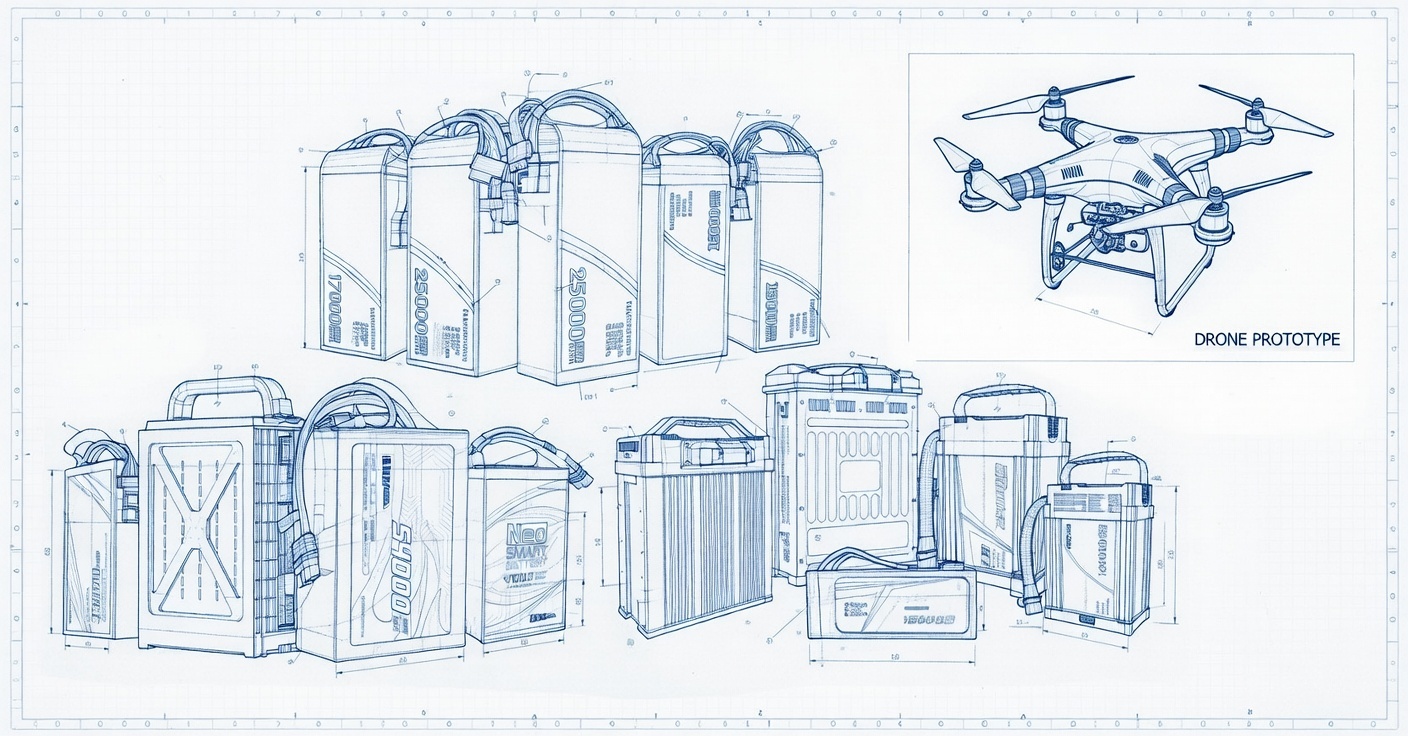
The low-altitude economy is experiencing unprecedented growth in 2026, with drone technology becoming increasingly sophisticated across commercial, industrial, and consumer applications. For low-altitude aircraft developers, ensuring technical compatibility between drone batteries and aircraft systems represents one of the most critical challenges in UAV design. This comprehensive guide explores proven strategies for optimizing battery integration, enhancing flight performance, and maintaining safety standards while maximizing operational efficiency.
Understanding Drone Battery Technical Compatibility Fundamentals
Technical compatibility in low-altitude aircraft development extends far beyond simple voltage matching. Modern UAV developers must consider multiple interconnected factors including battery chemistry, discharge rates, thermal management, and communication protocols between the battery management system (BMS) and flight controller.
Lithium-polymer (LiPo) and lithium-ion batteries remain the dominant power sources for drones due to their high energy density and favorable power-to-weight ratios. However, selecting the right battery requires careful analysis of your specific aircraft requirements. The nominal cell voltage, capacity measured in milliamp-hours (mAh), and C-rating (discharge rate) must align precisely with your motor specifications and expected flight profiles.
Key Compatibility Considerations:
- Voltage range compatibility with electronic speed controllers (ESCs)
- Current delivery capacity matching motor power demands
- Physical dimensions fitting within aircraft design constraints
- Communication protocol alignment with flight control systems
- Thermal dissipation capabilities for sustained operation
Battery Management System Integration Best Practices
A robust battery management system serves as the critical link between power storage and aircraft operation. For low-altitude aircraft developers, implementing an effective BMS ensures safe charging, balanced cell operation, and real-time monitoring of battery health throughout each flight mission.
Modern BMS solutions provide essential protective functions including overcharge prevention, over-discharge protection, short-circuit detection, and temperature monitoring. Advanced systems also offer cell balancing capabilities that extend overall battery lifespan by ensuring uniform charge distribution across all cells in the battery pack.
Essential BMS Features for UAV Applications:
- Real-time voltage and current monitoring with high precision
- Individual cell balancing during charging cycles
- Temperature sensors with automatic thermal throttling
- State-of-charge estimation algorithms optimized for drone discharge patterns
- Communication interfaces compatible with popular flight controllers like PX4 and ArduPilot
- Fault detection and logging for post-flight analysis
Optimizing Power Delivery for Enhanced Flight Performance
Achieving optimal flight performance requires careful attention to power delivery characteristics throughout the entire flight envelope. Low-altitude aircraft developers must account for varying power demands during takeoff, hovering, maneuvering, and landing phases.
Peak current demands during aggressive maneuvers can significantly exceed average consumption rates. Your battery selection must accommodate these transient loads without excessive voltage sag that could trigger low-voltage warnings or cause unstable flight conditions. Additionally, understanding the relationship between battery internal resistance and power loss helps developers minimize energy waste and maximize flight time.
Power Optimization Strategies:
- Select batteries with C-ratings 20-30% above maximum expected current draw
- Implement power distribution boards with adequate current handling capacity
- Use high-quality connectors minimizing resistance and heat generation
- Design wiring harnesses with appropriate gauge for current requirements
- Consider parallel battery configurations for extended flight missions
- Monitor voltage sag under load during prototype testing phases
Thermal Management and Safety Protocols
Thermal management represents a critical yet often overlooked aspect of drone battery compatibility. High discharge rates generate significant heat within battery cells, potentially accelerating degradation or creating safety hazards if not properly managed.
Low-altitude aircraft developers should incorporate thermal monitoring into their design process, ensuring adequate airflow around battery compartments and implementing automatic power reduction when temperatures exceed safe operating limits. This proactive approach prevents thermal runaway conditions while maintaining consistent performance across varying environmental conditions.
Thermal Safety Implementation:
- Install temperature sensors directly on battery packs
- Design ventilation channels promoting natural or forced air cooling
- Implement software throttling when cell temperatures exceed 45°C
- Avoid enclosing batteries in thermally insulating materials
- Consider active cooling systems for high-performance applications
- Establish clear thermal shutdown protocols in flight control software
Extending Battery Lifecycle Through Smart Management
Battery longevity directly impacts operational costs and environmental sustainability for drone operators. Low-altitude aircraft developers can significantly extend battery lifecycle through intelligent charging practices, storage protocols, and usage patterns integrated into their aircraft systems.
Proper storage at partial charge levels (approximately 50-60% state-of-charge) prevents cell degradation during extended non-use periods. Additionally, avoiding complete discharge cycles and implementing gentle charging profiles reduces stress on battery chemistry, preserving capacity over hundreds of charge cycles.
Battery Lifecycle Management Tips:
- Store batteries at 50-60% charge for periods exceeding one week
- Avoid discharging below 20% state-of-charge during normal operation
- Use balanced chargers specifically designed for lithium battery chemistry
- Implement charge cycle counting for predictive maintenance scheduling
- Monitor capacity degradation trends through flight data logging
- Establish replacement thresholds based on capacity retention metrics
Regulatory Compliance and Certification Requirements
The rapidly evolving regulatory landscape for low-altitude aircraft demands careful attention to battery certification and safety standards. Developers must ensure their battery systems comply with applicable aviation regulations, transportation requirements, and industry safety standards.
International standards such as UN 38.3 for lithium battery transportation and RTCA DO-311A for UAV battery systems provide frameworks for demonstrating safety and reliability. Early engagement with certification bodies helps developers identify compliance requirements before significant investment in production tooling.
Compliance Checklist:
- Verify battery cells meet UN 38.3 transportation testing requirements
- Document BMS safety functions for regulatory submissions
- Maintain traceability records for all battery components
- Implement unique identification systems for battery tracking
- Prepare technical documentation for airworthiness certification
- Stay current with evolving low-altitude economy regulations
Conclusion: Building Compatible Systems for Sustainable Growth
Technical compatibility between drone batteries and low-altitude aircraft systems determines operational success in an increasingly competitive market. By implementing the best practices outlined in this guide, developers can create reliable, efficient, and safe UAV platforms that meet customer expectations while maintaining regulatory compliance.
The future of low-altitude aviation depends on collaborative innovation between battery manufacturers, aircraft developers, and regulatory bodies. Investing in compatibility solutions today positions your organization for leadership in tomorrow’s expanded drone economy.
Ready to optimize your drone battery integration? Our expert team specializes in technical compatibility solutions for low-altitude aircraft developers. Contact us today to discuss your specific requirements and discover how our drone battery systems can enhance your UAV performance.
Visit our contact page: https://cnsbattery.com/drone-battery-home/drone-battery-contact
Take the next step toward technical excellence. Reach out now and transform your drone development challenges into competitive advantages.