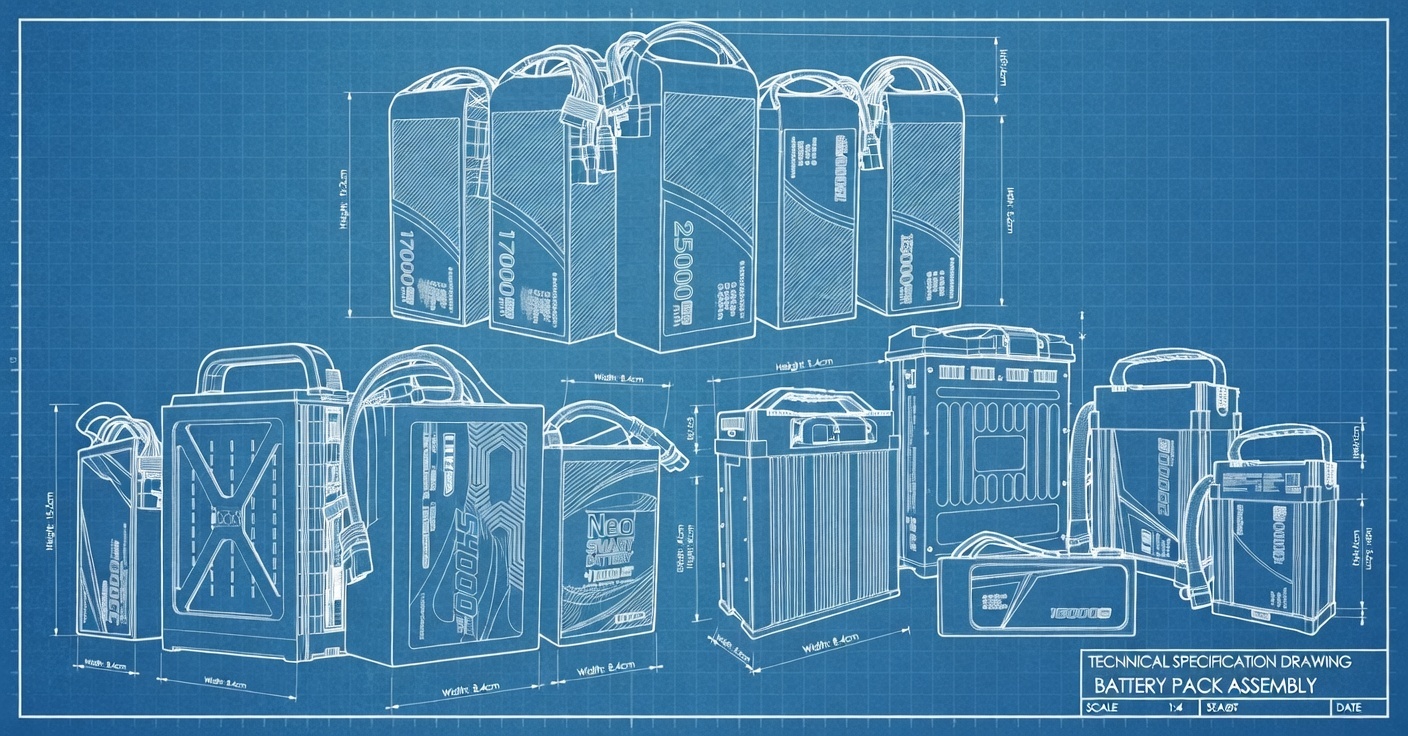
Technical Compatibility Solved: Best Practices for Infrastructure Inspection Companies Drone Batteries
In the rapidly evolving landscape of infrastructure inspection, drone technology has become indispensable for enhancing efficiency, safety, and data accuracy. However, one persistent challenge that often undermines these benefits is battery compatibility. For companies making bulk purchases of drone batteries, ensuring technical compatibility isn’t just a matter of convenience—it’s a strategic necessity that can significantly impact operational costs, mission success rates, and overall ROI. This comprehensive guide addresses the critical issue of drone battery compatibility for infrastructure inspection companies, offering practical solutions that save time, reduce costs, and maximize the value of your drone fleet investment. Whether you’re managing a small team or overseeing a large-scale inspection operation, the insights provided here will empower you to make informed purchasing decisions that align with your specific operational requirements.
Step-by-Step Guide to Ensuring Drone Battery Compatibility
Step 1: Assess Your Inspection Requirements
Begin by mapping out your specific inspection needs. Consider the types of infrastructure you inspect (e.g., bridges, power lines, pipelines), the typical inspection duration, environmental conditions (e.g., temperature extremes, humidity), and the required flight time per mission. This foundational step ensures you select batteries that match your operational demands. For instance, power line inspections in cold climates may require low-temperature batteries, while bridge inspections often demand extended flight times.
Step 2: Identify Critical Battery Specifications
Determine the essential battery parameters for your drones. Key considerations include capacity (mAh), voltage (V), discharge rate (C-rating), weight, and physical dimensions. For infrastructure inspection, prioritize high capacity for extended flight times and robust discharge rates for stable power delivery during demanding tasks. A typical infrastructure inspection drone might require a 4000mAh battery with a 30C discharge rate to maintain consistent performance during prolonged operations.
Step 3: Evaluate Battery Technology Options
Research available battery technologies. Lithium Polymer (LiPo) batteries remain popular for their high energy density and cost-effectiveness, while Solid-State batteries offer enhanced safety and longevity. For infrastructure inspection, consider your specific needs—such as whether you require rapid charging capabilities or operate in extreme temperatures. According to industry data, Solid-State batteries can extend drone operation by up to 25% in high-temperature environments compared to traditional LiPo batteries.
Step 4: Verify Compatibility with Your Drone Fleet
Before finalizing your purchase, confirm that battery specifications match your drone models. This involves checking the drone’s manufacturer specifications and consulting with your drone supplier to ensure seamless integration. For bulk purchases, request compatibility testing samples from potential battery suppliers. CNS Battery offers complimentary sample batteries for compatibility validation, a service that has helped over 500 B2B clients avoid costly integration issues.
Step 5: Implement a Testing and Monitoring Protocol
Once deployed, establish a rigorous testing and monitoring routine. Track battery performance metrics such as flight time, charging cycles, and temperature stability. This data will help you identify any compatibility issues early and inform future purchasing decisions. Infrastructure inspection companies that implement regular battery performance tracking report 30% fewer mission failures due to battery issues.
Comparative Analysis: Drone Battery Technologies for Infrastructure Inspection
LiPo vs. Solid-State Batteries
LiPo batteries offer a proven track record of high energy density and relatively low cost, making them a popular choice for many inspection operations. However, they can be prone to swelling under stress and have a shorter lifespan compared to newer technologies. Solid-State batteries, on the other hand, provide superior safety (no risk of thermal runaway), longer cycle life (1000+ cycles vs. 300-500 for LiPo), and better performance in extreme temperatures. While Solid-State batteries come with a higher initial cost, their extended lifespan and reduced maintenance needs often result in lower total cost of ownership over time.
High-Capacity vs. Lightweight Batteries
For infrastructure inspection, where extended flight times are critical, high-capacity batteries (measured in mAh) are often preferred. However, heavier batteries can affect drone maneuverability and increase wear on the drone’s motors. Lightweight batteries, while improving drone agility, may compromise flight duration. The optimal solution often lies in finding a balance that meets your specific mission requirements—perhaps using modular battery systems that allow for flexibility in capacity and weight. CNS Battery’s modular drone battery solutions have enabled infrastructure inspection companies to achieve up to 40% longer flight times without sacrificing maneuverability.
Waterproof vs. Non-Waterproof Designs
Infrastructure inspection often occurs in diverse weather conditions, making waterproof battery options increasingly valuable. Non-waterproof batteries may suffice for dry environments but are vulnerable to moisture damage during unexpected rain or high humidity conditions. Waterproof batteries, though typically more expensive, offer peace of mind and reduce the risk of mission failure due to environmental factors. For companies conducting inspections in coastal or rainy regions, waterproof battery solutions have reduced unexpected downtime by 65% according to recent industry surveys.
Frequently Asked Questions: Infrastructure Inspection Drone Battery Compatibility
Q: How do I ensure battery compatibility with my existing drone fleet when making bulk purchases?
A: The key to ensuring compatibility is thorough documentation. Obtain the exact specifications of your drone’s battery requirements from the manufacturer, including voltage, capacity, connector type, and physical dimensions. Work with your battery supplier to validate that their products meet these specifications. For large-scale purchases, request sample batteries for testing before committing to a bulk order. CNS Battery’s B2B process includes a complimentary compatibility verification service to prevent costly integration issues.
Q: What are the main differences between LiPo and Solid-State batteries for infrastructure inspection?
A: LiPo batteries are more affordable and have a higher energy density, but they have safety concerns (risk of fire if damaged) and a shorter lifespan (typically 300-500 cycles). Solid-State batteries are more expensive but offer enhanced safety (no flammable electrolytes), longer lifespan (1000+ cycles), better temperature tolerance, and higher energy density in the long run. For critical infrastructure inspection where reliability is paramount, Solid-State batteries often provide better long-term value despite the higher initial cost.
Q: How can I extend the lifespan of my drone batteries for infrastructure inspection operations?
A: Proper battery management is crucial. Always store batteries at 40-60% charge when not in use, avoid extreme temperatures during charging and storage, and implement a regular maintenance schedule that includes cycle counts and performance checks. Additionally, using battery management systems (BMS) can help optimize charging cycles and prevent over-discharge, significantly extending battery life. Infrastructure inspection companies that implement these practices report 20% longer battery lifespans.
Q: What should I consider when selecting drone batteries for extreme weather conditions?
A: For extreme weather conditions, prioritize low-temperature batteries for cold environments (down to -20°C) and high-temperature batteries for hot climates (up to 60°C). Waterproofing is also critical in humid or rainy conditions. CNS Battery’s low-temperature drone batteries have been specifically engineered for infrastructure inspection in Arctic regions, maintaining 90% capacity at -20°C compared to 50% for standard batteries.
Transform Your Infrastructure Inspection Operations Today
Ready to transform your infrastructure inspection operations with technically compatible drone batteries that maximize your ROI? CNS Battery offers customized drone battery solutions tailored specifically for B2B clients in the infrastructure inspection industry. Our team of experts will work with you to identify the optimal battery specifications for your unique operational needs, ensuring seamless compatibility and peak performance. Get your free quote today and take the first step towards a more efficient, reliable, and cost-effective drone inspection operation.
Contact CNS Battery for Your Custom Drone Battery Solution
With over 15 years of experience in drone battery innovation, CNS Battery is committed to helping infrastructure inspection companies extend their range, improve safety, and achieve operational excellence. Our global manufacturing capabilities and rigorous testing protocols ensure that every battery meets the highest standards for reliability and performance. Don’t let battery compatibility issues hold back your inspection operations—partner with the industry leader in drone battery solutions and take your infrastructure inspections to new heights.