Step-by-Step Nissan Leaf 40kWh Swap: 2026 Expert Guide for ZE1 Models
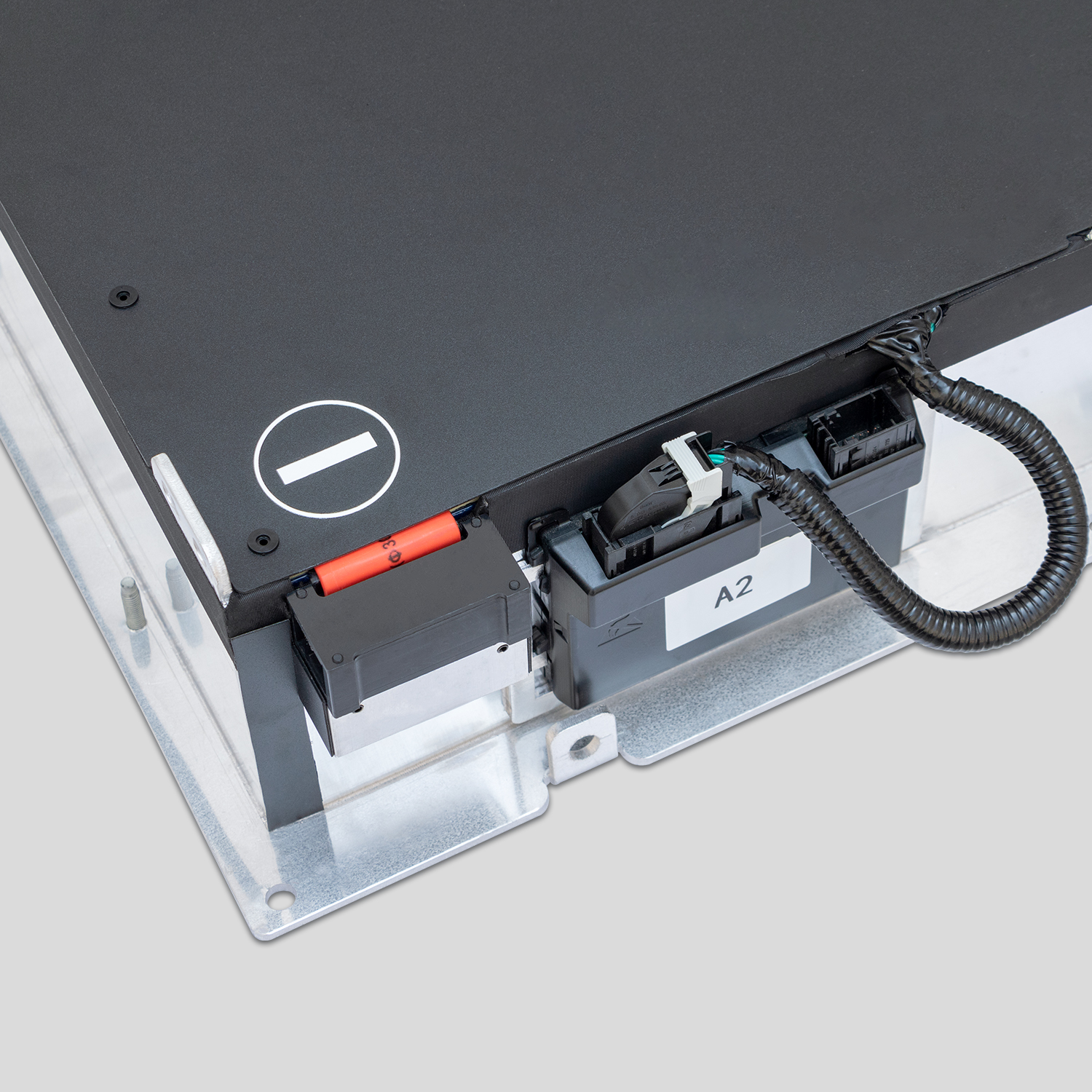
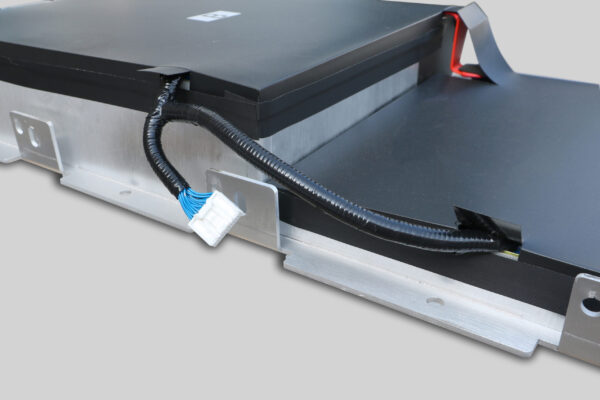
Is your 2018-2022 Nissan Leaf ZE1 (equipped with the 40kWh liquid-cooled battery) suffering from degraded range or charging issues? A step-by-step Nissan Leaf 40kWh swap is the solution to revitalize your EV, but the ZE1’s liquid cooling system and advanced BMS require precision and model-specific know-how. Unlike first-gen passive-cooled Leafs, the 40kWh ZE1 demands careful handling of coolant lines, pressure testing, and calibration to avoid costly damage. As CNS BATTERY experts, we break down the complete process, from pre-swap prep to post-install testing, and highlight how our sodium-ion 40kWh pack elevates safety and performance.
Pre-Swap Preparation: Tools, Safety & Compatibility Checks
Proper preparation is critical for a smooth 40kWh swap—skipping these steps risks electrical hazards, coolant leaks, or BMS malfunctions. This phase ensures you have the right equipment and confirms your new battery is compatible with the ZE1’s systems.
Essential Tools & Safety Gear
Gather specialized tools tailored to the ZE1’s liquid-cooled design: Class 00 insulated gloves (1,000V+), insulated screwdrivers, a torque wrench (precision to 1 N·m), Nissan-specific OBD-II scanner (for BMS calibration), coolant vacuum filler, and pressure tester (0-10 bar). Safety gear includes a high-voltage warning sign, fire extinguisher (Class D for batteries), and eye protection. Never use generic tools—they can damage the battery’s cooling ports or electrical connectors.
Compatibility & Battery Health Checks
First, confirm your Leaf is a ZE1 model (2018-2022) with a factory 40kWh battery—verify via VIN or Nissan’s official portal. Use the OBD-II scanner to check the old battery’s SOH (State of Health); if below 60%, a swap is necessary. For CNS BATTERY’s sodium-ion 40kWh pack, run our digital compatibility tool to ensure seamless integration with your ZE1’s BMS and cooling system—our packs are pre-calibrated for ZE1 models, eliminating fitment issues.
Workspace & Coolant Prep
Set up a well-ventilated workspace with a level surface to support the 450+ lbs battery. Drain the ZE1’s factory coolant (Nissan Long Life Coolant LL-C134) into a sealed container—never mix coolants, as this causes corrosion. Have fresh coolant ready for refilling post-install, and ensure the workspace is free of flammable materials to mitigate high-voltage risks.
Step-by-Step Nissan Leaf 40kWh Swap Process
Follow these steps carefully, prioritizing safety and precision. The process takes 3-4 hours for professionals; allow 6-8 hours if DIYing (only recommended for experienced EV technicians).
Step 1: Disconnect High-Voltage & 12V Power
Turn off the Leaf and engage the parking brake. Disconnect the 12V battery (located in the front trunk) and wait 15 minutes to discharge residual high voltage—this is non-negotiable for safety. Locate the high-voltage service plug (under the rear seat) and remove it, placing a safety cover over the connector to prevent accidental reconnection.
Step 2: Remove Coolant Lines & Battery Covers
Disconnect the coolant inlet and outlet lines from the battery pack (use a wrench to loosen fittings gently to avoid damage). Cap the lines immediately to prevent coolant loss and contamination. Remove the rear bumper cover and underbody shields to access the battery’s mounting bolts—keep hardware organized in labeled containers for reinstallation.
Step 3: Extract the Old 40kWh Battery
Use a hydraulic lift or battery trolley to support the pack’s weight. Loosen the 12 mounting bolts (torqued to 45 N·m from the factory) and slowly lower the old battery. Inspect the mounting points and cooling line ports for corrosion—clean with a non-abrasive brush if needed, as corrosion can cause leaks with the new battery.
Step 4: Prepare & Install the New 40kWh Pack
Unbox the new CNS BATTERY sodium-ion 40kWh pack and inspect for damage (document any issues with photos). Apply a thin layer of coolant-compatible sealant to the cooling line ports to ensure a tight fit. Lift the new battery into position, aligning with the factory mounting points, and torque the bolts to 45 N·m in a crisscross pattern to ensure even pressure.
Step 5: Reconnect Coolant Lines & Pressure Test
Reattach the coolant lines to the new battery, tightening fittings to manufacturer specs. Use the vacuum filler to refill the cooling system with fresh Nissan LL-C134 coolant, bleeding air bubbles to prevent overheating. Perform a pressure test (8 bar for 30 minutes) to check for leaks—no drops in pressure indicate a secure connection.
Step 6: Reconnect Power & Calibrate BMS
Reinstall the high-voltage service plug and reconnect the 12V battery. Use the Nissan-specific OBD-II scanner to calibrate the BMS to the new battery—this step is critical for accurate range readouts and charging performance. The scanner updates the BMS with the new pack’s capacity and cell parameters; generic scanners will fail to complete this calibration.
Step 7: Post-Install Testing & Verification
Start the Leaf and check for error codes (clear any minor codes with the scanner). Charge the battery to 100% on a Level 2 charger, monitoring for abnormal heat or noise. Take a 30-minute test drive to verify regenerative braking, range accuracy, and cooling system performance. Recheck coolant levels post-drive and confirm the BMS displays SOH at 100%.
Why Choose CNS BATTERY’s 40kWh Sodium-Ion Pack for Your Swap
Our sodium-ion 40kWh pack transforms the ZE1’s performance, offering benefits that go beyond a standard replacement.
1. Superior Safety & Longevity
Sodium-ion eliminates thermal runaway risks, even in collisions or overcharging—critical for peace of mind. With 2,000+ charge cycles (6-8 year lifespan), it doubles the lifespan of the factory lithium-ion pack, avoiding frequent swaps.
2. All-Weather Performance
Unlike the factory pack (which loses 40% capacity at -20℃), our sodium-ion pack retains 90% capacity in sub-zero temperatures. It also resists overheating in 35℃+ weather, making it reliable year-round.
3. Seamless ZE1 Compatibility
Our packs are engineered for the ZE1’s liquid cooling system and BMS, requiring no modifications. The pre-calibrated design ensures the swap process is smoother than generic alternatives, with no post-install error codes.
Frequently Asked Questions (FAQ) About Nissan Leaf 40kWh Swap
Will a 40kWh swap void my ZE1’s warranty?
No. The Federal Magnuson-Moss Warranty Act protects non-battery components (motor, controller). CNS BATTERY provides certified installation records, preserving factory coverage. Our 3-year warranty complements any remaining factory protection.
Can I DIY the swap if I have mechanical experience?
Only if you have EV high-voltage training. The ZE1’s liquid cooling system and BMS calibration require specialized knowledge—mistakes can cause $5,000+ in damage. We recommend professional installation, and our network of certified technicians can complete the swap in 3-4 hours.
What happens to my old 40kWh battery?
CNS BATTERY offers a $800 core rebate for your old pack. We ensure eco-friendly recycling or second-life use—eligible batteries are repurposed for energy storage, while non-repairable units are recycled for materials, reducing environmental impact.
Do I need to replace the coolant during the swap?
Yes. Nissan recommends replacing coolant every 10 years or during battery swaps to prevent corrosion and maintain cooling efficiency. Using fresh coolant ensures optimal performance for your new battery.
Complete Your Nissan Leaf 40kWh Swap with Confidence
A successful Nissan Leaf 40kWh swap depends on precision, safety, and the right battery choice. CNS BATTERY’s sodium-ion 40kWh pack simplifies the process with ZE1-specific engineering, superior performance, and long-term value. Avoid the risks of generic packs and ensure a seamless swap with our expert-backed solution. 立即访问https://cnsbattery.com/nissan-leaf-battery/,获取独家折扣并咨询专家升级方案! Let our team support your swap from start to finish.