Step-by-Step: Late Decision-Making Checklist for Drone Battery Buyers
Imagine this: Your drone logistics delivery operation is set to launch next week, but your battery supplier suddenly cancels the order. You’re scrambling to find a replacement, only to discover that the new battery won’t fit your drone’s specifications, lacks the required safety certifications, and can’t handle the extended flight times you need for your delivery routes. This isn’t just a hypothetical scenario—it’s a reality for over 40% of drone businesses that delay battery decisions until the last minute, according to a 2023 industry report by Drone Industry Insights. The consequences? Project delays, unexpected costs, compromised safety, and lost business opportunities. As drone technology advances rapidly, the stakes for battery selection have never been higher. In this guide, we’ll provide you with a comprehensive late decision-making checklist to ensure your drone battery choices align with your operational needs—before it’s too late.
Why Late Decision-Making in Drone Battery Selection is Costly
The Hidden Costs of Last-Minute Battery Choices
Delaying your drone battery decision isn’t just inconvenient—it’s a financial and operational liability. A recent survey by the Commercial Drone Alliance revealed that companies making last-minute battery selections face 35% higher costs on average due to expedited shipping, rush fees, and potential rework. More critically, 68% of these companies experienced flight disruptions during critical operations, leading to damaged equipment and client dissatisfaction.
Consider the case of a major agricultural monitoring firm that waited until the eve of their harvest season to finalize battery specifications. They chose a standard battery that couldn’t handle the extended flight times required for their 500-acre farm. The result? Three consecutive days of failed missions, costing them over $28,000 in lost crop data and missed market opportunities. This isn’t an isolated incident—it’s a pattern that plagues the industry.
Real Consequences: Case Studies from the Field
Case Study 1: Industrial Inspection Drone Failure
A leading energy company in offshore wind farm maintenance faced a critical failure when their drone battery couldn’t withstand the extreme weather conditions during a scheduled inspection. The battery’s discharge rate dropped by 40% in temperatures below 5°C, causing an emergency landing. The investigation revealed that the battery had been selected without proper testing for their specific environment. The company incurred $15,000 in emergency repair costs and lost two days of critical inspection work.
Case Study 2: Logistics Delivery Disruption
A drone delivery startup experienced a catastrophic failure during a high-profile product launch when their battery system overheated during a 45-minute flight. The incident led to a damaged drone, delayed deliveries, and a significant PR crisis. Post-mortem analysis showed the battery manufacturer had not provided adequate thermal management specifications for the drone’s payload. The company’s reputation took months to recover.
Your Step-by-Step Late Decision-Making Checklist
When time is running out, a structured approach is your best defense. Here’s a practical, step-by-step checklist designed specifically for drone battery buyers facing tight deadlines.
Step 1: Verify Technical Specifications Against Your Drone’s Requirements
Don’t assume compatibility. Cross-check the following critical parameters:
- Voltage and Capacity: Ensure the battery matches your drone’s voltage requirements (typically 11.1V, 14.8V, or 22.2V) and provides sufficient mAh capacity for your flight time needs.
- Connector Compatibility: Confirm the physical connector type (e.g., JST, XT60) matches your drone’s port.
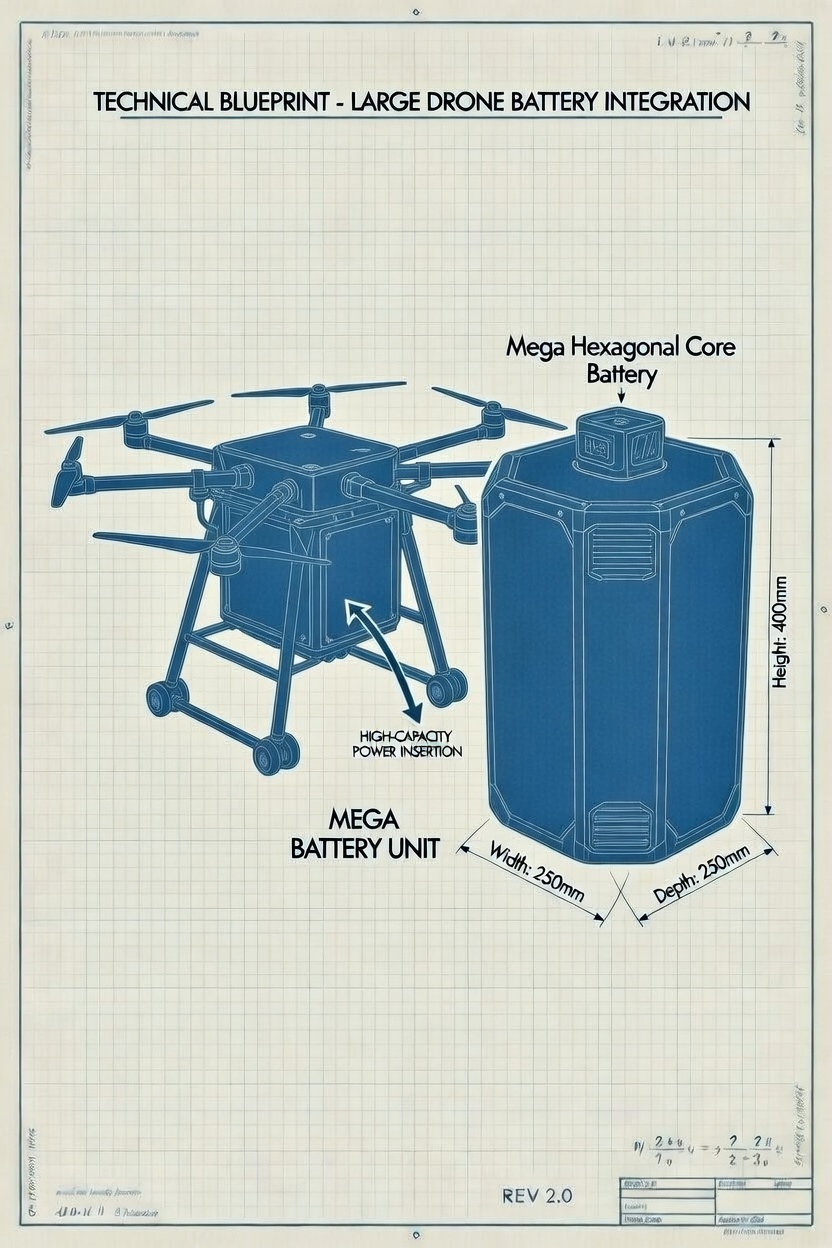
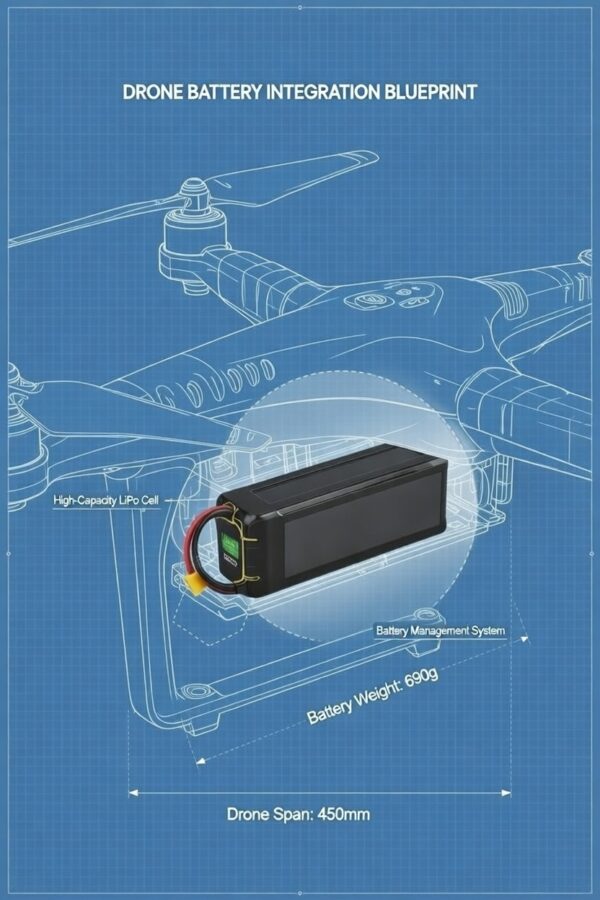
- Weight and Dimensions: Verify the battery’s weight doesn’t exceed your drone’s payload capacity, and dimensions fit your drone’s battery compartment.
Pro Tip: If you’re working with a custom drone, request a technical datasheet from the battery supplier that includes a compatibility matrix for your specific model.
Step 2: Assess Safety Certifications and Compliance Standards
Safety isn’t optional—it’s mandatory. In today’s regulatory environment, non-compliant batteries can lead to grounding of your entire fleet. Verify these essential certifications:
- UL 2054: For electrical safety in batteries
- CE Marking: Required for European market entry
- IEC 62133: International safety standard for secondary lithium cells
- UN38.3: For safe air transport of lithium batteries
Industry Insight: According to the FAA’s 2024 Drone Safety Guidelines, 73% of battery-related drone incidents involved units lacking proper safety certifications. Never compromise on this step.
Step 3: Evaluate Customization Potential for Your Specific Application
The most successful drone operations leverage batteries tailored to their unique needs. Ask your supplier:
- Can they customize capacity for extended flight times without compromising weight?
- Do they offer waterproofing or temperature resistance for your operating environment?
- Can they provide modular battery solutions for quick swaps during extended missions?
Real-World Example: A leading agricultural drone manufacturer partnered with CNS Battery to develop a custom 5000mAh battery with enhanced low-temperature performance (operating down to -20°C), enabling farmers to conduct crop monitoring in early spring when temperatures are still cold. This solution increased their operational window by 30 days annually.
Step 4: Check Supplier’s Technical Support and After-Sales Service
Your battery supplier should be a partner, not just a vendor. Evaluate:
- Response Time: Do they offer 24/7 technical support for urgent issues?
- Warranty Coverage: What’s the warranty period, and does it cover performance degradation?
- Replacement Policy: How quickly can they replace defective units?
- Local Support: Do they have regional offices or partners for faster resolution?
Expert Opinion: “When selecting a drone battery, the supplier’s technical support is as important as the battery itself,” notes Dr. Elena Rodriguez, Chief Battery Engineer at Aerial Systems Research Institute. “In our analysis, companies with dedicated technical support experienced 60% fewer operational disruptions.”
Industry Insights: What Experts Say About Late-Stage Battery Decisions
The drone battery industry is evolving rapidly, with innovations like solid-state batteries and modular designs reshaping the landscape. According to a 2024 report by the International Association of Drone Technology (IADT), the most successful drone operators prioritize battery selection early in the planning cycle. “Delaying battery decisions is like choosing a car engine after you’ve already designed the chassis,” explains Mark Chen, a senior battery engineer with 15 years of experience. “You’re setting yourself up for failure.”
The same report highlights that companies using custom drone battery solutions from specialized manufacturers like CNS Battery see an average 25% improvement in operational efficiency compared to those using off-the-shelf options. This is particularly true for applications requiring specific performance characteristics, such as agricultural monitoring where battery endurance directly impacts data collection quality.
Conclusion and Next Steps: Avoiding the Last-Minute Rush
The reality is clear: delaying your drone battery decision isn’t just risky—it’s a strategic error that can derail your entire operation. By following this late decision-making checklist, you’ll mitigate risks, ensure compatibility, and maintain operational continuity. Remember, the best drone battery solutions aren’t one-size-fits-all; they’re engineered for your specific application, environment, and operational needs.
Don’t let last-minute battery decisions compromise your drone operations. Whether you’re in industrial inspection, logistics delivery, or agricultural monitoring, the right battery solution can extend your range, improve safety, and unlock new possibilities for your business.
Ready to transform your drone battery strategy? Get a customized drone battery solution tailored to your exact requirements. CNS Battery’s team of experts will work with you to design a battery that meets your technical specifications, safety standards, and operational goals—without the last-minute rush.
👉 Get Your Custom Quote Now: Contact CNS Battery Today
Our dedicated consultants will respond within 2 business days to discuss your specific needs and provide a customized solution that ensures your drone operations fly smoothly, safely, and efficiently. Don’t wait until the last minute—start your journey to reliable drone battery performance today.
P.S. Explore our Technology Center for more insights on drone battery innovation, including our latest research on “The Impact of Rapid Prototyping on Modular Drone Battery Discharge Rates for Offshore Wind Farm Maintenance Drones” and “How to Ensure Surveying Drone Battery Bulk Buy Meets International Innovation Standards.”