Step-by-Step Guide to Nissan Leaf Battery Replacement: 2026 Expert Walkthrough
Are you a Nissan Leaf owner facing battery degradation, wondering how to safely and effectively replace your battery without overpaying for dealer services? Whether you drive a ZE0 (2011-2017) passive-cooled model or a ZE1 (2018-2022) liquid-cooled variant, Nissan Leaf battery replacement requires precision, safety protocols, and generation-specific steps. Many owners are intimidated by the process, either settling for overpriced OEM replacements or risking damage with improper DIY attempts. As CNS BATTERY experts, we’ve crafted a detailed step-by-step guide, blending 2026’s best practices with model-specific insights to help you navigate the replacement process—whether you choose professional installation or want to understand the workflow. This guide ensures your battery replacement is seamless, safe, and optimized for performance.
Pre-Replacement Preparation: Critical Steps Before Starting
Proper preparation is key to a successful Nissan Leaf battery replacement, minimizing risks and ensuring compatibility. Skip these steps, and you may face fitment issues or safety hazards.
First, confirm your Leaf’s generation and battery specs: ZE0 models use 24kWh passive-cooled packs, while ZE1 models have 40kWh/62kWh liquid-cooled batteries. This dictates tools, parts, and process nuances. Second, gather essential safety gear: Class 00 insulated gloves (1,000V+ rating), non-conductive tools, eye protection, and a fire extinguisher (Class D for lithium-ion). Third, secure a compatible replacement battery—opt for generation-specific packs (like CNS BATTERY’s sodium-ion options) with pre-calibrated BMS. Finally, disconnect the 12V battery and let the high-voltage system discharge for 15 minutes (per Nissan’s safety guidelines) to eliminate residual voltage risks.
Step-by-Step Nissan Leaf Battery Replacement Process
Below is a detailed, generation-agnostic walkthrough, with callouts for ZE0/ZE1 differences. Always follow manufacturer guidelines and prioritize safety—professional installation is recommended for most owners.
Step 1: Vehicle Preparation & High-Voltage Disconnection
Park your Leaf on a level surface, engage the parking brake, and turn off all electrical systems. For ZE1 models, drain the liquid cooling system (use Nissan-approved coolant) and disconnect cooling lines from the battery pack (label lines for reinstallation). Locate the high-voltage service plug (under the rear seat for ZE0, in the battery compartment for ZE1), remove the cover, and disconnect the plug. Wait 15 minutes to discharge capacitors—this is non-negotiable for safety.
Step 2: Remove Exterior & Interior Components
For ZE0 models: Remove the rear cargo area floor mats, trim panels, and battery access cover (secured by 10mm bolts). For ZE1 models: Remove the underbody shields (6mm screws) and disconnect the cooling system connectors. In both generations, disconnect the BMS wiring harness (label connectors to avoid misalignment) and any grounding cables attached to the battery pack.
Step 3: Extract the Old Battery Pack
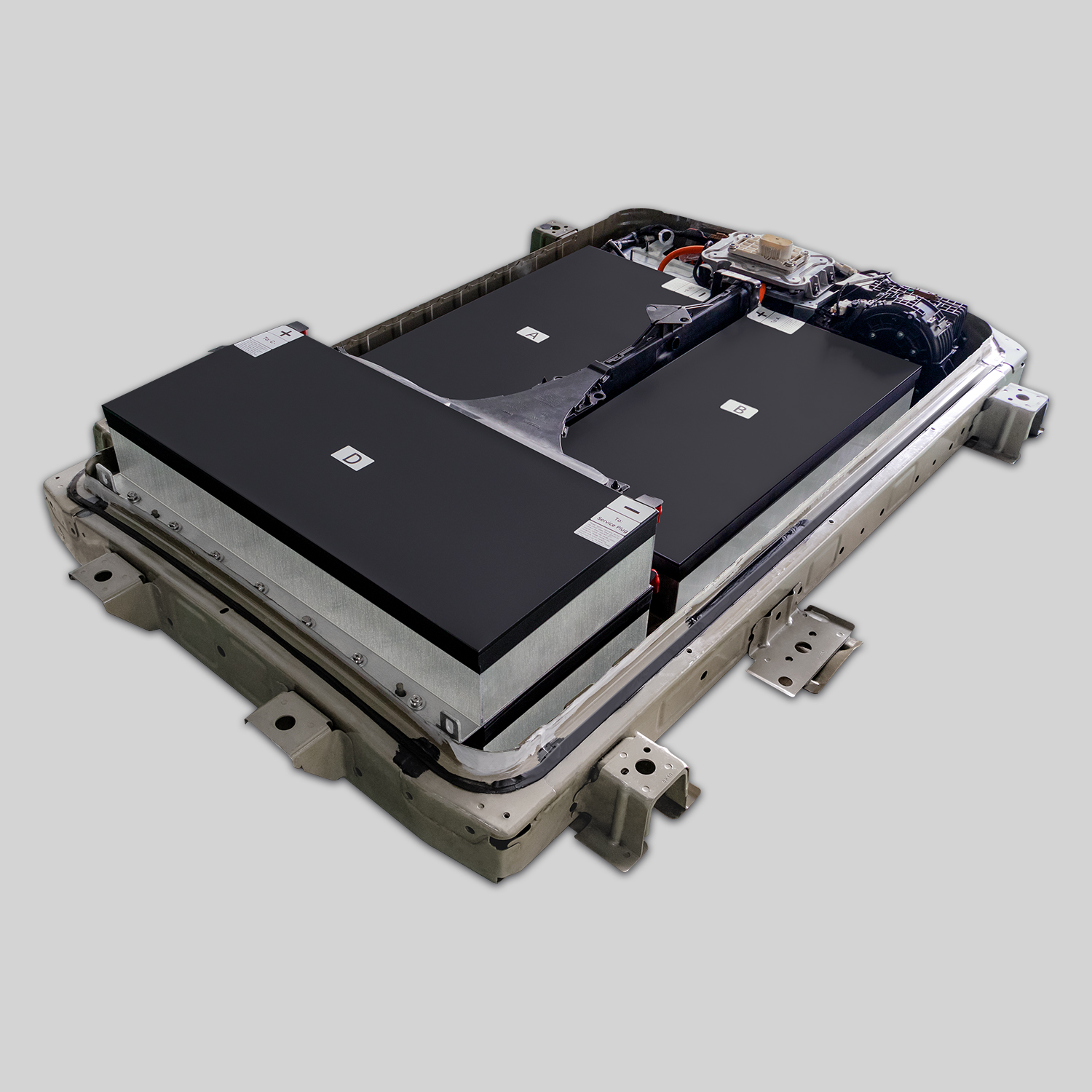
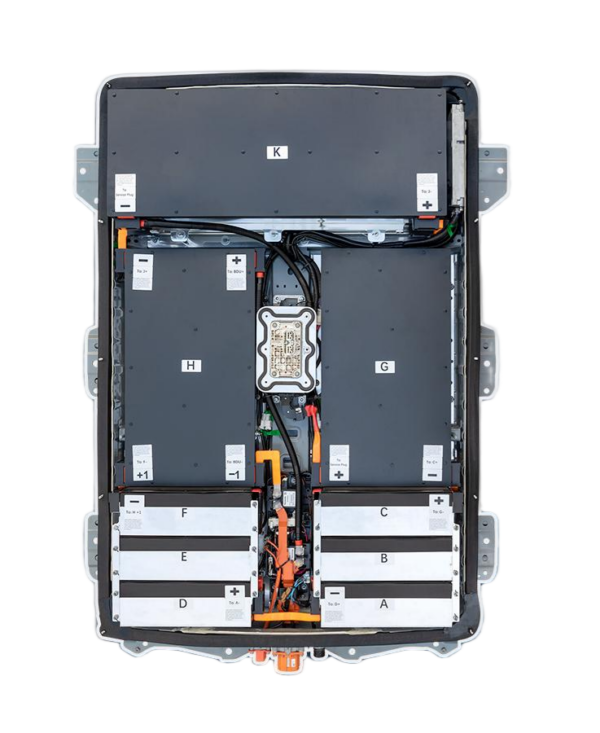
The Leaf’s battery pack weighs 400-500 lbs, so use a rated battery trolley or lift (never manually lift). For ZE0 models: Remove the 16 mounting bolts (14mm) securing the pack to the chassis. For ZE1 models: Remove 20 mounting bolts and carefully detach the cooling line brackets. Slowly lower the old pack onto the trolley, ensuring no wiring or lines are snagged. Inspect the battery compartment for corrosion or damage—clean if necessary.
Step 4: Prepare the New Battery Pack
Unbox the replacement battery and inspect for defects (dents, loose connections). For ZE0 models, install the mandatory mounting kit (2011-2012 variants only) and ensure passive cooling ducts are aligned. For ZE1 models, pre-fill the cooling loop in the new pack with Nissan-approved coolant and bleed air from the system. Attach the pre-calibrated BMS connector to the new pack—CNS BATTERY’s options come pre-synced for Leaf models, eliminating reflashing needs.
Step 5: Install the New Battery Pack
Use the trolley to lift the new pack into position, aligning with the chassis mounting points. Tighten the mounting bolts to factory torque specs (45 N·m for ZE0, 55 N·m for ZE1) in a crisscross pattern. Reconnect the BMS wiring harness and grounding cables—ensure connectors are fully seated. For ZE1 models, reattach cooling lines (use new gaskets) and refill the cooling system with coolant, bleeding air to prevent overheating.
Step 6: Reconnect High-Voltage System & Test
Reinstall the high-voltage service plug and secure the cover. Reconnect the 12V battery and turn on the vehicle. For ZE1 models, run the cooling system to verify no leaks and proper temperature regulation. Perform a BMS calibration (professional tools required) to sync the new battery with the Leaf’s ECU—this ensures accurate range readouts and charging parameters.
Step 7: Post-Installation Validation
Conduct a full charging cycle (Level 2 for 8 hours, followed by a CHAdeMO fast charge test). Check for error codes using a diagnostic scanner—resolve any issues before regular use. Take a 15-minute test drive to monitor battery temperature, charging performance, and range accuracy. For ZE0 models, verify passive cooling airflow; for ZE1, confirm coolant levels and temperature stability.
ZE0 vs. ZE1: Key Replacement Differences
Understanding generation-specific nuances prevents mistakes during Nissan Leaf battery replacement. Here’s how the process differs between models:
ZE0 (2011-2017): No liquid cooling, so skip coolant steps. Requires mounting kit for 2011-2012 variants. Battery access is via the rear cargo area. Passive cooling ducts must be aligned to avoid overheating.
ZE1 (2018-2022): Liquid cooling system adds 30-45 minutes to the process. Battery access is via underbody removal. Coolant bleeding is critical—improper handling leads to battery damage. BMS reflashing is mandatory for non-pre-calibrated packs.
Benefits of Professional Nissan Leaf Battery Replacement
While this guide outlines the process, professional installation offers unmatched safety, precision, and peace of mind—here’s why it’s worth the investment.
Safety & Risk Mitigation
Certified technicians (like CNS BATTERY’s team) are trained in high-voltage system handling, eliminating shock or fire risks. They use specialized tools and follow ISO 6469-3 safety standards, ensuring compliance with 2026 regulations.
Generation-Specific Expertise
Professionals understand ZE0/ZE1 nuances, from 2011-2012 mounting kits to ZE1 cooling system calibration. This avoids fitment issues and ensures the new battery integrates seamlessly with your Leaf’s systems.
Warranty & Performance Assurance
Professional replacement from CNS BATTERY includes a 3-year/50,000-mile warranty, covering capacity fade and defects. We also perform post-installation testing to optimize battery performance, ensuring maximum lifespan and range.
Frequently Asked Questions (FAQ) About Leaf Battery Replacement
Can I replace my Nissan Leaf battery myself?
It’s not recommended for most owners. High-voltage components, cooling system handling (ZE1), and torque requirements demand expertise. DIY attempts risk injury, battery damage, or voided warranties. Opt for professional installation for safety and reliability.
How long does Nissan Leaf battery replacement take?
Professional replacement takes 2-4 hours: ZE0 models (2-3 hours) due to simpler passive cooling, and ZE1 models (3-4 hours) to handle the liquid cooling system. DIY attempts may take 6+ hours for first-timers.
No. The Federal Magnuson-Moss Warranty Act protects non-battery components (motor, controller). CNS BATTERY’s professional replacement includes service records to support warranty claims, preserving coverage for your Leaf’s core systems.
What’s the lifespan of a replaced Leaf battery?
CNS BATTERY’s sodium-ion replacements last 6-8 years (1,800+ charge cycles), while LFP options last 8-10 years. This outperforms OEM batteries (3-5 years) and generic alternatives, maximizing your investment.
Trust CNS BATTERY for Your Nissan Leaf Battery Replacement
Nissan Leaf battery replacement is a critical investment in your EV’s lifespan and performance—don’t leave it to chance. Our team of certified technicians specializes in generation-specific replacement, using 2026’s advanced battery tech and safety protocols. Whether you need a sodium-ion replacement or want expert guidance, we ensure a seamless process. 立即访问https://cnsbattery.com/nissan-leaf-battery/,获取独家折扣并咨询专家升级方案! Let us help you revitalize your Leaf with a safe, reliable battery replacement.