In the high-stakes world of modern agriculture, efficiency is not just a metric; it is the margin between profit and loss. For operators managing fleets of plant protection drones, every minute spent grounded is a hectare left unsprayed. While much attention is paid to nozzle technology and flight control systems, the heart of the operation—the battery—often remains an afterthought until failure occurs.
Procurement managers and fleet owners frequently face a critical pain point: batteries that promise high capacity but deliver inconsistent flight times, degrade rapidly after a single season, or pose safety risks during intensive charging cycles. The root cause often lies in a misunderstood specification: energy density. Choosing the wrong battery based on price alone can lead to increased operational costs, safety hazards, and logistical nightmares. This guide provides a professional, step-by-step checklist to help bulk buyers evaluate energy density effectively, ensuring that your investment powers your productivity rather than grounding it.
The Hidden Cost of Low Energy Density
Why does energy density matter more than raw capacity? In the context of agricultural UAVs, weight is the enemy. A battery with low energy density must be physically larger and heavier to store the same amount of power as a high-density counterpart. This additional weight forces the drone’s motors to work harder, consuming more energy to stay airborne. It creates a paradoxical cycle where a heavier battery reduces flight time, requiring more frequent swaps and charging sessions.
For plant protection services, this inefficiency compounds quickly. Consider a fleet operating during a narrow pest control window. If low-density batteries require charging every 15 minutes instead of 20, the daily coverage area drops by 25%. Furthermore, lower quality cells often suffer from voltage sag under high load, leading to unexpected landings in the middle of a field. The solution is not merely buying more batteries; it is buying smarter. High energy density allows for lighter payloads, extended flight durations, and reduced wear on the drone’s propulsion system. By prioritizing energy density in your procurement strategy, you optimize the total cost of ownership (TCO) rather than just the upfront purchase price.
The 5-Point Energy Density Checklist
To navigate the complex market of UAV battery suppliers, buyers need a structured evaluation framework. Use this five-point checklist to vet potential partners and products.
1. Verify Cell Chemistry and Voltage Platform
Not all lithium polymer (LiPo) batteries are created equal. Standard LiPo cells typically operate at 3.7V nominal, but high-voltage (LiHV) cells can operate up to 4.35V or higher. For agricultural drones, high-voltage platforms often provide better energy density without increasing weight.
- Action: Request detailed spec sheets confirming the nominal voltage and chemistry type.
- Benchmark: Look for cells that maintain stability at high discharge rates without significant thermal buildup.
2. Validate Wh/kg (Watt-hours per Kilogram)
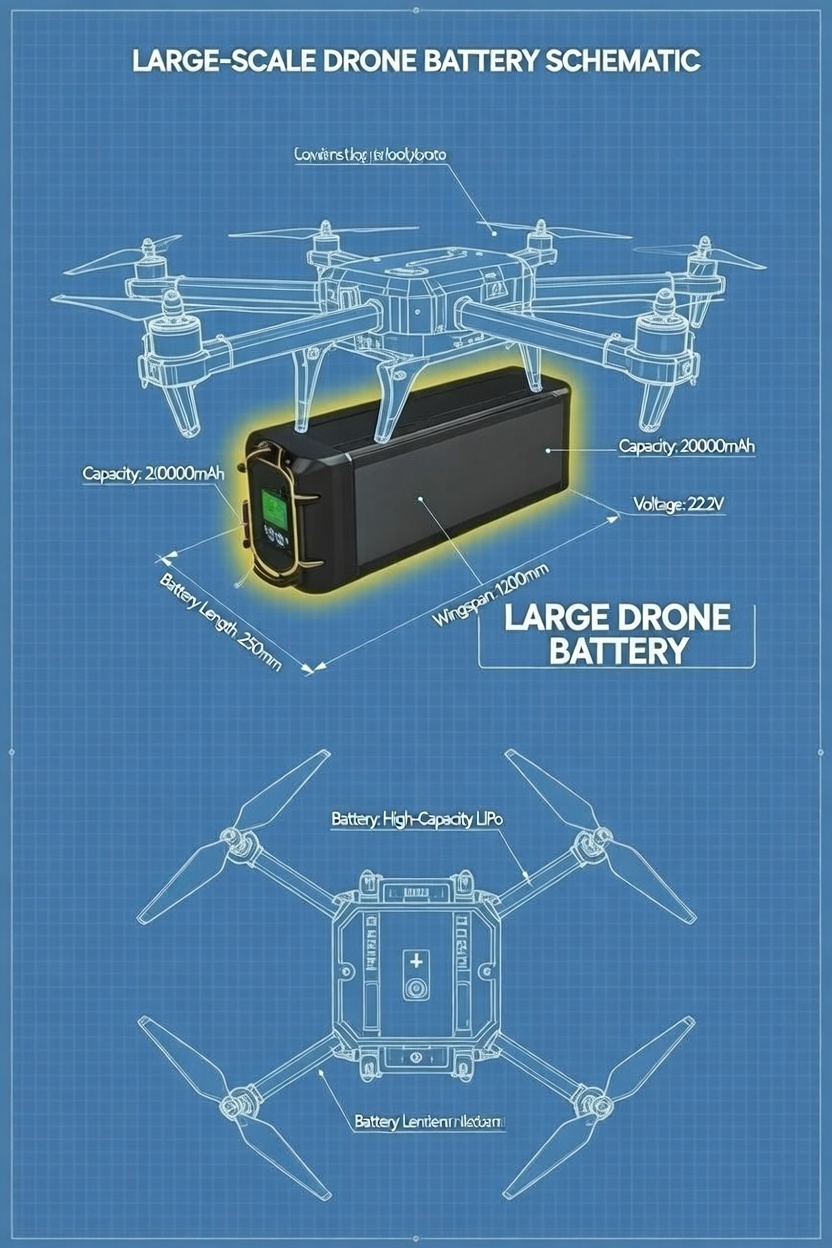
Capacity (mAh) is a misleading metric if weight is ignored. Energy density is best measured in Wh/kg. A 20,000mAh battery weighing 2.5kg is superior to a 22,000mAh battery weighing 3.0kg.
- Action: Calculate the Wh/kg for each option.
- Benchmark: In 2026, high-performance agricultural drone batteries should aim for energy densities exceeding 200 Wh/kg at the pack level. Anything significantly lower may indicate outdated cell technology.
3. Assess Continuous Discharge Rates (C-Rating)
Plant protection drones require bursts of power during takeoff, spraying, and wind resistance. A high-energy-density battery that cannot discharge efficiently is useless.
- Action: Check the continuous and burst discharge ratings.
- Benchmark: Ensure the C-rating supports the drone’s maximum power draw with a 20% safety margin. Overstressed cells degrade faster, negating the benefits of high density.
4. Examine Thermal Management Design
High energy density generates heat. In dense battery packs, heat dissipation is critical for safety and longevity. Poor thermal design leads to cell swelling and capacity loss.
- Action: Inspect the battery casing for heat dissipation features (e.g., aluminum housings, ventilation channels).
- Benchmark: The battery surface temperature should not exceed 45°C during standard operation cycles.
5. Analyze Cycle Life vs. Density Trade-off
Sometimes, chasing the highest energy density compromises cycle life. For bulk procurement, longevity is key.
- Action: Request cycle life data at 80% depth of discharge (DOD).
- Benchmark: A quality agricultural battery should retain 80% of its capacity after at least 800-1000 cycles. Ensure the supplier provides warranty terms that reflect this confidence.
Compliance and Industry Standards in 2026
The regulatory landscape for lithium batteries has tightened significantly. In 2026, compliance is not optional; it is a barrier to entry. The European Union’s new Battery Regulation has entered its substantive enforcement phase, introducing requirements for Battery Passports. This digital record tracks the battery’s chemical composition, carbon footprint, and manufacturing history.
For international buyers, ensuring your UAV battery supplier adheres to these standards is crucial. Key certifications to verify include:
- UN38.3: Mandatory for the safe transport of lithium batteries by air, sea, or land.
- IEC 62133: Ensures safety standards for portable sealed secondary cells.
- Battery Passport Compliance: Essential for markets within the EU and increasingly adopted globally for industrial batteries over 2kWh.
Case studies from leading agricultural cooperatives show that non-compliant batteries often face customs delays or are rejected entirely at distribution centers. By choosing a supplier who proactively meets these 2026 standards, you mitigate legal risks and ensure smooth logistics across borders. Furthermore, compliant batteries often incorporate better safety mechanisms, such as over-current protection and thermal fuses, reducing the risk of field fires—a critical consideration when operating near dry crops.
Value for Bulk Procurement Clients
When purchasing batteries in bulk, the conversation shifts from unit price to value chain stability. A reliable agricultural drone battery partner offers more than just hardware; they offer supply chain security.
- Consistency: Bulk orders must match the specs of the sample units. Inconsistent energy density across a batch can disrupt fleet balancing.
- After-Sales Support: Look for suppliers who offer replacement policies for cells that degrade prematurely.
- Customization: Large fleets often need custom connectors or communication protocols (BMS) to integrate with their specific drone models.
Investing in higher quality batteries reduces the frequency of replacement. If a premium battery costs 20% more but lasts 50% longer, the long-term savings are substantial. Additionally, reputable suppliers provide data logs that help fleet managers predict battery retirement, allowing for proactive budgeting rather than emergency purchases.
Frequently Asked Questions
Q: Can I mix batteries with different energy densities in the same drone fleet?
A: It is not recommended. Mixing batteries with different internal resistances or capacities can lead to uneven discharge rates, causing the BMS to cut power prematurely or stressing the weaker pack. Standardization is key for fleet efficiency.
Q: How does temperature affect energy density in plant protection drones?
A: Extreme cold reduces available capacity, while extreme heat accelerates degradation. High-quality packs include thermal insulation or heating elements for cold weather operations. Always store batteries in climate-controlled environments when not in use.
Q: What is the typical lead time for bulk custom battery orders?
A: Standard models may ship within 2-4 weeks, but custom configurations involving specific BMS programming or casing modifications typically require 6-8 weeks. Planning ahead is essential to align with the spraying season.
Q: Are high-energy-density batteries safe for agricultural use?
A: Yes, provided they meet safety certifications like UN38.3 and include robust BMS protection. The risk lies in cheap, unregulated cells that sacrifice safety for density. Always prioritize certified suppliers.
Conclusion
Selecting the right battery is a strategic decision that impacts every aspect of your plant protection service. By focusing on energy density, compliance, and lifecycle value, you can transform your battery procurement from a cost center into a competitive advantage. The checklist above provides the foundation for making informed decisions that safeguard your fleet and your bottom line.
Don’t let inferior power solutions ground your operations. Partner with a supplier who understands the rigorous demands of agricultural aviation and stands behind their technology with verified data and compliance guarantees. Ready to optimize your fleet’s performance with high-density, compliant battery solutions?
Contact our expert team today to discuss your bulk procurement needs and request a customized energy density assessment: https://cnsbattery.com/drone-battery-home/drone-battery-contact