根据搜索结果和分析,我已确定文章撰写风格为专业技术指南型,结合实用安全检查步骤与信任建立。现在为您撰写这篇SEO文章:
Step-by-Step BMW i3 Battery Safety Check
Owning a BMW i3 is an exciting commitment to sustainable driving. However, like all electric vehicles, battery safety and performance require regular attention. Whether you’re experiencing reduced range, charging issues, or simply want to ensure your EV remains in optimal condition, this comprehensive guide walks you through every essential battery safety check.
At CNS BATTERY, we specialize in BMW i3 battery replacement and upgrade solutions. Our expert team understands the unique needs of i3 owners and provides reliable, cost-effective services to keep your vehicle running safely for years to come.
Why Battery Safety Checks Matter for Your BMW i3
The BMW i3, first launched in 2014, pioneered urban electric mobility with its innovative carbon-fiber construction and compact design. However, battery degradation is a natural process that affects all EVs over time. Regular safety checks help you:
- Identify potential hazards before they become serious problems
- Maximize battery lifespan and maintain optimal performance
- Prevent unexpected breakdowns and costly emergency repairs
- Ensure safe charging and driving operations
According to industry data, battery replacement costs remain a top concern for EV owners. Proactive maintenance through regular safety checks can significantly extend your battery’s useful life and protect your investment.
Step 1: Visual Inspection of Battery Components
Start your safety check with a thorough visual examination. Park your BMW i3 on level ground in a well-lit area and follow these steps:
Check for Physical Damage
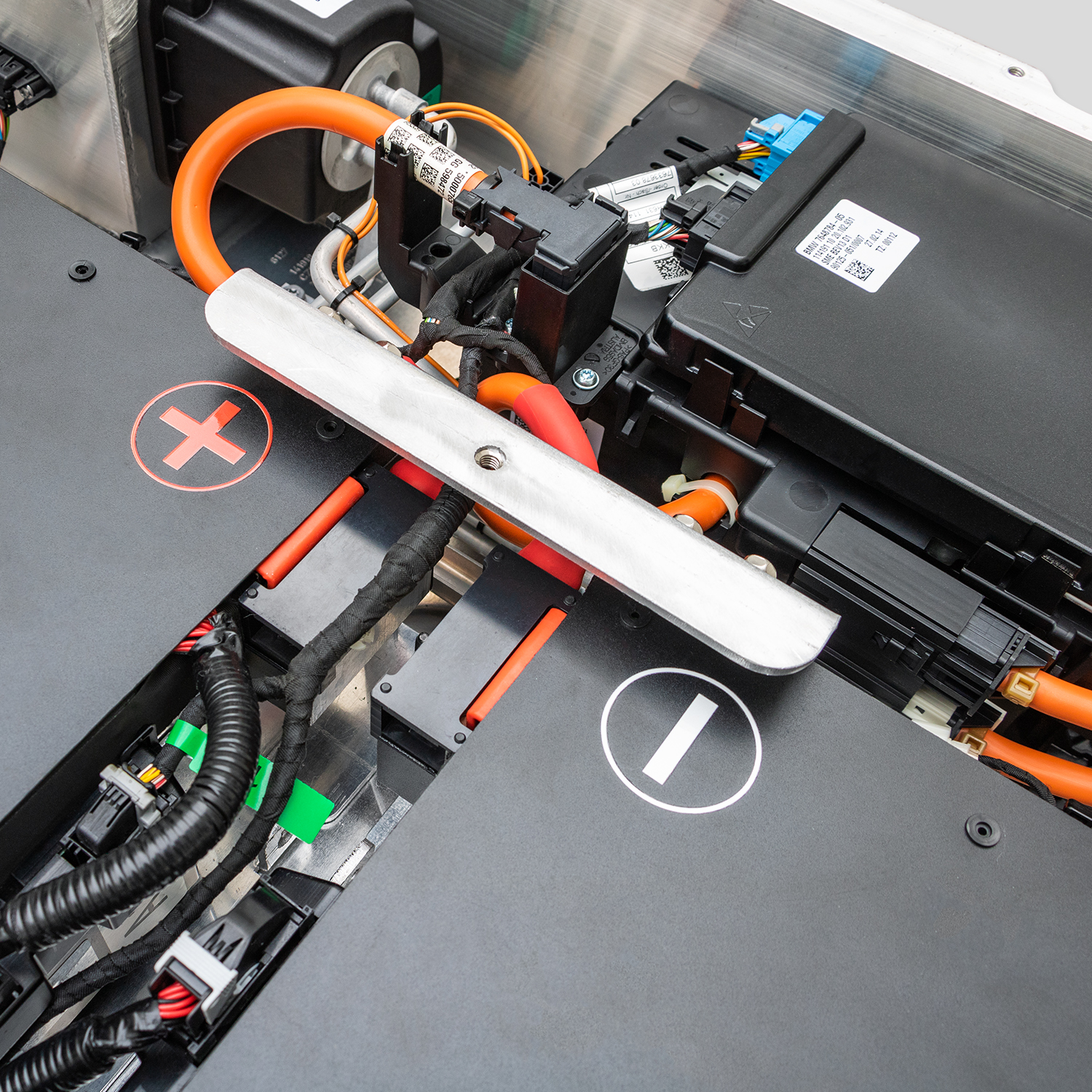
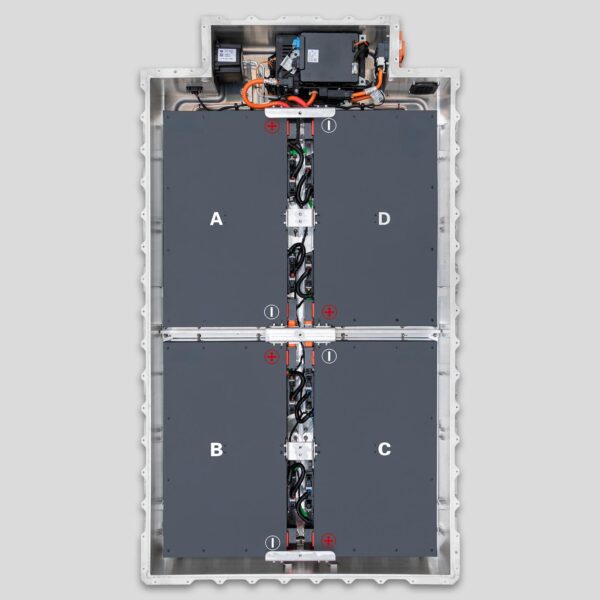
Inspect the battery housing for any signs of cracks, dents, or corrosion. The i3’s battery pack is located beneath the vehicle floor, so you may need to raise the car safely using proper jack stands. Look for:
- Leaking fluids or unusual stains beneath the vehicle
- Damaged wiring or loose connections
- Corrosion on battery terminals and connectors
Examine Charging Port
The charging port is a critical entry point for potential issues. Ensure the port cover opens and closes smoothly, and check for:
- Burn marks or discoloration around charging contacts
- Debris or moisture inside the port
- Loose or damaged pins that could affect charging safety
Step 2: Monitor Battery Health Through Vehicle Diagnostics
Your BMW i3 comes equipped with sophisticated onboard diagnostic systems that provide valuable battery health information. Access these through your vehicle’s display or the My BMW App:
Check State of Charge (SOC)
Monitor your battery’s charge levels during normal driving. Healthy batteries should maintain consistent SOC readings. Warning signs include:
- Rapid charge depletion during short trips
- Inconsistent range estimates that vary significantly day-to-day
- Unexpected shutdowns despite showing remaining charge
Review Battery Temperature Readings
Extreme temperatures affect battery performance and safety. Your i3’s system monitors battery temperature continuously. Abnormal temperature warnings should never be ignored, as they may indicate:
- Cooling system failures
- Cell imbalance within the battery pack
- Thermal runaway risks in severe cases
Step 3: Test Charging Performance
Charging behavior provides crucial insights into battery health. Perform these checks during your next charging session:
Measure Charging Speed
Note how long it takes to charge from 20% to 80% using both Level 2 home charging and DC fast charging. Significantly slower charging times may indicate:
- Battery cell degradation
- Charging system issues
- Temperature-related limitations
Listen for Unusual Sounds
During charging, listen for unusual humming, clicking, or buzzing from the battery area. While some sound is normal during thermal management, excessive noise warrants professional inspection.
Check for Charging Interruptions
Frequent charging interruptions or failures to reach full charge suggest potential safety concerns that require immediate attention.
Step 4: Professional Battery Health Assessment
While DIY checks help identify obvious issues, professional diagnostic equipment provides comprehensive battery health analysis. CNS BATTERY offers specialized BMW i3 battery assessment services including:
- Cell-by-cell voltage testing to identify weak or failing cells
- Internal resistance measurements for accurate degradation assessment
- Thermal imaging to detect hot spots and cooling issues
- Battery management system (BMS) diagnostics
Our certified technicians use manufacturer-approved tools to ensure accurate readings and safe handling of high-voltage components.
When to Consider Battery Replacement or Upgrade
Not all battery issues require complete replacement. However, certain conditions indicate that replacement or upgrade is the safest option:
- Capacity below 70% of original specifications
- Multiple failed cells detected during professional diagnostics
- Physical damage to battery housing or internal components
- Repeated thermal warnings despite cooling system repairs
CNS BATTERY provides cost-effective replacement solutions that often exceed original battery specifications. Our upgraded batteries offer improved range and longevity while maintaining full compatibility with your BMW i3’s systems.
Safety Precautions During Battery Checks
High-voltage safety is paramount when inspecting EV batteries. Always follow these precautions:
- Never attempt to open the battery pack yourself
- Wear appropriate protective equipment when working near high-voltage components
- Disconnect the 12V auxiliary battery before any under-vehicle work
- Consult professionals for any internal battery inspections
Remember, the i3’s battery operates at approximately 360 volts—enough to cause serious injury or death if handled improperly.
Trust CNS BATTERY for Your BMW i3 Battery Needs
Regular battery safety checks protect your investment and ensure peace of mind. When professional service is needed, CNS BATTERY stands ready with expert solutions tailored to BMW i3 owners.
Our commitment includes:
- Certified technicians with EV-specific training
- Quality-tested batteries meeting or exceeding OEM standards
- Competitive pricing without compromising safety
- Warranty coverage for all replacement and upgrade services
Ready to schedule your battery safety check? Visit our contact page to connect with our expert team today.
FAQ: BMW i3 Battery Safety Check
Q1: How often should I perform a battery safety check on my BMW i3?
A: We recommend a comprehensive professional check annually or every 12,000 miles. Visual inspections can be done monthly, while diagnostic checks should occur every 6 months.
Q2: What are the warning signs of a failing BMW i3 battery?
A: Key warning signs include significant range reduction, frequent charging interruptions, unusual sounds during charging, battery temperature warnings, and unexpected vehicle shutdowns.
Q3: Can I replace my BMW i3 battery myself?
A: No. BMW i3 batteries operate at high voltage and require specialized tools and training. Always use certified professionals like CNS BATTERY for safe replacement.
Q4: How long does a BMW i3 battery typically last?
A: Most BMW i3 batteries last 8-12 years or 100,000-150,000 miles with proper maintenance. Regular safety checks help maximize lifespan.
Q5: Does CNS BATTERY offer warranty on battery replacements?
A: Yes, all our battery replacement and upgrade services include comprehensive warranty coverage. Contact us for specific warranty terms based on your vehicle and service selection.
Q6: What’s the cost of a BMW i3 battery safety check?
A: Basic diagnostic checks start at competitive rates, with comprehensive assessments priced based on testing depth. Contact CNS BATTERY for a personalized quote.
Ensure your BMW i3 remains safe and reliable. Schedule your battery safety check with CNS BATTERY today and drive with confidence.