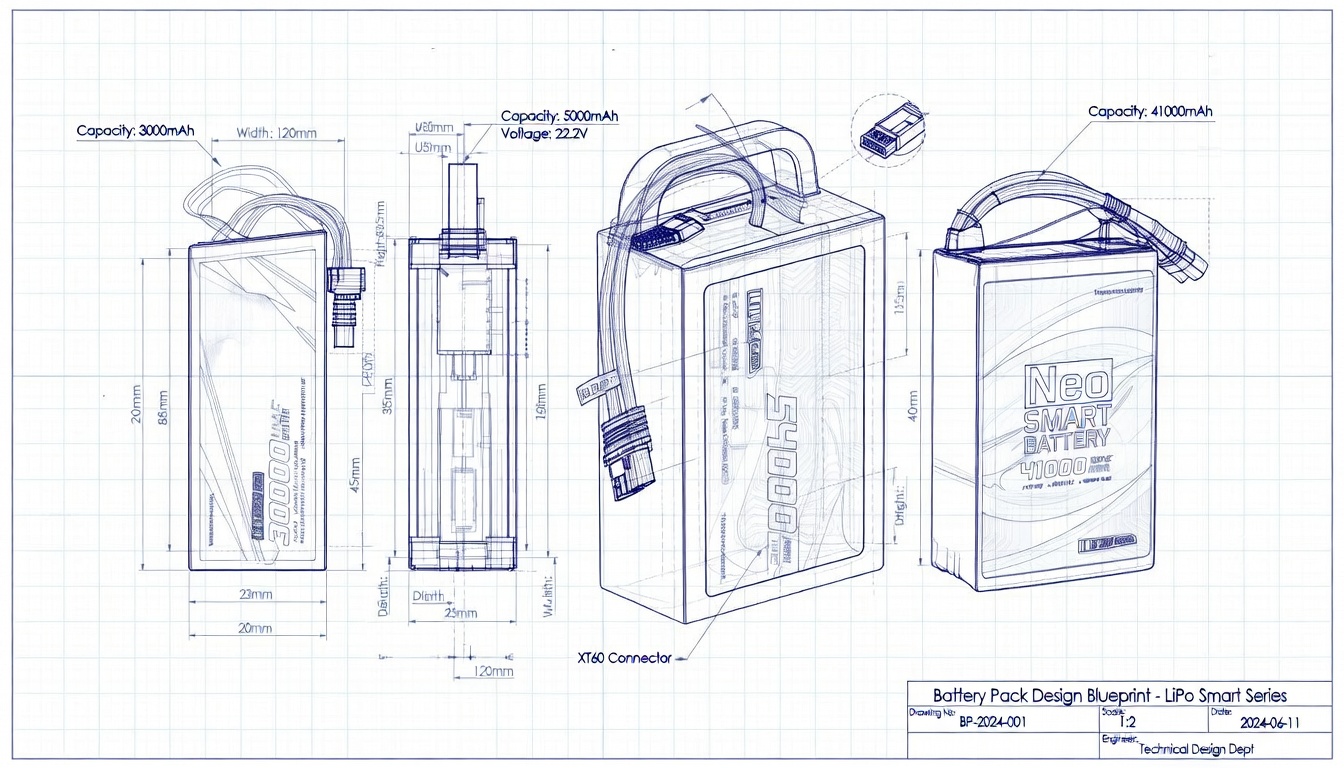
Staying Ahead: UAV Battery ROI Strategies for Evolving Agriculture Spraying Warranty Policy
The sun beats down on endless rows of crops, and your agricultural drone is grounded. Not because the mission is complete, but because the battery—a critical, expensive component—has failed unexpectedly. You scramble to find a replacement, losing precious spraying windows and valuable crop yields. This scenario highlights the brutal reality many agri-tech operators face: a lack of foresight in battery lifecycle management can turn a high-tech solution into a financial liability.
As the agriculture industry shifts toward precision farming, the economics of drone operations are under intense scrutiny. It is not enough to simply buy a battery; you must understand the warranty policies and return on investment (ROI) strategies that protect your assets. A robust warranty is not just a safety net; it is the foundation of a profitable drone fleet.
This article dives deep into the evolving landscape of agricultural drone batteries, focusing on how advanced warranty policies and strategic maintenance can maximize your ROI.
The Hidden Costs of “Cheap” Drone Batteries
Many agricultural drone operators fall into the trap of prioritizing the initial purchase price over the total cost of ownership. A battery that seems inexpensive upfront often carries hidden costs that devastate your ROI.
- Downtime: When a battery fails and lacks a responsive warranty, your drone sits idle. In agriculture, time is money—missed spraying windows due to equipment failure can mean lost crops.
- Replacement Cycles: Low-quality cells degrade rapidly. If a battery loses 20% of its capacity in six months, you are effectively paying double the price per flight hour.
- Safety Risks: Batteries without rigorous quality control (and the warranty backing to prove it) pose fire and explosion risks, leading to catastrophic asset loss.
To combat this, operators must shift their focus from “price per unit” to “value per cycle.”
Decoding the Modern Warranty: Beyond the Paperwork
A warranty policy is a direct reflection of a manufacturer’s confidence in their product. In the evolving agricultural sector, a standard warranty is no longer sufficient. You need a policy that understands the harsh realities of the field.
Key Features of an Industry-Leading Warranty
When evaluating a battery provider, look for these critical warranty components that directly impact your ROI:
- Cycle Life Guarantee: A promise regarding the number of charge-discharge cycles the battery will last before capacity drops below a certain threshold (e.g., 80% capacity after 500 cycles).
- Proactive Support: Warranties that offer remote diagnostics and fast replacement, minimizing operational downtime.
- Comprehensive Coverage: Protection against defects in materials and workmanship, including the Battery Management System (BMS).
Why This Matters for Agriculture: Unlike hobbyist drones, agricultural drones operate in dusty, humid, and high-vibration environments. A warranty that covers these specific stressors ensures that your investment is protected against the unique challenges of farming.
Maximizing ROI: Strategic Maintenance and Usage
A warranty is a last line of defense. To truly maximize your ROI, you need to implement strategies that extend the battery’s life far beyond the standard expectation.
1. The “Cycle” vs. “Calendar” Life Strategy
Understanding the difference between cycle life and calendar life is crucial. A battery might be rated for 500 cycles, but if it sits unused and degrades due to age (calendar life), your ROI plummets.
- Strategy: Implement a battery rotation system. Use multiple batteries in a roster so that no single battery is overworked, and ensure proper storage (partial charge) when the spraying season ends.
2. Temperature Management
High temperatures are the enemy of lithium batteries. Agricultural spraying often occurs during the hottest parts of the day.
- Strategy: Invest in batteries with advanced thermal management systems. These batteries dissipate heat more efficiently, preventing thermal runaway and extending the chemical lifespan of the cells.
3. Smart Charging Protocols
Charging is where most battery degradation occurs. Fast charging is convenient but can reduce longevity.
- Strategy: Utilize “smart charging” technology that adapts the charge rate based on the battery’s health and temperature. Some advanced systems even offer “storage mode” charging to prepare batteries for long-term storage without degradation.
The CNS Advantage: Engineering for Agricultural Longevity
At CNS Drone Battery, we understand that agricultural operators need more than just power; they need reliability and financial predictability. Our approach to battery design and warranty policy is engineered specifically for the demands of modern agriculture.
Unmatched Warranty and Support
We stand behind our products with a commitment to quality. Our warranty policies are designed to minimize your risk. We offer comprehensive coverage and responsive technical support to ensure that if an issue arises, your downtime is measured in hours, not days.
High-Density, Long-Lasting Solutions
We have developed battery solutions specifically for agricultural spraying drones. These are not generic batteries; they are optimized for heavy payloads and long flight times.
| Feature | Benefit for Agriculture |
|---|---|
| High Energy Density | Allows for larger payload capacity, meaning fewer landings to refill the chemical tank. |
| Robust BMS | Protects against over-discharge and short circuits, common risks in the rugged agricultural environment. |
| Wide Temp Operation | Functions reliably in extreme heat and cold, ensuring your operations aren’t halted by weather. |
Real-World Application: A Case Study in Efficiency
Consider a large-scale rice paddy operation in Southeast Asia. By switching to a high-quality, warrantied battery solution, the farm reduced its battery replacement costs by 40% over two years. How?
- Reduced Turnover: Instead of replacing batteries every season, the new batteries lasted for three full spraying seasons.
- Fewer Batteries Needed: Due to the higher capacity and faster charging, they required 20% fewer batteries in their fleet to maintain the same spraying schedule.
- Zero Downtime: The responsive warranty support meant that when a rare fault occurred, a replacement was shipped overnight.
This shift turned the battery from a recurring expense into a fixed, manageable cost.
Actionable Steps for Your Fleet
To stay ahead in the evolving agricultural landscape, you need to act now. Do not wait for your current batteries to fail. Here is what you can do today to secure your ROI:
- Audit Your Current Fleet: Calculate the actual cost per flight hour of your current batteries. Include the purchase price, the number of flights, and the downtime costs.
- Review Your Warranty: Read the fine print. Does it cover the specific conditions of your operation? If not, it is time to look for a partner that offers better protection.
- Upgrade to a Proven Solution: Invest in batteries that are designed for the long haul.
Conclusion: Powering the Future of Farming
The future of agriculture is intelligent, efficient, and data-driven. Your drone batteries are the heart of this operation. By adopting a strategic approach to warranty policies and ROI management, you can transform your drone fleet from a cost center into a powerful tool for maximizing yield and profit.
Do not let outdated or unreliable batteries hold you back. It is time to upgrade to a solution that offers true value.
Ready to optimize your agricultural drone operations? Contact CNS Drone Battery today to learn more about our high-performance batteries and industry-leading warranty support. Visit our Contact Us page to get started.