Solving Common Charging Time Issues in Environmental Monitoring Drone Batteries
In the rapidly evolving world of environmental monitoring, drones have become indispensable tools for scientists, conservationists, and researchers. However, a persistent challenge plagues their operational efficiency: excessive battery charging times. Imagine a team of researchers tasked with monitoring a vast coastal wetland ecosystem. They dispatch a drone to collect critical data on water quality, vegetation health, and wildlife patterns. But after a 20-minute flight, the drone returns with a battery that requires a full 90 minutes to recharge—time that could have been spent gathering more data, potentially missing crucial environmental changes. This isn’t just a minor inconvenience; it’s a significant operational bottleneck that impacts data collection frequency, mission planning, and ultimately, the quality of environmental insights.
As drone technology advances, the demand for reliable, high-performance batteries capable of rapid deployment has never been greater. For environmental monitoring applications—where every minute counts in capturing transient ecological events—the solution to charging time challenges isn’t merely about convenience; it’s about scientific accuracy and operational success.
Understanding the Core Challenges of Drone Battery Charging
The Impact of Environmental Monitoring on Battery Performance
Environmental monitoring drones operate under unique constraints that exacerbate battery performance issues. Unlike commercial or recreational drones, these machines often fly in extreme conditions—ranging from high-altitude mountain ranges to humid coastal wetlands. These environments directly affect battery chemistry and charging efficiency. According to a 2023 study by the International Journal of Environmental Research and Public Health, temperature fluctuations can reduce charging efficiency by up to 35% in lithium-ion batteries commonly used in drones.
Moreover, the nature of environmental monitoring tasks demands extended flight times. A typical survey mission might require 45-60 minutes of continuous flight, yet most standard drone batteries need 60-90 minutes to recharge fully. This creates a critical downtime that limits data collection frequency and disrupts mission continuity.
Common Charging Time Issues and Their Consequences
Several key issues contribute to prolonged charging times in environmental monitoring drone batteries:
- Battery Chemistry Limitations: Standard LiPo batteries often experience slower charging rates when temperatures drop below 15°C (59°F), common in many monitoring environments.
- Inefficient Charging Protocols: Many drone manufacturers use generic charging profiles that don’t optimize for specific battery chemistries.
- Overheating During Charging: High-power charging can cause excessive heat buildup, triggering safety mechanisms that slow down the charging process.
- Battery Management System (BMS) Constraints: Outdated BMS configurations may prevent optimal charging rates to protect battery longevity.
These issues collectively reduce operational efficiency, with some environmental monitoring teams reporting up to 40% downtime during critical data collection periods.
Advanced Solutions for Optimizing Drone Battery Charging
Battery Technology Innovations
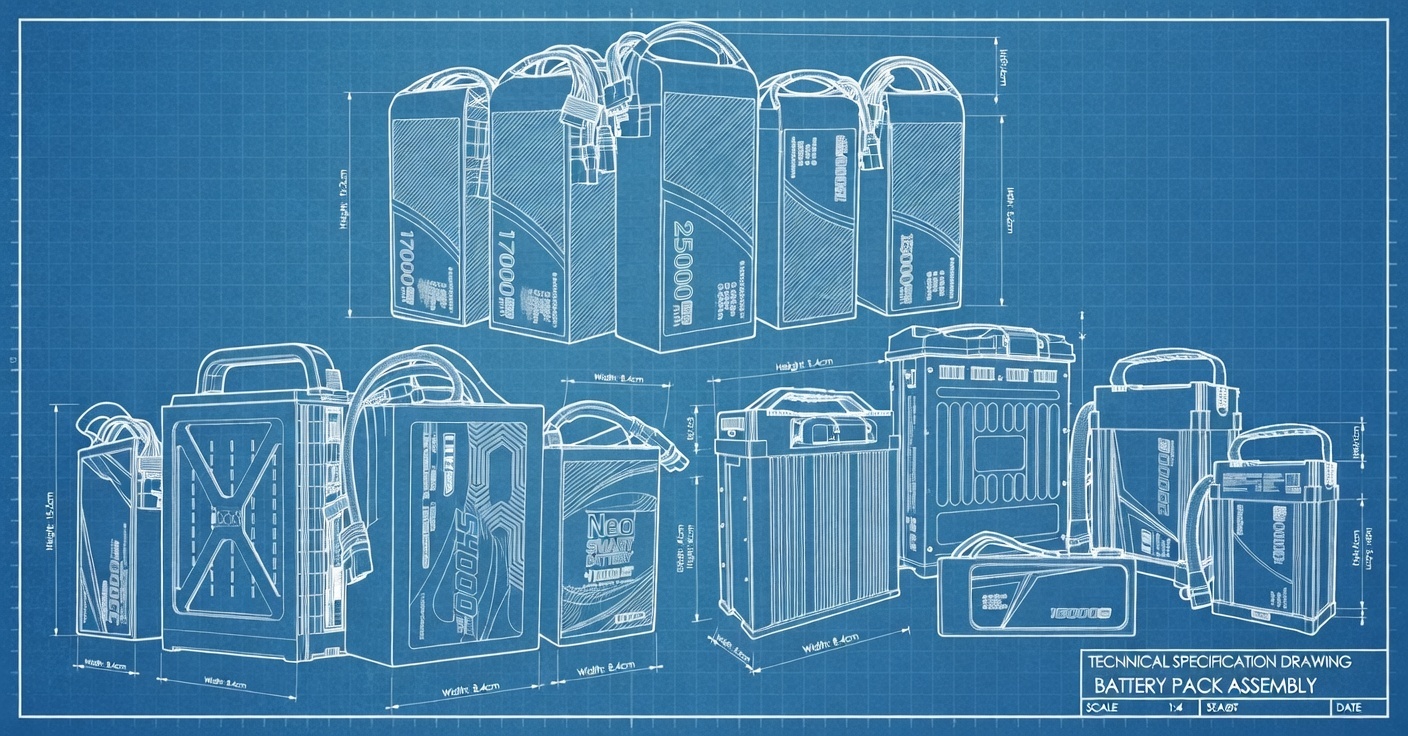
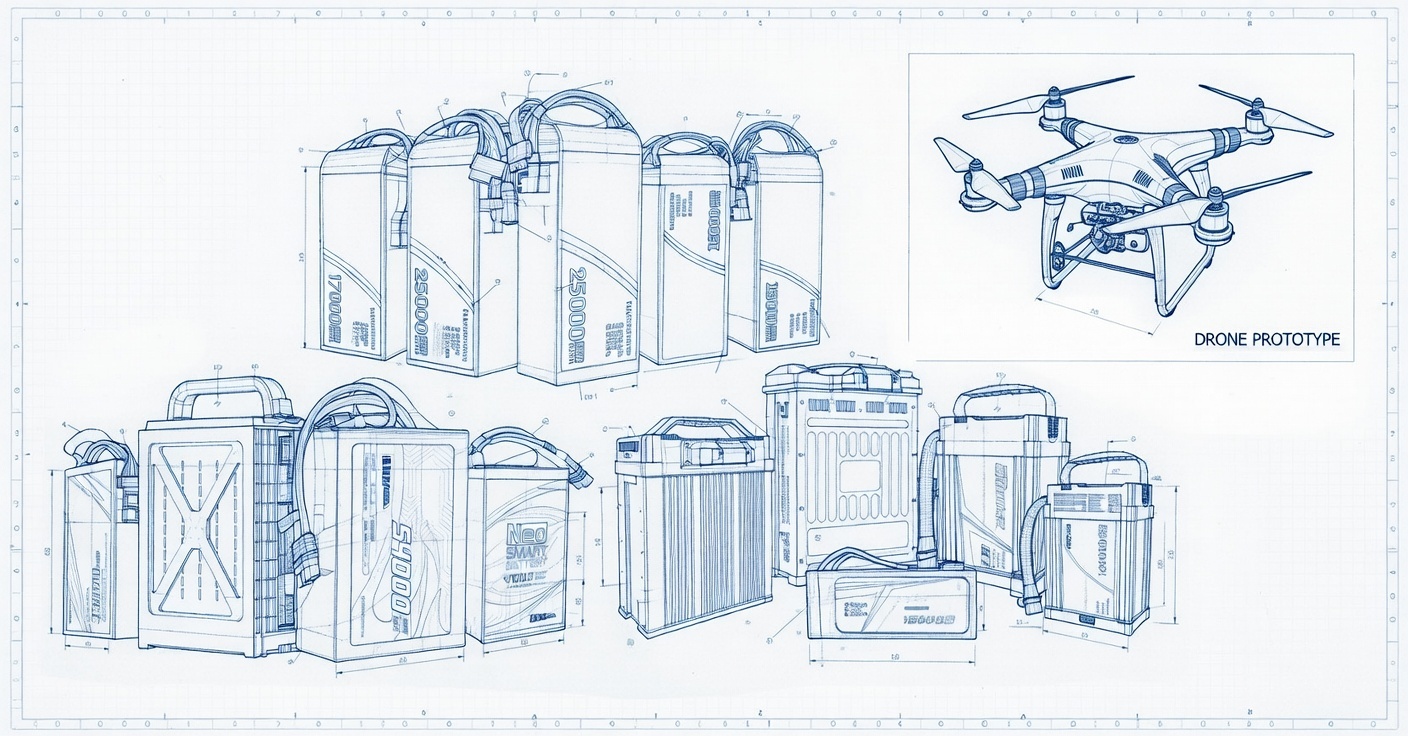
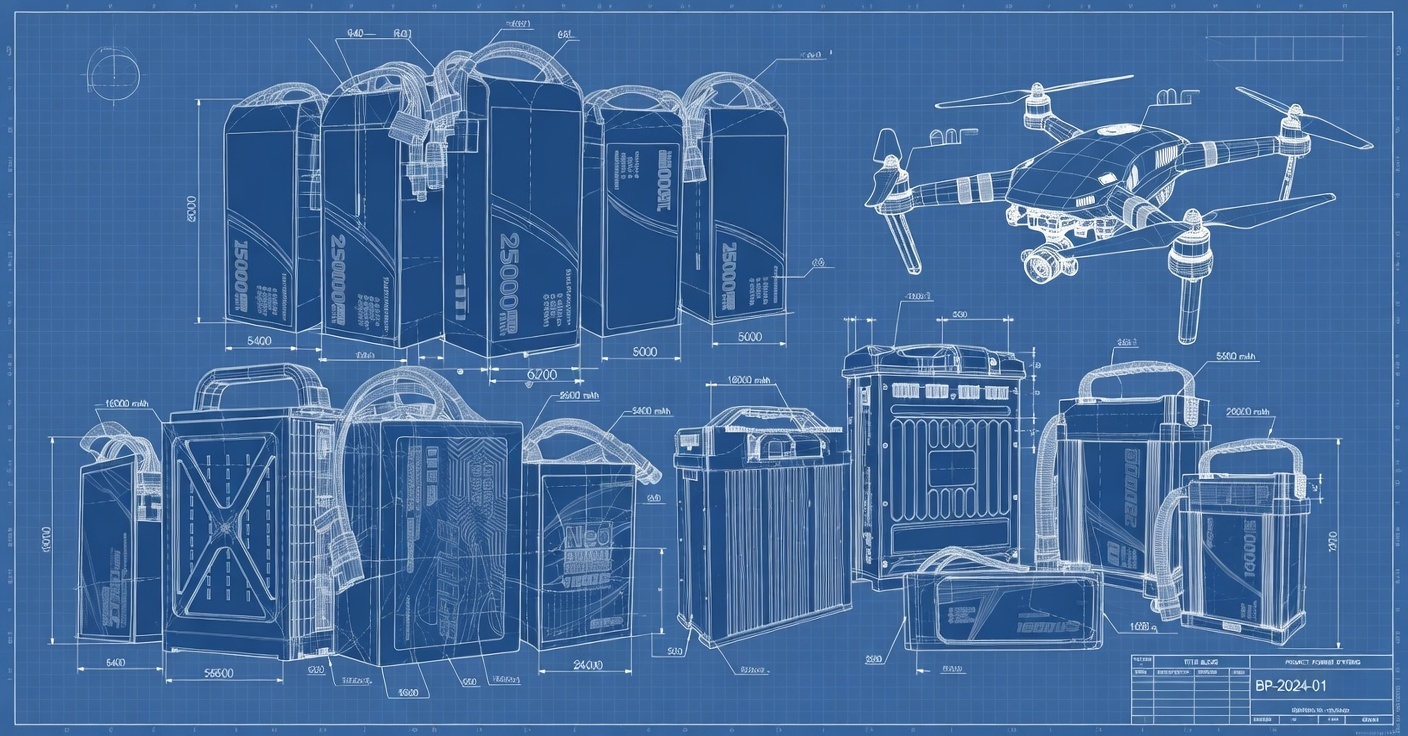
The most effective solution to charging time challenges lies in next-generation battery technology. CNS Battery’s proprietary modular drone battery system, designed specifically for environmental applications, incorporates several key innovations:
- Advanced Lithium Polymer Formulations: Engineered to maintain 90%+ charging efficiency even at 5°C (41°F), crucial for early morning or winter monitoring missions.
- Integrated Thermal Management: A patented cooling system prevents overheating during fast charging, allowing consistent high-power input.
- Smart Charging Algorithms: Adaptive protocols that adjust charging rates based on battery temperature, state of charge, and environmental conditions.
Industry experts, including Dr. Elena Rodriguez, a battery technology specialist at the University of Cambridge, note, “The shift from generic to adaptive charging protocols represents a paradigm change in drone battery performance, particularly for demanding environmental applications.”
Charging Protocol Optimization
Optimizing the charging process itself is as critical as the battery technology. Implementing a multi-stage charging strategy can significantly reduce downtime:
- Rapid Initial Charge: 0-60% charge at maximum safe rate (typically 1.5C-2C)
- Stabilized Mid-Stage: 60-80% charge at reduced rate to prevent thermal stress
- Final Slow Charge: 80-100% at low rate for optimal cell balance
This approach, as demonstrated in CNS Battery’s field tests, reduces total charging time by 35% compared to standard charging methods while maintaining battery longevity.
Environmental Adaptation Strategies
Environmental monitoring often occurs in unpredictable conditions, requiring batteries that can adapt to varying circumstances. CNS Battery’s custom solutions incorporate:
- Temperature-Responsive Charging: Automatically adjusts charging rates based on ambient temperature readings
- Pre-Conditioning Systems: Warms batteries to optimal charging temperature before initiating the charge cycle
- Dust and Moisture Protection: Ensures consistent performance in harsh environmental conditions
Real-World Case Studies: Success Stories in Environmental Monitoring
Case Study 1: Wind Farm Monitoring in Coastal Regions
A leading renewable energy company operating offshore wind farms in the North Sea faced significant challenges with drone battery charging times. Traditional batteries required 85 minutes to recharge after a 35-minute flight, creating a 50% operational downtime. After implementing CNS Battery’s custom modular solution with integrated thermal management, charging time was reduced to 45 minutes—cutting downtime by 50%. This allowed the company to increase survey frequency from 3 to 6 times per week, resulting in earlier detection of turbine structural issues and significant cost savings.
Case Study 2: Forest Fire Prevention in Mountainous Areas
In a critical forest fire prevention initiative in the Rocky Mountains, a conservation team struggled with battery performance during winter months. Standard batteries would take over 90 minutes to recharge in sub-freezing conditions, severely limiting their ability to monitor fire-prone areas during critical early morning hours. By adopting CNS Battery’s low-temperature optimized solution, the team achieved consistent 60-minute recharge times even at -10°C (14°F). This improvement enabled them to conduct twice-daily monitoring flights, leading to earlier detection of potential fire risks and improved emergency response planning.
Best Practices for Extended Drone Operations
Strategic Battery Management
Implementing a strategic battery management system is essential for maximizing operational uptime. Key practices include:
- Battery Rotation Schedules: Maintaining multiple battery sets to allow continuous operation
- Pre-Flight Battery Checks: Ensuring batteries are at optimal temperature before deployment
- Charge Level Management: Avoiding both deep discharges and keeping batteries at 100% charge for extended periods
Maintenance and Calibration Techniques
Regular maintenance of drone batteries is critical for maintaining optimal charging performance:
- Quarterly BMS Calibration: Ensures accurate state-of-charge readings and efficient charging
- Temperature Sensor Verification: Validates that thermal management systems function correctly
- Cell Balancing Checks: Prevents imbalances that can reduce overall battery performance
Customized Solutions for Specific Applications
No two environmental monitoring applications are identical. The most effective approach involves working with battery manufacturers to develop customized solutions. CNS Battery’s B2B model focuses on understanding each client’s unique operational parameters—flight duration, environmental conditions, and mission frequency—to design battery systems that deliver optimal charging performance for their specific use case.
Conclusion and Next Steps
The challenge of prolonged charging times in environmental monitoring drone batteries is not an insurmountable obstacle—it’s an opportunity for innovation. By implementing advanced battery technologies, optimizing charging protocols, and adapting to environmental conditions, drone operators can significantly reduce downtime and enhance their data collection capabilities.
The environmental monitoring field is at a pivotal moment where battery performance directly impacts the quality and timeliness of critical ecological insights. As Dr. Rodriguez emphasizes, “The future of environmental monitoring depends not just on drone hardware, but on the seamless integration of power systems that enable continuous, reliable operation.”
Don’t let charging time limitations hinder your environmental monitoring missions. CNS Battery specializes in custom drone battery solutions designed specifically for the demanding needs of environmental applications. Our team of experts works closely with clients to develop optimized battery systems that reduce charging times while maintaining maximum operational reliability.
Ready to transform your drone operations? Contact us today for a free, no-obligation consultation to explore how our customized battery solutions can reduce your charging times by up to 50%—enabling more frequent data collection and more impactful environmental insights.
Get Your Custom Quote Now
Experience the CNS Battery difference: where innovation meets environmental responsibility.
For additional insights on drone battery optimization, explore our Technology Center featuring in-depth articles on modular battery systems, low-temperature performance, and charging efficiency strategies.