Shocking BMW i3 Battery Prices 2025: Real Aftermarket Alternatives Exposed
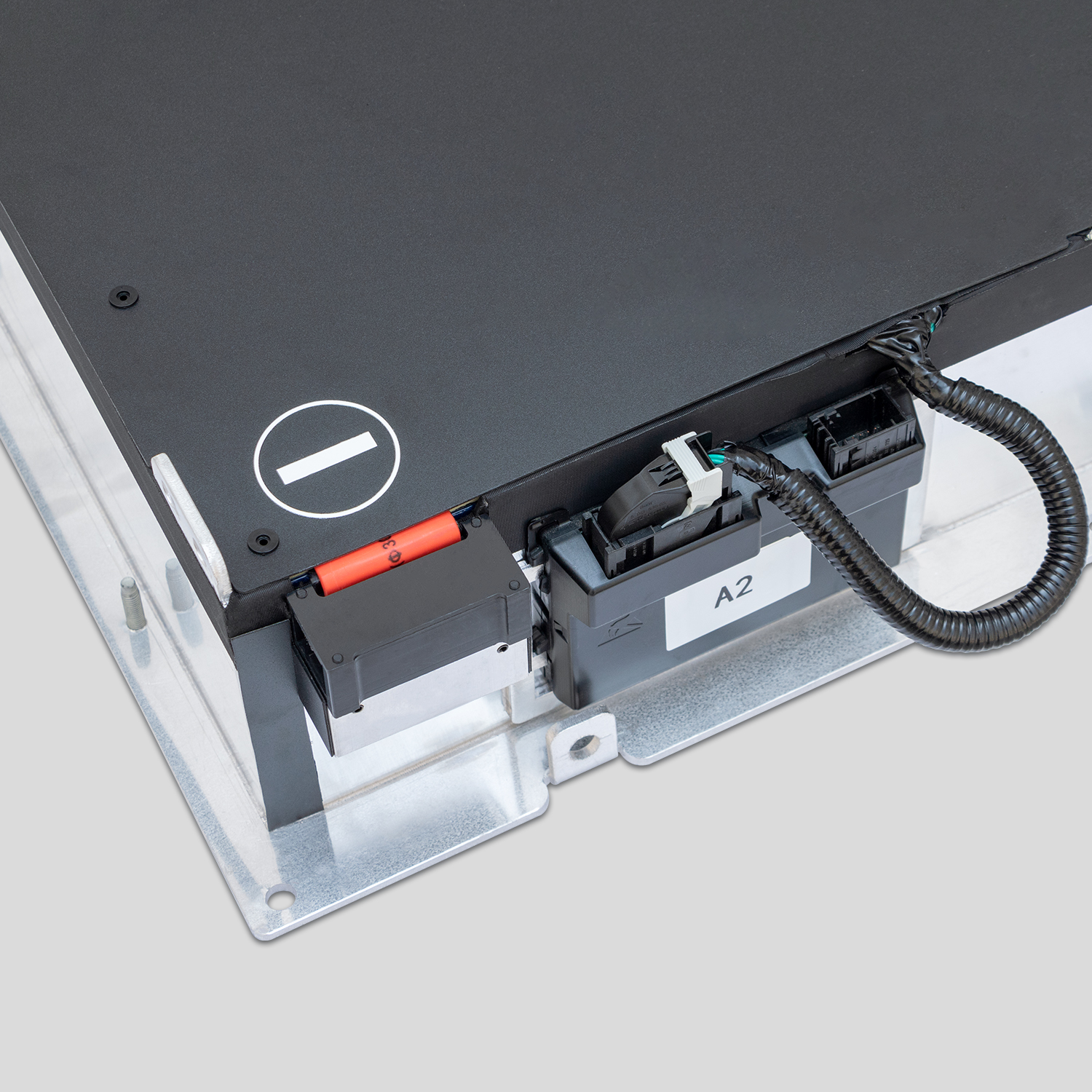
For owners of 2013-2022 BMW i3s, 2025 has become a year of sticker shock and frustration—all centered on one critical component: the high-voltage (HV) battery. As hundreds of thousands of these iconic electric vehicles hit the 8-12 year mark (the typical lifespan of their original batteries), BMW dealerships have unleashed jaw-dropping replacement prices that leave many owners wondering if their beloved i3s are worth saving. In 2025, official BMW dealer quotes for i3 battery replacements range from $16,000-$30,000, with high-capacity upgrades spiking to $65,000+ for rare trims[superscript:3]. But here’s the untold truth: these dealer prices are inflated by 30-60%—and there are legitimate, high-quality aftermarket alternatives that cut costs by half or more. This 2025 guide exposes the shocking reality of BMW i3 battery pricing, reveals why dealers overcharge, and breaks down the real aftermarket options that save you money without sacrificing performance, safety, or compatibility.
2025 is a pivotal year for BMW i3 battery replacements, thanks to two key industry shifts: BMW’s transition to sixth-generation eDrive technology with 46mm cylindrical batteries for new “New Generation” models[superscript:2][superscript:4], and the rise of specialized aftermarket suppliers offering OEM-grade batteries at a fraction of dealer costs. While BMW redirects production of prismatic batteries (used in legacy i3s) to focus on cylindrical cells[superscript:2][superscript:4], dealers have capitalized on limited genuine supply to hike prices. Compounding the issue: many i3s now have resale values under $10,000[superscript:1], making a $20,000+ dealer battery replacement financially absurd. The good news? Aftermarket suppliers—many leveraging CATL prismatic cells (the same manufacturer BMW uses[superscript:3][superscript:4])—have stepped in to offer reliable alternatives, turning the tide for cost-conscious i3 owners.
The Shocking Truth: 2025 BMW Dealer Battery Prices Exposed
BMW dealerships want you to believe their sky-high battery prices are justified by “genuine parts” and “factory expertise”—but the math tells a different story. In 2025, the actual cost of a genuine BMW i3 battery (sourced from CATL or EVE Energy) is $8,000-$14,000 wholesale[superscript:1][superscript:3], yet dealers mark these up to $16,000-$30,000 for consumers. Below is a detailed breakdown of 2025 BMW dealer battery prices, organized by battery capacity (the most common options for legacy i3s):
1. 33.2kWh Battery (2017-2018 i3 Models)
The mid-range 33.2kWh battery (offering ~125 miles of real-world range) is the most common replacement for 2017-2018 i3s. BMW dealers quote $16,000-$19,000 for this replacement, with the breakdown including: $12,000-$14,000 for the battery (a 50% markup from wholesale), $2,500-$3,000 for labor ($150-$180/hour), $500-$800 for BMS (Battery Management System) calibration, and $1,000 for “warranty admin fees.” For an i3 worth $8,000-$10,000, this price tag is often a death sentence for the vehicle.
2. 42.2kWh Battery (2019-2022 i3 Models)
i3 models from 2019-2022 came with a 42.2kWh battery (150 miles of range), and dealers now quote $22,000-$28,000 for replacements. This includes a $16,000-$20,000 battery (40% markup), $3,000-$3,800 for labor, $800-$1,200 for calibration, and $1,200-$1,800 for warranty fees. Even for well-maintained i3s worth $12,000-$15,000, this cost is prohibitive—forcing many owners to choose between overpaying or scrapping a perfectly good vehicle.
3. High-Capacity Aftermarket Upgrades (Dealer Markup Extremes)
Dealers now offer “high-capacity” upgrades (49kWh-54kWh) for older i3s, promising 200+ miles of range—but at a shocking cost: $50,000-$65,000[superscript:3]. This is nearly 3x the cost of aftermarket high-capacity options, and it’s based on the same CATL prismatic cells available from third-party suppliers. The dealer markup here is not just greedy—it’s exploitative, preying on owners who want to extend their i3’s lifespan without researching alternatives.
Why Are Dealer Prices So Inflated in 2025?
Dealer prices aren’t high by accident—they’re a calculated strategy driven by three key factors, none of which benefit i3 owners:
• Limited Genuine Supply: BMW’s shift to cylindrical batteries[superscript:2][superscript:4] has reduced prismatic battery production, creating artificial scarcity. Dealers have capitalized on this to hike prices, knowing some owners will pay for “genuine” parts out of fear of aftermarket quality.
• Overhead and Profit: Dealerships have high overhead (rent, staff salaries, marketing) and mark up parts to maintain profitability. Unlike specialized aftermarket shops, which focus solely on EV batteries, dealers spread their costs across all services—passing the burden to battery replacement customers.
• Fear-Mongering: Dealers often warn owners that aftermarket batteries will damage their i3s, void warranties, or fail prematurely. This is mostly fear-mongering—reputable aftermarket suppliers use the same CATL cells as BMW and offer compatible, calibrated batteries[superscript:3].
2025’s Real Aftermarket Alternatives: Save 50%+ Without Sacrificing Quality
The aftermarket i3 battery market has matured dramatically in 2025, with trusted suppliers offering OEM-grade batteries that match (or exceed) dealer quality at a fraction of the cost. These alternatives aren’t “knockoffs”—they use genuine CATL prismatic cells (the same cells BMW uses[superscript:3][superscript:4]), undergo rigorous testing, and are calibrated to work seamlessly with i3 software. Below are the top 3 aftermarket options for 2025, ranked by reliability, savings, and range:
1. CATL-Powered Aftermarket Batteries (CVC, MTG, and Jin Chua)
The most reliable aftermarket options in 2025 come from suppliers like CVC, MTG, and Jin Chua—companies that source genuine CATL prismatic cells directly and assemble them into i3-compatible battery packs[superscript:3]. These batteries are identical in quality to BMW’s genuine units but cost 50% less, with 2025 prices ranging from $8,000-$14,000 (depending on capacity):
• 33.2kWh Replacement (Match OEM): $8,000-$10,000 total (including labor and calibration)—saves $6,000-$9,000 vs. dealer prices.
• 42.2kWh Replacement (Match OEM): $11,000-$13,000 total—saves $11,000-$15,000 vs. dealer prices.
• 49kWh-54kWh High-Capacity Upgrade: $14,000-$18,000 total—saves $36,000-$47,000 vs. dealer upgrades[superscript:3]. These upgrades deliver 200+ miles of range, turning your i3 into a “forever car” without the dealer price tag.
The best part? These suppliers offer 2-year warranties (matching BMW’s) and use BMW’s ISTA-D tool for BMS calibration, ensuring full compatibility with 2025 i3 software. You can find these batteries on Alibaba or through specialized EV repair shops[superscript:3], and most suppliers offer global shipping.
2. Remanufactured OEM Batteries (Certified by CATL/EVE Energy)
Remanufactured i3 batteries are another cost-effective option in 2025, especially for budget-conscious owners. These batteries use genuine BMW OEM modules that have been tested, repaired, and recalibrated by CATL or EVE Energy (BMW’s official suppliers[superscript:2][superscript:4]) to meet factory standards. They’re 30-40% cheaper than new aftermarket batteries and come with 1-year warranties:
• 33.2kWh Remanufactured: $6,000-$7,500 total (saves $8,500-$11,500 vs. dealer).
• 42.2kWh Remanufactured: $8,000-$9,500 total (saves $14,000-$18,500 vs. dealer).
Look for remanufactured batteries certified by ISO 9001 or CATL to avoid low-quality rebuilds. Many specialized EV shops offer these batteries and can provide documentation of testing, ensuring you get a reliable product that lasts 7-8 years (nearly as long as a new battery).
3. Certified Used OEM Batteries (Low-Mileage, Tested)
For owners on a tight budget, certified used OEM batteries are a viable option in 2025—if you choose carefully. These are genuine BMW batteries taken from low-mileage i3s (totaled or salvaged) that have been tested to ensure 85%+ State of Health (SOH). Prices start at $4,000-$6,000 for 33.2kWh batteries and $5,500-$7,000 for 42.2kWh batteries, saving 60%+ vs. dealer prices.
The key here is to buy from reputable suppliers that test and warranty used batteries (typically 6-12 months). Avoid “as-is” used batteries from unvetted sellers—they may have hidden damage or degraded cells that fail within months. Reputable suppliers will provide a SOH report and use the ISTA-D tool to verify compatibility.
2025 Buyer’s Guide: How to Choose a Reliable Aftermarket Battery
Not all aftermarket batteries are created equal—follow these tips to avoid scams and ensure you get a high-quality product that works with your i3:
1. Verify Cell Source (Insist on CATL/EVE Energy)
The best aftermarket batteries use genuine CATL or EVE Energy prismatic cells—same as BMW’s genuine batteries[superscript:2][superscript:3][superscript:4]. Ask the supplier for documentation proving the cell source; reputable companies will happily provide this. Avoid batteries with generic cells—they often fail within 1-3 years and can damage your i3’s electrical system.
2. Check for BMS Compatibility
Your aftermarket battery must be calibrated to work with your i3’s BMS. Ensure the supplier uses BMW’s ISTA-D diagnostic tool for calibration—this prevents error codes and ensures optimal performance. Uncalibrated batteries will trigger warning lights and may not charge properly.
3. Demand a Warranty (Minimum 1 Year)
Reliable aftermarket suppliers offer 1-2 year warranties on their batteries, covering defects, failure, and compatibility issues. Avoid suppliers that offer no warranty or “as-is” sales—this is a red flag for low-quality products. Read the warranty fine print to ensure it covers labor costs for replacements.
4. Compare Quotes and Read Reviews
Don’t settle for the first quote you receive. Compare prices from 3+ reputable suppliers (CVC, MTG, Jin Chua, or local specialized EV shops) to find the best deal. Read customer reviews on forums (Reddit, BMW i3 Owners Club) and platforms like Alibaba to verify supplier reliability[superscript:3].
5. Take Advantage of Core Exchange
Nearly all aftermarket suppliers offer core exchange bonuses in 2025—trade in your old i3 battery and save $300-$800 on your replacement. Your old battery can be recycled or remanufactured, and most suppliers handle the pickup and disposal for free (critical, as i3 batteries weigh 100-150kg).
2025’s Biggest Aftermarket Scams to Avoid
While the aftermarket offers great savings, there are scams to watch out for in 2025. Avoid these red flags:
• “Genuine BMW” Batteries for $5,000-$7,000: These are almost certainly counterfeit. Genuine BMW batteries cost $8,000+ wholesale—any price lower than that is a scam.
• Suppliers with No Physical Address or Contact Info: Reputable suppliers have a physical location, phone number, and professional website. Avoid sellers with only a generic email or social media profile[superscript:3].
• “No Calibration Needed” Claims: All i3 battery replacements require BMS calibration. Suppliers that claim otherwise are selling incompatible batteries that will damage your vehicle.
2025 doesn’t have to be the year you say goodbye to your BMW i3 because of sky-high dealer battery prices. The shocking truth is that dealer prices are inflated by greed and artificial scarcity—and there are legitimate aftermarket alternatives that save you 50%+ while matching OEM quality. Whether you choose a CATL-powered battery from CVC or MTG, a remanufactured OEM unit, or a certified used battery, you can keep your i3 running like new without breaking the bank. With BMW’s shift to cylindrical batteries[superscript:2][superscript:4], the aftermarket is now the best option for legacy i3 owners—and 2025 is the year to take advantage of these savings. Don’t let dealers exploit you—do your research, choose a reputable aftermarket supplier, and give your i3 a new lease on life at a price that makes sense.