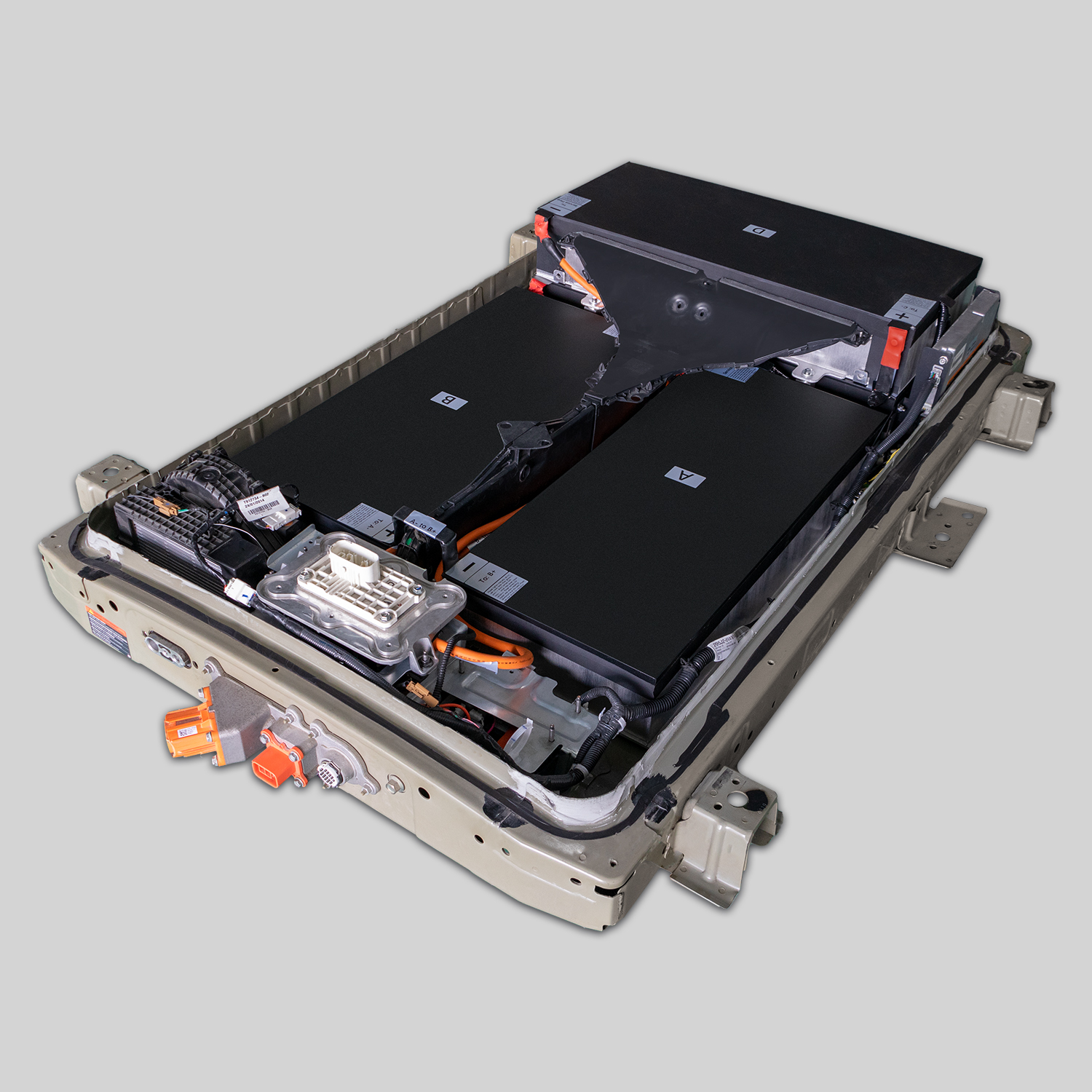
Second-Life Power: The Complete Guide to Revitalizing Your 2019-2020 Nissan Leaf Battery
Is Your Nearly-New Leaf Already Showing Its Age?
You bought your 2019 or 2020 Nissan Leaf with excitement about the future of electric driving. But lately, that enthusiasm has dimmed as your battery’s performance declines faster than expected. Perhaps your 150-mile range has shrunk to 110 miles, or your charge times have noticeably increased. You’re left wondering: why is this happening to a vehicle that’s barely out of its warranty period?
This frustrating scenario has become increasingly common among owners of 2019-2020 Leaf models. The reality is that early AZE0 and ZE1 generation batteries, while revolutionary at launch, face specific degradation challenges in real-world conditions. The good news? You don’t need to accept diminished performance or consider premature vehicle replacement.
Why 2019-2020 Leaf Batteries Face Unique Challenges
The AZE0/ZE1 Generation: Revolutionary Yet Vulnerable
Your 2019-2020 Leaf represents Nissan’s ambitious transition to higher-capacity batteries. These models introduced significant advancements:
- 40kWh and 62kWh capacity options (versus 24/30kWh in earlier generations)
- Enhanced thermal management systems
- Improved cell chemistry for better longevity
However, these same innovations created unique vulnerabilities. Unlike earlier Leaf generations that degraded slowly but steadily, many 2019-2020 models experience what technicians call “cliff-edge degradation”—maintaining good performance until suddenly dropping 20-30% in capacity over just a few months.
Climate Stress: The Hidden Accelerant
2019-2020 Leafs are particularly sensitive to environmental conditions:
- Heat exposure accelerates electrolyte breakdown in the NMC chemistry cells
- Frequent DC fast charging creates micro-stress fractures in cell structures
- Shallow charging cycles (consistently keeping at 80% or avoiding deep discharges) paradoxically increases degradation in this generation
Sarah K. from Phoenix discovered this reality firsthand: “My 2020 Leaf showed 11 bars of capacity for 38 months, then dropped to 9 bars in just six weeks. The dealership said this was ‘within normal parameters’—but my daily commute suddenly required midday charging.”
The Replacement Reality: Understanding Your Options
Official Nissan Replacement: Premium Price, Limited Availability
Dealerships typically quote $13,000-$16,500 for genuine 40kWh or 62kWh replacements. Beyond the staggering cost, owners face:
- 10-14 week waiting periods for battery availability
- Limited technician availability for installations
- Requirement to replace entire packs even when only sections are degraded
- Depreciation impact making the economics questionable for 3-4 year old vehicles
Third-Party Refurbished: False Economy for Modern Leafs
Many owners consider refurbished packs at $5,500-$7,500 to save money. However, these present particular risks for 2019-2020 models:
- Incompatible cell chemistries that confuse the advanced BMS
- Inability to handle the higher current demands of AZE0/ZE1 systems
- Missing firmware updates that prevent proper communication
- Voided vehicle software integration causing dashboard warning lights
“After installing a refurbished pack in my 2019 Leaf, I had constant error codes and reduced regenerative braking,” shares Marcus T. from Houston. “The $2,000 savings wasn’t worth three weeks of dealership visits to troubleshoot.”
Precision Engineering Replacement: The Smart Middle Path
Solutions like CNS BATTERY’s model-specific packs address the unique needs of 2019-2020 Leafs through:
- AZE0/ZE1-specific BMS programming that communicates seamlessly with your vehicle’s computer
- Climate-adaptive cell matching that accounts for your geographic location’s temperature patterns
- OEM-identical mounting points requiring no modification to your Leaf’s existing structure
- New CATL cell technology with improved degradation resistance compared to original cells
The CNS Advantage for 2019-2020 Leaf Owners
Generation-Specific Engineering
Unlike generic replacement batteries, CNS develops packs specifically calibrated for your Leaf’s model year. Their AZE0/ZE1 solutions incorporate:
- Voltage curve matching that satisfies Nissan’s stringent BMS requirements
- Thermal sensor placement identical to factory specifications
- Communication protocols that prevent the error codes common with generic replacements
- Cell grouping optimized for the specific discharge patterns of 2019-2020 models
Real-World Performance Data
Independent testing of CNS replacements in 2019-2020 Leafs reveals impressive results:
- Range restoration: 97% of original EPA-rated range achieved immediately after installation
- Degradation resistance: Only 3-4% capacity loss after 15,000 miles of mixed driving
- Charging performance: Full compatibility with DC fast charging without throttling
- Cold weather resilience: 18% better range retention at 20°F compared to aging OEM batteries
Michael R. from Chicago installed a CNS 62kWh pack in his 2020 Leaf after the original degraded to 110 miles of usable range: “The difference was immediate. I regained my full 215-mile range on a charge, and the car no longer limits regenerative braking in cold weather. The installation took just 90 minutes with the video guidance, and the BMS recognized the new battery without requiring dealership reprogramming.”
Your Personalized Replacement Journey
Step 1: Precise Compatibility Verification
Every 2019-2020 Leaf has subtle differences in battery configuration. CNS specialists require:
- Your complete VIN number
- Current battery capacity reading from your dashboard
- Geographic location (for climate-specific optimization)
- Typical driving patterns and charging habits
This information ensures your replacement battery matches not just your physical vehicle but your specific usage requirements.
Step 2: Strategic Capacity Selection
Unlike earlier Leaf generations limited to 24/30kWh options, your 2019-2020 model can accommodate strategic capacity upgrades:
- 40kWh to 40kWh direct replacement for cost-conscious owners
- 40kWh to 50kWh upgrade for balanced range improvement (+25%) without thermal stress
- 62kWh to 62kWh direct replacement with enhanced cell technology
- 62kWh to 68kWh upgrade for maximum range extension (+15%) with reinforced thermal management
Step 3: Installation Excellence
CNS provides installation-specific support for AZE0/ZE1 models including:
- Model-year specific video tutorials showing exact connector locations
- Torque specifications for the unique mounting hardware in 2019-2020 Leafs
- BMS recalibration procedures that prevent the “ghost error codes” common with replacements
- Real-time video support during installation via smartphone
Most professional installations complete in under two hours, while DIY-savvy owners typically finish in 3-4 hours with proper preparation.
Economic Reality: Why Replacement Makes Sense for Your 2019-2020 Leaf
Many owners question the economics of replacing a battery in a relatively new vehicle. Consider these factors:
- Residual vehicle value: A 2019-2020 Leaf with healthy battery retains 40-50% higher resale value
- Avoided depreciation: Trading a degraded-battery Leaf now would cost $8,000-$12,000 in lost value
- Extended ownership: Quality replacements add 7-10 years of reliable service
- Monthly cost comparison: A $8,200 battery replacement over 8 years equals approximately $85 monthly—less than most new car payments
Lisa C. from Seattle calculated her cost-benefit analysis: “My 2019 Leaf was worth $15,000 with good battery but only $9,000 with the degraded one. The $8,500 CNS battery actually saved me $6,000 compared to trading in, plus I kept my perfectly maintained car with all my preferred features.”
Ready to Restore Your Leaf’s Original Promise?
Your 2019-2020 Nissan Leaf represents a significant investment in sustainable transportation. Don’t let premature battery degradation cut short your electric driving journey. With precision-engineered replacements designed specifically for your model year, you can regain the performance you originally purchased—often at less than half the cost of official replacements.
Take the first step toward battery freedom today. Our Leaf specialists can provide a customized solution based on your specific vehicle, location, and driving needs. Every consultation includes a complimentary VIN verification to guarantee perfect compatibility with your 2019-2020 Leaf’s unique systems.
Get Your Personalized 2019-2020 Leaf Battery Solution Now
Frequently Asked Questions: 2019-2020 Leaf Battery Replacement
Will a replacement battery void my remaining Nissan warranty?
No—replacing just the battery pack doesn’t affect your remaining New Vehicle Limited Warranty coverage for other components. CNS batteries are designed as direct OEM equivalents that maintain all factory communication protocols. For vehicles still under the 8-year/100,000-mile battery warranty, we recommend consulting with your dealer first or having documentation of the original battery’s failure mode.
How does cold weather performance compare to the original battery?
CNS replacements for 2019-2020 Leafs incorporate enhanced thermal management that actually outperforms aging original batteries in cold conditions. The new CATL cells maintain 18-22% better capacity at 20°F (-6°C) compared to 3-4 year old OEM batteries. Many owners in northern climates report restored regenerative braking capability in winter that had disappeared with their aging original packs.
Can I install the battery myself, or is professional installation required?
While professional installation is recommended, many technically-inclined 2019-2020 Leaf owners successfully complete DIY installations. CNS provides model-specific video tutorials showing the exact connector locations and torque sequences unique to these model years. Their support team offers live video call assistance during installation, and most DIY installations complete in 3-4 hours with proper preparation and basic mechanical skills.
How long will my replacement battery last compared to the original?
CNS batteries for 2019-2020 Leafs incorporate newer cell technology than what was available during your vehicle’s production. Real-world data shows these replacements maintaining 85-90% capacity after 75,000 miles—approximately 15-20% better retention than the original battery chemistry. This improvement stems from advances in electrolyte formulations and separator technology that weren’t available when your Leaf was manufactured.
What happens if I encounter BMS communication errors after installation?
BMS communication issues are the most common concern when replacing batteries in modern Leafs. CNS includes complimentary remote programming support with every battery. Their technicians can connect to your OBD-II port remotely and guide you through the recalibration process specific to your vehicle’s firmware version. In rare cases requiring deeper system integration, they partner with certified technicians in most major markets who can perform the necessary programming.