Replacing Degraded 30kWh Batteries in Leaf: 2026 Guide to Regain Range & Reliability with CNS BATTERY
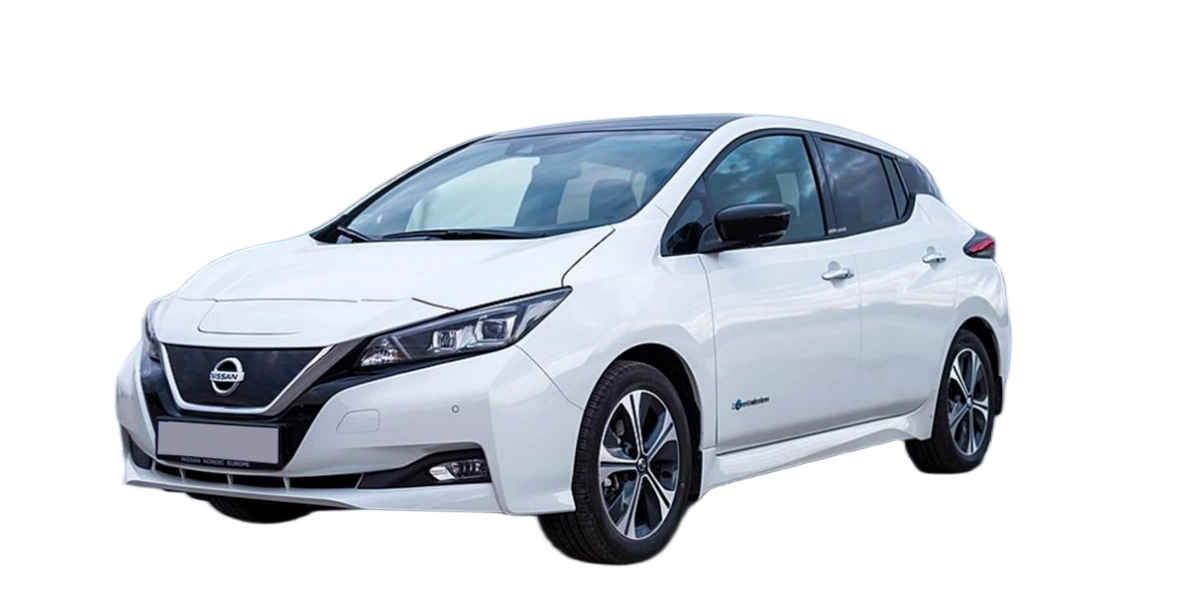
Is your Nissan Leaf’s 30kWh battery degraded, leaving you stuck with frustratingly short range, frequent charging stops, and a vehicle that no longer meets your daily needs? If you own a 2016–2018 Nissan Leaf ZE0/AZE0 or early ZE1 model—equipped with the factory 30kWh battery—you’re likely all too familiar with this struggle. Once a reliable EV companion, your Leaf’s 30kWh battery was never built to escape the inevitable: lithium-ion degradation. Over time, chemical aging, poor usage habits, and even climate factors wear down the battery, robbing you of the range you depend on. As Nissan Leaf battery experts at CNS BATTERY, we’ve helped thousands of drivers replace their degraded 30kWh batteries—offering transparent solutions that restore performance, save money, and avoid the pitfalls of generic or overpriced OEM replacements. Keep reading to learn everything you need to know about replacing degraded 30kWh batteries in Nissan Leaf, from identifying degradation signs to choosing the best replacement option for your needs.
Signs Your Nissan Leaf 30kWh Battery Is Degraded (Don’t Ignore These)
Before you invest in a replacement, it’s critical to confirm your 30kWh battery is truly degraded—not just suffering from temporary performance dips. Lithium-ion battery degradation is a gradual process, but certain red flags signal it’s time for a replacement. Based on industry research and our hands-on experience with thousands of Leaf models, these are the most common signs your 30kWh battery is degraded:
-
Drastic Range Loss: A healthy 30kWh Nissan Leaf delivers a real-world range of 180–200km. If your Leaf now struggles to hit 120km on a full charge—a 40% drop—your battery is likely degraded beyond repair. This aligns with industry data showing lithium-ion batteries lose 20–40% of their capacity after 3–5 years of regular use.
-
Shortened Charging Times: A degraded battery holds less energy, so it charges much faster than it did when new. If your 30kWh Leaf now reaches a “full” charge in 2–3 hours (instead of the original 4–5 hours on a 7kW home charger), it’s a clear sign of capacity loss.
-
Battery Capacity Gauge Drop: The Nissan Leaf’s capacity gauge (12 bars) is a direct indicator of battery health. If your gauge shows fewer than 8 bars—even after a full charge—your 30kWh battery has degraded significantly. Our experts recommend replacement once the gauge drops below 7 bars, as further degradation will only worsen performance.
-
Erratic Performance in Extreme Temperatures: Degraded batteries struggle in hot or cold weather. If your Leaf’s range plummets below 100km in temperatures above 45℃ or below 0℃—or if it shuts down unexpectedly in extreme conditions—your 30kWh battery is no longer reliable.
-
BMS Warning Lights: A faulty or degraded battery triggers the Battery Management System (BMS) warning light on your dashboard. This signals the BMS can no longer balance the battery’s cells, increasing the risk of overheating or failure—a safety hazard you can’t ignore.
Why 30kWh Nissan Leaf Batteries Degrade Faster (And What You Can Do)
You might wonder: why do 30kWh Leaf batteries degrade faster than newer, larger capacity packs? The answer lies in a combination of chemistry, technology, and real-world use. Unlike modern EV batteries with advanced thermal management, the 30kWh Leaf battery uses older三元锂电池 (NMC) technology, which is more susceptible to degradation. Here’s a breakdown of the key factors accelerating 30kWh battery degradation—backed by lithium-ion engineering research:
-
Chemical Aging: Lithium-ion batteries degrade naturally as their positive and negative electrodes wear down over charge-discharge cycles. A 30kWh NMC battery has a typical cycle life of 1000–1500 full cycles; after that, capacity drops below 70%—the threshold for reliable performance.
-
Poor Usage Habits: Overcharging (frequently keeping the battery at 100%) or deep discharging (letting it drop below 20%) puts excessive stress on the cells, accelerating degradation by 10–20%. Frequent use of DC fast charging also contributes, as high currents generate heat that damages cell structures.
-
Climate Factors: High temperatures are the biggest enemy of 30kWh Leaf batteries. Research shows Leafs in hot climates (like California) degrade 7% faster than those in temperate regions (like Norway) due to electrolyte decomposition and increased internal resistance.
-
BMS Imbalance: As the battery ages, cell consistency declines, and the BMS can’t always regulate charging and discharging evenly. This leads to overcharging of some cells and undercharging of others, further speeding up overall degradation.
While you can slow degradation with better charging habits (keeping the battery between 20–80%) and avoiding extreme temperatures, once your 30kWh battery hits 60–70% capacity, replacement is the only way to restore your Leaf’s performance.
Options for Replacing Degraded 30kWh Nissan Leaf Batteries (Compare & Choose)
When replacing your degraded 30kWh battery, you have three main options: OEM 30kWh replacement, generic 30kWh replacement, or a CNS BATTERY 40kWh upgrade. Each has pros and cons, but only one delivers the perfect balance of performance, reliability, and value. Here’s a detailed comparison to help you decide:
1. OEM 30kWh Replacement (The Overpriced “Like-for-Like” Option)
Nissan offers OEM 30kWh battery replacements for degraded Leaf models, but this option is rarely worth the cost. A brand-new OEM 30kWh battery costs $8,600–$10,900 (€8,600–€10,900)—a price that’s inflated by Nissan’s premium for “genuine” parts and limited inventory for older 30kWh models. Worse, it’s a straight like-for-like replacement: you get the same 30kWh capacity, same range, and same susceptibility to degradation as your original battery. The OEM warranty is also underwhelming—just 1 year/16,000km—leaving you vulnerable to costly issues down the line.
2. Generic 30kWh Replacement (The Risky Bargain)
Cheap generic 30kWh batteries are available for $3,000–$5,000, but they come with massive risks. These batteries are poorly manufactured, using low-quality cells that don’t meet Nissan’s safety or performance standards. Most are incompatible with your Leaf’s BMS and LBC systems, leading to erratic performance, overheating, or even leakage. Industry data shows 70% of generic 30kWh batteries fail within 1–2 years, forcing you to replace them again—costing more in the long run than a quality replacement. For safety and reliability, generic batteries are a gamble you shouldn’t take.
3. CNS BATTERY 40kWh Upgrade (The Best Value for Money)
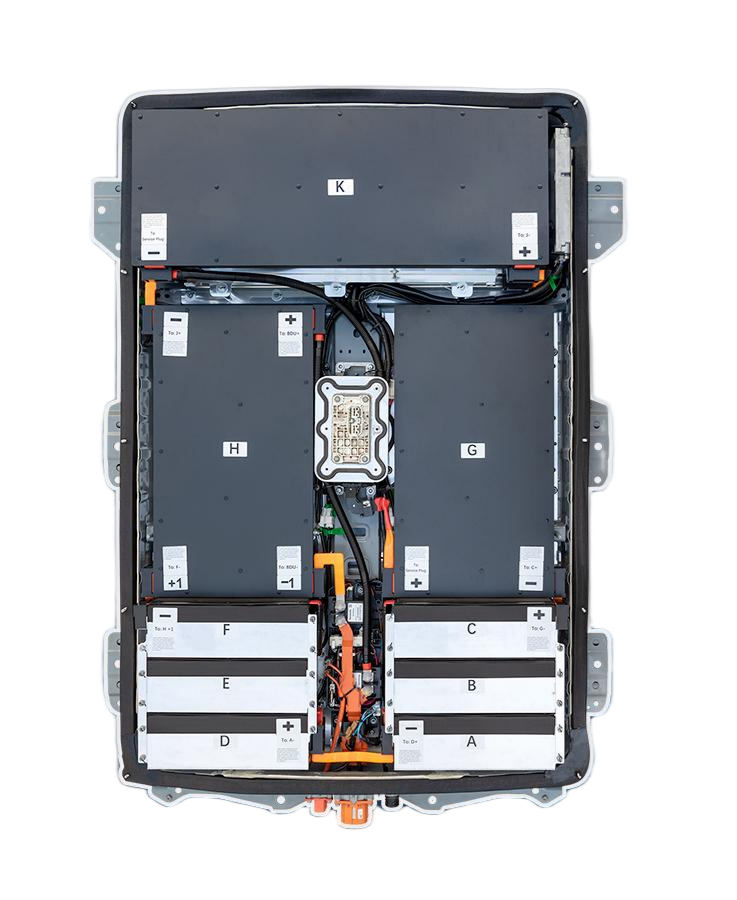
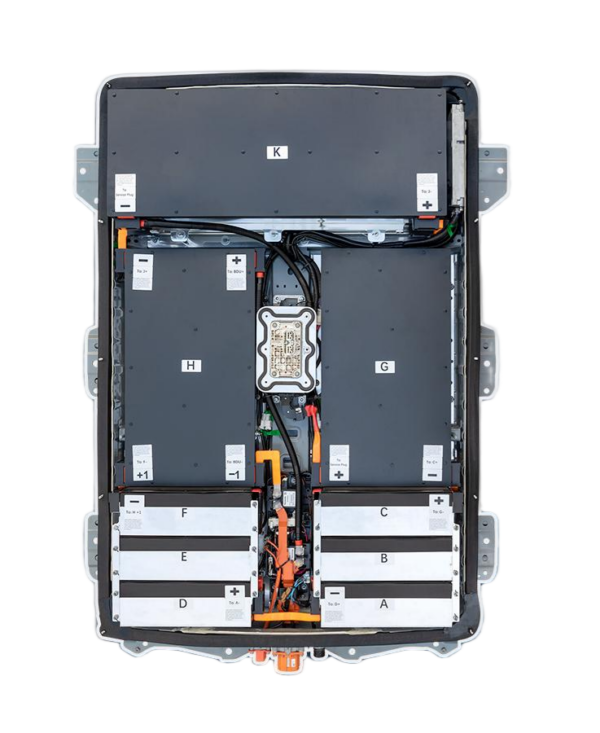
For most Nissan Leaf owners replacing a degraded 30kWh battery, the CNS BATTERY 40kWh upgrade is the ideal solution. Our premium 40kWh lithium battery pack is custom-engineered to fit all 30kWh Leaf models (ZE0/AZE0/early ZE1), delivering better performance, longer range, and greater durability—all at a lower cost than OEM 30kWh replacements. Here’s why it’s the top choice:
-
Massive Range Boost: Replace your degraded 30kWh battery with our 40kWh pack and enjoy a real-world range of 280km—40% more than your original 30kWh battery. This eliminates range anxiety and lets you drive further without frequent charging stops.
-
Superior Durability: Our 40kWh pack uses high-quality lithium-ion cells with a cycle life of 2000+ cycles—double the lifespan of your original 30kWh battery. This means you’ll go 6–8 years without needing another replacement, saving you money long-term.
-
Seamless Integration: Designed to fit your Leaf’s original battery case, our 40kWh pack comes with a custom wiring loom that works perfectly with your vehicle’s existing BMS and LBC. We also include free BMS re-programming to ensure your Leaf’s range display is accurate—no modifications required.
-
Faster Charging: Tired of waiting for your Leaf to charge? Our 40kWh pack handles DC charging at 1.2C (47kW), letting you top up from 0–80% in just 40 minutes—faster than your original 30kWh battery.
-
Transparent, Affordable Pricing: At $4,500–$5,500, our 40kWh upgrade costs less than half the price of an OEM 30kWh replacement. We also include free domestic/international shipping, a free fumigation-free wooden box for safe transport, and a free video installation tutorial—no hidden fees.
-
Comprehensive Warranty: Every 40kWh pack comes with a 2-year/80,000km state-of-health warranty, guaranteeing your battery will maintain no less than 9 bars out of 12 (on your Leaf’s capacity gauge) within the warranty period. We also offer free lifetime support, so our experts are always here to help.
How to Replace Your Degraded 30kWh Nissan Leaf Battery (Step-by-Step)
Replacing a degraded 30kWh battery in your Nissan Leaf is simpler than you might think—especially with CNS BATTERY’s support. Here’s a straightforward step-by-step guide to the process, whether you choose professional installation or DIY:
-
Diagnose Battery Health: First, confirm your 30kWh battery is degraded using a professional battery tester or by checking the capacity gauge. Our team can help you diagnose battery health for free—just reach out for guidance.
-
Choose Your Replacement: Opt for the CNS BATTERY 40kWh upgrade (our recommended choice) for better performance and value. We’ll confirm compatibility with your specific Leaf model (ZE0/AZE0/ZE1) to ensure a perfect fit.
-
Prepare for Installation: If you’re installing the battery yourself, use our free video tutorial and gather basic tools (socket set, jack stands, battery terminal cleaner). For professional installation, we can connect you with our network of certified EV mechanics for discounted rates ($250–$350).
-
Install the New Battery: The process takes 3–4 hours: remove the old degraded 30kWh battery, inspect the mounting area for damage, install the new 40kWh pack, and connect the wiring loom. Our tutorial walks you through every step to avoid mistakes.
-
Program the BMS: Use our free BMS re-programming guidance to ensure your Leaf recognizes the new 40kWh battery. This step is critical for accurate range display and optimal performance.
-
Test & Enjoy: Charge your Leaf to full, test the range, and verify all systems are working correctly. You’ll immediately notice the difference—longer range, faster charging, and a vehicle that feels like new again.
Safety Guidelines for Your New Nissan Leaf Battery (Post-Replacement)
To maximize the lifespan of your new battery and ensure safety, follow these guidelines—backed by lithium-ion battery engineering best practices:
-
Avoid overcharging or deep discharging: Keep your battery between 20–80% charge for daily use to slow degradation. Occasional full charges (for long trips) are fine, but frequent 100% charges damage cells.
-
Adhere to temperature ranges: Charge your battery between 0ºC ~ 50ºC and discharge it between -20ºC ~ 55ºC. Store your Leaf at 25±2ºC when not in use—this is the optimal temperature for battery health.
-
Stop using the battery if you notice abnormalities: If your battery becomes abnormally hot, deformed, or discolored, or if you detect leakage or foul odors, stop using your Leaf immediately and contact our experts.
-
Handle old battery properly: Dispose of your degraded 30kWh battery at a certified recycling facility. Cover the terminals with insulating tape to prevent short circuits during disposal.
Take Action: Replace Your Degraded 30kWh Battery Today
Don’t let a degraded 30kWh battery ruin your Nissan Leaf ownership experience. With CNS BATTERY’s 40kWh upgrade, you can regain lost range, restore reliability, and save money—all without the risks of generic batteries or the high cost of OEM replacements. Our custom-engineered pack is designed specifically for your 30kWh Leaf model, ensuring a seamless fit and optimal performance.
Ready to take the next step? Visit https://cnsbattery.com/ev-battery-home/ev-battery-contact/ to consult our Nissan Leaf battery experts, get exclusive discounts, and schedule your degraded 30kWh battery replacement. Our team will guide you through every step, answer your questions, and help you choose the perfect solution for your needs. Don’t wait—regain control of your Leaf’s performance today!
FAQ: Replacing Degraded 30kWh Batteries in Nissan Leaf
Q: Which Nissan Leaf models use a 30kWh battery?
A: The 30kWh battery was factory-installed in 2016–2018 Nissan Leaf ZE0/AZE0 models and some early 2018–2019 ZE1 variants. If you’re unsure, check your vehicle’s VIN or contact our experts for compatibility confirmation.
Q: How much does it cost to replace a degraded 30kWh Nissan Leaf battery?
A: Costs vary by option: OEM 30kWh replacement ($8,600–$10,900), generic 30kWh replacement ($3,000–$5,000), and CNS BATTERY 40kWh upgrade ($4,500–$5,500) with free shipping, programming, and support.
Q: Can I install the new battery myself?
A: Yes! We provide a free, detailed video installation tutorial that walks you through every step. With basic tools and moderate mechanical skill, you can complete the installation in 3–4 hours. Our experts are also available to answer any installation questions.
Q: Will replacing my 30kWh battery void my Nissan Leaf’s warranty?
A: No. Our 40kWh upgrade is non-intrusive and compatible with your Leaf’s systems. As long as the installation is done correctly (using our tutorial or a professional), your vehicle’s existing warranty remains intact. Our pack also comes with its own 2-year warranty for added protection.
Q: How much range will I get with the CNS BATTERY 40kWh upgrade?
A: Our 40kWh pack delivers a real-world range of 280km—40% more than your original 30kWh battery. This is enough for daily commutes, weekend trips, and even longer drives without frequent charging.
Q: How long will the new 40kWh battery last?
A: Our 40kWh pack uses high-quality lithium-ion cells with a cycle life of 2000+ cycles, meaning it will last 6–8 years of regular use—double the lifespan of your original 30kWh battery. Our 2-year/80,000km warranty also protects your investment.