Replacing Degraded 24kWh Nissan Leaf Batteries
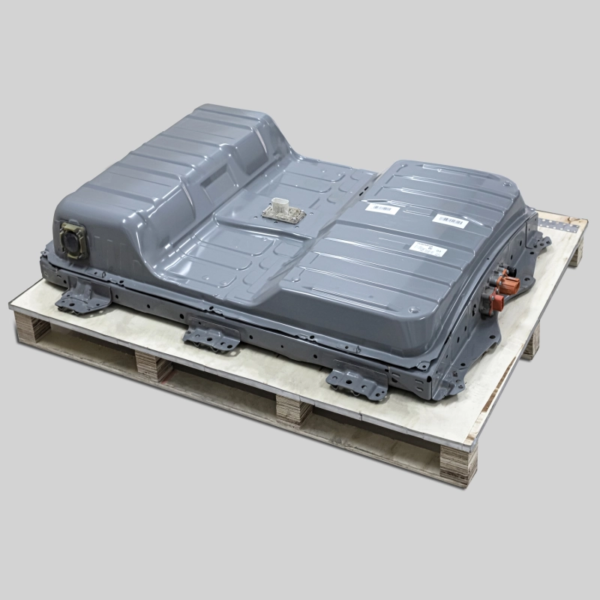
As one of the pioneering mass-market electric vehicles, the Nissan Leaf has gained a loyal following since its launch. However, owners of early models equipped with the 24kWh battery pack often face a common challenge: battery degradation. Over time, capacity fade and power loss can significantly reduce driving range, turning daily commutes into range-anxiety nightmares. This guide explores everything you need to know about replacing degraded 24kWh Nissan Leaf batteries, from understanding degradation causes to choosing the right replacement solution.
Why Do 24kWh Nissan Leaf Batteries Degrade?
Lithium-ion batteries, including the 24kWh pack in early Nissan Leaf models, naturally degrade with use. The primary culprits behind capacity loss are chemical and structural changes within the battery cells, accelerated by external factors. Key degradation mechanisms include the growth of the solid electrolyte interphase (SEI) layer, lithium plating on electrodes, and gradual deterioration of electrode materials. These processes are exacerbated by poor charging habits and environmental conditions.
The Nissan Leaf’s passive air-cooling system, unlike active liquid cooling in newer EVs, fails to effectively regulate battery temperature during fast charging or in extreme climates. Frequent DC fast charging, exposure to temperatures above 120℉ for extended periods, or letting the battery sit at full or empty charge for weeks accelerates wear. For 24kWh packs, this degradation typically becomes noticeable after 5-7 years of use, with many owners reporting a 25%+ capacity loss—enough to drastically cut real-world range from around 84 miles to under 60 miles.
Three Replacement Options for Degraded 24kWh Batteries
1. OEM Battery Replacement
Nissan offers official battery replacement for degraded packs, but coverage and options vary by model year. Under federal law, all EV manufacturers must provide an 8-year/100,000-mile warranty for battery defects, but the 24kWh pack’s capacity warranty is limited to 5 years/60,000 miles—meaning most units are no longer covered. For out-of-warranty replacements, Nissan may upgrade 24kWh packs to 40kWh units (discontinuing 30kWh packs due to heat-related issues) for a premium price, ranging from $7,000-$9,000 including labor.
The advantage of OEM replacement is guaranteed compatibility and a new warranty (typically 2-3 years for the replacement pack). However, the high cost can be prohibitive for older Leaf models with low resale value.
2. Third-Party Battery Packs
Third-party suppliers offer a more cost-effective alternative, with 24kWh replacement packs priced between $3,500-$5,000. Reputable vendors provide remanufactured packs tested to meet OEM specifications, often with 1-2 year warranties. Some even offer upgraded cells with improved thermal stability, addressing the original pack’s cooling shortcomings.
When choosing a third-party option, verify the supplier’s certification and battery testing processes. Look for packs with documented state of health (SOH) ratings and compatibility with the Leaf’s battery management system (BMS) to avoid electrical issues.
3. Battery Refurbishment & Cell Reconditioning
For budget-conscious owners, cell-level refurbishment involves replacing only the most degraded cells in the pack, costing $2,000-$3,000. This method extends battery life by 2-3 years but depends on the availability of matching cells. However, refurbished packs may have inconsistent performance, as remaining cells will continue to degrade at different rates.
Warranty Considerations & Compliance
Before replacing your battery, review Nissan’s warranty terms carefully. The 8-year/100,000-mile defect warranty covers manufacturing flaws but excludes damage from extreme temperatures, prolonged deep discharge, or physical impact. If your Leaf is still under warranty and shows more than 25% capacity loss (fewer than 9 range segments at full charge), Nissan may replace the pack free of charge.
Global regulations also impact battery replacement and disposal. In 2026, new rules mandate “battery digital IDs” and “vehicle-battery integrated scrapping” in many regions, requiring proper documentation of battery replacement and recycling. Ensure your installer provides a formal recycling certificate for the old pack, as illegal disposal can result in fines up to $10,000.
Extending New Battery Life
To maximize the lifespan of your replacement battery, adopt battery-friendly habits. Limit DC fast charging to emergencies, maintain a charge range of 20%-80%, and avoid exposing the vehicle to extreme temperatures for extended periods. Using Level 2 home charging and enabling the Leaf’s charge limit feature can slow degradation by reducing stress on cells.
Regular BMS calibration (full charge-discharge cycle every 3 months) helps maintain accurate capacity readings, while periodic battery health checks can detect early degradation issues. With proper care, a replacement 24kWh or upgraded pack can deliver reliable performance for 5-7 years.
Conclusion
Replacing a degraded 24kWh Nissan Leaf battery requires balancing cost, reliability, and compliance. OEM replacements offer peace of mind but come with a steep price tag, while third-party packs provide better value for older vehicles. Refurbishment is a budget option but with shorter lifespan expectations. Regardless of your choice, working with certified technicians and following recycling regulations ensures a safe, legal replacement process.
By understanding battery degradation causes and adopting proactive maintenance habits, you can extend the life of your replacement pack and keep your Nissan Leaf on the road for years to come. As EV battery technology advances—with Nissan’s solid-state batteries promising 2x range and 2,000+ cycles by 2028—future replacements may offer even better performance and longevity.