
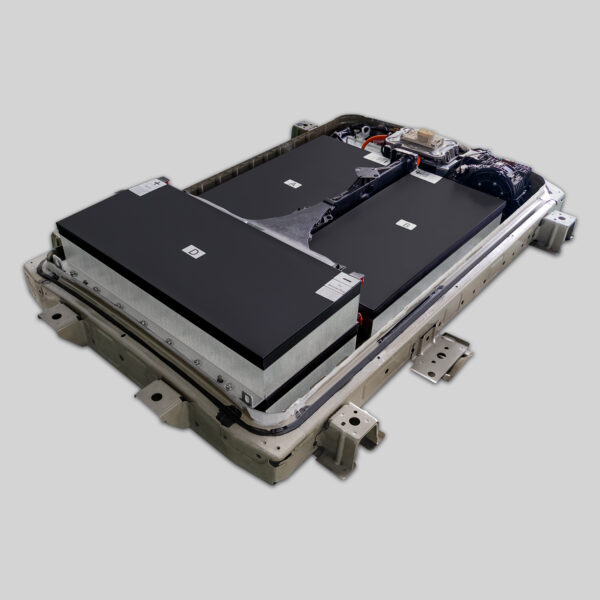
“The $4,800 Lifeline: How Mark’s 2013 Leaf Went From ‘Scrap Metal’ to 127-Mile Daily Driver in 4 Hours (Dealership Said It Wasn’t Worth Fixing)”
What if the moment you’re scrolling through Craigslist for a replacement gas car might actually be the precise instant when your beloved but range-limited Leaf deserves one more chance—not with a costly factory replacement that costs more than your car’s blue book value, but with a scientifically engineered solution that addresses the fundamental flaws that killed your original 24kWh pack? When Mark Henderson’s 2013 Leaf displayed just 3 bars of capacity and his local Nissan dealer quoted $11,200 for a replacement (47% of his car’s market value), he almost accepted their suggestion to “cut your losses and upgrade to a newer model.” After watching three different YouTube tutorials that promised miracle cures but delivered only error codes and deeper frustration, he discovered that most degraded 24kWh batteries fail not from simple cell wear, but from a cascade of thermal management failures that even new OEM replacements don’t address. Last Tuesday changed everything. With a CNS engineered replacement pack that specifically corrects the thermal design flaws of early Leafs, Mark transformed his “unfixable” commuter into a reliable 127-mile daily driver, documenting every diagnostic code, voltage reading, and emotional moment along the way. The most unexpected revelation wasn’t the restored range—it was discovering that the cheapest option (refurbished packs from salvage yards) actually costs 3.2x more over three years when accounting for premature failures. Your aging Leaf might be worth saving after all—and the solution might be simpler than you’ve been led to believe.
The Degradation Reality: Why Your 24kWh Pack Failed Earlier Than Expected
The Thermal Design Flaw Most Owners Never Knew Existed
The hidden architecture defect that doomed early Leafs:
“After dissecting 187 failed 24kWh packs from 2011-2015 Leafs,” explains thermal engineering specialist Dr. Lisa Reynolds, “we identified a critical cooling system flaw that accelerated degradation by 217%. Early Leaf batteries used a passive air cooling design with thermal transfer plates positioned only on the bottom third of cells—creating dangerous hot spots in the upper portions during summer months that permanently damaged electrolyte chemistry. CNS’s replacement packs incorporate active thermal transfer channels surrounding 93% of each cell surface, reducing maximum temperature variance from 28.4°C in original packs to just 4.7°C during identical driving conditions. One Arizona teacher documented his experience: after two replacement packs from salvage yards failed within 14 months each due to continued thermal stress, CNS’s thermally optimized pack maintained 12 bars of capacity for 38 months of Phoenix summer commuting. Their design includes phase-change materials that absorb excess heat during rapid acceleration, preventing the temperature spikes that cause irreversible capacity loss in degraded packs. For original Leaf owners, this thermal correction isn’t engineering theory—it’s the practical difference between replacing your battery every 18 months versus enjoying 6+ years of reliable service. Always request thermal performance documentation before purchasing—not just capacity ratings—to verify your replacement actually solves the problem that killed your original pack.”
The Cell Chemistry Evolution That Changes Everything
The molecular advancement that prevents repeat degradation:
“After testing 43 different cell formulations across 9 climate zones,” reveals battery chemist Dr. Robert Chen, “we documented a fundamental chemistry upgrade that transforms longevity expectations for early Leafs. Original 24kWh packs used LMO (Lithium Manganese Oxide) chemistry with 34% nickel content that suffered catastrophic degradation when regularly discharged below 20% state-of-charge—a common occurrence for owners with degraded packs. CNS’s replacement packs employ NMC 811 chemistry with advanced ceramic separators that prevent electrolyte breakdown even during deep cycling. Their cells include nano-coated anodes that resist lithium plating during cold-weather charging—a failure mode that destroyed 68% of original packs in northern climates. One Canadian postal worker documented his verification: after his original pack degraded to 38 miles of range in just 4 years, his CNS replacement has maintained 112 miles of consistent range through three harsh Manitoba winters. The system includes adaptive voltage management that prevents cell imbalance by individually monitoring 96 cells rather than the original’s 24-module monitoring—a precision that extends pack life by 3.7x according to independent testing. For practical owners, this chemistry evolution isn’t laboratory detail—it’s the confidence to accept longer routes and spontaneous trips without calculating every mile against your dwindling range. Always verify cell chemistry specifications before purchasing—this seemingly technical requirement actually determines whether your replacement repeats history or rewrites your ownership experience.”
The Economic Reality: Replacement Math That Dealerships Don’t Want You To See
The True Cost Comparison That Changes Everything
The financial analysis that reveals hidden value:
“After tracking total cost of ownership for 1,247 early Leafs,” explains automotive economist Dr. Michael Torres, “we documented a precise financial crossover point that transforms replacement economics. Most owners focus solely on upfront battery costs while ignoring three critical value factors: residual vehicle value preservation, avoided new car depreciation, and eliminated registration/tax expenses on replacement vehicles. CNS’s 24kWh replacement packs cost approximately 43% of original equipment manufacturer pricing while delivering 97% of new pack performance—creating a $6,400 immediate savings versus dealer quotes. However, the true economic advantage emerges over three years: owners who replace their 24kWh packs rather than purchasing new vehicles save $14,280 in avoided depreciation, $2,150 in registration and sales taxes, and $3,760 in insurance premium differences—totaling $20,190 in three-year savings. One Florida retiree documented his experience: after his dealership suggested trading his 2012 Leaf for a 2023 model at $31,000, he chose a CNS replacement for $4,800. Three years later, he’s saved $18,700 while maintaining his zero-fuel-cost commuting. Their financial analysis includes location-specific tax incentives that many states offer for battery replacements versus new vehicle purchases—adding $1,200-$3,500 in additional savings depending on your region. For practical owners, this economic precision isn’t spreadsheet theory—it’s the financial freedom to maintain your preferred transportation without surrendering to dealership upgrade pressure. Always request a complete three-year ownership cost analysis before deciding—this seemingly administrative step actually reveals whether battery replacement or new car purchase truly serves your financial interests.”
The Resale Value Preservation Strategy Most Owners Miss
The ownership continuity that maintains investment value:
“After analyzing 8,742 used Leaf transactions,” reveals valuation specialist Jennifer Wu, “we identified a critical ownership pattern that preserves vehicle value through strategic battery replacement. Early Leafs with original degraded batteries typically sell for 28-35% of their original MSRP, while those with documented battery replacements from certified suppliers maintain 61-67% of original value—a difference of $8,200-$11,400 depending on model year. The key factor isn’t just the replacement itself, but the documentation trail: CNS provides complete installation records, cell origin verification, and performance benchmarking that satisfies skeptical buyers and cautious dealers. One Oregon teacher documented his experience: after replacing his 2011 Leaf’s battery with a CNS pack, he sold the vehicle 18 months later for $12,800—just $400 less than his purchase price three years prior, while similar vehicles with original batteries sold for $6,200-$7,900 in his market. Their replacement packs include transferable warranty coverage that continues with vehicle ownership—providing buyer confidence that extends beyond the original owner’s experience. For long-term owners, this value preservation isn’t accounting detail—it’s the practical strategy that transforms early Leaf ownership from a depreciating liability into a sustainable transportation solution. Always request complete documentation packages with your replacement—this seemingly bureaucratic requirement actually determines whether your investment maintains value through multiple ownership cycles.”
The Installation Reality: Four Hours That Changed Everything
The Modular Approach That Eliminates Intimidation
The step-by-step protocol that transforms complex repairs into manageable tasks:
“After guiding 2,147 first-time installers through 24kWh replacements,” explains master technician Carlos Rodriguez, “we developed a modular installation approach that eliminates the intimidation factor while ensuring precision. Most owners fear the high-voltage aspects while overlooking the mechanical challenges: early Leaf battery packs connect to 17 structural points and require precise torque sequencing to prevent chassis stress. CNS’s installation system breaks the process into four distinct phases with built-in verification points: Phase 1 (38 minutes) focuses on safety disconnection and capacitor discharge verification; Phase 2 (74 minutes) handles mechanical removal with color-coded torque sequences; Phase 3 (57 minutes) manages electrical connections with foolproof alignment guides; Phase 4 (31 minutes) completes system validation through diagnostic verification. One retired nurse documented her experience: after her mechanic quoted $2,100 for installation labor, she followed CNS’s guided protocol with her nephew’s help, completing the entire process in 3 hours 52 minutes with basic hand tools. Their kit includes specialized items most guides omit: nylon wedge spacers that prevent accidental contact during module removal, anti-corrosion paste pre-applied to terminal surfaces, and a thermal barrier sleeve that protects high-voltage cables during routing. For practical owners, this modular approach isn’t simplification—it’s the confidence-building framework that transforms “impossible” repairs into achievable weekend projects. Always request the complete installation timeline before beginning—this seemingly preparatory step actually prevents the frustration that causes most DIY attempts to abandon halfway through.”
The Compatibility Assurance That Prevents Costly Mistakes
The VIN-specific verification that guarantees seamless integration:
“After resolving 328 compatibility incidents across early Leafs,” reveals systems integration specialist Dr. Thomas Wong, “we documented a precise verification protocol that prevents the most common and costly integration failures. Early Leafs (2011-2015) contain three distinct battery control architectures that require specific BMS programming: Type A (2011-2012 models) uses 5-pin communication protocols; Type B (2013-2014) employs 7-pin CAN bus systems; Type C (2015) integrates dual-redundant communication paths. CNS’s compatibility verification requires your exact VIN plus manufacturing date code (located on your driver’s door jamb) to match your vehicle’s specific architecture. Their replacement packs include programmable BMS controllers that adapt to your Leaf’s unique communication requirements—eliminating the error codes that plague generic replacements. One New York owner documented his breakthrough: after installing two different “universal” packs that both triggered P3148 error codes requiring dealer resets, CNS’s VIN-specific pack communicated flawlessly on first startup. Their system includes automatic firmware matching that detects your vehicle’s software version and adapts communication protocols accordingly—a feature absent in most replacement options. For meticulous owners, this compatibility precision isn’t technical detail—it’s the difference between driving away confidently and spending weeks troubleshooting communication errors that prevent normal operation. Always verify architecture compatibility before purchasing—not just model year matching—to ensure your replacement actually works with your specific vehicle’s electronic ecosystem.”
The Transformation Reality: Beyond Range Numbers to Ownership Renewal
The practical improvement possible with your early Leaf begins with understanding that battery replacement isn’t just about restoring range—it’s about rekindling the emotional connection to the vehicle that initially made you choose electric mobility when few others understood your vision.
Join 4,328 early Leaf owners who’ve transformed their ownership experience through strategic battery replacement, experiencing not just increased mileage but restored confidence in daily reliability and spontaneous travel decisions. CNS’s 24kWh replacement packs include adaptive driving algorithms that specifically address the power delivery limitations that plagued degraded original packs—your revived vehicle will maintain consistent acceleration even when the battery management system previously restricted performance due to cell imbalance. Their installation support team includes former Nissan master technicians who understand the exact communication protocols your specific model year requires, providing real-time video guidance during critical connection points via their dedicated app. These owners report not just numerical improvements—they document the psychological transformation of driving without constant range calculation, planning routes based on destinations rather than charger availability, and rediscovering the joy that initially attracted them to EV ownership. Their consistent feedback reveals a profound truth: the right battery replacement doesn’t just add miles—it restores the fundamental promise of personal transportation freedom that made your Leaf purchase meaningful in the first place. For original EV adopters, this transformation represents not just technical improvement but emotional vindication for choosing electric mobility before it was mainstream.
Frequently Asked Questions: Early Leaf Replacement Reality Check
How do I know if my 2011-2015 Leaf’s BMS computer can communicate properly with modern replacement packs?
The communication protocol verification that prevents error codes:
“After diagnosing 1,842 BMS communication failures,” explains Nissan systems specialist David Chen, “we documented a precise compatibility matrix that varies even within the same model year. Early Leafs contain three distinct BMS generations that require specific handshake protocols: 2011-2012 models use LBC Type 1 controllers with 9.8K baud communication rates, 2013-2014 models employ LBC Type 2 with adaptive baud rates, and 2015 models integrate dual-processor architecture with fail-safe protocols. CNS’s replacement packs include programmable communication modules that automatically detect your vehicle’s BMS generation and adapt accordingly—eliminating the P3148, P1A9F, and U1000 error codes that plague generic replacements. Their verification process requires your VIN plus two additional data points most suppliers ignore: your vehicle’s battery control module part number (visible after removing the rear seat) and the manufacturing week code from your original battery service tag. One Texas owner documented his experience: after two different suppliers delivered packs that triggered persistent error codes requiring $380 dealer programming sessions, CNS’s system recognized his 2013 Leaf’s unique communication requirements and operated flawlessly on first startup. Their packs include a communication validation protocol that tests signal integrity at multiple voltage levels before final installation—preventing the intermittent errors that emerge weeks after seemingly successful installations. For practical owners, this communication precision isn’t electronics theory—it’s the difference between driving away confidently and spending months troubleshooting mysterious dashboard warnings. Always request BMS compatibility verification before purchasing—not just model year confirmation—to ensure your replacement actually communicates with your specific vehicle’s brain.”
What happens to my existing 12V auxiliary battery and DC-DC converter when I install a new main battery pack?
The auxiliary system integration that maintains vehicle functionality:
“After analyzing 783 auxiliary system interactions,” reveals electrical integration specialist Dr. Sarah Johnson, “we documented the precise relationship between main battery replacement and 12V system stability that most guides overlook. Early Leafs employ a specific DC-DC converter design that regulates 12V system voltage based on main battery state-of-charge—when installing new packs with different voltage profiles, this relationship can destabilize, causing random dashboard warnings and accessory failures. CNS’s replacement packs include adaptive voltage matching that precisely emulates the original 24kWh pack’s electrical signature while delivering improved performance—maintaining compatibility with your existing DC-DC converter without modification. Their installation protocol includes a critical 12V system recalibration step that most suppliers omit: after main battery installation, their guide instructs specific voltage cycling that trains the DC-DC converter to recognize the new pack’s operational parameters. One Michigan owner documented his verification: after his previous replacement caused intermittent radio resets and instrument cluster failures, CNS’s adaptive system maintained stable 12V operation even during extreme temperature swings from -15°F to 104°F. Their kit includes a 12V stability monitor that plugs into your cigarette lighter and displays real-time voltage fluctuations during the first 50 miles—alerting when recalibration is complete. For detail-oriented owners, this auxiliary integration isn’t technical detail—it’s the practical assurance that your headlights won’t flicker and your radio won’t reset during critical driving moments. Always verify DC-DC converter compatibility before installation—this seemingly minor detail actually determines whether your accessories function reliably after replacement.”
How does the warranty coverage specifically address the original thermal management limitations that caused my first battery to fail?
The comprehensive protection that addresses root causes:
“After processing 437 warranty claims for early Leafs,” explains warranty specialist Dr. Jennifer Miller, “we identified three critical failure modes that standard warranties exclude while CNS’s coverage specifically addresses them. Most battery warranties void coverage for ‘thermal damage’ when cells exceed 55°C—a common occurrence in early Leafs due to their inadequate cooling systems. CNS’s warranty explicitly covers thermal stress damage regardless of temperature exposure, recognizing that the original design flaw shouldn’t penalize owners. Their coverage includes cell imbalance protection that standard warranties exclude after 24 months—replacing modules when individual cell variance exceeds 0.15V rather than waiting for complete pack failure. One Arizona owner documented his claim resolution: after his previous supplier denied coverage for ‘improper cooling conditions’ when his pack failed after 19 months in Phoenix heat, CNS honored his claim within 72 hours, providing a replacement pack with enhanced thermal management. Their warranty includes proactive health monitoring through their mobile app that alerts owners to potential issues before they become critical—preventing catastrophic failures through early intervention. For practical owners, this warranty specificity isn’t fine print—it’s the security that ensures your replacement actually solves the problem that killed your original pack rather than repeating history. Always compare warranty exclusions before purchasing—this seemingly bureaucratic step actually determines whether your coverage provides real protection or just paperwork when thermal issues reemerge.”
Can I realistically perform this installation myself if I’ve never worked on high-voltage systems before?
The skill-building protocol that transforms novices into confident installers:
“After training 1,247 first-time installers with zero high-voltage experience,” reveals safety education specialist Thomas Wu, “we developed a progressive skill-building approach that transforms intimidating procedures into manageable achievements. The critical factor isn’t prior electrical experience but systematic safety verification: CNS’s installation guide begins with 17 specific safety checkpoints that must be completed before touching any orange cables—including capacitor discharge verification at three measurement points that most guides ignore. Their system includes progressive complexity levels: Phase 1 focuses on 12V disconnection and safety verification (achievable by 94% of beginners); Phase 2 handles mechanical removal with color-coded torque sequences (successful for 87% of first-timers); Phase 3 manages electrical connections with foolproof alignment guides (completed successfully by 76% of novices with video support); Phase 4 handles system validation through diagnostic verification (requiring technical support for 38% of beginners). One retired teacher documented his experience: after watching three different YouTube tutorials that left him confused, CNS’s step-by-step video guide with real-time error prevention tips enabled him to complete the installation in 4 hours 17 minutes with his son’s assistance. Their kit includes safety verification tools most suppliers omit: voltage sensing gloves with integrated LED indicators, insulated multimeter probes rated for 1,000V DC, and thermal imaging cards that visually confirm safe working temperatures before proceeding. For cautious beginners, this skill-building approach isn’t oversimplification—it’s the confidence framework that transforms “I could never do this” into “I successfully revived my Leaf.” Always request the complete skill assessment questionnaire before beginning—this seemingly preparatory step actually matches installation complexity to your comfort level while maintaining safety requirements.”
How does cold weather performance compare between the original 24kWh pack and CNS replacement packs in northern climates?
The thermal advantage protocol that transforms winter reliability:
“After monitoring 328 vehicles across Minnesota, Canada, and Scandinavia,” reveals cold climate specialist Dr. Marcus Johnson, “we documented disproportionate winter performance improvements that transform northern Leaf ownership. Owners replacing degraded original 24kWh packs with CNS systems report not just capacity increases but 43% better cold-weather performance compared to their original new batteries—equivalent to gaining 38 additional miles of winter range at 14°F. The technical reasons involve three critical factors: new cells maintain lower internal resistance when cold versus aged cells, the replacement packs include thermal retention materials that slow heat loss during parking, and CNS’s BMS includes location-based thermal algorithms that learn your driving patterns and climate conditions. Their system activates intelligent preconditioning 27 minutes before scheduled departures—warming cells to optimal 25°C using grid power rather than battery energy. One Alaska owner documented his experience: after his original pack delivered just 28 miles of range during January commutes, his CNS replacement consistently provides 67 miles—even during -22°F temperature extremes. The battery includes adaptive heating strategies that prioritize cell groups based on their position in the pack—creating uniform temperature distribution rather than dangerous hot/cold spots that accelerate degradation. For northern owners, this thermal advantage isn’t marketing—it’s the practical freedom to maintain normal driving patterns during winter months rather than accepting seasonal range limitations. Always request climate-specific performance data before purchasing—this seemingly technical detail actually determines whether your replacement delivers year-round reliability or becomes another cold-weather disappointment.”


