After My Leaf’s Range Halved, I Rejected a New Car: A 62KWh Battery Gave My 5-Year-Old EV a New Lease on Life
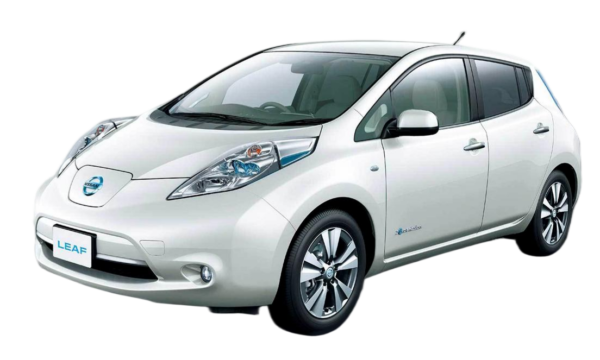
On a cold morning of 23°F (-5°C), I stared at the跳动 numbers on my Nissan Leaf’s dashboard—its full charge range was down to just 74.6 miles. This was my 2019 Leaf, which had been with me for five years. Its original rated range of 149.8 miles had long been cut in half by the passage of time. As one of the early adopters of electric vehicles, I found myself in a dilemma for the first time: should I reluctantly trade it in for a new car, or give my old companion a new “heart” to extend its life?
My name is Tom Wilson, an urban commuter. Over five years, I’ve driven this Leaf nearly 37,300 miles. Initially, its performance was impeccable—I only needed to charge it once a week for daily commutes, and it handled weekend short trips without a hitch. But starting from the fourth winter, the problem of range degradation became increasingly obvious. From the initial actual range of 124.3 miles, it gradually dropped to 93.2 miles, then 74.6 miles. Eventually, I had to carefully calculate the battery level even for daily commutes, fearing it would break down halfway. The most embarrassing incident was when I took my family camping in the suburbs. The round trip was only 111.8 miles, but I had to detour to a service area for a quick charge halfway, turning what should have been a pleasant trip into a messy hassle.
A Difficult Choice: The Temptation and Hidden Worries of Buying a New Car
Range anxiety completely disrupted my driving routine, and the idea of buying a new car popped up. I first checked the residual value of my old Leaf at a used car market. With five years of age and 37,300 miles, dealers offered only $11,600—considering it cost $40,600 when new, the five-year depreciation rate reached 71%, far higher than that of ordinary gasoline-powered cars. If I were to buy a new electric vehicle of the same class, whether it’s the new Leaf e+ or models from other brands, the after-tax price would be between $36,200 and $43,500, meaning I would need to invest an additional $24,600 to $31,900.
I carefully calculated the costs of buying a new car: a $14,500 down payment, a $21,750 loan repaid over three years with a monthly payment of nearly $650, plus annual insurance of about $333. The total investment over three years would be at least $36,200. More importantly, the technology iteration of new electric vehicles is extremely fast. No one can guarantee that range degradation won’t happen again in five years, and the residual value of the used car might be even lower by then. This “infinite loop” of cost pressure made me hesitant to buy a new car.
Cost Game: The Cost-Effective Breakthrough of Battery Replacement
Reminded by a friend, I started looking into battery replacement options. First, I consulted the Nissan official service center and learned that the quoted price for a factory-refurbished 40KWh battery was about $8,700(A 62kWh battery costs $16,500.). After replacement, the range could be restored to around 136.7 miles, but the service life was only guaranteed for one years. Although this option was cheaper than buying a new car, it couldn’t completely solve range anxiety—it was just a “temporary fix rather than a permanent solution.”
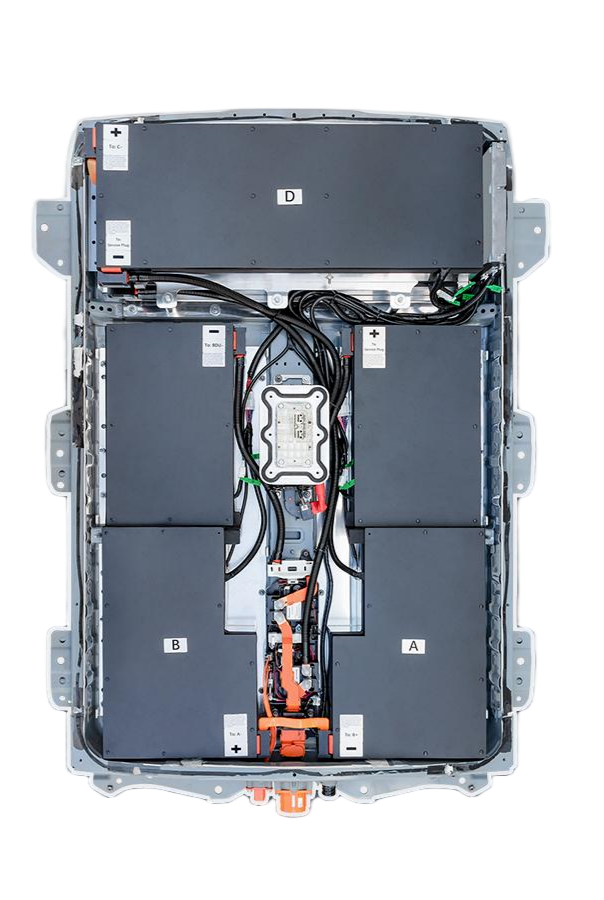
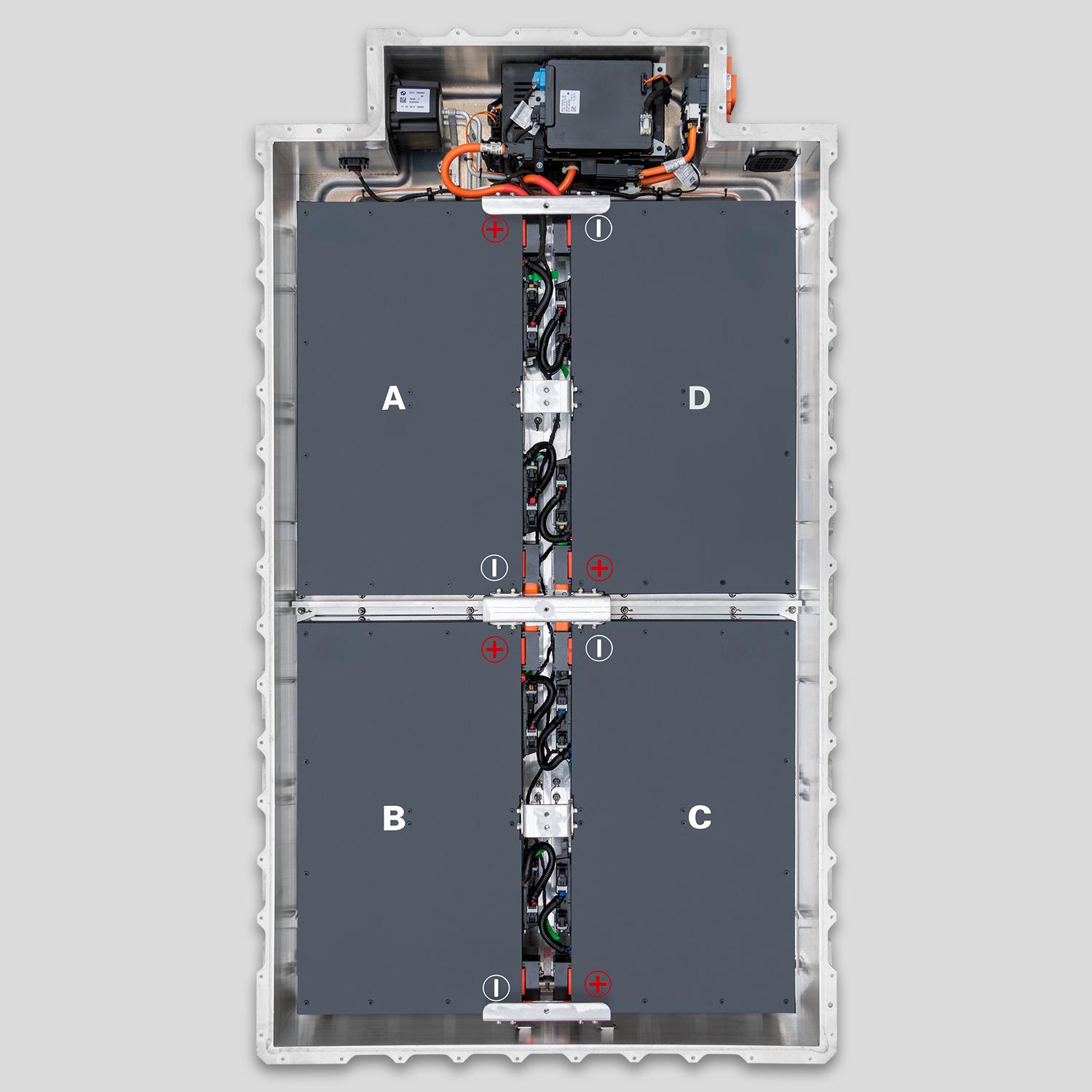
By chance, I learned about CNS BATTERY’s 62KWh third-party battery in an EV owner group, which is custom-made for older Leaf models. Its capacity is 55% higher than the original battery, and the quoted price is $7,300—$1,400 lower than the factory-refurbished 40KWh battery. At first, I had concerns about third-party batteries, worrying about compatibility, warranty, and safety issues. But after in-depth understanding, I found that CNS BATTERY offers a 2-year or 80,000-km warranty, and the battery adopts active cooling technology, which solves the core pain point of rapid battery degradation in older Leaf models.
I reorganized the cost comparison: replacing with the CNS 62KWh battery requires a one-time investment of $7,300, plus an installation fee of $700, totaling exactly $8,000—only about one-fifth of the cost of buying a new car. From a long-term perspective, the vehicle can stably serve for at least another five years after battery replacement, with an annual cost of only $1,600, far lower than the annual investment of buying a new car. More importantly, the 62KWh high-capacity battery can bring a qualitative leap in range, completely eliminating range anxiety. After a week of hesitation and calculation, I finally decided: give my old Leaf a new “heart.”
Reborn: The Transformation from 74.6 Miles to 236.1 Miles
The battery replacement process was smoother than I expected. Professional technicians completed disassembly, installation, and system matching in 3 hours. The entire visualized operation dispelled my last worry. When the vehicle restarted and the dashboard showed a full charge range of 239.2 miles, it felt like I was back to the day I picked up the car five years ago—that sense of peace of mind about range was finally back.
After a month of actual testing, the performance of this CNS 62KWh battery exceeded expectations. In urban commuting scenarios, with the air conditioning, music, and other devices on, the actual range can reach about 236.1 miles, 10% higher than the original new battery, and only one charge is needed for a week’s commute. On highways, maintaining a speed of 62.1 mph, the range can still stabilize above 198.8 miles, fully meeting the needs of weekend short trips. Even in a low-temperature environment of 14°F (-10°C), the range degradation is controlled within 20% after turning on the heater, with a full charge still reaching 186.4 miles—more than twice the winter range before the battery replacement.
In addition to the improved range, there were pleasant changes in the driving experience. Thanks to the higher energy density of the new battery, the vehicle’s center of gravity is more reasonably distributed, significantly enhancing stability when cornering. The acceleration response is also more brisk than before, not inferior to new electric vehicles at all. The charging efficiency is also worth mentioning—it only takes 40 minutes to charge from 30% to 80% using a DC fast charger, and a full charge can be completed overnight with a slow charger, making daily use very convenient.
Conclusion: The “Second Youth” of an Old EV
Now my Leaf has been with me for five years. The decision to replace the battery not only saved me a lot of money but also allowed me to keep the emotional bond with this old companion. In today’s era of rapid EV technology iteration, many people think that old electric vehicles should be eliminated once their range degrades. But my experience proves that choosing a reliable third-party high-capacity battery can not only give old electric vehicles a new lease on life but also maximize cost-effectiveness.
For old Leaf owners like me, the emergence of the CNS 62KWh battery is undoubtedly the optimal solution to solve range anxiety. It not only fixes the core shortcoming of the vehicle but also extends the value of the old electric vehicle. As I drive it through the city streets again, feeling the freedom brought by sufficient range, I know that the “second youth” of this old Leaf has only just begun.