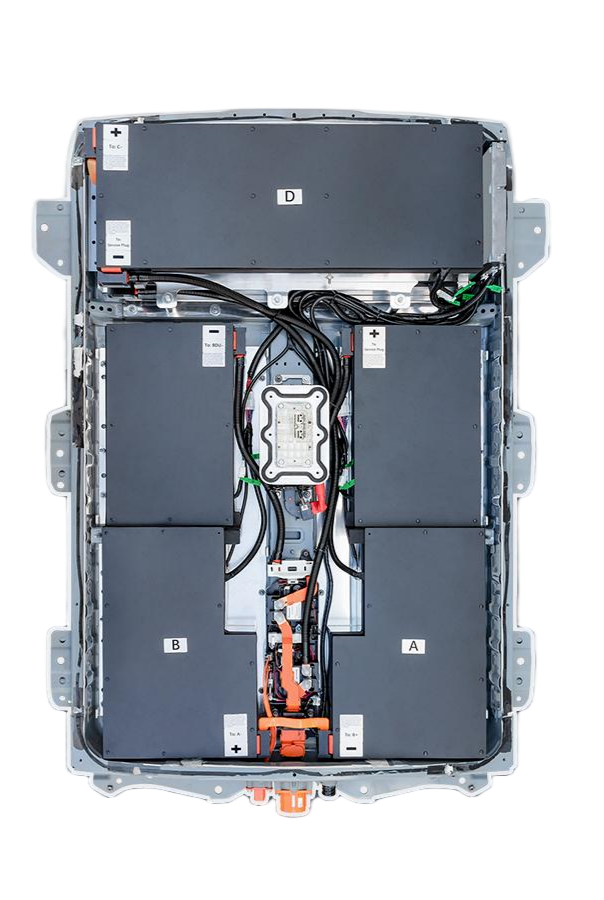
Here is the SEO-optimized article tailored for the BMW i3 audience, designed to rank well on Google while providing genuine value to readers looking to replace their high-voltage battery.
Real-World BMW i3 Battery Replacement Experiences: Costs, Upgrades & DIY Tips
Your BMW i3 is a masterpiece of engineering, but even the best electric cars face the inevitable: battery degradation. If you are staring at a shrinking range or a “High Voltage Battery Needs Service” warning, you are not alone. The BMW i3, while iconic, is now entering an age where the original battery packs are reaching the end of their lifespan.
The biggest hurdle? The factory replacement cost. Estimates often exceed $16,000 to $20,000 USD at a dealership. For many loyal i3 owners, this price tag makes buying a new car seem like the only option. But what if you could keep your beloved i3 on the road for another 100,000 miles with a brand-new, high-capacity battery at a fraction of the cost?
Based on real-world data and feedback from owners who have taken the plunge, this guide explores the modern landscape of BMW i3 battery replacements, focusing on affordability, performance upgrades, and what to expect during the swap.
📉 The Reality of i3 Battery Degradation
BMW i3 batteries, especially the earlier models, are susceptible to capacity loss. You might notice:
- The “Turtle Mode”: The car drastically reduces power to protect the battery.
- Reduced Usable Capacity: A 22kWh car might only show 19kWh available.
- Software Lockouts: As cells degrade, the BMS (Battery Management System) locks out modules to maintain balance.
While BMW offered a “Life Cycle” program in the past, those parts are drying up. The aftermarket is now the primary solution, and the experiences are surprisingly positive.
💰 The Cost Comparison: Dealership vs. Aftermarket
The financial decision is often the deciding factor. Let’s break down a realistic comparison based on 2026 market data.
| Cost Factor | Dealership (OEM) | Premium Aftermarket (e.g., CNS) |
|---|---|---|
| Battery Price | $16,000 – $22,000+ | $4,500 – $7,500 |
| Labor (Est.) | $1,500 – $2,500 | $800 – $1,500 |
| Total Estimated Cost | $18,000+ | $6,000 |
| Warranty | Standard Factory (Varies) | 2 Years / 80,000 km |
| Cell Quality | Original Supplier | Brand New CATL / Top-Tier Cells |
Note: Prices are estimates based on aggregated repair shop data and manufacturer quotes.
As you can see, opting for a specialized aftermarket solution can save you over 60% compared to a dealership. This isn’t about using old, recycled cells from junkyards; modern suppliers utilize brand-new, A-grade cells from manufacturers like CATL.
🚀 Upgrading Beyond OEM: The Capacity Boost
One of the most exciting “real-world” experiences shared by i3 owners is the ability to upgrade their capacity, not just replace it.
Many owners are swapping their old 22kWh or 42kWh packs for modern 50kWh or 62kWh lithium-ion modules. This isn’t just restoring the car to “like new” condition; it’s making it better.
- Real-World Result: Owners report increasing their range from a struggling 80 miles to a robust 180+ miles on a single charge.
- Compatibility: These upgraded packs are engineered to fit the OEM footprint and communicate seamlessly with the i3’s existing BMS and cooling systems.
⚙️ What is the Installation Process Like?
Based on feedback from mechanics and DIY enthusiasts, replacing the i3 battery is a significant but manageable job.
1. The Physical Swap
The i3’s Life module design means the battery is integrated into the chassis. The process involves:
- Disconnecting high-voltage components.
- Removing the underbody protection.
- Lifting out the old “Tupperware” battery tray.
- Installing the new pack and resealing.
2. BMS Programming & Coding
This is the critical step. Unlike a simple “plug-and-play” accessory, the new battery needs to handshake with the car’s computer.
- Real-World Tip: Look for suppliers that offer free remote video support. Many owners report that with a technician on a video call guiding them through the coding process (using tools like ISTA or generic OBD2 programmers), the integration is smooth and takes less than an hour.
🛡️ Trust & Warranty: The Safety Net
When spending thousands on a battery, trust is paramount. Here is what separates a reliable supplier from a risky gamble, based on user reviews:
- Warranty Coverage: A standard industry warranty is often 1 year. Leading suppliers now offer 2 Years or 80,000 km. This long warranty signals confidence in the cell quality and construction.
- Cell Source: Avoid “repacks” using salvaged cells. Demand brand-new, never-used cells (typically from CATL or similar Tier-1 manufacturers). New cells mean no hidden degradation and a lifespan measured in decades, not years.
- Customer Support: The best experiences come from companies that offer direct technical support. If you get stuck wiring a sensor, you want an engineer on the other end of an email or call, not an automated chatbot.
📝 Final Verdict: Is a Battery Swap Worth It?
If you love your BMW i3, the answer in 2026 is a resounding yes.
The data and real-world experiences show that you can revive your electric runabout with a brand-new, high-capacity battery for less than half the cost of a new economy car. You gain modern lithium-ion reliability, increased range, and the satisfaction of extending the life of a unique vehicle.
Ready to Get Your i3 Back on the Road?
Don’t let a dead battery force you into a new car payment. Explore your replacement options today.
👉 Get Your Free BMW i3 Battery Quote & Compatibility Check
❓ Frequently Asked Questions (FAQ)
1. Will a new aftermarket battery void my BMW warranty?
Generally, if your car is older than 5-7 years (which most i3s are), the factory warranty has expired. For cars still under warranty, specific components related to the modification might be affected. However, reputable suppliers ensure their batteries match OEM voltage and specifications to avoid damaging other systems. Always check your specific regional lemon laws and warranty terms.
2. How long does a new aftermarket BMW i3 battery last?
With brand-new A-grade cells, you can expect a lifespan similar to a new EV—typically 10 to 15 years or 200,000+ miles, depending on charging habits and climate. This is significantly longer than “remanufactured” or “recycled” packs made from used cells.
3. Is the installation dangerous?
Working with high-voltage (HV) systems is inherently dangerous. While the physical removal is mechanical, the electrical connection and coding require expertise. It is highly recommended to use a certified mechanic or a shop experienced with EVs. Many owners use the “DIY with pro labor” approach: buy the battery online and pay a local shop just for the installation.
4. Do these batteries come with thermal management (cooling)?
Yes. A quality replacement battery must replicate the OEM cooling channels. Suppliers like CNS design their packs with integrated cooling plates compatible with the i3’s existing glycol loop to ensure the new cells operate at peak efficiency and safety.
5. How do I know if my specific BMW i3 model is compatible?
Compatibility depends on the year and the specific battery module (e.g., 94Ah vs. 120Ah chemistry). The best way to confirm is to use a VIN (Vehicle Identification Number) compatibility check. Reputable suppliers can cross-reference your VIN to guarantee a perfect fit before you purchase.