Here is the SEO-optimized article based on the provided requirements and reference materials.
Weighing Your Options: The Pros and Cons of BMW i3 Battery Replacement
If you own a BMW i3, you likely cherish its nimble handling, futuristic design, and efficient city driving. However, like all electric vehicles, the battery pack is its beating heart—and it has a finite lifespan. When the dreaded “Battery Degradation” warning appears, or your range drops below a usable level, you face a critical decision: replace the battery or replace the car.
As a dedicated provider of BMW i3 battery replacements, CNS BATTERY understands the emotional and financial stakes involved. We specialize in providing high-performance, OEM-compatible solutions that breathe new life into your electric vehicle. Before you make your choice, let’s break down the pros and cons of BMW i3 battery replacement to help you decide the best path forward.
The Case for Replacement: Why Keep Your BMW i3?
Replacing the battery pack in your BMW i3 is often the most economical way to restore your vehicle’s original performance. Unlike buying a new car, a battery swap allows you to retain the low-mileage chassis, pristine interior, and unique features of your existing vehicle.
Pro #1: Significant Cost Savings The most compelling argument for replacement is the price tag. Purchasing a brand-new BMW i3 can cost upwards of $45,000 to $50,000. In contrast, a high-quality replacement battery pack, such as those offered by CNS BATTERY, typically costs about 50% less than the original manufacturer’s price. This allows you to drive your car for thousands of miles more at a fraction of the cost of a new vehicle.
Pro #2: Environmental Sustainability Replacing the battery is inherently greener. It reduces the demand for new raw materials and minimizes the carbon footprint associated with manufacturing an entirely new car. By choosing a replacement, you are actively participating in a circular economy, keeping a functional vehicle on the road and out of the scrapyard.
Pro #3: Restored Performance and Range Modern replacement batteries utilize brand-new, high-density cells (such as those from CATL). This means you can often upgrade your range compared to the original factory specifications. For instance, upgrading from a 45kWh pack to a 62kWh or 68kWh solution can transform your driving experience, eliminating range anxiety and restoring the “new car” feeling.
The Challenges: Understanding the Cons
While the benefits are substantial, replacing a high-voltage battery pack is not without its hurdles. It is essential to approach this decision with eyes wide open to the potential drawbacks.
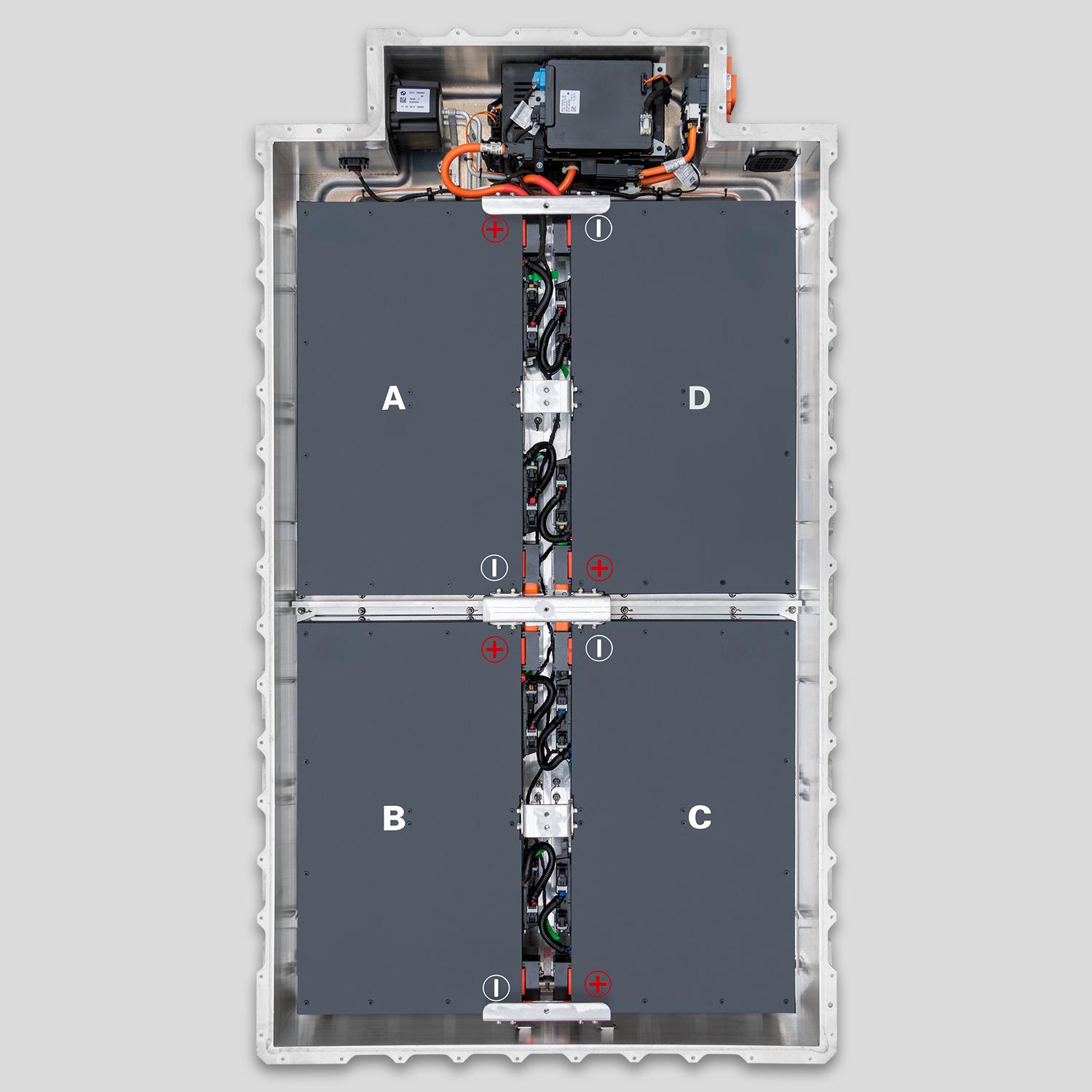
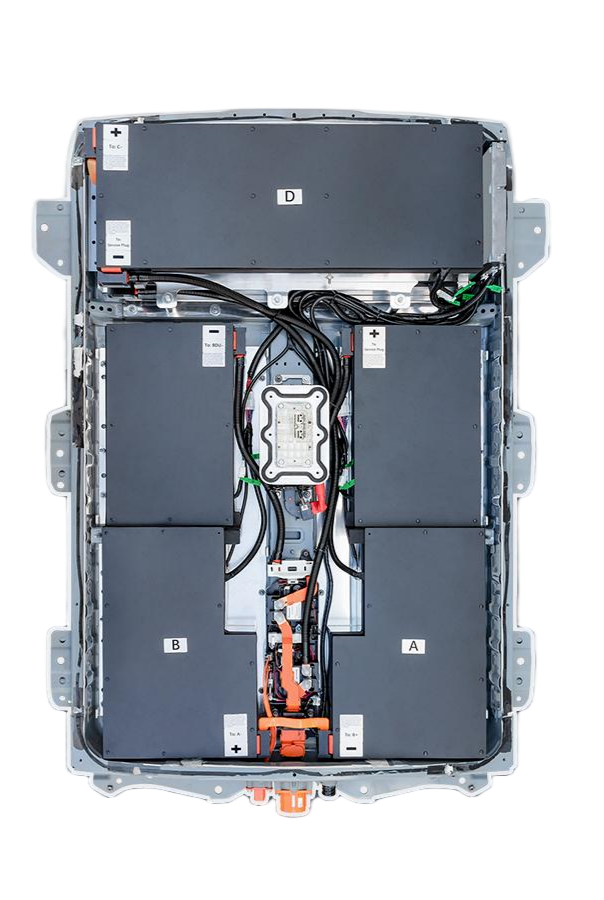
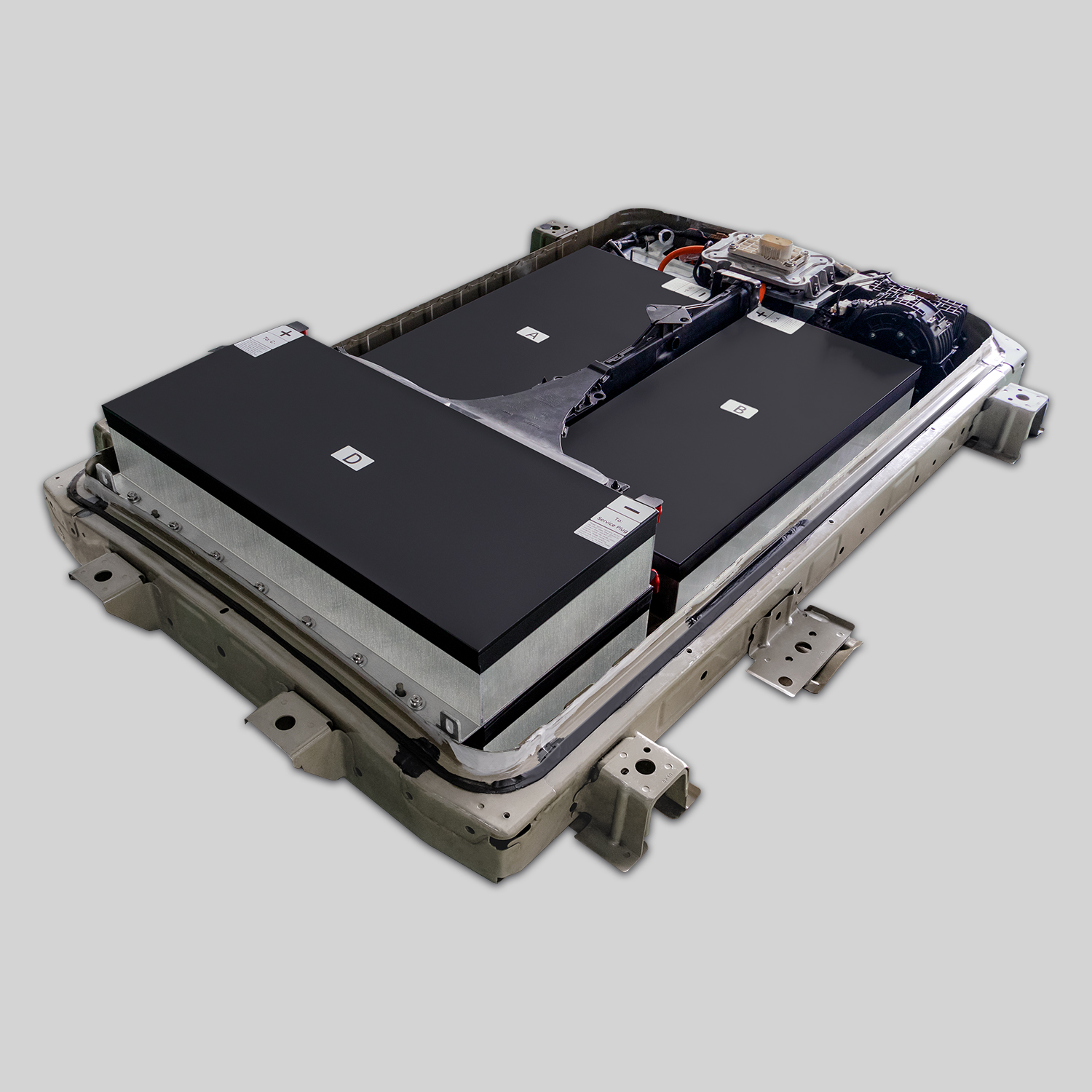
Con #1: The Complexity of Installation The BMW i3 features a unique LifeDrive architecture, meaning the battery is integrated into the vehicle’s structure. Installation is not a simple plug-and-play task for the average DIYer. It requires specialized tools, knowledge of high-voltage safety protocols, and often the reprogramming of the Battery Management System (BMS). If you lack professional mechanic support, this can add significant labor costs to the project.
Con #2: Compatibility and Integration Risks Not all batteries are created equal. Using a low-quality or incompatible pack can lead to communication errors with the car’s dashboard, reduced performance, or even safety hazards. There is also the risk of voiding your remaining vehicle warranty if the replacement is not performed correctly or if the parts do not meet OEM standards.
Con #3: Time and Logistics Unlike a standard oil change, a battery replacement can take several hours or even a full day to complete. Additionally, sourcing the correct parts can involve lead times, especially if you are looking for specific capacity upgrades or rare configurations.
Making the Decision: Refurbished vs. New vs. CNS Solution
To clarify your options, let’s compare the typical choices available in the market today.
| Comparison Factor | Refurbished/Old Stock Batteries | Original Manufacturer (OEM) | CNS BATTERY Solution |
|---|---|---|---|
| Cell Quality | Often degraded, recycled, or mixed batches | Brand new OEM cells | Brand new CATL cells (Top-tier quality) |
| Price Point | Low upfront cost, but high risk | Very Expensive (Premium) | Approx. 50% of OEM price (High Value) |
| Warranty | Short or Non-existent | Standard Warranty | 24 Months / 80,000 km (Unbeatable) |
| Performance | Unpredictable, prone to swelling | Factory Standard | Exceeds industry standards, Zero-fault |
| Longevity | Short lifespan, high failure rate | Reliable but costly to replace | Stable, durable, long-term use |
Why the CNS BATTERY Solution Stands Out: At CNS, we bridge the gap between affordability and quality. We do not offer refurbished junk or unbranded knock-offs. Our BMW i3 battery packs are engineered using brand-new, premium-grade cells. We understand that trust is the most critical component of any EV battery sale. That is why we back our products with a warranty that surpasses most industry standards.
The CNS BATTERY Advantage for Your BMW i3
If you decide that replacement is the right choice, CNS BATTERY is here to support you every step of the way. We have spent over a decade refining our technology to ensure perfect compatibility with BMW models.
1. Uncompromised Safety and Quality We utilize cells from CATL, one of the world’s largest and most reputable battery manufacturers. This ensures that your replacement pack meets the highest safety standards, preventing issues like thermal runaway or cell swelling that are common with inferior products.
2. Expert Technical Support We know the installation can be daunting. That is why our team offers comprehensive support, including step-by-step installation videos and remote video guidance. Whether you are a professional mechanic or a seasoned DIY enthusiast, our experts are available to guide you through the BMS programming and wiring process to ensure a seamless fit.
3. Future-Proof Your Investment With a 2-year or 80,000 km warranty, you can drive with confidence. We guarantee that our batteries maintain at least 70% capacity over the warranty period, ensuring you get the mileage you paid for.
Frequently Asked Questions (FAQ)
Q1: Can I install a CNS BMW i3 battery myself? Yes, many of our customers are professional mechanics or skilled DIY enthusiasts. We provide detailed installation manuals, high-definition tutorial videos, and even free remote video guidance to assist with the process. However, due to the high-voltage nature of the system, we strongly recommend having it installed by a certified technician to ensure safety and avoid voiding the warranty.
Q2: How much range can I expect after replacing the battery? The range depends on the specific capacity (kWh) you choose. For example, upgrading to a 62kWh or 68kWh pack can significantly increase your driving range compared to older models. Real-world feedback from our customers indicates a full charge range of approximately 290km or more, depending on driving conditions and climate.
Q3: Is the battery compatible with my specific BMW i3 model year? CNS BATTERIES are designed specifically for BMW i3 models, ensuring broad compatibility. We support various series, including the standard i3 and specific variants. To guarantee a perfect fit, we offer a free compatibility assessment. Simply provide your vehicle’s VIN code or model year to our customer service team for instant confirmation.
Q4: What payment and shipping options are available? We offer various secure payment methods and provide DDP (Delivered Duty Paid) service to most countries worldwide. This means we handle all the complexities of shipping, customs duties, and clearance, delivering the battery right to your door.
Ready to Revive Your BMW i3?
Replacing your BMW i3 battery is a smart investment in both your wallet and the environment. By choosing a high-quality, affordable solution from CNS BATTERY, you avoid the exorbitant costs of a new car while enjoying the latest battery technology.
Don’t let a failing battery force you into an unwanted purchase. Take the first step towards restoring your BMW i3’s performance today.