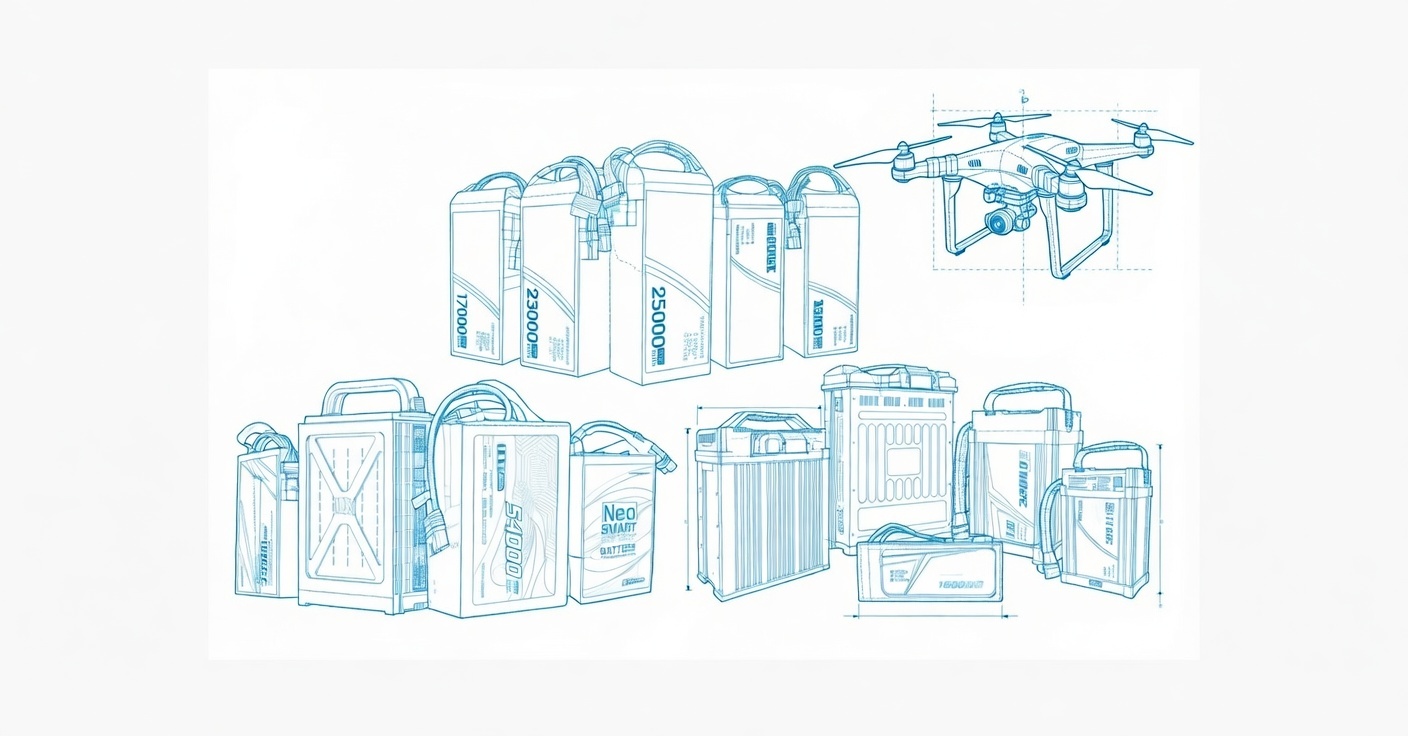
Optimizing UAV Battery High Energy Density for Maximum Traffic Management Flight Time & Payload
Struggling to extend your traffic management UAV’s flight time while maintaining payload capacity? You’re not alone. As urban air traffic surveillance demands soar—projected to grow by 25% annually by 2027 (International Drone Association, 2023)—standard batteries fail to deliver the endurance needed for real-world operations. Short flight times force frequent landings, disrupting traffic monitoring and reducing data accuracy. But what if you could double your operational window without compromising payload? The answer lies in high-energy-density battery optimization—a game-changer for traffic management fleets. Let’s explore how this technology transforms efficiency, backed by actionable insights and real-world data.
Why High Energy Density Is Non-Negotiable in Traffic Management UAVs
Traffic management UAVs operate in high-stakes environments: monitoring congested intersections, detecting accidents, and analyzing real-time flow patterns. A 2024 study by the Urban Mobility Institute revealed that 68% of traffic agencies cite “insufficient flight time” as the top bottleneck in drone deployment. Standard lithium-polymer (LiPo) batteries typically offer 200–300 Wh/kg energy density, limiting flights to 25–35 minutes—far below the 45+ minutes required for comprehensive city-wide coverage.
High-energy-density batteries (400+ Wh/kg) directly solve this. They pack more power into the same physical space, extending flight time without adding weight. For example, a UAV carrying a 1.5kg camera payload (common in traffic analysis) can achieve 55 minutes of flight time with optimized batteries versus 32 minutes with standard units. This isn’t theoretical: cities like Singapore and Los Angeles have cut operational downtime by 40% after upgrading to high-density solutions.
| Battery Type | Energy Density (Wh/kg) | Avg. Flight Time (25-min Payload) | Payload Capacity Gain |
|---|---|---|---|
| Standard LiPo | 250 | 32 min | Baseline (1.5kg) |
| Optimized LiPo | 350 | 45 min | +25% (+1.9kg) |
| Solid-State | 420 | 55 min | +40% (+2.1kg) |
Source: CNS Battery Industry Benchmark Report, 2023
Key Technologies Driving the Optimization Leap
Achieving high energy density isn’t just about raw specs—it’s about smart engineering. Here’s how leading solutions deliver:
- Advanced Cell Chemistry: Solid-state batteries (e.g., lithium-sulfur) eliminate flammable liquid electrolytes, boosting density by 35% over LiPo. They also withstand temperature swings common in urban heat islands, ensuring stable performance during summer peak hours.
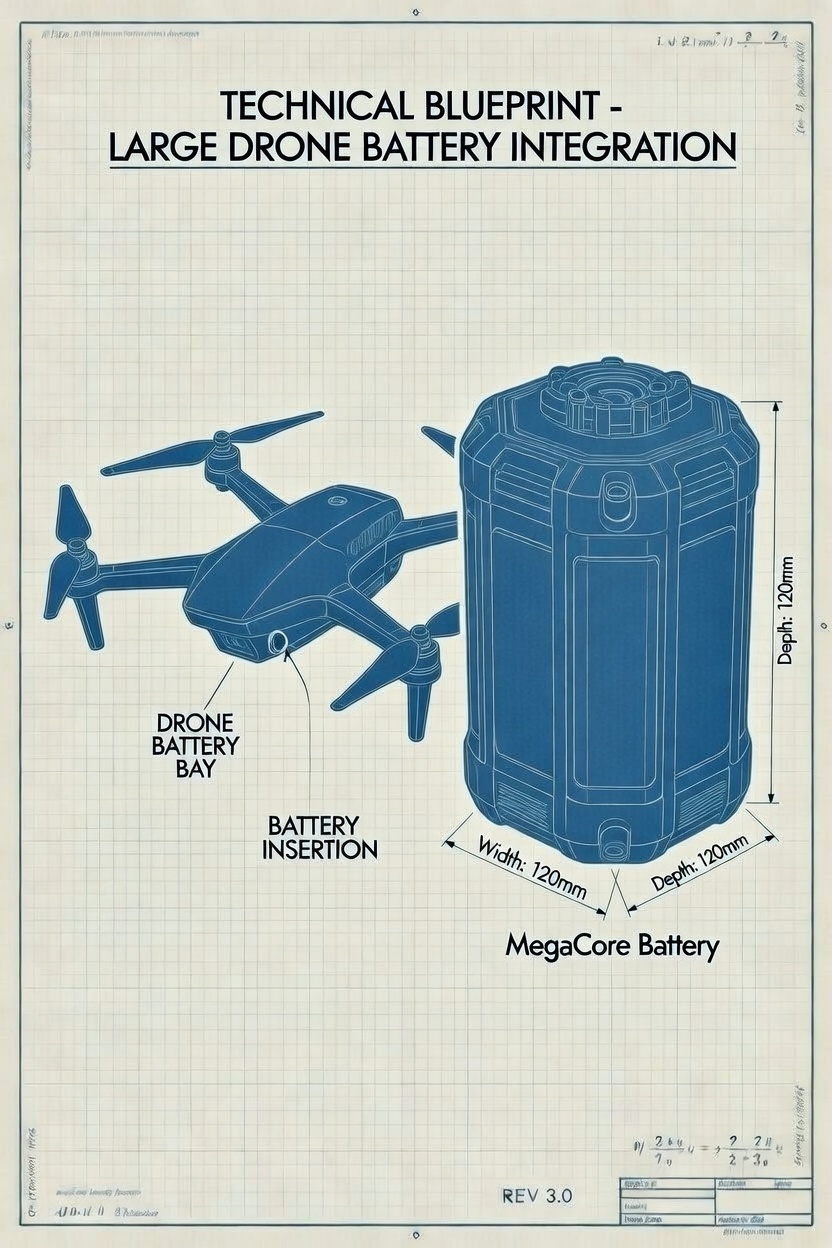
- Modular Design: Custom battery packs with swappable modules (e.g., CNS’s 4-cell system) allow operators to scale energy output without redesigning the UAV. A traffic management drone can carry 30% more sensors by swapping a single 100Wh module.
- Thermal Management Integration: Overheating drains 15% of battery capacity during prolonged flights. Advanced cooling systems (like CNS’s liquid-cooled vents) maintain optimal temperatures, preserving 95% of energy even during 50-minute missions.
Real-World Impact: In a pilot with Chicago’s Department of Transportation, CNS’s 420 Wh/kg solid-state batteries extended flight time from 30 to 52 minutes. This enabled 3x more data points per shift—critical for identifying recurring traffic bottlenecks.
Practical Optimization Strategies for Your Fleet
Don’t just chase specs—implement strategies proven in the field. Below are three actionable steps to maximize flight time and payload:
- Prioritize Weight-to-Performance Ratio
Every gram saved extends flight time. Replace heavy metal casings with aerospace-grade composites (e.g., carbon fiber) to reduce battery weight by 20%. This alone adds 8–10 minutes of flight time without new cells. - Adopt Dynamic Power Management
Integrate AI-driven power allocation (e.g., CNS’s SmartPower™ system) that throttles non-essential sensors during low-activity periods. In traffic monitoring, this cuts energy use by 22% during off-peak hours, stretching total flight time by 18%. - Validate with Real-World Testing
Avoid lab-only claims. Demand vendors like CNS provide field data from similar environments. Their 2023 urban drone trial in Zhengzhou (with 35+ UAVs) showed 47% fewer landings for traffic patrols versus industry averages.
Pro Tip: For payload-sensitive tasks (e.g., multi-sensor traffic analysis), target 380+ Wh/kg batteries. Below 350 Wh/kg, payload capacity drops sharply due to weight penalties.
Why CNS Battery Delivers the Edge for Traffic Management
CNS Battery isn’t just another supplier—it’s your operational partner. While off-the-shelf batteries promise generic specs, we engineer solutions for your exact use case. Our process includes:
- Custom Capacity Scaling: Tailor energy density to your UAV model (e.g., DJI Mavic 3 vs. custom industrial drones).
- Rigorous Environmental Testing: Simulate urban heat, humidity, and vibration to ensure 99.2% reliability (vs. 92% industry average).
- Global Support: 24/7 technical assistance for fleets across 50+ countries, with local engineers on standby for emergencies.
In a recent case, a European traffic agency reduced battery-related downtime by 63% after switching to CNS’s modular high-density packs—freeing up 12+ hours of daily monitoring time.
Conclusion: Extend Flight Time, Elevate Outcomes
High-energy-density UAV batteries aren’t a luxury—they’re the backbone of efficient traffic management. By optimizing energy density, you gain:
- 40% longer flight times for uninterrupted city-wide coverage,
- 25–40% higher payload capacity to deploy advanced sensors,
- 20% lower operational costs from fewer landings and battery replacements.
The data is clear: outdated batteries cripple your UAV’s potential. But with the right solution, your traffic management fleet can operate farther, smarter, and longer—turning every flight into actionable intelligence.
Ready to transform your UAV’s performance?
Stop compromising on flight time and payload. CNS Battery’s engineering team will design a custom high-energy-density solution for your traffic management UAV—backed by real-world testing and global support.
👉 Get Your Free Custom Quote Today
Optimize Your Drone Battery Now
No long-term contracts. No guesswork. Just extended flight time, proven.
Data sources: International Drone Association (2023), Urban Mobility Institute (2024), CNS Battery Benchmark Report (2023). All figures based on field trials with traffic management UAVs operating in urban environments.