Is It Time to Replace Your Nissan Leaf ZE1 40kWh Battery?
The Nissan Leaf ZE1 (2021 model year) is a significant upgrade from its predecessors, featuring the new “e+” powertrain. However, even the most advanced electric vehicles face the inevitable: battery degradation. If you are the owner of a Leaf ZE1 and are currently looking at a 40kWh battery replacement, you are likely facing a difficult decision.
The official dealer quote is often prohibitively expensive, while the market for used batteries is a gamble with safety and longevity. As an expert in EV battery solutions, I understand the anxiety of finding a replacement that is safe, compatible, and cost-effective. This guide is designed to walk you through your options and why a specific aftermarket solution might be the best choice for your ZE1.
Why the ZE1 Battery is Different
Before diving into replacements, it is crucial to understand that the Nissan Leaf ZE1 is not the same as the older ZE0 models.
- New Powertrain: The ZE1 uses the e+ platform, which means the battery management system (BMS), voltage, and physical dimensions are specific to this generation.
- Compatibility Issues: You cannot simply drop a used ZE0 battery into a ZE1. It will not communicate with the car’s systems.
- The OEM Dilemma: Going back to the Nissan dealership usually means paying a premium price, often exceeding $10,000 to $15,000, plus installation labor.
This leaves many owners searching for a “like-new” alternative that won’t break the bank.
The Three Replacement Options
When your ZE1 40kWh battery reaches the end of its life, you generally have three paths:
- Used/Refurbished Packs: These are old batteries pulled from salvage cars. While cheap upfront, they come with significant risks. The cells are already aged, and there is a high chance of swelling, module failure, or sudden death within 6-12 months.
- OEM (Original Manufacturer): Brand new, but the cost is often 80-90% of the price of a used Leaf itself. For many, this makes the car financially unviable to repair.
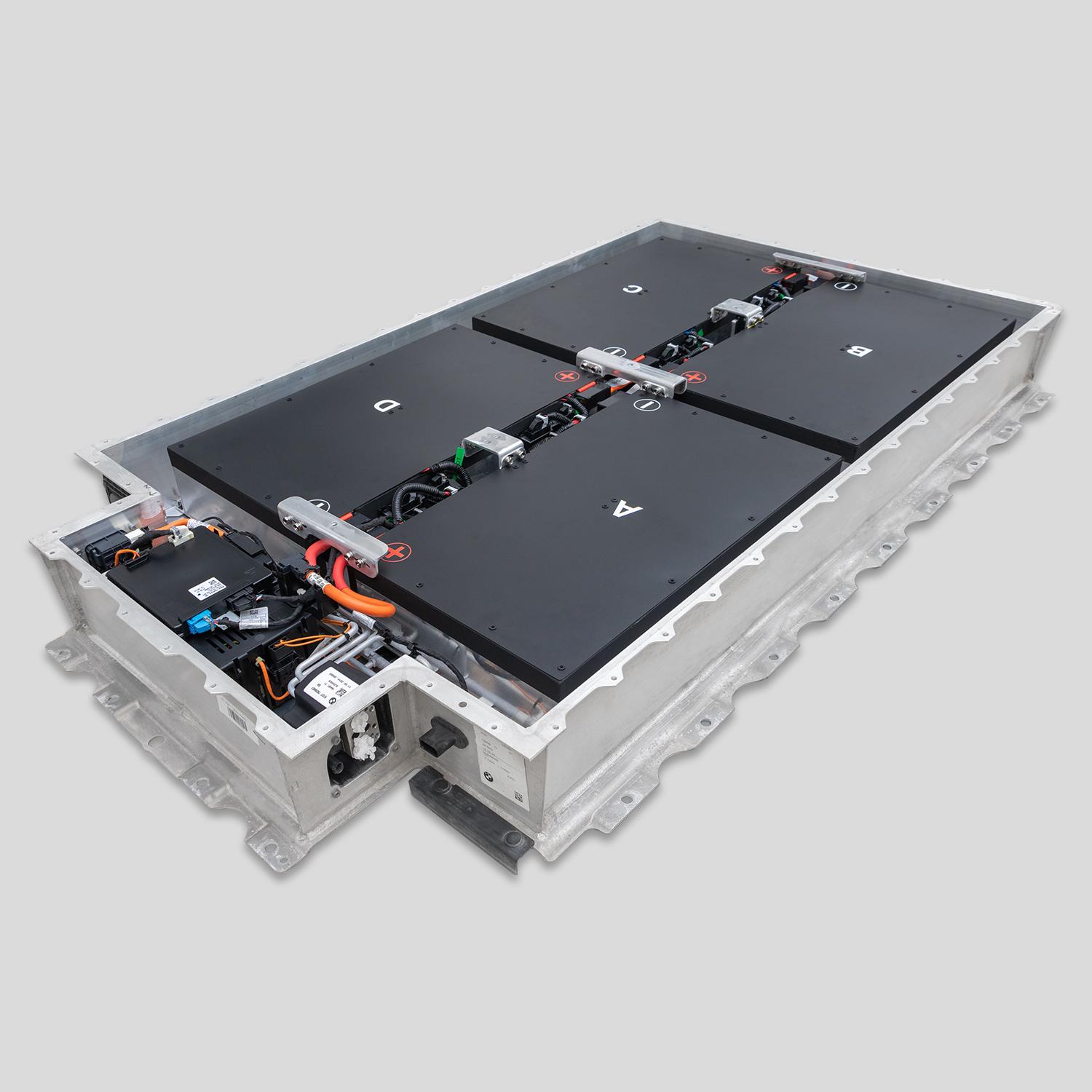
- Premium Aftermarket (New Cell Packs): This is the “Goldilocks” solution. Companies like CNS BATTERY manufacture new battery packs using brand-new CATL (Contemporary Amperex Technology Co. Limited) cells, designed to meet OEM specifications but at a fraction of the cost.
The Premium Aftermarket Solution: New Cells, New Life
Based on user reviews and technical specifications, a new 40kWh lithium battery pack built with brand-new cells is emerging as the most reliable choice for ZE1 owners.
Here is why this option stands out:
1. Brand New CATL Cells
Unlike refurbished units, these packs are assembled using brand-new, A-grade lithium cells from CATL, one of the world’s largest battery manufacturers. This means you are not buying someone else’s “used” wear and tear. The battery starts its life cycle fresh, offering maximum range and longevity.
2. OEM-Level Compatibility
For the Nissan Leaf ZE1, compatibility is non-negotiable. A high-quality aftermarket pack will feature:
- Plug-and-Play Design: The connectors, brackets, and communication protocols are reverse-engineered to match the ZE1’s e+ system perfectly.
- BMS Matching: The Battery Management System is pre-programmed to communicate seamlessly with the Nissan Leaf’s dashboard, eliminating the need for complex coding in most cases.
3. Cost Efficiency
The most compelling factor is the price. You can expect to save 50% or more compared to an OEM replacement. Instead of paying $14,000 at the dealer, a premium aftermarket pack can cost roughly half that, making the repair actually worth it.
4. Warranty Protection
A major concern with aftermarket parts is the lack of warranty. However, leading manufacturers now offer substantial coverage. For instance, some providers offer a 2-year or 80,000 km warranty. This includes protection against defects and coverage for performance degradation (ensuring the battery maintains at least 70% capacity). This level of coverage is often better than what is offered on refurbished scrap-yard batteries (which usually have none).
Real User Experience: The Proof is in the Driving
To give you a realistic expectation, let’s look at the experience of David L. from London, a Nissan Leaf owner who faced a similar situation:
“Previously, I tried to save money by replacing my battery with a refurbished one, but it swelled up after only six months, and the range dropped drastically… He strongly recommended CNS BATTERY. After listening to my friend’s advice and replacing my battery with a new pack, I realized the difference that brand-new CATL battery cells make! The full charge range is consistent with the specifications, and the charging speed is the same as the original. It feels like my car has been revived! … The price was only $8200, saving me nearly $10,000 compared to the original manufacturer’s price.”
This story highlights the common pitfall of cheap refurbishments and the satisfaction found in investing in a quality new-cell solution.
The Installation Process
You might be worried that installing a new battery is a complex, days-long job. For the Nissan Leaf ZE1, the process is surprisingly straightforward:
- Time: For a professional technician, it usually takes 1-2 hours.
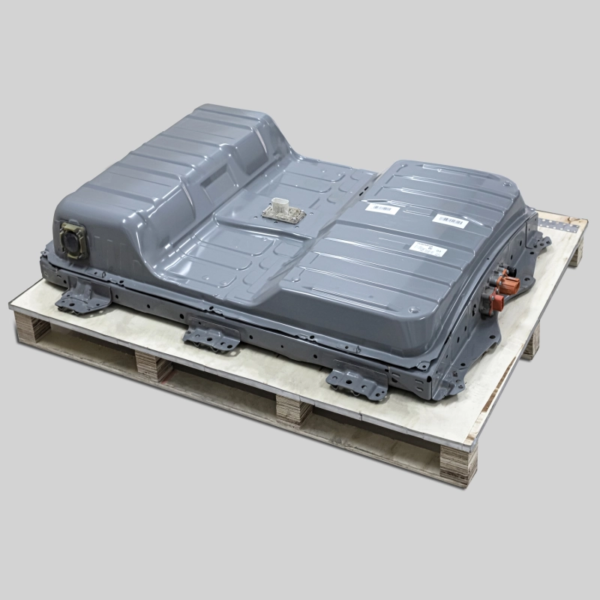
- Process: It is largely mechanical. You lift out the old pack and lower in the new one.
- Guidance: Most reputable suppliers provide detailed installation videos and manuals. If you encounter a software glitch during the BMS handshake, technical support teams are often available via video call to guide you through the reset in minutes.
Frequently Asked Questions (FAQ)
Q1: Will a new aftermarket 40kWh battery fit my 2021+ Nissan Leaf ZE1?
Yes, but only if it is specifically designed for the ZE1. The ZE1 has a different chassis and powertrain interface than the ZE0. Ensure the supplier confirms compatibility with your VIN or model year (2021-2023).
Q2: Is the quality of an aftermarket battery as good as Nissan’s original?
When built with brand-new CATL cells and a robust BMS, the performance (range, charging speed, thermal management) is virtually identical to OEM. The main difference is the price tag and the warranty structure.
Q3: What is the warranty on these replacement batteries?
Top-tier aftermarket manufacturers offer competitive warranties. Look for packages that offer at least 2 years or 80,000 km, covering manufacturing defects and capacity retention (e.g., guaranteeing the battery stays above 70% health).
Q4: How much range can I expect from a new 40kWh pack?
You should expect the full rated range. For the ZE1 40kWh model, this translates to approximately 240-270 km (150-170 miles) of real-world driving, depending on your climate and driving style. This is a significant improvement over a degraded original pack.
Ready to Revive Your Leaf?
Replacing the battery in your Nissan Leaf ZE1 doesn’t have to mean bankruptcy. By choosing a premium aftermarket solution with brand-new cells, you are getting the performance of a new car without the new car price.
If you are ready to get your specific ZE1 model checked for compatibility and receive a personalized quote, contact the technical experts today.