Nissan Leaf ZE0 Battery Replacement Tutorial: Step-by-Step for 2011-2017 Models
Is your 2011-2017 Nissan Leaf (ZE0 generation) suffering from severe range loss or erratic charging? The ZE0’s air-cooled 24kWh or 30kWh battery is prone to degradation over time, especially in extreme climates—but replacing it doesn’t have to be a job for expensive dealerships. This Nissan Leaf ZE0 Battery Replacement Tutorial breaks down the entire process for DIY enthusiasts and owners seeking transparency, with critical safety tips, tools lists, and model-specific notes to ensure success. As CNS BATTERY’s EV specialists, we’ll guide you through every step, from prepping your workspace to post-installation testing, while highlighting how OEM-grade batteries elevate reliability.
ZE0 Leaf Overview: Key Details for Battery Replacement
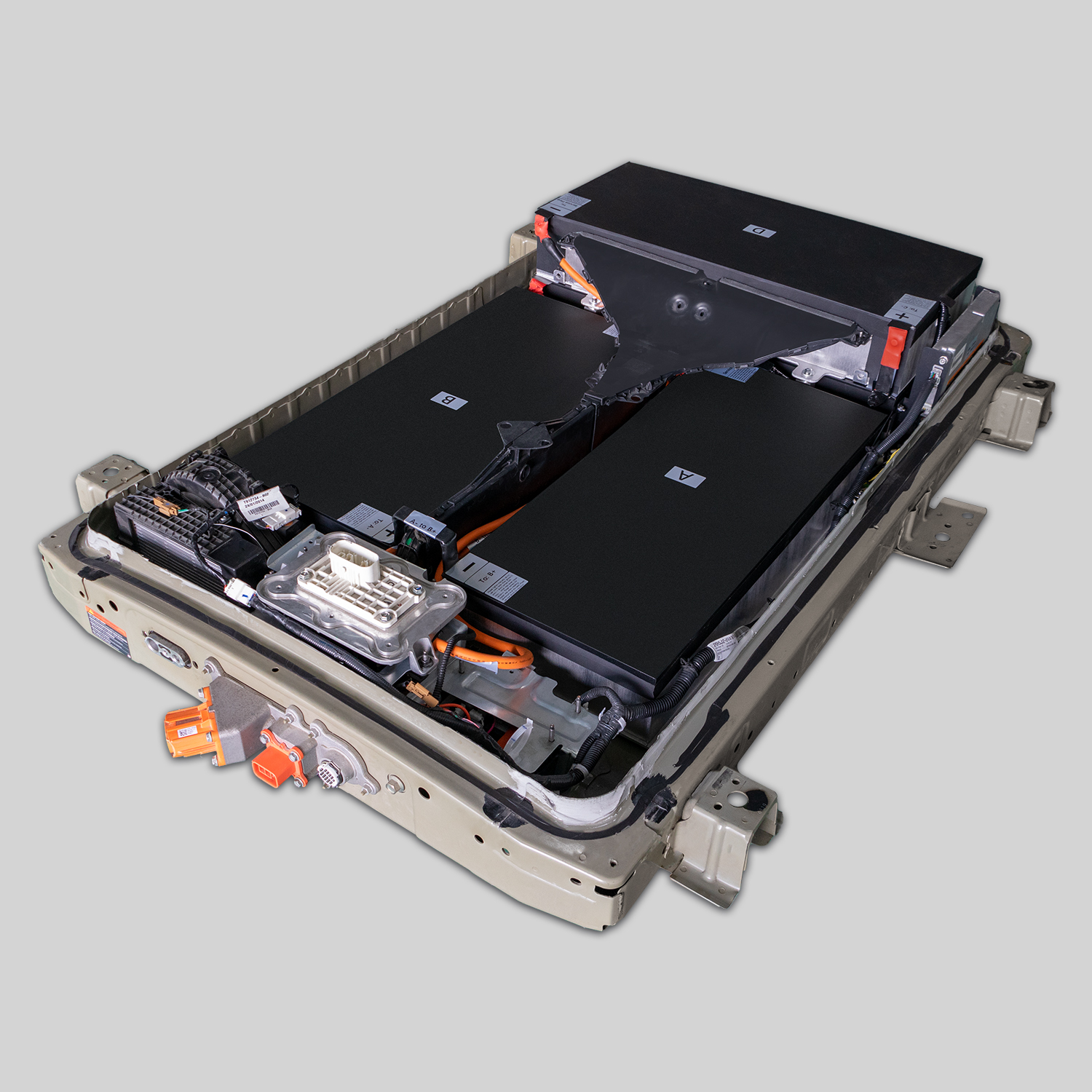
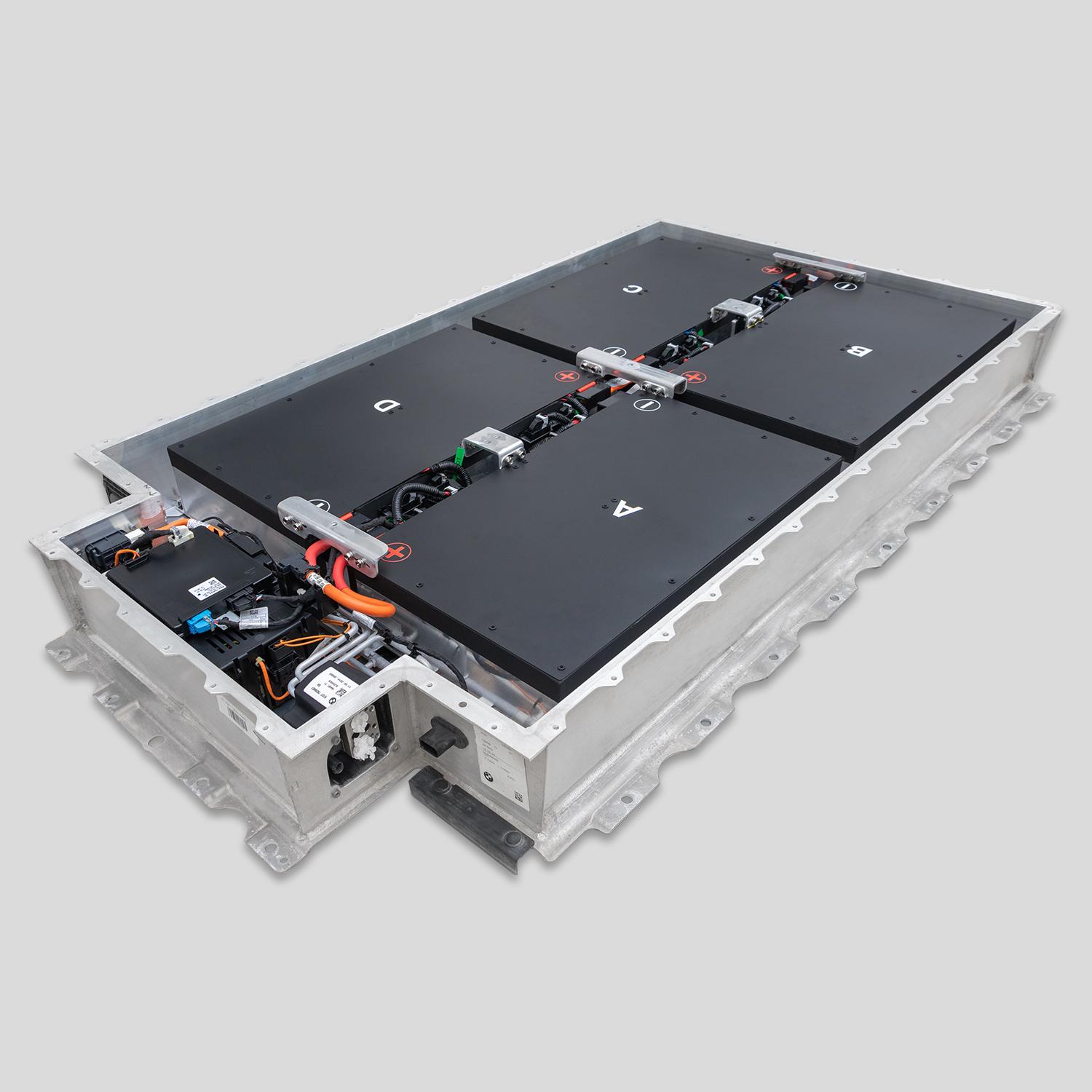
The ZE0 generation (2011-2017) Nissan Leaf uses air-cooled lithium-ion batteries—either 24kWh (2011-2015) or 30kWh (2016 SV/SL trims). Unlike newer ZE1 models with liquid cooling, ZE0’s simpler cooling system simplifies replacement, but it also demands careful inspection of vents and wiring. Before starting, confirm your Leaf’s battery type (check the owner’s manual or battery tray label) and note that 2011-2012 models require a unique installation kit for proper fitment—an often-overlooked detail that prevents costly mistakes.
Pre-Replacement: Tools, Safety Gear & Battery Preparation
Proper prep is non-negotiable for safely replacing your ZE0’s battery. The ZE0’s high-voltage system (400V) poses shock risks, so never skip safety gear or compatibility checks.
Essential Tools for ZE0 Battery Replacement
-
Safety Gear: Class 00 insulated gloves (1000V+ rated), safety glasses, Class D fire extinguisher (for lithium-ion), and non-conductive work boots.
-
Mechanical Tools: Torque wrench (10-14mm sockets), insulated screwdrivers, wire brush, battery terminal cleaner, hydraulic jack, and heavy-duty jack stands.
-
Specialized Items: Nissan-compatible BMS (Battery Management System) calibration tool, air-cooling vent cleaning kit, terminal protector spray, and a battery hoist (or two assistants for lifting).
-
Replacement Parts: OEM-grade battery (24kWh or 30kWh, CNS BATTERY recommended), 2011-2012 installation kit (if applicable), and new mounting bolts (replace worn hardware).
Critical Pre-Checks for ZE0 Models
Verify these details to avoid compatibility issues and safety hazards:
-
Battery Compatibility: Ensure the new battery matches your Leaf’s capacity (24kWh or 30kWh) and is designed for ZE0’s air-cooled system—liquid-cooled packs will not fit.
-
Battery Health: For refurbished packs, confirm they’ve passed cell-balancing and voltage tests (CNS BATTERY provides a certification for all ZE0-compatible packs).
-
Wiring & Vents: Inspect the battery tray for corrosion and air-cooling vents for clogs—debris buildup can cause overheating post-installation.
Step-by-Step ZE0 Battery Replacement Process
Follow these steps closely, focusing on ZE0-specific nuances like air-cooling system handling and 2011-2012 fitment adjustments. Always work on a level surface and allow time for capacitor discharge to avoid shocks.
Step 1: Safely Disconnect High-Voltage Power
-
Park the Leaf on level ground, engage the parking brake, and turn off the ignition. Open the front trunk (frunk) to access the 12V auxiliary battery.
-
Disconnect the 12V battery’s negative terminal first, then the positive terminal—this cuts power to the high-voltage system.
-
Wait 10-15 minutes for high-voltage capacitors to discharge. This step is critical—residual power can cause severe electric shock.
-
Locate the high-voltage service plug (near the battery tray, under the rear seat or cargo area). Remove it using an insulated screwdriver and store it in a secure place to prevent accidental reconnection.
Step 2: Access the Battery Tray
-
Lift the vehicle with a hydraulic jack, ensuring it’s stable before placing jack stands under the frame rails (never rely on the jack alone).
-
Remove the underbody panels (secured with plastic clips and bolts) to expose the battery tray. Use a flathead screwdriver to gently pry clips free without breaking them.
-
Disconnect the air-cooling hoses from the battery—note their positions for reconnection. Use a wire brush to clean any debris from the hose ends and vents.
Step 3: Remove the Old Battery
-
Label all electrical connectors on the battery to avoid misalignment during reinstallation. Disconnect the connectors using insulated tools—pull by the connector, not the wires.
-
Remove the mounting bolts (10mm and 14mm sockets) securing the battery to the tray. Torque specifications are 25-30 N·m—do not overtighten or strip threads.
-
Use a battery hoist or two assistants to lift the old battery out slowly. ZE0 batteries weigh 100-120kg (220-265 lbs)—tilting can damage cells or wiring.
-
Clean the battery tray with a wire brush and terminal cleaner to remove corrosion. Apply a thin layer of terminal protector spray to prevent future rust.
Step 4: Install the New Battery (ZE0-Specific Fitment)
-
If you own a 2011-2012 ZE0, install the required mounting kit first—this ensures the new battery aligns with the tray and cooling vents. 2013-2017 models skip this step.
-
Lower the new battery into the tray (use a hoist or assist) and align it with the mounting holes. Tighten the mounting bolts to 25-30 N·m to avoid vibration damage.
-
Reconnect the electrical connectors, matching your labels to ensure proper alignment. Push connectors firmly until they click into place.
-
Reattach the air-cooling hoses, ensuring a tight seal to prevent air leaks—poor sealing reduces cooling efficiency and shortens battery life.
Step 5: BMS Calibration & System Checks
-
Reinstall the high-voltage service plug and secure it tightly. Reconnect the 12V auxiliary battery (positive terminal first, then negative).
-
Connect a Nissan-compatible BMS calibration tool to the OBD-II port (under the dashboard). Reflash the BMS to match the new battery’s capacity (critical for 24kWh-to-30kWh upgrades).
-
Turn on the ignition and use the OBD-II tool to scan for error codes. Clear any codes and verify the BMS communicates with the new battery—dashboard battery level should display correctly.
-
Test the air-cooling system: Turn on the Leaf and listen for airflow from the battery vents. Check for loose hoses or air leaks around the tray.
Step 6: Post-Installation Testing & Cleanup
-
Reinstall the underbody panels and lower the vehicle from the jack stands.
-
Charge the battery to 80% using a Level 2 charger. Monitor charging speed and check for unusual heat, noises, or warning lights.
-
Take a 20-minute test drive, evaluating acceleration, regenerative braking, and range accuracy. Confirm the dashboard displays consistent battery levels during driving.
-
Post-drive, inspect the battery tray and connectors for leaks, loose hardware, or corrosion. Address any issues immediately to avoid further damage.
Why OEM-Grade Batteries Are Critical for ZE0 Leafs
Choosing the right battery makes or breaks your ZE0’s performance. Here’s why OEM-grade refurbished packs (like those from CNS BATTERY) outperform aftermarket options:
-
Perfect Compatibility: Designed for ZE0’s air-cooled system and mounting points, avoiding fitment issues common with generic batteries.
-
Reliable Performance: Retain 85%+ original capacity, matching new OEM packs’ range at 30-50% lower cost. Cell-balanced testing ensures consistent range and longevity.
-
Warranty Protection: CNS BATTERY’s 3-year/50,000-mile warranty covers premature degradation, giving you peace of mind—aftermarket batteries often lack this coverage.
-
Safety Compliance: Meet Nissan’s high-voltage safety standards, reducing fire or shock risks associated with low-quality packs.
FAQ About Nissan Leaf ZE0 Battery Replacement
Will replacing my ZE0 battery void the remaining warranty?
No—using OEM-grade batteries and professional calibration (or following this tutorial carefully) keeps non-battery components covered by Nissan’s factory warranty. CNS BATTERY’s warranty complements this, covering the new battery and installation if done by our team.
How long does ZE0 battery replacement take for beginners?
DIY replacement takes 6-8 hours for first-timers, while professionals complete it in 4-5 hours. Rushing increases the risk of mistakes, so allocate ample time for each step.
Can I upgrade my 24kWh ZE0 to a 30kWh battery using this tutorial?
Yes—this tutorial works for both 24kWh replacements and 24kWh-to-30kWh upgrades. The only extra step is ensuring proper BMS reflashing to recognize the larger capacity, which is covered in Step 5.
How do I dispose of my old ZE0 battery?
Lithium-ion batteries require certified recycling. CNS BATTERY offers core credits (up to $1,000) for old ZE0 batteries and handles proper disposal, complying with environmental regulations.
Trust CNS BATTERY for Your ZE0 Leaf Battery Replacement
This Nissan Leaf ZE0 Battery Replacement Tutorial empowers you to tackle the job safely, but professional installation ensures precision and warranty coverage. Whether you DIY or trust our certified technicians, choosing the right battery is key to reviving your 2011-2017 Leaf’s performance.
立即访问https://cnsbattery.com/nissan-leaf-battery/,获取独家折扣并咨询专家升级方案!
Our team provides OEM-grade ZE0 batteries, 2011-2012 installation kits, and professional calibration services. Trust CNS BATTERY to make your ZE0 Leaf’s battery replacement seamless and reliable.