⚡ Transform Your Nissan Leaf SV: The Ultimate Guide to Battery Upgrades for 2026
Tired of range anxiety? If you drive a Nissan Leaf SV, you love the car, but you might be feeling the pinch as your original battery ages. You’re not alone. Many Leaf owners in 2026 are looking for a way to breathe new life into their vehicle without the sticker shock of an Original Equipment Manufacturer (OEM) replacement.
This guide is for you. As experts in electric vehicle (EV) powertrains, we understand that upgrading your Nissan Leaf SV battery isn’t just about buying a new pack; it’s about reclaiming your freedom to drive. Whether you have a ZE0, AZE0, or ZE1 model, there is a smarter, more cost-effective solution available right now.
Why Upgrade Your Nissan Leaf SV Battery?
The Nissan Leaf SV (Special Version) is known for its balance of features and value. However, lithium-ion batteries degrade over time. If your daily commute is now interrupted by charging stops, or if the dashboard shows significantly reduced capacity, an upgrade is the logical next step.
The Problem: Replacing your battery with a brand-new OEM unit from the dealership can cost upwards of $16,000. For many, that price tag is simply too close to the value of the car itself.
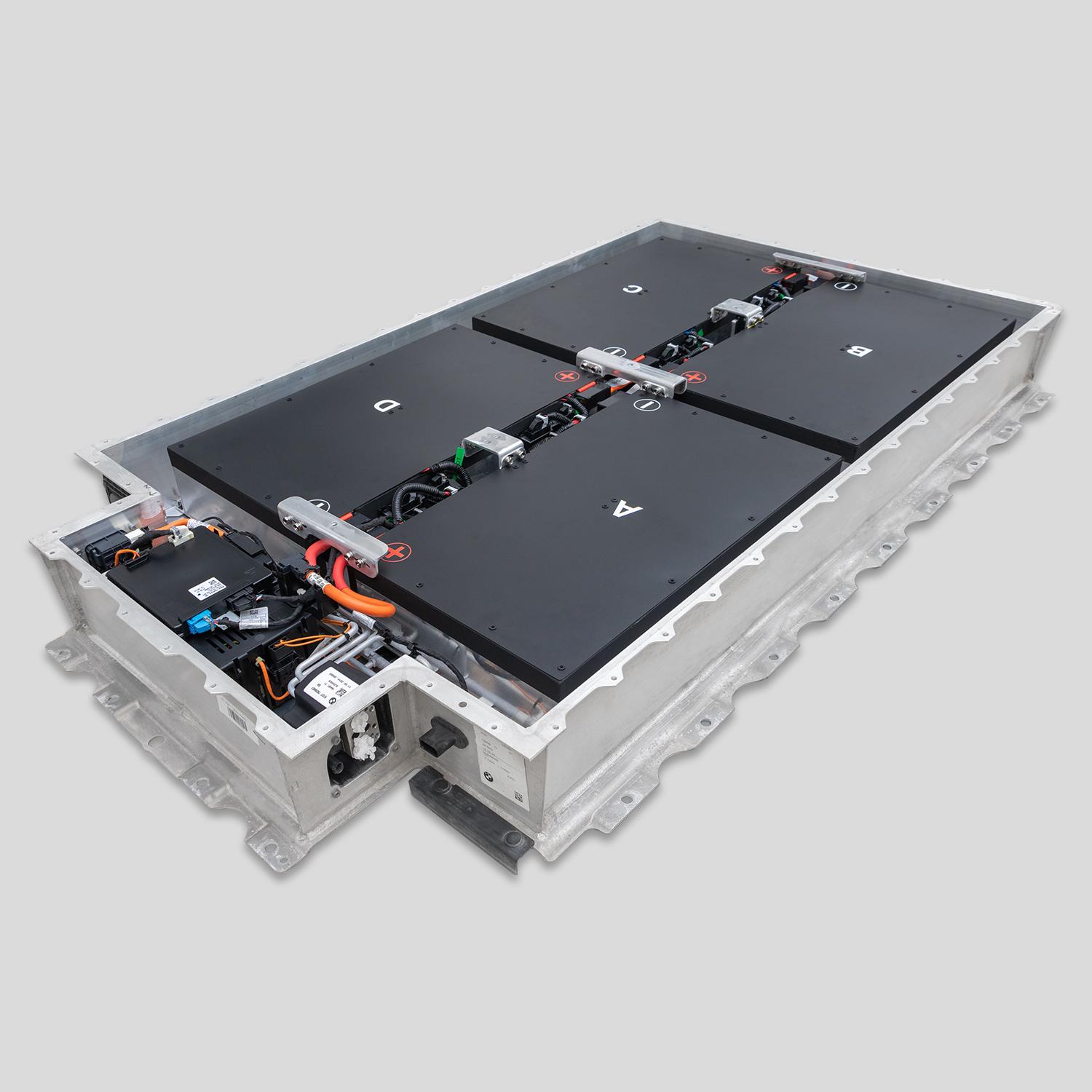
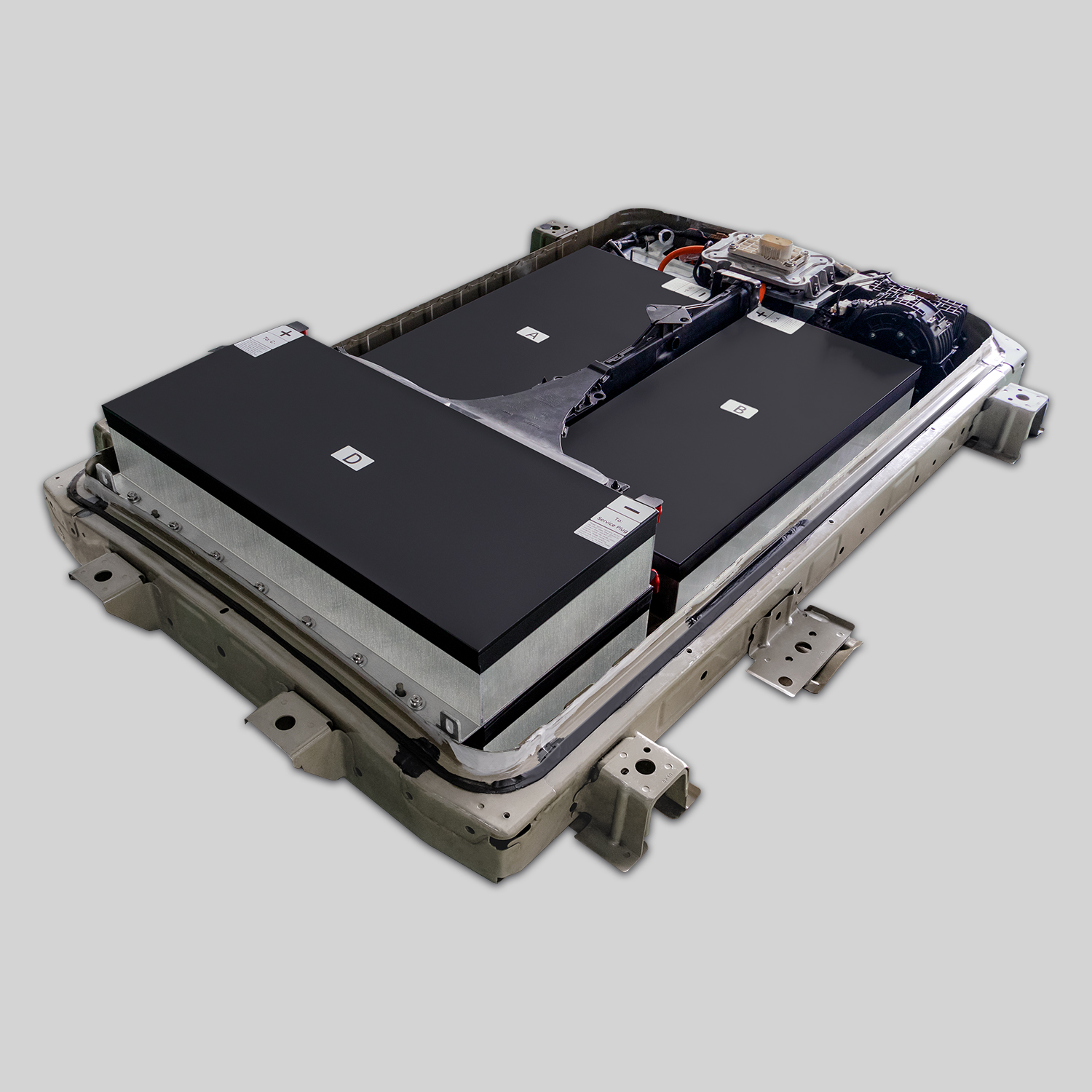
The Solution: High-quality aftermarket solutions, like those offered by CNS Battery, allow you to upgrade to a brand-new 62kWh lithium battery pack for less than half the OEM cost. This isn’t a refurbished or recycled battery; it is a brand-new powertrain built to OEM specifications.
Expert Insight: Upgrading your Leaf SV isn’t just a repair; it’s a performance enhancement. By moving from an older 24kWh or 40kWh pack to a 62kWh unit, you effectively transform your car into a long-range EV.
🚀 Step-by-Step: Choosing the Right Upgrade
Not all Leaf SV models are the same. To ensure you get the perfect fit, follow this simple breakdown based on your vehicle’s generation.
1. Identify Your Model Year
Before you purchase, you must know if you have a ZE0, AZE0, or ZE1 chassis. This determines the physical dimensions and software compatibility of the battery pack.
2. Select Your Capacity
The standard upgrade path for maximum range is the 62kWh lithium battery pack. This is the gold standard for 2026 Leaf ownership.
3. The Installation Process
This is where many owners get nervous. The good news is that a professional installation typically takes only 1-2 hours. The process is plug-and-play, meaning no modifications to your vehicle’s wiring are necessary. For those who are technically inclined, detailed video tutorials and remote video guidance are available to ensure a perfect DIY install.
💰 The Cost-Benefit Analysis: OEM vs. Aftermarket
Let’s look at the numbers. Why are so many Leaf SV owners choosing a specialized aftermarket provider over the dealership?
| Feature | OEM Dealer Replacement | CNS Battery Solution |
|---|---|---|
| Battery Type | Original Factory | Brand New CATL Cells |
| Price Range | $14,000 – $16,000+ | ~$7,800 – $8,200 |
| Warranty | Standard Manufacturer | 2 Years / 80,000 km |
| Battery Health | New | 100% New Capacity |
| Value Proposition | High Cost, Low ROI | High ROI, Like New Car |
Table 1: Comparison of Nissan Leaf SV battery replacement options.
As you can see, the aftermarket solution offers the same core benefit—a brand-new battery—at a fraction of the price. This allows you to retain the value of your Leaf SV while eliminating the range anxiety that comes with older packs.
🛡️ Safety and Compatibility: Your Top Concerns
We know the biggest hesitation is safety. “Is a non-OEM battery safe for my car?”
1. Cell Quality
The heart of any battery is the cell. Reputable aftermarket manufacturers use brand-new, top-tier cells from CATL (Contemporary Amperex Technology Co. Limited). CATL is one of the world’s largest battery manufacturers, and their cells are renowned for thermal stability and longevity. This is vastly different from cheap “recycled” or “refurbished” batteries made from discarded cells.
2. OEM Compatibility
A true upgrade solution is engineered to meet OEM standards. This means:
- Voltage Matching: Perfectly matches your Leaf SV’s electric motor.
- Interface Matching: Uses Type 2 connectors that plug directly into your existing harness.
- Software Integration: The Battery Management System (BMS) is programmed to communicate seamlessly with your car’s dashboard.
3. Warranty Protection
A robust warranty is your safety net. Look for providers offering a minimum of 2 years or 80,000 km. This coverage includes protection against defects and guarantees that the battery will maintain at least 70% capacity over the warranty period.
🗣️ Real Stories: Owners Who Upgraded
Don’t just take our word for it. Here is what actual Nissan Leaf SV owners are experiencing after their upgrade:
- Mark T. (California, USA): “I have a 2015 Nissan Leaf SV (ZE0). My original battery was dead, giving me only 120km of range. I upgraded to a 62kWh pack from CNS. The cost was only $7,800. The installation was plug-and-play, taking me just 2 hours. Now, my full charge range is 430km. It feels like I have a brand-new car!”
- Mike’s Auto Service (Vancouver, Canada): “As a repair shop, we use CNS batteries for our Leaf clients. The compatibility is perfect, and we have a zero failure rate. The pre-sales VIN check prevents mistakes, and the 2-year warranty gives our customers peace of mind.”
📝 Conclusion: Is Now the Right Time?
If you are driving a Nissan Leaf SV and feeling limited by your current range, 2026 is the year to act. Battery technology has advanced, and the cost of ownership has dropped dramatically.
You don’t need to trade in your car. You don’t need to pay $16,000. You simply need a new 62kWh lithium battery pack designed for your specific model (ZE0, AZE0, or ZE1).
By choosing a high-quality aftermarket solution, you are making a smart financial decision that rewards you with thousands of miles of reliable, long-range driving.
❓ Frequently Asked Questions (FAQ)
1. Will upgrading my battery affect my car’s warranty or void any remaining factory coverage?
A: A properly installed aftermarket battery that meets OEM specifications (voltage, dimensions, connectors) should not physically damage your car. However, it is always recommended to check your specific vehicle warranty terms. Reputable manufacturers provide their own comprehensive warranty (e.g., 2 years/80,000 km) to cover the new battery pack.
2. How long does the installation take, and do I need special tools?
A: For a professional technician, installation typically takes 1-2 hours. For a DIYer, it may take slightly longer. You generally only need basic automotive tools (wrenches, screwdrivers) and insulated gloves for safety. The process is designed to be plug-and-play, meaning you remove the old pack and bolt in the new one without cutting wires.
3. Are these batteries truly “brand new,” or are they recycled?
A: You should only purchase brand-new battery packs constructed from new prismatic cells (typically from top manufacturers like CATL). Avoid “refurbished” or “recycled” batteries made from used cells, as these have a high risk of swelling, failure, and short lifespan.
4. What is the expected range after upgrading to a 62kWh pack?
A: A brand-new 62kWh battery in a Nissan Leaf SV (ZE0/AZE0/ZE1) typically provides a real-world range of approximately 430km (267 miles). This can vary slightly based on driving habits, terrain, and climate (heating/AC usage).
5. How do I know if this battery fits my specific Leaf SV year and model?
A: To ensure perfect compatibility, you should provide your Vehicle Identification Number (VIN) to the manufacturer’s technical team before purchasing. They can cross-reference the VIN to confirm the exact fitment for your specific Leaf generation.
Ready to reclaim your range? Get a free custom quote for your Nissan Leaf SV today.