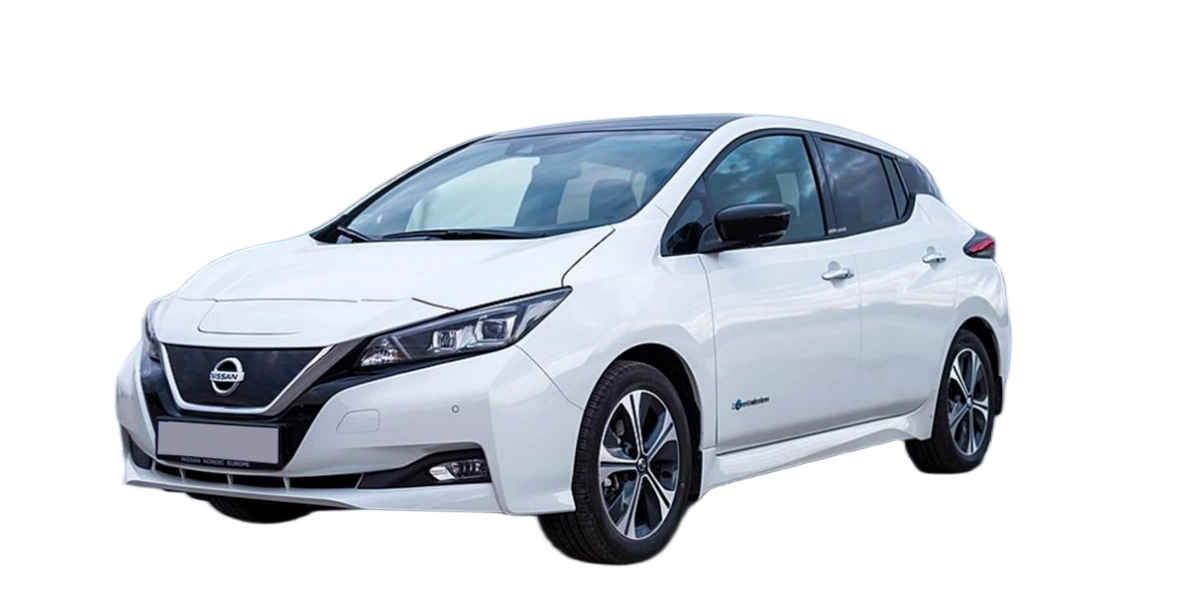
⚡ Nissan Leaf SV Battery Replacement: The Ultimate Cost-Saving Guide
Is your Nissan Leaf SV struggling to keep up with your daily commute? If you own a Leaf SV (typically equipped with the 24kWh or 30kWh battery), you likely face the “range anxiety” that comes with older battery technology. Replacing an old Leaf battery with a brand-new, high-capacity pack is the most effective way to breathe new life into your vehicle.
As a seasoned expert in electric vehicle (EV) powertrains, I have analyzed the market extensively. There is a significant gap between the exorbitant cost of dealership replacements and the unreliable quality of refurbished packs. This guide will walk you through why a new aftermarket solution, specifically designed for Nissan Leafs, offers the best balance of safety, performance, and value.
📉 The Hidden Costs of “Cheap” Refurbished Batteries
Many Leaf SV owners initially look for “cheap” replacement options. However, the market is flooded with refurbished batteries made from recycled or second-hand cells. While the upfront price might seem attractive, the long-term costs are staggering.
- Short Lifespan: Refurbished batteries often degrade rapidly, lasting only 6-12 months before swelling or failing.
- Safety Risks: Old cells are prone to thermal runaway, posing a fire hazard.
- Hidden Damage: You never know the true history of a used cell—deep discharges or physical impacts can compromise structural integrity.
The Verdict: Buying a refurbished battery is often a false economy. You are better off investing in a new solution that guarantees longevity.
🆕 Why Upgrade to a New 40kWh or 62kWh Pack?
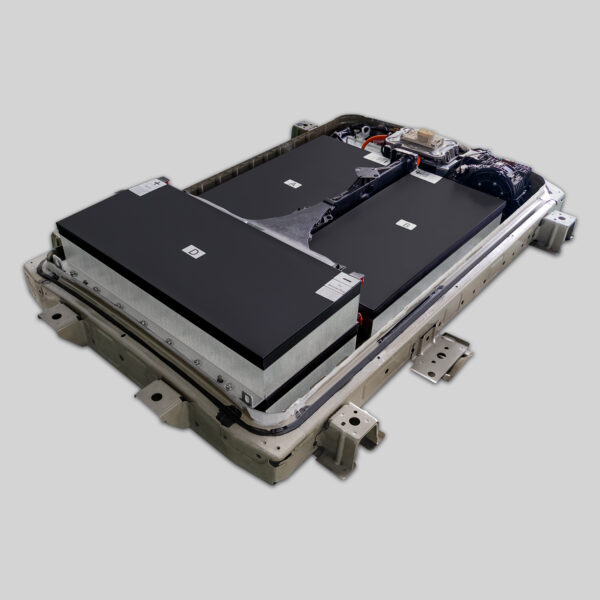
If you currently drive a Leaf SV with the older 24kWh or 30kWh battery, upgrading to a modern 40kWh or 62kWh lithium-ion pack is a game-changer. This isn’t just a replacement; it’s an upgrade.
Key Benefits of a New High-Capacity Battery:
- Double the Range: Transform your driving range from a meager 70-100 miles to a robust 150-200+ miles.
- New Cell Technology: Modern batteries use new, high-density NMC (Nickel Manganese Cobalt) cells, which are lighter, safer, and more efficient than the older LMO (Lithium Manganese Oxide) chemistry found in early Leafs.
- Zero Degradation: Unlike used packs, a new battery starts at 100% health, ensuring consistent performance for years.
Expert Tip: The Nissan Leaf ZE1 platform (which accepts 40kWh and 62kWh modules) is fully compatible with many older Leaf chassis. This allows SV owners to retrofit significantly larger and safer batteries.
⚖️ The Cost Comparison: Dealership vs. Aftermarket
Let’s break down the financial reality of replacing your Leaf SV battery. The numbers speak for themselves.
| Replacement Option | Estimated Cost (USD) | Battery Health | Warranty Coverage |
|---|---|---|---|
| Nissan Dealership (New) | $12,000 – $16,000 | 100% (New) | Limited (Often short) |
| Refurbished/Used | $2,000 – $3,500 | 60-80% (Degrading) | Minimal to None |
| Premium Aftermarket (New) | $7,000 – $8,500 | 100% (New) | 2 Years / 80,000 km |
Analysis: Paying a dealership price is often prohibitive and rarely justifies the cost for an older vehicle model. A premium aftermarket solution offers the safety and quality of a new battery at roughly 50% less than the OEM price, without the risks associated with used hardware.
🛠️ The Installation Process: Is it DIY Friendly?
One of the most common questions I receive is: “Can I install this myself, or do I need a mechanic?”
The answer depends on your comfort level with high-voltage systems, but the process is generally straightforward for a professional or a skilled DIYer.
Typical Installation Steps:
- Disconnect Power: Isolate the 12V battery and the main contactor.
- Remove Old Pack: Unbolt the chassis and disconnect the HV cables (approx. 1-2 hours of labor).
- Mount New Pack: Lower the new battery into place. Modern replacements are designed to match OEM dimensions perfectly.
- BMS Programming: This is the critical step. The Battery Management System (BMS) must be programmed to communicate with your Leaf’s Vehicle Control Module (VCM).
Note on Programming: While the physical installation is plug-and-play, programming the BMS often requires specialized software or a technician. Some providers offer remote video guidance to walk you through this final integration step to ensure your dashboard displays the correct state of charge.
📝 How to Choose the Right Supplier
When searching for a “Nissan Leaf battery replacement,” you must vet the supplier thoroughly. Here is what to look for to avoid getting scammed:
- Cell Source: Demand transparency. The best suppliers use brand-new cells from top-tier manufacturers like CATL. Avoid vague terms like “Grade A” without proof of newness.
- Warranty: A legitimate new battery should come with a substantial warranty (e.g., 2 years). If they don’t offer a warranty, they don’t stand behind the product.
- Technical Support: Does the company offer pre-sales VIN compatibility checks? Do they provide installation videos or remote support? A battery is a complex component; you need a partner, not just a vendor.
- Certifications: Look for proof of safety testing (UN38.3, MSDS) to ensure the battery is safe to ship and operate.
💡 Frequently Asked Questions (FAQ)
Q1: Will a new aftermarket battery void my car’s remaining warranty?
A: Generally, replacing the battery does not automatically void the entire vehicle warranty. However, it may affect the powertrain warranty specifically related to the battery. It is recommended to perform a VIN compatibility check before purchasing to ensure the voltage and communication protocols match your specific Leaf SV model year.
Q2: How long does the shipping and delivery take?
A: Due to the hazardous nature of lithium batteries (classified as Dangerous Goods), standard shipping methods are restricted. Reputable suppliers usually handle the complex logistics (including DDP – Delivered Duty Paid services). Shipping times can vary significantly depending on your country, ranging from 2 weeks for expedited air freight to 6-8 weeks for sea freight.
Q3: What payment methods are accepted for such a large purchase?
A: Given the high value of EV batteries, suppliers typically require secure methods. This often involves signing a contract and using methods like T/T (Wire Transfer) or confirmed Letters of Credit for bulk orders. Always confirm the payment terms and return policy before transferring funds.
Q4: Can I upgrade my 24kWh Leaf SV to a 62kWh battery?
A: Technically, yes, but it requires careful consideration. The 62kWh pack is physically larger and heavier than the original 24kWh pack. You must ensure your SV’s chassis can accommodate the dimensions. Furthermore, the BMS programming must be configured to report the correct state of charge to the dashboard. Most professional suppliers can customize the BMS settings to match your specific upgrade needs.
🚀 Ready to Revive Your Nissan Leaf SV?
Replacing your Nissan Leaf SV battery doesn’t have to be a financial burden or a gamble on unreliable hardware. By choosing a new, high-quality aftermarket solution, you are investing in thousands of miles of worry-free driving.
Don’t let an old battery kill your electric dream. Get a Free Custom Quote Today to find out exactly how much you can save on a brand-new replacement.