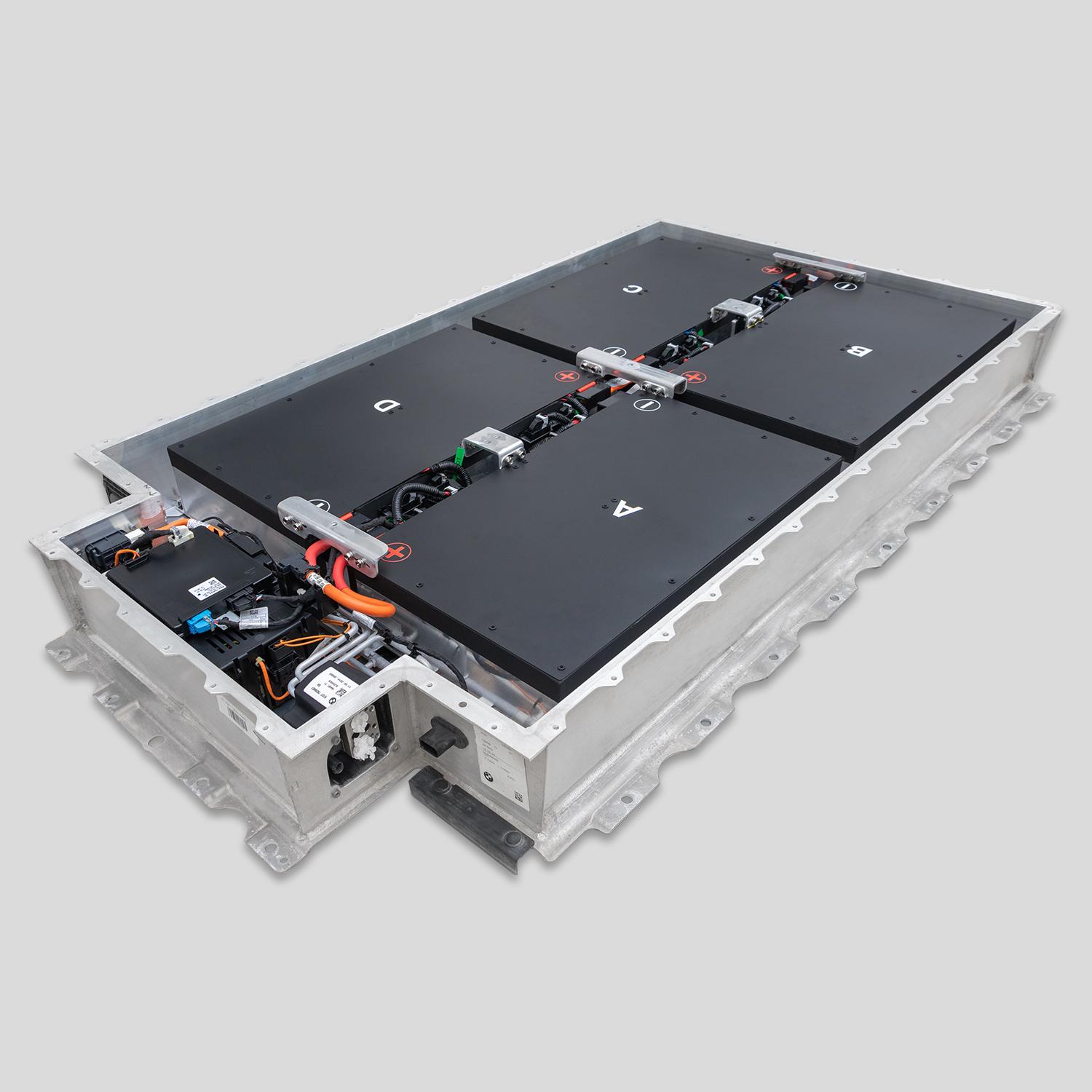
Nissan Leaf e+ New Battery Installation Guide
Is your Nissan Leaf e+ battery degrading, or are you planning a DIY conversion? As a Nissan Leaf owner, one of the most significant investments you can make is replacing your high-voltage battery pack. Whether you are upgrading from a 40kWh to a 62kWh model or simply replacing an old unit, the installation process requires precision, safety, and the right knowledge. At CNS BATTERY, we specialize in OEM-compatible lithium battery solutions for Nissan models. This comprehensive guide will walk you through the entire installation process, safety protocols, and post-installation checks to ensure your vehicle runs like new.
⚠️ Pre-Installation Safety: Your Top Priority
Before touching any tools, safety must be your absolute focus. Lithium-ion batteries operate at high voltages (typically 360V-400V for the Leaf) and store massive amounts of energy. A single mistake can lead to severe injury or vehicle damage.
Essential Safety Gear:
- Insulated Gloves: Class 00 or higher (rated for 1000V) are mandatory.
- Safety Glasses: Protect your eyes from sparks or debris.
- Insulated Tools: Use tools with insulated handles specifically designed for high-voltage work.
- Work Environment: Ensure the area is dry, well-ventilated, and free of flammable materials.
Power Down Protocol:
- Park Safely: Engage the parking brake and turn off the ignition.
- Disconnect 12V Battery: Open the hood and disconnect the negative (-) terminal of the 12V auxiliary battery. This cuts power to the vehicle’s control systems.
- Wait: Wait at least 10 minutes after disconnecting the 12V battery to allow capacitors in the inverter and BMS to discharge.
🛠️ Step-by-Step Installation Guide
Installing a new Nissan Leaf battery is generally a “Plug-and-Play” process when using a high-quality aftermarket or replacement pack like those from CNS BATTERY. However, it requires physical effort and attention to detail.
1. Removing the Old Battery
The battery pack is located under the vehicle’s floorpan.
- Lift the Vehicle: Use a hydraulic lift or jack stands to raise the vehicle. Never work under a vehicle supported only by a jack.
- Remove Undertray: Remove the plastic or metal undertray to access the battery bolts.
- Disconnect High Voltage: Locate the high-voltage (HV) connector on the side of the battery. Press the safety lock and disconnect the orange HV plug. Tape the ends for safety.
- Disconnect Signal Cables: Carefully disconnect the 24-pin (or 48-pin depending on model year) communication harness and the temperature sensor cables.
- Unbolt the Pack: Remove the 12-16 bolts securing the battery to the chassis. These can be tight due to rust or thread locker.
- Lower the Battery: Using a transmission jack or a specialized battery dolly, slowly lower the old battery. Note: A Nissan Leaf battery weighs approximately 300kg (660 lbs).
2. Preparing the New CNS BATTERY Pack
Before lifting the new pack, inspect it thoroughly.
- Visual Inspection: Check for any shipping damage or loose terminals.
- Terminal Preparation: Ensure the battery terminals are clean and free of oxidation. Apply a thin layer of dielectric grease to prevent future corrosion.
- BMS Check: If your CNS BATTERY pack comes with a pre-charged BMS (Battery Management System), ensure the internal contactors are ready. If not, you may need to perform a BMS reset or programming procedure (see Section 3).
3. Installing the New Battery
- Lift and Align: Using your jack, lift the new CNS BATTERY pack into position. Align the mounting holes carefully.
- Secure Mounting: Insert and tighten the mounting bolts to the manufacturer’s specified torque (usually around 80-100 Nm). Do not over-tighten, as this can crack the battery casing.
- Reconnect Cables:
- Reconnect the signal cables and temperature sensors first.
- Reconnect the high-voltage orange plug. Ensure the latch clicks securely.
- Replace Undertray: Reinstall the undertray to protect the battery from road debris.
💻 Post-Installation: Programming and Diagnostics
Simply plugging in the battery does not always guarantee the car will start. The Nissan Leaf’s BMS needs to recognize the new pack.
BMS Programming:
Most modern Nissan Leaf batteries (especially 2018+) require the BMS to be programmed with the correct “Magic Words” or configuration data. This tells the car the battery’s capacity (e.g., 62kWh), cell chemistry, and health status.
- Using a Consult-III+ or Nissan Diagnostic Tool: A professional mechanic will connect the tool to the OBD2 port and upload the configuration file provided by the battery manufacturer (CNS BATTERY provides these files).
- Auto-Recognition (Older Models): Some older ZE0 models may recognize the battery after a “BMS Wake-up” cycle, where you turn the key to “ON” (without starting) for 30 seconds, then turn it off, and repeat.
First Power-Up Test:
- Reconnect the 12V battery.
- Get in the car, depress the brake pedal, and press the “Power” button.
- Do not press the accelerator. Observe the dashboard. If there are no “Battery” or “Brake” warning lights, the connection is likely successful.
- First Charge: Plug the car into a Level 2 charger (J1772) for the first cycle. Monitor the charging process to ensure the BMS reports correct voltages and temperatures.
🌟 Why Choose CNS BATTERY for Your Leaf e+?
When replacing the heart of your electric vehicle, quality and compatibility are non-negotiable. At CNS BATTERY, we engineer our Nissan Leaf packs to exceed OEM standards.
- Premium Grade A Cells: We utilize brand-new CATL (Contemporary Amperex Technology) lithium-ion cells. Unlike refurbished or recycled packs, our cells guarantee maximum cycle life and thermal stability.
- OEM Precision Fit: Our packs are designed to fit the Nissan Leaf chassis (ZE0, AZE0, ZE1) perfectly. The connectors, mounting points, and cooling channels match the original factory specifications, eliminating the need for modifications.
- Unbeatable Warranty: We back our confidence in our product with a 2-year / 80,000 km warranty. This covers manufacturing defects and ensures your battery maintains at least 70% capacity during the warranty period.
- Cost Efficiency: Replace your battery for 50% less than the cost of an OEM Nissan replacement, without sacrificing range or safety.
Expert Tip: If you encounter a “BMS Communication Error” after installation, do not panic. This is often resolved by ensuring the 24-pin harness is fully seated or by performing a hard reset (disconnect 12V for 15 minutes).
📝 Conclusion
Installing a new battery in your Nissan Leaf e+ is a rewarding project that can double your vehicle’s range and lifespan. By following this guide and prioritizing safety, you can complete this task successfully. Remember, the quality of the battery pack is just as important as the installation process.
If you are looking for a reliable, high-capacity replacement that saves you thousands compared to the dealership, CNS BATTERY is your trusted partner. Our team of technical experts is ready to assist you with selecting the perfect pack (40kWh, 62kWh, or custom) and provide the necessary installation support.
Ready to revive your Nissan Leaf? Get a Free Custom Quote today and drive with confidence.
Get Your Free Custom Quote Now
❓ Frequently Asked Questions (FAQ)
Q1: Do I need special tools to install a Nissan Leaf battery?
Yes. Besides standard mechanic tools (wrenches, sockets), you need a transmission jack or a low-profile hydraulic dolly capable of lifting 300kg (660 lbs). You also need insulated high-voltage gloves and a torque wrench to properly tighten the mounting bolts.
Q2: Can I install the battery myself, or do I need a mechanic?
While the process is mechanically straightforward (bolt-on), the electrical and programming aspects can be tricky. If you are comfortable with automotive mechanics and have access to a diagnostic tool (Consult-III), you can DIY. Otherwise, we strongly recommend using a certified EV mechanic to handle the BMS programming and final safety checks.
Q3: How long does the installation take?
For a professional technician, the physical swap usually takes 1 to 2 hours. For a DIY enthusiast, especially on the first attempt, it may take 3 to 4 hours due to the complexity of disconnecting old corroded bolts and reconnecting sensors.
Q4: What is the warranty on the CNS BATTERY Nissan Leaf packs?
We offer a comprehensive 24-month / 80,000 km warranty. This covers defects in materials and workmanship. We also provide prorated coverage if the battery capacity drops below 70% within the warranty period.
Q5: Are CNS BATTERIES compatible with all Nissan Leaf models?
Yes, we support a wide range including Leaf ZE0 (2011-2017), Leaf AZE0 (2018-2022), and Leaf ZE1 (2021+), as well as the e-NV200. To ensure perfect compatibility, please contact our sales team with your VIN number before purchasing.