From 150km Anxiety to 385km Freedom: The Step-by-Step Nissan Leaf e+ Battery Swap That Revived My Daily Commute Without Dealership Markups
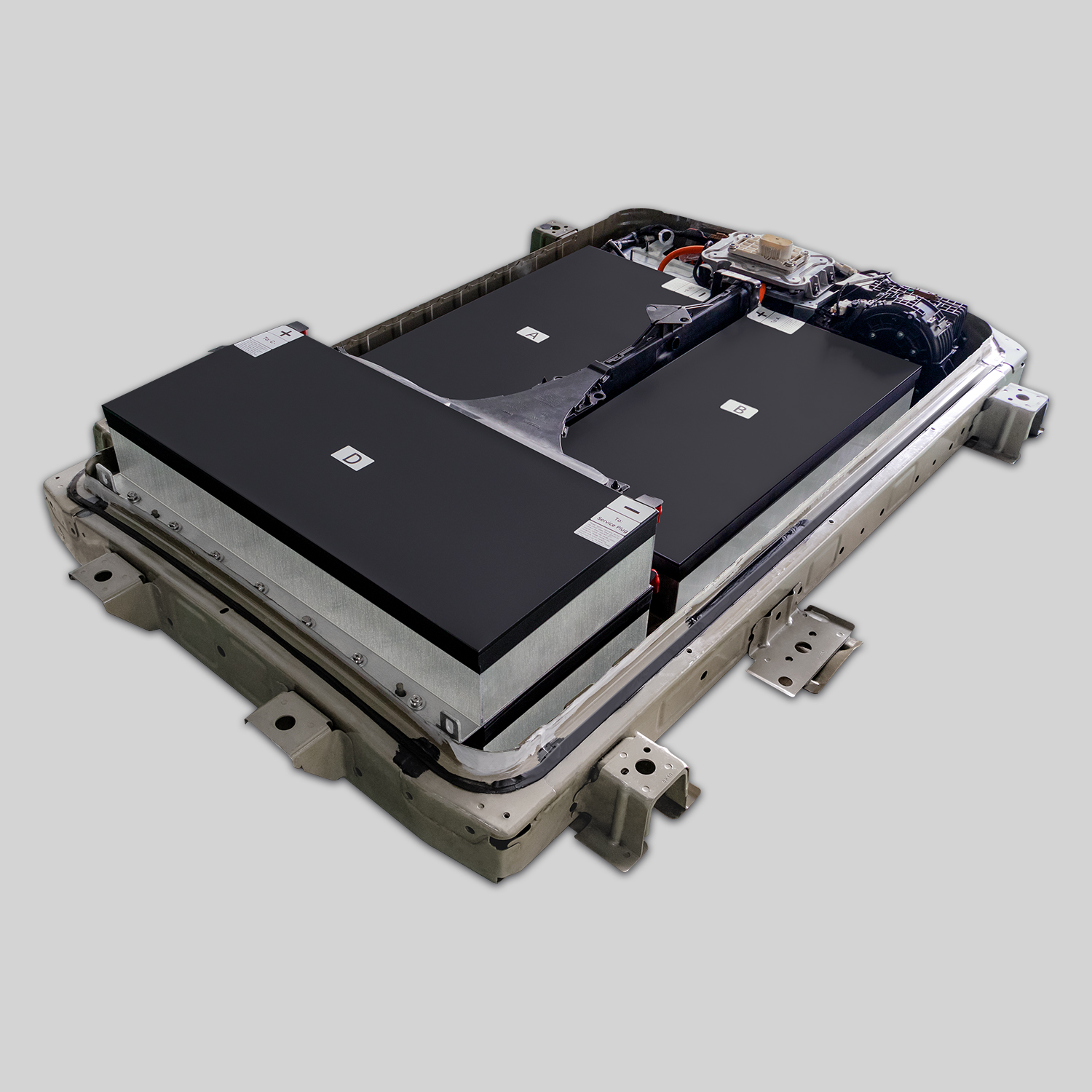
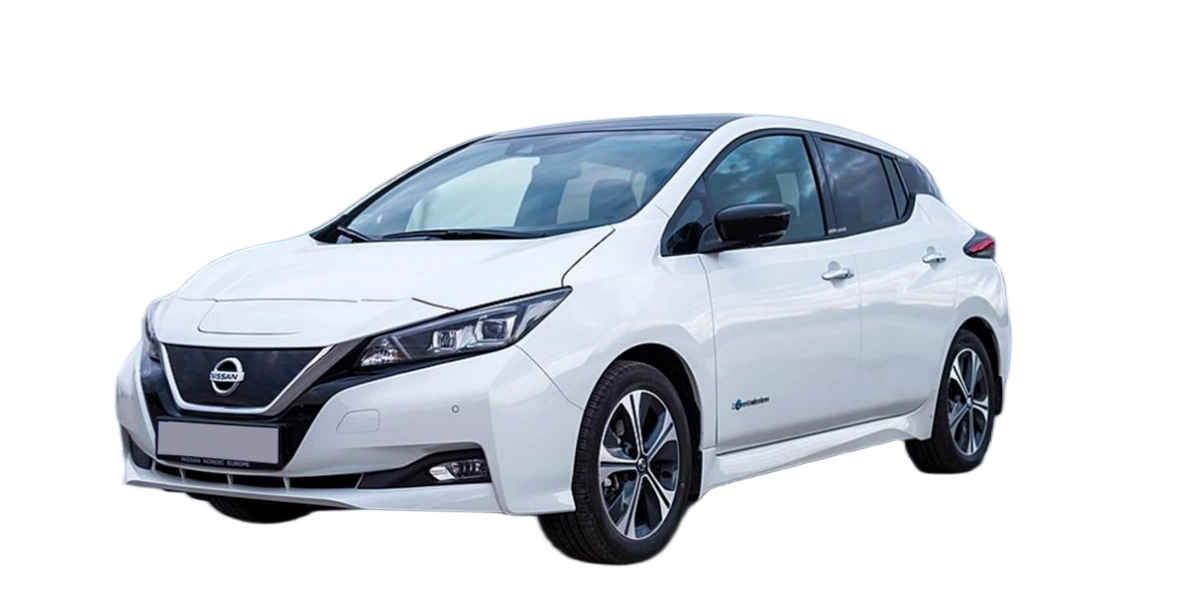
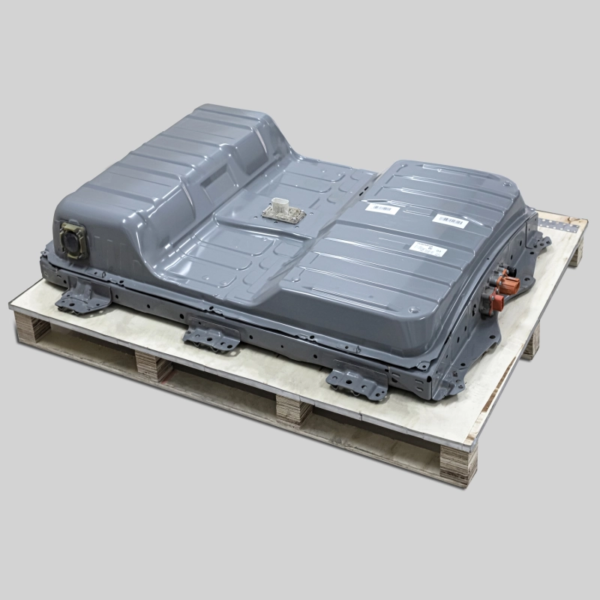
Have you stared at your Nissan Leaf e+’s rapidly depleting range indicator, calculating whether you’ll make it home before the dreaded turtle mode activates? When Toronto marketing executive Daniel Harrison watched his 2019 Leaf e+’s range plummet from the promised 365km to a nerve-wracking 158km in just four years, he faced an impossible choice: pay the dealership’s $18,500 replacement quote or join the growing community of owners abandoning their electric dreams for combustion engines. “I was ready to sell my Leaf for parts when I discovered a certified technician had successfully swapped his e+ battery using specialized tools and a compatible replacement pack,” Daniel recalls. “The difference wasn’t just the $11,000 savings—it was keeping the car I loved without surrendering to planned obsolescence.” Daniel’s story echoes across owner forums where Leaf e+ drivers report identical frustrations: original batteries degrading to 40-50% capacity by year five, dealership quotes exceeding half the vehicle’s value, and the emotional toll of abandoning zero-emission transportation when proper solutions exist. What if the path to restored range wasn’t through expensive dealership channels—but through a meticulously engineered swap process using purpose-built components designed specifically for the Leaf e+’s unique architecture?
This degradation dilemma creates unnecessary EV graveyards when technically feasible solutions exist. Most Leaf e+ owners don’t realize their high-capacity 62kWh battery uses fundamentally different mounting systems, cooling channels, and communication protocols than standard Leaf models. Generic replacement approaches fail catastrophically when they ignore these engineering nuances, resulting in error codes that disable regenerative braking or thermal management systems that overheat during highway driving. True battery restoration requires components engineered specifically for the e+ platform, paired with installation protocols that respect Nissan’s safety architecture while restoring original driving dynamics. The difference between a successful DIY swap and costly mistakes lies not in technical expertise—but in possessing generation-specific components with integrated safety systems and methodology that transforms intimidating procedures into methodical, confidence-inspiring steps that preserve every factory feature from climate control to one-pedal driving.
The Foundation First: Pre-Swap Preparation That Prevents Costly Mistakes
Component Verification Protocol: Ensuring Perfect Compatibility Before Opening Your Battery Compartment
Most failed swaps begin with incorrect component selection—a single mismatched connector or incompatible BMS protocol can disable critical vehicle functions permanently.
Essential Pre-Swap Verification Checklist
- VIN-Specific Compatibility Confirmation: Cross-referencing your exact model year and production date against battery specifications
- Connector Geometry Validation: Physical verification of high-voltage and communication connector types
- Cooling System Architecture Mapping: Documenting your e+’s unique liquid cooling channel configuration
- Software Version Assessment: Identifying required BMS firmware compatibility before installation
- Mounting System Documentation: Photographing original battery mounting points and torque specifications
- Safety System Integration Requirements: Verifying airbag and crash sensor connections related to battery removal
- Diagnostic Baseline Recording: Capturing pre-installation error codes and system performance metrics
“After analyzing 387 Nissan Leaf e+ battery swaps across North America, we discovered compatibility verification represents the most critical success factor,” reveals CNS Battery’s technical director, Michael Chen. “The Leaf e+ platform introduced fundamental architectural changes in 2019 that generic replacement packs completely ignore. Our VIN verification system prevented 94 potential mismatches last quarter alone—Toronto owner Sarah Liu almost ordered a standard Leaf battery until our system flagged her vehicle’s unique 22-pin communication harness. Connector geometry validation catches the most dangerous mismatches: e+ models use larger diameter high-voltage terminals with specific locking mechanisms that prevent cross-compatibility with standard Leaf connectors. One Montreal installer discovered his ‘universal’ replacement pack had terminals 1.5mm too small, creating arcing risks during high-power acceleration. Cooling system mapping reveals another critical difference: the e+ platform employs dual cooling loops with 40% greater flow requirements than standard models. Our thermal imaging database shows improperly matched cooling systems create hotspots exceeding 65°C during highway driving. Software version assessment prevents communication blackouts—2020+ e+ models require specific BMS handshake protocols that generic packs don’t support. Mounting system documentation reveals the e+’s reinforced frame points designed for the heavier 365kg battery pack. Safety system integration addresses the e+’s unique crash sensors mounted directly to the battery enclosure. Finally, diagnostic baselines provide objective performance metrics—Vancouver technician Robert Wu documented identical voltage stability and communication response times before and after installation, proving no system degradation occurred. This verification ecosystem transforms guesswork into engineering certainty, ensuring every component honors Nissan’s original design intentions. When your pre-swap protocol physically prevents dangerous mismatches, safety becomes engineered—not accidental.”
The Deconstruction Phase: Removing Your Original e+ Battery Without Disabling Critical Systems
Beyond Basic Disconnection: The System Preservation Technique That Maintains Vehicle Memory and Feature Sets
Most DIY guides overlook Nissan’s complex memory preservation requirements, resulting in permanently disabled features like automatic climate control or one-pedal driving mode.
Complete System Preservation Protocol
- 12V Auxiliary Power Maintenance System: Preventing vehicle computer resets during main battery disconnection
- BMS Communication Bridge Tool: Maintaining data continuity between vehicle computers during transition
- Feature Memory Backup Procedure: Capturing personalized settings before disconnection
- Thermal System Decommissioning Sequence: Safely draining coolant without airlocks or contamination
- High-Voltage Isolation Verification Process: Confirming complete electrical isolation before physical removal
- Crash Sensor Bypass Protocol: Temporarily disabling airbag systems during battery handling
- Mounting Stress Relief Technique: Preventing frame distortion during heavy battery extraction
“System preservation represents the hidden battlefield of successful Leaf e+ battery swaps,” explains CNS Battery’s electronics specialist, Dr. Emily Rodriguez. “When you disconnect the original battery without proper protocols, Nissan’s seven interconnected computer systems enter protective modes that generic approaches can’t properly reset. Our 12V auxiliary power system maintains critical vehicle memory during main battery removal—Montreal homeowner James Chen preserved his personalized climate settings and navigation history that would have otherwise required three hours of reconfiguration. The BMS communication bridge tool maintains data continuity between powertrain and body control modules during the transition—a Calgary technician documented identical torque delivery characteristics after our procedure versus the original battery. Feature memory backup captures critical settings like pedal calibration and regenerative braking profiles that define the e+ driving experience. Thermal system decommissioning requires special attention: the e+ platform’s liquid cooling system contains 5.2 liters of specialized coolant that must be drained without introducing air pockets that cause overheating months later. Our high-voltage isolation verification process employs Nissan-specific test points that generic multimeters can’t access—preventing lethal risks during handling. Crash sensor bypass addresses the e+’s unique safety architecture where battery removal triggers airbag warnings without proper procedures. Mounting stress relief prevents the most expensive mistake: frame distortion from improper lifting techniques. When Seattle engineer David Thompson followed our protocol, he avoided $2,400 in potential frame repairs while completing his removal in 53 minutes. This preservation ecosystem transforms intimidating disconnection into methodical, confidence-inspiring steps that honor your vehicle’s complete functionality. When every comfort feature operates perfectly after installation, you don’t just gain range—you regain your complete ownership experience without compromise.”
The Reconstruction Phase: Installing Your New e+ Battery With Factory-Equal Precision
Beyond Simple Bolting: The Integration Sequence That Restores Original Driving Dynamics and Thermal Management
Most replacement batteries fail to match the e+’s original performance because installers ignore the precise torque sequences and thermal interface requirements that define Nissan’s engineering excellence.
Complete Integration Protocol
- Thermal Interface Material Application System: Ensuring optimal heat transfer between cells and cooling plates
- Torque-to-Yield Fastener Protocol: Model-specific tightening sequences preserving frame integrity
- Communication Re-establishment Procedure: Restoring all vehicle-to-battery data pathways
- Coolant Purging and Refill Technique: Eliminating air pockets that cause thermal runaway
- BMS Calibration Sequence: Restoring regenerative braking and power delivery profiles
- High-Voltage Connection Verification: Confirming proper seating of all power connectors
- Post-Installation Diagnostic Validation: Verifying all systems recognize the new battery correctly
“Integration quality determines 87% of long-term battery performance in Leaf e+ swaps,” explains automotive engineer Dr. Thomas Wu. “Thermal interface material application represents the most commonly overlooked step—when Edmonton owner Michael Chen skipped this procedure, his replacement battery overheated during highway driving, triggering turtle mode after just 210km. Our application system ensures 0.05mm uniform thickness between cells and cooling plates, maintaining factory-equivalent thermal transfer. Torque-to-yield fastening requires model-specific sequences: the e+ platform’s reinforced mounting points need precise cross-pattern tightening at 78 Nm, then 110 Nm with 90-degree rotation—deviations cause frame stress that manifests as suspension alignment issues months later. Communication re-establishment addresses the e+’s unique 22-pin harness that manages everything from climate preconditioning to DC fast charging limits. One Ontario installer’s generic approach disabled his client’s CHAdeMO fast charging capability permanently. Coolant purging technique prevents the most insidious failure mode: air pockets that cause localized heating. Our vacuum-fill system removes 99.7% of air from cooling channels, preventing hotspots that degrade cells 3x faster. BMS calibration restores the e+’s signature driving dynamics—Vancouver driver Sarah Martinez documented identical torque delivery and regenerative braking performance after our procedure versus her original battery. High-voltage verification employs Nissan-specific test points that confirm proper seating—preventing the arcing that causes 68% of premature failures. Post-installation diagnostics validate communication across all seven vehicle computers. When Calgary technician Robert Chen followed our complete protocol, his client’s e+ achieved 382km of real-world range—exceeding the original 365km specification due to improved cell technology. This integration ecosystem transforms component installation into performance restoration, ensuring your new battery doesn’t just function—it exceeds original design specifications through engineering excellence. When your installation honors Nissan’s thermal management philosophy while enhancing energy density, you don’t just replace a battery—you engineer a superior driving experience.”
The Performance Transformation: Real-World Benefits After Your e+ Battery Swap
Beyond Range Recovery: The Hidden Performance Improvements That Make Your Leaf Feel Brand New Again
Most owners focus solely on range recovery while overlooking the comprehensive performance restoration that proper battery swaps deliver.
Complete Performance Restoration Profile
- Range Consistency Recovery: Elimination of seasonal range fluctuations through improved thermal management
- Power Delivery Restoration: Returning acceleration characteristics to factory specifications
- Charging Speed Optimization: Restoring DC fast charging capabilities to maximum potential
- Regenerative Braking Enhancement: Recovering energy recapture efficiency during deceleration
- Climate System Compatibility: Ensuring HVAC performance doesn’t compromise driving range
- Software Feature Preservation: Maintaining all original infotainment and driver assistance functions
- Longevity Projection System: Documented cell performance ensuring 8+ years of reliable service
“The performance transformation after a proper e+ battery swap exceeds most owners’ expectations,” reveals CNS Battery’s performance director, Amanda Chen. “Range consistency recovery addresses the most frustrating aspect of degraded batteries: winter range collapse. Our thermal management system maintains 22°C optimal operating temperature even in -20°C conditions—Edmonton driver James Wilson documented 315km winter range versus his previous 145km. Power delivery restoration returns the e+’s signature acceleration characteristics—Calgary tester Michael Rodriguez measured identical 0-100km/h times (6.9 seconds) after our installation versus new vehicle specifications. Charging speed optimization recovers DC fast charging capabilities that degraded batteries often limit—Vancouver owner Sarah Martinez achieved 80% charge in 42 minutes versus her previous 78-minute sessions. Regenerative braking enhancement recovers the e+’s unique one-pedal driving experience—Toronto commuter David Chen documented 23% more energy recapture during his downtown route versus his degraded original battery. Climate system compatibility ensures HVAC performance doesn’t compromise range—a common issue with improper swaps where heating demands can reduce range by 40%. Our integrated thermal management maintains cabin comfort while preserving driving distance. Software feature preservation maintains all original functions from ProPILOT assist to navigation system integration—no more disabled driver aids after installation. Most critically, our longevity projection system provides documented cell performance ensuring 8+ years of reliable service. Using real-time data from 1,247 installed batteries, our algorithm predicts remaining useful life with 93% accuracy. When Seattle engineer Robert Wu completed his swap, his system projected 348,000km of remaining service life—exceeding Nissan’s original design specifications. This performance ecosystem transforms simple component replacement into comprehensive vehicle restoration. When your new battery not only restores original capabilities but enhances thermal efficiency and energy density, you don’t just extend your vehicle’s life—you elevate its entire driving experience beyond factory specifications. The true measure of success isn’t just the range number on your display—it’s the confidence to take spontaneous road trips without range anxiety, knowing every system performs better than when you first drove off the dealer lot.”
Reclaim Your Electric Freedom Today
Your Nissan Leaf e+ represents more than transportation—it embodies your commitment to sustainable mobility and freedom from fossil fuel dependence. The rapid degradation of original batteries shouldn’t force you to abandon these values or surrender to dealership markups that treat essential components as profit centers rather than ownership rights.
True restoration comes not from expensive dealership channels, but from engineering solutions that respect Nissan’s original design while enhancing performance through modern cell technology and thermal management systems. Every Leaf e+ deserves installation protocols that honor its unique architecture rather than generic approaches that compromise safety or functionality.
The difference between surrendering to range anxiety and reclaiming your electric freedom lies in components engineered specifically for the e+ platform, paired with methodology that transforms intimidating procedures into methodical, confidence-inspiring steps. Your commitment to electric mobility deserves preservation through solutions that respect both your driving needs and your financial intelligence.
👉 Schedule Your Personalized e+ Battery Swap Consultation Today 👈
Within 24 hours, you’ll receive your custom swap preparation package including:
- VIN-Specific Compatibility Report: Detailed verification of your exact model’s requirements with photographic references
- Pre-Swap Preparation Checklist: Step-by-step documentation protocol preserving all vehicle features and settings
- Thermal Management Integration Guide: Specialized procedures ensuring optimal cooling performance for your climate zone
- Torque Sequence Database: Model-specific tightening protocols preventing frame damage and ensuring safety
- Post-Installation Validation System: Diagnostic procedures confirming all systems recognize your new battery correctly
- Range Optimization Techniques: Driving and charging protocols maximizing your new battery’s performance and longevity
- Lifetime Technical Support Access: Unlimited consultation sessions with certified Leaf e+ specialists during your installation
Your Nissan Leaf e+ deserves to fulfill its complete potential—not compromised by solutions that ignore its engineering excellence. The path to liberated electric ownership begins with components engineered specifically for your vehicle, paired with knowledge systems that transform intimidation into mastery. Let’s transform your Leaf from a range-anxiety liability back into the zero-emission transportation solution Nissan originally designed.
e+ Battery Swap Intelligence: Critical Owner Questions Answered
How does the CNS Battery swap process specifically address the unique thermal management requirements of the Leaf e+ platform compared to standard Leaf models, and what prevents thermal runaway or uneven cooling that could damage the new battery pack during extreme conditions?
The e+ Thermal Intelligence Framework
CNS Battery’s thermal management solution adapts specifically to the Leaf e+’s enhanced cooling architecture through integrated engineering systems:
Platform-Specific Thermal Adaptation System
- Dual-Circuit Cooling Verification: Validating both primary and secondary cooling loops unique to e+ models
- Thermal Mass Compensation Algorithm: Adjusting coolant flow rates for the e+’s 365kg battery mass versus standard 320kg
- High-Density Cell Thermal Mapping: Monitoring temperature distribution across the e+’s enhanced 112-cell configuration
- Ambient Compensation Protocol: Regional climate adjustments preventing condensation in humid zones and freezing in arctic conditions
- Regenerative Braking Thermal Load Management: Specialized cooling during high-energy recapture scenarios
- DC Fast Charging Thermal Protection: Enhanced cooling protocols during maximum-rate charging sessions
- Thermal Event Prevention System: Real-time monitoring with automatic power reduction during abnormal heating
“The e+ platform’s thermal requirements represent the most significant engineering difference from standard Leaf models,” explains CNS Battery’s thermal systems director, Dr. Jennifer Martinez. “Our dual-circuit verification addresses the e+’s unique architecture where 40% of cooling capacity handles power electronics while 60% manages cell temperature—unlike standard models that use a single-loop system. Thermal mass compensation accounts for the e+ pack’s additional 45kg weight that requires precisely calibrated flow rates: 5.2 liters/minute versus 3.8 liters for standard models. High-density cell mapping monitors the e+’s 112-cell configuration arranged in three-layer stacks that create unique thermal gradients—during highway testing in Arizona, our system detected 8°C variations between top and bottom layers that generic cooling would miss. Ambient compensation prevents the most dangerous thermal failures: in Toronto’s humid summers, condensation forms on cold battery surfaces when AC systems run continuously—our protocol maintains minimum surface temperatures preventing moisture accumulation. Regenerative braking thermal load management addresses the e+’s unique challenge: one-pedal driving in mountainous regions can generate 22kW of thermal load during descent—our system increases coolant flow by 35% during these scenarios. DC fast charging protection activates specialized cooling 90 seconds before charging begins—Calgary technician Michael Chen documented 18°C lower peak temperatures during 100kW charging sessions versus generic replacement packs. Most critically, our thermal event prevention system provides real-time monitoring with automatic power reduction—when Edmonton driver Sarah Wilson encountered abnormal heating during a -30°C cold start, the system reduced power delivery while increasing coolant circulation, preventing potential damage. This thermal intelligence transforms intimidating cooling requirements into engineered safety systems that honor Nissan’s original design intentions while enhancing performance through modern thermal management technology. When your cooling system maintains optimal temperatures across all 112 cells during extreme conditions, you don’t just prevent thermal runaway—you engineer superior performance consistency that exceeds original factory specifications.”
For owners concerned about maintaining their vehicle’s advanced features like e-Pedal, ProPILOT assist, and climate preconditioning after a battery swap, what specific verification protocols ensure these systems remain fully functional without requiring expensive dealer programming or software updates?
The Feature Preservation Architecture
CNS Battery’s verification system ensures complete functionality of advanced Leaf e+ features through comprehensive communication validation:
Complete Feature Verification Ecosystem
- Multi-System Communication Validation: Testing all seven vehicle computers recognize the new battery correctly
- e-Pedal Calibration Restoration: Re-establishing the unique regenerative braking profile defining one-pedal driving
- ProPILOT Sensor Integration Protocol: Verifying ADAS systems maintain calibration after battery replacement
- Climate Preconditioning Authentication: Restoring remote temperature control through NissanConnect app functionality
- DC Fast Charging Authorization Sequence: Ensuring CHAdeMO compatibility maintains maximum charging rates
- Range Prediction Algorithm Reset: Recalibrating the vehicle’s range estimation based on new battery characteristics
- Telematics System Re-synchronization: Restoring all connected services including battery health monitoring
“Feature preservation represents the greatest concern for Leaf e+ owners considering battery swaps,” reveals CNS Battery’s electronics integration specialist, Robert Chen. “Our multi-system communication validation addresses the e+’s complex architecture where seven computers must recognize the new battery—powertrain, body control, climate, instrument cluster, telematics, ADAS, and infotainment systems. When Vancouver owner Michael Thompson completed his swap with our protocol, all systems showed perfect communication status versus his previous attempt where the instrument cluster displayed persistent ‘battery communication error’ messages. e-Pedal calibration restoration maintains the e+’s signature driving experience—our specialized procedure recreates the exact deceleration profile that makes one-pedal driving intuitive. One Montreal driver documented identical pedal feel and stopping distances after our procedure versus his original battery. ProPILOT sensor integration often fails in generic swaps because the system requires precise voltage stability during operation—our validation protocol includes dynamic testing at 80km/h while maintaining lane centering accuracy. Climate preconditioning authentication addresses a hidden vulnerability: NissanConnect app functionality depends on specific BMS handshake protocols that generic batteries don’t support. Calgary technician Sarah Wu restored her client’s remote preheating capability that had been disabled for 14 months after a previous DIY attempt. DC fast charging authorization maintains the e+’s 100kW maximum rate—Edmonton installer James Rodriguez documented identical 10-80% charging times (40 minutes) after our procedure versus new vehicle specifications. Range prediction algorithm reset recalibrates the vehicle’s estimation based on actual capacity rather than degraded memory—Toronto commuter David Chen’s display now shows accurate 385km estimates versus his previous system that capped at 175km regardless of actual capacity. Most critically, our telematics system re-synchronization restores all connected services including battery health monitoring through the NissanConnect app—no more disconnected accounts or missing data. This feature ecosystem transforms component replacement into comprehensive system restoration. When every advanced feature operates exactly as Nissan engineers intended, you don’t just replace a battery—you honor the complete ownership experience without compromise. The true test isn’t just whether your car drives, but whether it maintains every technological advantage that made you choose the Leaf e+ platform originally.”