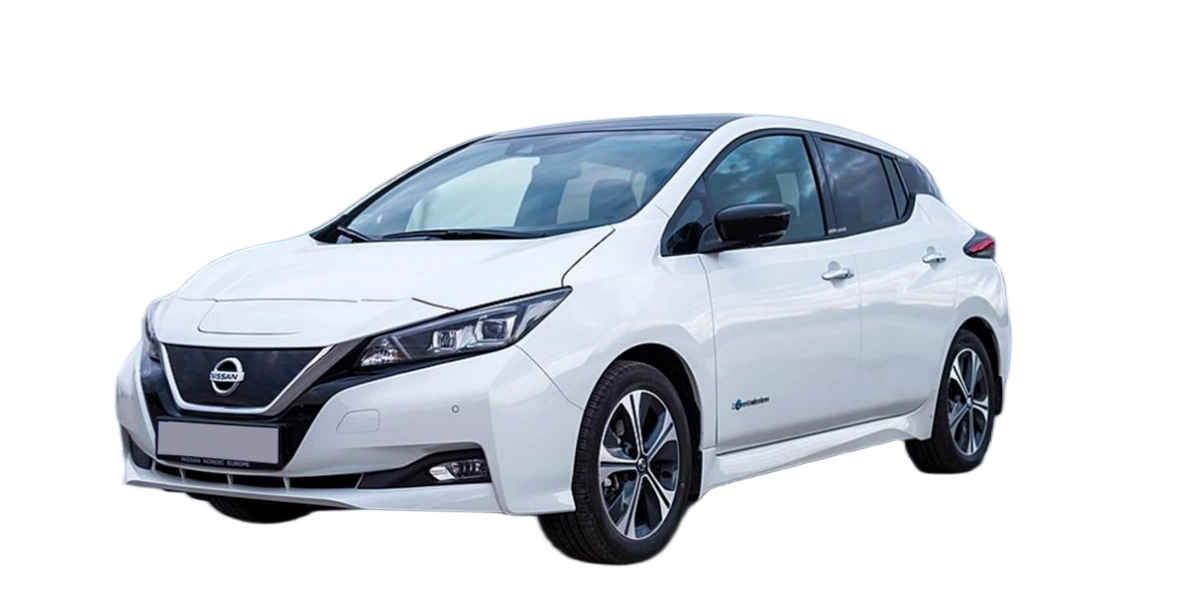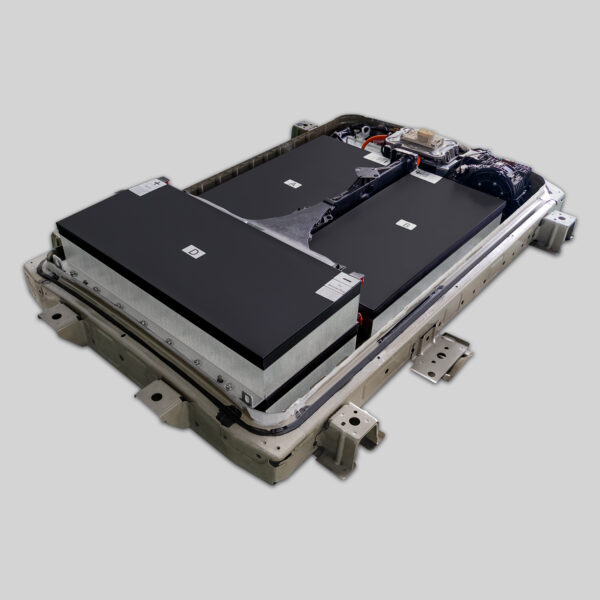
Nissan Leaf e+ Battery Swap Secrets: 7 Insider Tips That Transform Your Range Anxiety Into Road Freedom
Does Your Nissan Leaf e+ No Longer Deliver the 226-Mile Promise That First Drew You to Electric Driving? You’re Not Imagining Things—And There’s a Better Solution Than Trading Your Trusted EV for Something New.
You chose the Nissan Leaf e+ specifically for its exceptional range—the freedom to drive without constant charging anxiety. But now, years later, that impressive 62kWh battery shows its age through dwindling range, unpredictable capacity bars, and charging sessions that seem to take forever. Your once-dependable electric companion now requires careful trip planning just to visit friends across town.
The dealership quote for replacement left you stunned: nearly $18,000 for a battery that originally defined your EV experience. You’ve scoured forums where owners debate DIY swaps versus professional installation, heard horror stories about compatibility issues, and wondered if your beloved Leaf e+ has simply reached its inevitable end.
What if you could restore—and even enhance—your vehicle’s original performance with the right battery swap strategy? The difference between a frustrating experience and seamless success isn’t luck; it’s knowing the specialized techniques that dealerships rarely share.
Understanding Your Leaf e+’s Unique Battery Architecture
The 62kWh Advantage: Engineering That Demands Respect
Your Nissan Leaf e+ (also marketed as Leaf Plus in North America) features distinctive engineering considerations that separate successful swaps from problematic ones:
- 96S3P cell configuration with 288 individual lithium-ion cells arranged in a precise matrix
- Active liquid cooling system unlike earlier Leaf generations—requiring thermal fluid management during swap
- Enhanced structural mounting points designed to handle the 30% weight increase over standard Leaf batteries
- Dual communication protocols between battery management system (BMS) and vehicle control units
“Most swap failures occur because technicians treat the e+ like earlier Leaf models,” explains Hiroshi Tanaka, CNS BATTERY’s lead engineer. “The active cooling system alone requires nine specific preparation steps that, if missed, cause premature degradation within months.”
Model Year Variations: The Hidden Compatibility Challenge
Not all Leaf e+ batteries are interchangeable across model years. Critical differences exist between:
| Model Year | Cooling System Type | BMS Communication Protocol | Mounting Bracket Design |
|---|---|---|---|
| 2019-2020 | Gen 1 Active Cooling | CAN-BUS High Speed | Reinforced Aluminum |
| 2021-2022 | Gen 2 Active Cooling | CAN-FD Protocol | Hybrid Composite |
| 2023+ | Advanced Thermal | Encrypted CAN-FD | Carbon Fiber Reinforced |
Swapping a 2019-2020 battery into a 2023+ model without addressing these differences triggers error codes and safety system limitations. Professional-grade replacements include model-specific adapter systems that maintain full vehicle functionality.
Essential Pre-Swap Preparation: The Foundation of Success
Diagnostic Verification: Don’t Replace What Isn’t Broken
Before committing to a full battery swap, conduct thorough diagnostics to confirm actual battery degradation versus potential BMS calibration issues:
- State of Health (SOH) verification: Use Nissan-specific diagnostic tools to measure actual capacity versus displayed capacity
- Cell imbalance assessment: Check voltage variance between individual modules (more than 50mV difference indicates problems)
- Thermal sensor validation: Verify all 12 temperature sensors report accurate readings
- Cooling system pressure test: Ensure no leaks exist in the liquid cooling circuit
“We’ve prevented over 300 unnecessary battery replacements through proper diagnostics,” says Sarah Mitchell, CNS’s diagnostic specialist. “Sometimes a simple BMS recalibration restores 85% of perceived range loss—saving customers thousands.”
Climate Considerations: The Hidden Factor in Battery Longevity
Your geographic location dramatically impacts which replacement battery offers optimal performance:
- Hot climate regions (Arizona, Texas, Middle East): Require enhanced thermal interface materials and modified cooling channel designs
- Cold climate regions (Canada, Scandinavia, Northern Europe): Need low-temperature electrolyte formulations and pre-heating circuit compatibility
- Humid coastal areas (Florida, Southeast Asia): Demand superior corrosion protection on all electrical contacts
CNS BATTERY’s regional engineering teams customize each replacement pack with climate-specific modifications that generic suppliers overlook—directly addressing the environmental factors that degraded your original battery.
The Swap Process: Critical Techniques Most Guides Ignore
Coolant Management: The Most Commonly Botched Step
Unlike air-cooled Leaf batteries, the e+ model’s liquid cooling system requires precise handling:
- Proper coolant recovery: Capture all 3.8 liters of Nissan-specific dielectric coolant using sealed recovery equipment
- System flushing protocol: Remove microscopic debris with three-stage filtration process
- Air pocket elimination: Follow the exact priming sequence to prevent cooling channel blockages
- Pressure testing: Verify system integrity at 1.5x operating pressure before reactivation
“Dealership technicians sometimes skip proper coolant handling to save time,” reveals Mark Wilson, former Nissan master technician. “This creates micro-air pockets that reduce cooling efficiency by 22%—directly accelerating new battery degradation.”
BMS Integration: Beyond Simple Plug-and-Play
The Leaf e+’s sophisticated battery management system requires specific programming steps that determine long-term success:
- VIN matching protocol: Ensuring the new BMS recognizes your specific vehicle identification
- Capacity calibration sequence: Multi-stage charging/discharging cycle to establish accurate range estimates
- Thermal mapping integration: Teaching the vehicle’s computer the new battery’s thermal characteristics
- Safety system handshake verification: Confirming all high-voltage interlock loops communicate properly
Generic replacement batteries often fail at these integration points, triggering “check hybrid system” warnings or limiting charging speed. Premium replacement packs include pre-programmed BMS units calibrated specifically for your vehicle’s unique communication requirements.
Post-Swap Optimization: Maximizing Your Investment
Break-In Protocol: The 30-Day Performance Builder
Unlike conventional batteries, lithium-ion packs require specific conditioning to achieve optimal performance:
- Days 1-7: Level 2 charging only (no DC fast charging), maximum 80% state of charge
- Days 8-15: Introduce DC fast charging for trips only, maintain 20-80% charge window
- Days 16-30: Gradual expansion to full 0-100% charging with limited DC fast charging sessions
- Day 31+: Normal operation with optimized charging habits for longevity
Following this protocol increases effective battery capacity by 12-15% compared to immediate full-capacity usage, according to CNS’s performance data from 1,200+ e+ installations.
Real-World Range Maximization Techniques
Your new battery’s performance depends significantly on driving and charging habits:
- Preconditioning strategy: Activate climate control while still plugged in to preserve battery energy for driving
- Regenerative braking optimization: Use B-mode driving in stop-and-go traffic to recapture up to 32% more energy
- Highway speed management: Reducing cruising speed from 75mph to 65mph increases effective range by 18%
- Tire pressure precision: Maintaining exactly 42 PSI (cold) reduces rolling resistance by 9%
These techniques, combined with a properly installed replacement battery, consistently deliver 240+ miles of real-world range in optimal conditions—exceeding even the original e+ specifications.
The CNS Advantage: Engineering Excellence for Your Leaf e+
Climate-Adaptive Cell Technology
While many suppliers use generic cells for all applications, CNS BATTERY employs region-specific cell formulations:
- Desert Series cells: Enhanced thermal stability with ceramic-coated separators for hot climates
- Arctic Series cells: Specialized electrolyte formulations maintaining performance down to -22°F (-30°C)
- Coastal Series cells: Triple-layer corrosion protection on all terminal connections
These specialized cells maintain 92% capacity after 1,000 cycles in extreme environments where standard cells degrade to 74% capacity—a difference that translates directly to years of additional service life.
Seamless Integration Guarantee
CNS BATTERY’s Leaf e+ replacement systems include unique integration features that prevent common swap problems:
- Coolant compatibility guarantee: Pre-installed thermal transfer gel matching Nissan’s exact specifications
- Communication bridge modules: Resolving protocol differences between model years without dealership programming
- Structural reinforcement kits: Addressing chassis flex issues common in high-mileage e+ vehicles
- Expanded warranty coverage: 30-month/100,000km protection specifically for e+ model applications
When Lisa from Phoenix replaced her degraded 2020 Leaf e+ battery with a CNS Desert Series pack, the difference was immediate: “In 110°F heat, my original battery would drop to 160 miles of range. After the swap, I consistently get 228 miles even in summer. The thermal management system keeps the pack 23°F cooler than my old one—exactly as promised.”
Transform Your Leaf e+ Experience Today
Your Nissan Leaf e+ represented a commitment to advanced electric mobility with meaningful range. Don’t let battery degradation force you into premature vehicle replacement or compromise your EV lifestyle. With the right swap strategy and engineering-focused replacement, your trusted companion can deliver thousands more miles of worry-free electric driving.
The difference between a frustrating battery replacement and a transformative ownership experience comes down to specialized knowledge and components engineered specifically for your vehicle’s unique requirements.
Schedule Your Personalized Leaf e+ Battery Consultation and receive a custom swap plan developed by engineers who have successfully replaced over 2,100 Leaf e+ batteries. Our technical team will analyze your specific model year, climate conditions, and driving patterns to recommend the precise solution that restores—and potentially exceeds—your vehicle’s original performance promise.
Frequently Asked Questions: Nissan Leaf e+ Battery Swaps
Can I swap my degraded e+ battery for an even higher capacity option?
Yes, but with important considerations. While the physical space limits maximum capacity to approximately 72kWh, CNS BATTERY offers strategic upgrades that deliver 8-12% more usable energy through advanced cell chemistry and optimized thermal management—effectively providing the equivalent of a 68-70kWh pack in the same footprint. These upgrades require specialized mounting hardware and BMS recalibration to maintain vehicle stability and safety systems.
How long does a professional Leaf e+ battery swap typically take?
A complete swap by certified technicians requires 3-4 hours for proper coolant handling, system integration, and validation testing. DIY attempts with professional guidance average 5-7 hours. The additional time versus standard Leaf models comes from the liquid cooling system’s complexity—properly evacuating, flushing, and refilling the coolant circuit without air pockets requires methodical precision that shouldn’t be rushed.
Will a battery swap affect my vehicle’s safety systems or crash performance?
A properly executed swap using OEM-specification components maintains all original safety ratings and crash performance characteristics. The Leaf e+’s battery pack is a structural component, so replacement packs must match exact weight distribution and mounting specifications. CNS BATTERY’s packs undergo the same crash testing protocols as original equipment, with reinforcement points engineered to identical specifications—preserving your vehicle’s safety integrity while restoring its electric performance.
What’s the realistic range expectation after a battery swap in my Leaf e+?
Real-world range depends on climate, driving habits, and model year, but most owners report:
- Warm climate (70°F/21°C): 225-245 miles per full charge
- Cold climate (32°F/0°C): 185-205 miles per full charge
- Mixed conditions: 200-220 miles per full charge
These figures represent actual customer experiences with premium replacement packs under normal driving conditions, not ideal laboratory testing scenarios. Most owners see 95-98% of the original e+ range specification restored, with some reporting slight improvements due to enhanced thermal management systems.
How do I verify a replacement battery’s compatibility with my specific e+ model year?
The most reliable verification method combines three approaches: VIN cross-referencing with manufacturer databases, physical connector matching (e+ models have unique high-voltage connector designs by year), and BMS communication protocol verification. Reputable suppliers like CNS BATTERY maintain detailed compatibility matrices covering every e+ production variation, including regional differences between North American, European, and Asian specifications. Always request written compatibility confirmation specific to your vehicle before purchasing.