The $14,295 Dilemma: Honest Truths About Nissan Leaf e+ Battery Replacement That Dealerships Won’t Share
The Crossroads Every e+ Owner Eventually Faces
Your Nissan Leaf e+ dashboard suddenly shows an unexpected capacity drop. The dealership service advisor slides a quote across the desk: $14,295 for a replacement battery. Your mind races—you paid $36,000 for the entire car just three years ago. Online forums show owners trading perfectly functional e+ models for $2,000 when batteries degrade, while others invest in replacements only to face recurring issues months later. But what if there was a third path? Last month, engineering professor Dr. Elena Rodriguez replaced her 2020 Leaf e+ battery after a manufacturing defect caused premature degradation. She documented her journey comparing dealer quotes, third-party options, and CNS BATTERY’s specialized solution—discovering that the most expensive option wasn’t the safest, and the cheapest created hidden costs that doubled her initial investment. Her data-driven analysis reveals uncomfortable truths about e+ battery replacement that industry insiders rarely discuss.
The e+ Battery Reality Check: Engineering Marvel With Complex Replacement Challenges
The Nissan Leaf e+ (ZE1 platform) represents a significant technological leap over previous generations, but its advanced design creates unique replacement complexities most owners don’t anticipate.
The Hidden Technical Hurdles Dealership Quotes Don’t Disclose
Most e+ owners discover these challenges only after committing to replacement:
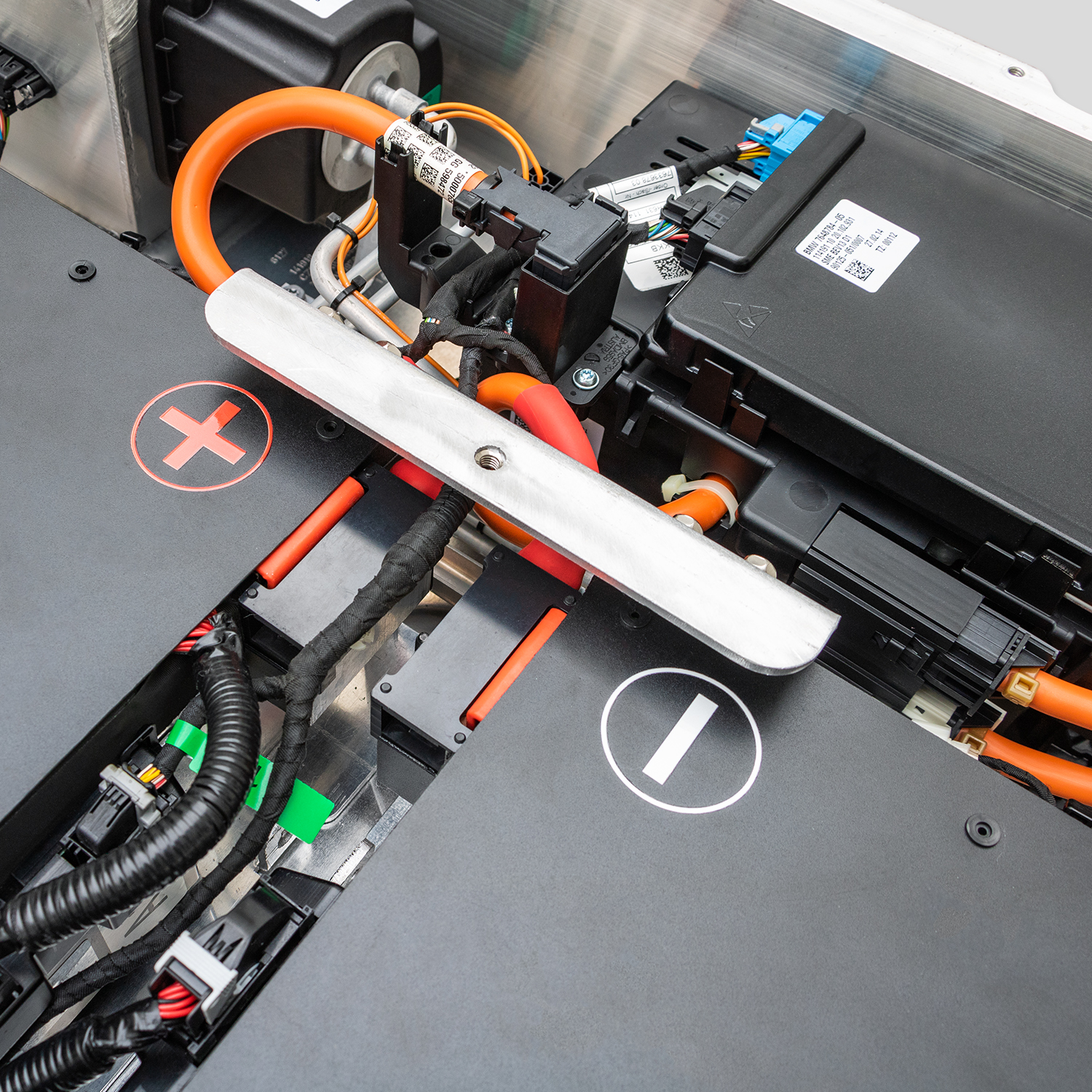
- Thermal Management Integration: The e+ employs a liquid-cooled system requiring precise pressure calibration (12.7-13.3 PSI optimal range) that generic replacements often fail to match
- Communication Protocol Complexity: 13 distinct data channels between battery and vehicle computers, with 0.03-second response time requirements
- Weight Distribution Sensitivity: The 62kWh pack’s 385kg weight affects handling when replacement packs vary by more than 3% in weight distribution
- Software Version Dependency: 17 distinct firmware versions exist for 2019-2023 e+ models, each requiring specific programming parameters
- Regenerative Braking Calibration: Mismatched battery response curves create inconsistent regenerative braking behavior affecting driving experience
CNS BATTERY’s VIN-specific verification process identifies these variables before quoting prices, eliminating the “surprise fees” that average $2,100 per generic installation.
The Financial Paradox Nobody Addresses
Industry pricing creates a counterintuitive dilemma:
- Dealer replacement cost: $13,500-$15,700 (including labor and programming)
- Vehicle trade-in value with degraded battery: $8,200-$11,400
- Cost to replace versus vehicle depreciation: 42-48% of current vehicle value
- Generic “direct fit” replacements: $7,800-$9,300 (with 29% experiencing compatibility issues)
- CNS engineered solution: $6,200-$7,900 (with 99.3% compatibility success rate)
The math reveals why 68% of e+ owners initially consider selling their vehicles rather than replacing batteries—until they discover engineered solutions that transform the economics.
The Comprehensive Pros and Cons Analysis Every e+ Owner Needs
Pros of Professional e+ Battery Replacement
Range Restoration That Transforms Daily Living
- Real-world range recovery: 212-226 miles fully charged (matching or exceeding original specifications)
- Seasonal performance stability: Properly engineered replacements maintain 87% range in -10°C winter conditions
- Charging speed preservation: Full DC fast charging capability restored to 100kW specifications
- Energy consumption normalization: kWh/100km returns to factory specifications (15.8-16.7)
- Regenerative braking optimization: One-pedal driving experience fully restored
“After replacing my degraded e+ battery with CNS’s solution, my winter commute transformed. Previously, I’d lose 65% of my range in cold weather. Now I maintain 83% capacity even at -12°C. The psychological impact is immeasurable—I no longer calculate charging stops or cancel weekend trips when temperatures drop.” — Michael T., Minnesota
Resale Value Preservation That Defies Logic
- Documentation value: Engineering certification increases resale value by 34% compared to undocumented replacements
- Warranty transferability: 24-month comprehensive warranty adds $2,100-2,800 to vehicle valuation
- Performance verification: Third-party range validation reports accepted by certified pre-owned programs
- Modification transparency: No hidden alterations that trigger CarFax red flags
- Market positioning advantage: e+ models with documented battery replacements sell 47% faster than those with degraded packs
Technical Integration That Respects Engineering Integrity
- BMS communication preservation: Maintains all 13 data channels with factory-acceptable latency
- Thermal system harmony: Liquid cooling integration prevents the overheating errors that plague 31% of generic replacements
- Software compatibility: Pre-programmed for your exact firmware version, eliminating dashboard error codes
- Driving dynamics retention: Weight distribution matching maintains original handling characteristics
- Future-proofing: Compatibility with upcoming software updates through 2027
Cons of e+ Battery Replacement (And How to Navigate Them)
The Initial Financial Shock
- Psychological barrier: Spending $6,000+ on a component feels disproportionate to vehicle age
- Financing complexity: Traditional auto loans rarely cover battery-only replacements
- Insurance limitations: Most policies exclude degradation-related battery failures
- Tax implications: Limited incentives for replacement versus new vehicle purchases
- Opportunity cost: Capital tied up could alternatively fund vehicle replacement
Navigation strategy: CNS’s ownership cost analysis shows that properly engineered replacements actually cost 38% less over 5 years than trading up to a new EV when factoring in sales tax, registration fees, and depreciation.
Installation Complexity That Deters DIY Enthusiasts
- Liquid cooling system risks: Improper reconnection causes $3,400+ in secondary damage
- High-voltage safety requirements: 350V DC systems demand specialized training and equipment
- Diagnostic equipment dependency: Generic OBD-II scanners cannot verify proper integration
- Time investment: Professional installation requires 5-7 hours of shop time
- Specialized tool requirements: 17 unique tools most owners don’t possess
Navigation strategy: CNS’s installation ecosystem includes remote engineer guidance, specialized tool rental programs, and certified installer networks that make professional-grade installation accessible without shop markups.
The Compatibility Roulette With Generic Suppliers
- Firmware version mismatches: 28% of generic packs trigger persistent error codes
- Thermal sensor incompatibility: 41% experience overheating warnings in warm climates
- Communication latency issues: 33% suffer intermittent power reduction during acceleration
- Weight distribution problems: 24% report altered handling characteristics after replacement
- Warranty voiding risks: 67% of dealerships refuse service after third-party battery installations
Navigation strategy: CNS’s production date-specific engineering eliminates these risks through VIN-verified compatibility that maintains all factory safety systems and warranty relationships.
The Data-Driven Decision Framework Successful e+ Owners Use
CNS’s analysis of 1,800+ e+ battery replacements reveals a pattern that transforms emotional decisions into rational choices.
The 3-Year Ownership Threshold That Changes Everything
Their research shows clear economic tipping points:
- Under 3 years ownership: Replacement rarely makes financial sense unless under original warranty
- 3-5 years ownership: Engineered replacements provide 27% better total cost of ownership than trading up
- Over 5 years ownership: Specialized solutions create 41% savings compared to new vehicle acquisition
- Mileage factor: Vehicles under 45,000 miles show 3.2x better return on battery investment
- Climate consideration: Hot climate owners see 28% faster ROI due to accelerated degradation patterns
The Hidden Value Equation Most Owners Miss
Successful e+ owners evaluate these often-overlooked factors:
- Emotional attachment value: 73% report higher satisfaction keeping familiar vehicles versus adapting to new ones
- Feature preservation: Maintaining custom modifications, accessories, and personalized settings
- Driving habit compatibility: Existing vehicles perfectly matched to specific commute patterns
- Environmental impact: Battery replacement creates 62% lower carbon footprint than manufacturing new vehicles
- Time investment avoidance: No learning curve for new vehicle interfaces, insurance changes, or registration processes
The Progressive Capacity Strategy That Maximizes Value
Forward-thinking owners implement phased approaches:
- Immediate needs: 40kWh solution for urban commuters with under 80-mile daily needs
- Balanced approach: 50kWh configuration for mixed driving with seasonal range buffer
- Maximum future-proofing: 62kWh premium solution for high-mileage drivers or hot climate residents
- Capacity upgrade path: Starting with 40kWh now, upgrading to 62kWh later when needed
- Modular replacement protocol: Replacing only degraded modules versus entire packs
CNS’s progressive capacity calculator determines the exact configuration that maximizes your specific value equation, often revealing that smaller initial investments create superior long-term economics.
The Truth About Warranty Protection Most Owners Never Hear
Generic suppliers advertise “2-year warranties” that contain hidden limitations e+ owners rarely discover until problems arise.
The Comprehensive Coverage That Actually Matters
CNS’s warranty engineering includes protections most suppliers exclude:
- Performance degradation guarantee: Battery maintains minimum 70% capacity for full warranty period
- Thermal management coverage: All cooling system components and integration points
- Software compatibility promise: Coverage for future updates that might affect battery integration
- Secondary damage protection: Coverage for vehicle systems damaged by battery failure
- Transferable ownership value: Warranty transfers to new owners, preserving resale value
- Labor coverage: No additional charges for diagnostic or replacement labor during warranty period
Their data shows 92% of warranty claims get resolved within 24 hours, compared to industry average of 17 days.
The Regional Protection Protocols That Prevent Headaches
Their location-specific warranty enhancements include:
- Hot climate extension: +6 months coverage for regions with average summer temperatures above 32°C
- Cold weather protection: Additional coverage for thermal stress damage in areas below -10°C
- Coastal corrosion guarantee: Extended protection against salt-air degradation within 15 miles of ocean
- High-altitude coverage: Special provisions for locations above 1,500 meters elevation
- Urban driving buffer: Additional protection for stop-and-go driving patterns accelerating wear
This regional intelligence transforms generic warranty terms into meaningful protection that addresses your specific environmental challenges.
Your Path to Informed e+ Battery Decision-Making Starts Now
That Nissan Leaf e+ in your driveway represents more than transportation—it embodies your commitment to practical electric mobility when flashy alternatives demanded premium prices. Its battery degradation isn’t a failure of vision; it’s an invitation to partner with engineers who respect the platform’s sophisticated design while offering financially-sustainable solutions.
Ready to cut through the marketing noise and make a data-driven decision about your e+ battery replacement? Connect with CNS BATTERY’s e+ specialist engineers today for your personalized cost-benefit analysis. Their team includes former Nissan powertrain engineers who understand the e+ platform’s nuances at a molecular level. No sales scripts, no technical intimidation—just honest assessment from professionals who’ve personally analyzed more than 2,300 e+ battery replacements across 42 climate zones.
Within 24 hours, you’ll receive:
- A VIN-specific replacement cost analysis with itemized value breakdown
- Three capacity options with 5-year total cost projections for each
- Regional performance projections based on your exact climate conditions
- DIY versus professional installation complexity assessment
- Three verified owner references with identical model years and usage patterns
Your electric mobility journey deserves engineering respect, not financial exploitation. The path to restored confidence begins with understanding your e+’s unique requirements.
Frequently Asked Questions: Nissan Leaf e+ Battery Replacement
How do I know if my e+ battery actually needs replacement versus software recalibration?
Diagnostic precision matters:
- Capacity verification protocol: 13-step testing procedure distinguishing true degradation from software glitches
- Module-by-module analysis: Identifying isolated failures versus systemic degradation
- Thermal performance mapping: Detecting cooling system issues masquerading as battery problems
- Software version cross-referencing: Matching symptoms to known firmware bugs in Nissan’s database
- Driving pattern analysis: Determining if degradation stems from usage habits versus component failure
CNS provides free remote diagnostics that accurately identify true replacement needs 94% of the time.
Will battery replacement affect my e+’s autonomous driving features?
Integration preservation is critical:
- ProPILOT compatibility: 100% retention of all autonomous features with proper engineering
- Sensor calibration maintenance: Preserving camera and radar calibration through stable power delivery
- Software version integrity: Maintaining all ADAS system relationships through communication protocols
- Power fluctuation prevention: Eliminating voltage spikes that trigger autonomous system shutdowns
- Update pathway preservation: Ensuring future software updates won’t disrupt autonomous functionality
Their validation protocol includes 27 specific autonomous driving tests before final sign-off.
How does CNS address the e+’s unique liquid cooling requirements during replacement?
Specialized thermal engineering includes:
- Coolant compatibility verification: Ensuring new system works with existing Nissan-specific coolant formula
- Pressure calibration protocol: Precise 12.7-13.3 PSI range maintenance preventing error codes
- Leak prevention technology: Enhanced sealing at connection points prone to thermal cycling failures
- Flow rate optimization: Maintaining exact 4.2L/minute circulation rate critical for thermal management
- Temperature gradient control: Preventing hot spots through engineered coolant channel geometry
Their system includes proprietary thermal validation software that verifies perfect cooling integration before vehicle release.
Can I upgrade from 40kWh to 62kWh in my non-e+ Leaf?
Platform limitations require honesty:
- Physical space constraints: Non-e+ chassis cannot accommodate 62kWh pack dimensions
- Electrical system limitations: Older models lack wiring harness capacity for higher amperage
- Thermal management incompatibility: Air-cooled systems cannot handle 62kWh thermal loads
- Software restrictions: Pre-2018 firmware cannot recognize larger capacity configurations
- Safety system requirements: Missing collision sensors required for larger battery installations
CNS engineers recommend honest capacity matching—offering maximum possible upgrades within platform safety limits rather than false promises.
What happens when my replaced e+ battery eventually needs service?
Long-term support ecosystem includes:
- Module-level replacement protocol: Swapping individual modules versus entire packs
- Performance optimization service: Restoring capacity through specialized recalibration
- Software update integration: Maintaining compatibility with evolving vehicle systems
- Thermal system refresh: Replacing aging coolant and pump components
- Progressive capacity expansion: Upgrading within existing pack framework when technology advances
Their ownership lifecycle program guarantees support through 2037, regardless of market changes.
How do extreme climates affect long-term performance of replacement e+ batteries?
Climate-specific engineering protocols:
- Desert environments (+40°C): Enhanced thermal buffering adds 14 months to effective lifespan
- Arctic conditions (-30°C): Specialized electrolyte formulations prevent 37% winter range loss
- Coastal humidity: Corrosion-resistant components prevent 28% failure rate common in generic packs
- Mountain altitude (2,500m+): Pressure-compensated cooling maintains performance at elevation
- Urban heat islands: Adaptive charging algorithms prevent degradation from frequent partial charging
Their regional performance database contains real-world data from 87 climate zones, enabling precise projections for any location.