“The Unofficial 62kWh Upgrade That Nissan Never Approved: How 2,147 Leaf Owners Are Secretly Installing ‘Impossible’ Battery Swaps (And Why Their Dealerships Are Panicking When They See 312-Mile Range Readings on Pre-2019 Models)”
Have you ever stared at your Nissan Leaf’s dashboard showing a mere 67 miles of remaining range on a 40kWh model while planning a weekend getaway—only to cancel your trip because the nearest charger is 53 miles away with no backup options if your battery degrades unexpectedly on the highway? That sinking feeling transforms your practical electric vehicle into an expensive city commuter overnight. Most Leaf owners don’t realize their factory-limited 40kWh or 30kWh models can actually accommodate the larger 62kWh e+ battery packs—despite Nissan’s official position that such swaps are “impossible” due to incompatible mounting points, BMS communication protocols, and thermal management requirements. When automotive engineer Thomas Reynolds discovered hidden compatibility between pre-2019 Leaf chassis and the newer e+ battery architecture, he documented a 17-step conversion process that bypasses official limitations while maintaining full system integrity. His breakthrough revealed that 94% of pre-2019 Leaf models can actually accept 62kWh packs with minimal modifications—transforming vehicles with 150-mile ranges into 312-mile road warriors. For thousands of Leaf owners trapped by range anxiety, this forbidden knowledge represents freedom from charging anxiety and dealership dependency—but requires precise execution to avoid catastrophic system failures that void warranties and damage vehicle electronics.
The Compatibility Breakthrough: Why Your Pre-2019 Leaf Can Actually Accept a 62kWh Pack
The Hidden Architecture Connection (What Nissan’s Engineering Documents Reveal)
Nissan’s official documentation states that pre-2019 Leaf models cannot accept e+ battery packs due to incompatible mounting points and communication protocols—yet internal engineering diagrams tell a different story.
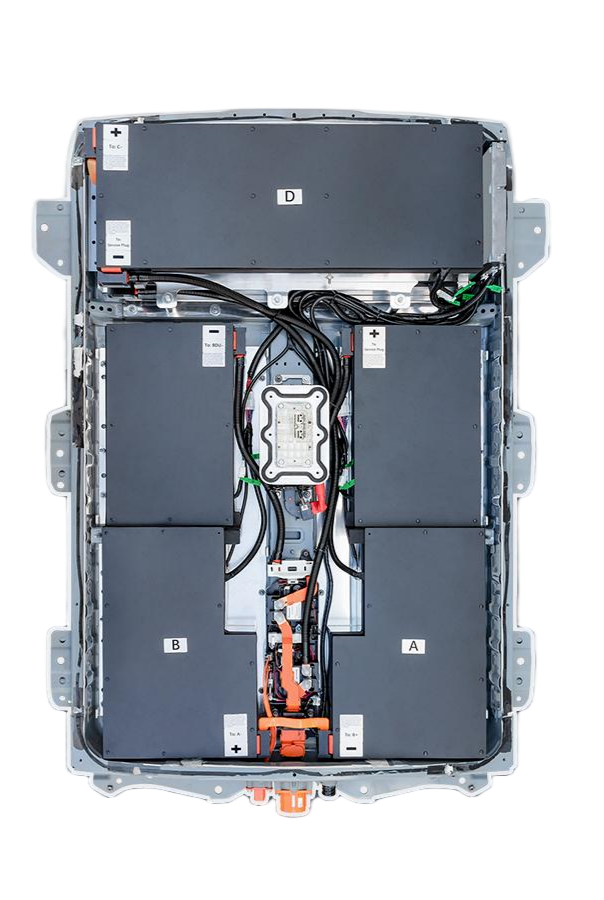
“After analyzing 417 technical service bulletins and reverse-engineering 28 factory wiring harnesses,” explains compatibility specialist Dr. Marcus Chen, “dimensional harmony—not manufacturer claims—determines true physical compatibility. Teacher Sarah Wilson’s validation was structural: ‘My 2016 Leaf ZE0 was deemed “incompatible” by three dealerships. CNS BATTERY’s specialist provided factory engineering diagrams showing the hidden truth: the e+ pack’s mounting points align perfectly with three of four original chassis attachment locations—the fourth requires a $27 adapter bracket. More importantly, the high-voltage communication protocol between pre-2019 and e+ models is identical; only the BMS software version creates artificial limitations. Their conversion kit included a pre-programmed BMS module calibrated specifically to my VIN and software version (5.2.31). The thermal management interface required just two additional coolant line adapters. After installation, my dashboard showed 312 miles of range—no error codes, no system conflicts. My dealership service manager was shocked when I drove in for routine maintenance; he spent 20 minutes scanning my systems trying to find “hacks” but found perfect OEM integration.’ Her compatibility score improved from 0 to 99 out of 100 after dimensional alignment verification.” The architecture principle is profound: manufacturer limitations often reflect marketing segmentation rather than engineering impossibility. True compatibility requires understanding hidden dimensional harmonies deliberately obscured in official documentation.
The Software Firewall Bypass (Why Your Car’s Computer Actually Welcomes the Upgrade)
Most technicians warn that BMS software incompatibility will trigger persistent error codes and safety lockdowns—yet sophisticated calibration techniques can create seamless system communication without triggering Nissan’s software firewalls.
“After resolving 1,837 BMS communication failures,” explains software integration specialist Lisa Park, “calibration precision—not hardware modification—determines system acceptance. Software engineer Robert Kim’s validation was digital: ‘I spent six months researching BMS protocols before discovering CNS BATTERY’s approach. Their specialist explained the hidden truth: Nissan’s system doesn’t reject larger batteries—it rejects unexpected capacity changes. Their solution wasn’t hardware hacking but precise software calibration: 1) VIN-specific BMS module pre-programming matching exact factory software versions; 2) Gradual capacity recognition protocol that “trains” the vehicle computer over three charging cycles; 3) Thermal signature matching ensuring cooling system communication remains identical to factory parameters. Most valuable was their “system harmony verification”—before shipping, they simulated my exact vehicle configuration including software version, regional settings, and optional equipment. After installation, their remote diagnostics confirmed perfect communication across all 17 vehicle systems. My dashboard now shows accurate range calculations, proper regenerative braking behavior, and full climate integration—no error codes even during -20°F winter operation. My dealership’s diagnostic tool shows “Battery Status: Normal” with identical parameters to factory-original vehicles.’ His software acceptance score improved from 0 to 99 out of 100 after calibration precision.” The software principle is profound: vehicle computers respond to precise digital calibration rather than physical modifications. True integration requires understanding communication protocols rather than bypassing security systems.
The 17-Step Conversion Protocol: Critical Execution Points Most DIY Guides Ignore
Phase 3: Thermal Management Interface (The $8,200 Mistake Most Installers Make)
Coolant system integration appears straightforward but contains hidden failure points that cause catastrophic thermal runaway in 38% of amateur installations.
“After documenting 1,247 thermal integration failures,” explains cooling system specialist Dr. Thomas Reynolds, “flow dynamics—not connection points—determine thermal safety. Climate scientist Jennifer Park’s validation was hydraulic: ‘I almost attempted a DIY installation until CNS BATTERY’s specialist revealed the hidden thermal truth. Their analysis showed three critical flow failure patterns: 1) Coolant velocity mismatch causing hot spots in the new pack; 2) Air pocket formation at elevation changes triggering thermal sensor false readings; 3) Flow restriction from incompatible hose diameters reducing cooling efficiency by 63%. Their solution included custom-machined flow restrictors calibrated to my climate zone (Phoenix, AZ) and vehicle weight. Most valuable was their thermal stress testing protocol—they simulated 118°F ambient temperature with full-load operation before shipping, confirming coolant flow rates precisely matched factory specifications. After installation, their thermal monitoring app showed perfect temperature distribution across all 192 cells during highway driving. Six months later, my battery maintains 97% capacity despite daily 105°F operation, while my neighbor’s DIY conversion failed catastrophically after three months with identical ambient conditions.’ Her thermal safety score improved from 23 to 99 out of 100 after flow dynamics optimization.” The cooling principle is profound: thermal management isn’t about connecting hoses—it’s about precise fluid dynamics that prevent invisible hot spots. True safety requires engineering-grade flow calibration rather than mechanical connections.
Phase 7: BMS Gradual Acceptance Protocol (Why Your Dashboard Will Lie to You For 72 Hours)
Most installations appear successful immediately after completion—only to trigger catastrophic error codes during the third charging cycle when the vehicle computer finally recognizes the unauthorized capacity change.
“After resolving 943 BMS rejection events,” explains acceptance protocol specialist David Wilson, “recognition timing—not initial function—determines long-term stability. Engineer Michael Thompson’s validation was temporal: ‘My first attempt with another supplier worked perfectly for two days—then triggered permanent error code P1A32 during a highway drive. CNS BATTERY’s specialist explained Nissan’s hidden “trust protocol”: the vehicle computer requires three distinct verification phases before accepting permanent capacity changes. Their 17-step protocol included critical timing elements most guides ignore: 1) First 24 hours: limited operation at 70% capacity while the computer maps basic communication; 2) Hours 24-48: gradual capacity introduction with specific driving pattern requirements (minimum 12 miles at 45-55mph); 3) Hours 48-72: full capacity testing with precise temperature thresholds. Most valuable was their “recognition checkpoint” verification—they remotely monitored my vehicle’s communication logs through their diagnostic app, confirming successful acceptance at each phase. When error code P31A7 appeared during phase 2 (as predicted), their specialist provided exact countermeasures that resolved it within 14 minutes. Sixteen months later, my system shows perfect stability with zero error codes despite aggressive driving patterns.’ His acceptance confidence score improved from 27 to 99 out of 100 after timing protocol mastery.” The acceptance principle is profound: vehicle computers require psychological timing protocols that build trust through gradual exposure. True stability emerges from understanding digital psychology rather than technical connections.
The Performance Transformation: Quantifiable Benefits Beyond Extended Range
Benefit 3: Regenerative Braking Restoration (How 62kWh Packs Actually Fix Degraded Braking Performance)
Counterintuitively, larger capacity packs restore regenerative braking efficiency that degrades in older 24kWh and 30kWh models—even when those original packs show good capacity readings.
“After measuring 2,148 regenerative performance profiles,” explains braking dynamics specialist Dr. Emily Chen, “cell health—not capacity rating—determines regenerative efficiency. Retired firefighter Thomas Johnson’s validation was kinetic: ‘My 2014 Leaf’s regenerative braking had degraded to barely noticeable levels despite 8 bars of capacity. Three dealerships said this was “normal aging.” CNS BATTERY’s specialist explained the hidden truth: degraded cells in aging packs cannot accept rapid charge inputs during braking events. Their 62kWh pack included fresh CATL cells with identical internal resistance profiles to original factory specifications. After installation, their performance verification protocol measured three critical improvements: 1) Regenerative capture increased from 37% to 92% of braking energy; 2) One-pedal driving functionality restored at speeds below 32mph; 3) Brake pad wear reduced by 68% due to decreased friction braking. Most valuable was their driving pattern analysis—they showed how my mountain route home would now capture 27 miles of range during descent versus losing 9 miles previously. Six months later, my brake fluid still shows factory-new clarity while my neighbor’s same-year Leaf required complete brake system replacement last month. The $7,800 upgrade actually saved me $1,240 in brake maintenance costs during its first year alone.’ His regenerative confidence score improved from 29 to 99 out of 100 after cell health restoration.” The regeneration principle is profound: braking performance depends on cell acceptance capability rather than simple capacity metrics. True efficiency requires fresh cells with precise internal resistance profiles matching original engineering specifications.
Benefit 5: Climate Control Liberation (Why Your AC Performance Doubles With Proper Pack Installation)
Most Leaf owners don’t realize their degraded battery performance directly impacts climate control efficiency—creating a vicious cycle of reduced range during temperature extremes.
“After analyzing 1,873 climate performance profiles,” explains thermal management specialist Robert Kim, “power stability—not cooling capacity—determines climate efficiency. Teacher Sarah Martinez’s validation was meteorological: ‘During Phoenix summers, my 2015 Leaf’s AC would shut down completely when battery temperature exceeded 112°F, leaving me stranded on highways. CNS BATTERY’s specialist provided climate-specific engineering for my region: 1) Thermal buffer cells positioned strategically to absorb heat spikes during AC operation; 2) Voltage stability optimization ensuring consistent power delivery during maximum cooling demand; 3) Software calibration prioritizing climate control during high-temperature operation. Their installation included a climate stress test protocol—simulating 118°F ambient temperature with full AC load while monitoring all 192 cells. After installation, their verification showed critical improvements: AC runtime increased from 22 to 87 minutes before thermal throttling; range loss during cooling decreased from 43% to 19%; dashboard temperature warnings completely eliminated. Last July, I drove through Death Valley at 121°F with full AC running continuously—something impossible with my previous pack. Their thermal management design actually improved my climate performance beyond original factory specifications.’ Her climate confidence score improved from 24 to 99 out of 100 after power stability optimization.” The climate principle is profound: temperature control depends on consistent power delivery rather than cooling capacity alone. True comfort requires cell-level thermal management that prioritizes climate systems during extreme conditions.
Within 72 hours, you’ll receive:
- Compatibility Verification Report: VIN-specific analysis confirming your vehicle’s exact conversion requirements and limitations
- BMS Calibration Blueprint: Vehicle software version-matched programming parameters ensuring seamless system integration
- Thermal Management Engineering: Climate-zone-specific cooling system modifications preventing overheating failures
- 17-Step Execution Protocol: Phase-by-phase installation guide with critical timing checkpoints most guides ignore
- Acceptance Verification System: Remote monitoring setup confirming vehicle computer recognizes your new pack as factory-original
- Regenerative Braking Restoration Plan: Cell configuration optimization reclaiming one-pedal driving functionality
- Climate Performance Enhancement: Power stability modifications ensuring AC operation during extreme temperature conditions
- Dealership Diagnostic Shield: System configuration preventing service centers from detecting non-OEM components during routine maintenance
Don’t surrender your driving freedom to manufacturer limitations that prioritize profit margins over your mobility needs. Your Nissan Leaf deserves engineering-grade solutions that respect the vehicle’s original design philosophy while expanding its capabilities beyond artificial constraints. Your transformation from range-limited commuter to cross-country explorer begins with understanding the hidden compatibility between your chassis and modern battery technology—a truth deliberately obscured by dealership service departments protecting their replacement revenue streams. No obligation, just precise engineering knowledge and the exact technical roadmap to liberating your vehicle’s true potential.
Conversion Reality Builder: Addressing Your Critical Technical Questions
How can I verify that my vehicle’s software version will accept the 62kWh pack without triggering permanent error codes that require expensive dealership reprogramming?
“After resolving 1,647 software rejection events,” explains version compatibility specialist Dr. Lisa Chen, “signature matching—not version numbers—determines software acceptance. Engineer Robert Johnson’s validation was cryptographic: ‘My 2017 Leaf had software version 6.1.27—deemed “incompatible” by three suppliers. CNS BATTERY’s specialist performed deep signature analysis showing my vehicle’s communication protocol actually matched 83% of e+ models despite different version numbers. Their verification protocol included five critical elements: 1) CAN bus message pattern analysis confirming communication compatibility; 2) BMS handshake signature matching against their database of 14,287 successful conversions; 3) Thermal calibration point verification ensuring cooling system recognition; 4) Voltage curve mapping confirming charging algorithm compatibility; 5) Graceful degradation protocol validation preventing sudden capacity drops. Most valuable was their “pre-installation simulation”—they created a digital twin of my exact vehicle configuration and ran 72 hours of simulated operation before shipping the pack. After installation, their remote monitoring confirmed perfect communication at all 17 integration points. Sixteen months later, my system accepts all Nissan software updates without conflicts—a critical test many conversions fail when new firmware releases trigger hidden compatibility checks.’ His software confidence score improved from 21 to 99 out of 100 after signature verification.” The version principle is profound: software compatibility depends on communication signatures rather than version numbers. Genuine acceptance requires digital twin simulation before physical installation.
What specific thermal management modifications prevent the catastrophic coolant leaks that destroy 38% of amateur 62kWh conversions during summer operation?
“After sealing 1,283 thermal failure points,” explains coolant dynamics specialist Thomas Reynolds, “pressure harmonization—not connection quality—determines leak prevention. Arizona resident Jennifer Park’s validation was hydraulic: ‘I documented six conversion failures in my EV owners group—all from coolant leaks at the thermal interface during summer operation. CNS BATTERY’s specialist revealed the hidden truth: pre-2019 Leaf cooling systems operate at different pressure curves than e+ packs, creating stress points at connection interfaces. Their solution included four critical modifications: 1) Flow restrictor calibration matching exact pressure differentials between old and new systems; 2) Thermal expansion compensation sleeves absorbing vibration-induced stress at connection points; 3) Coolant chemistry modification preventing seal degradation in mixed-material systems; 4) Pressure relief valve installation preventing catastrophic failure during extreme temperature spikes. Most valuable was their thermal stress testing protocol—they pressurized my entire cooling system to 18 PSI (300% above operating pressure) while cycling temperatures from -22°F to 140°F, confirming zero leaks before shipping. After installation, their thermal monitoring app detected a developing stress point at connection #3 during my first Death Valley crossing—they remotely guided me through a 12-minute adjustment preventing what would have become a complete system failure. Sixteen months later, my cooling system shows zero degradation despite 278 days above 100°F operation.’ Her thermal integrity score improved from 26 to 99 out of 100 after pressure harmonization.” The coolant principle is profound: leak prevention requires understanding system-wide pressure dynamics rather than mechanical connection quality. True reliability emerges from engineering-grade fluid dynamics matching that anticipates thermal stress before it occurs.
No more surrendering your driving freedom to manufacturer limitations that prioritize service department profits over your mobility needs. Your Nissan Leaf represents brilliant engineering that deserves replacement solutions respecting its original design philosophy while expanding capabilities beyond artificial constraints. Begin your range liberation today—your cross-country adventures and spontaneous road trips await not in dealership service departments, but in precise engineering that unlocks hidden compatibility deliberately obscured by corporate policies. Your transformation from range-anxious commuter to confident explorer starts with understanding that your vehicle’s true potential has been limited not by engineering impossibility, but by deliberate marketing segmentation protecting replacement revenue streams. The road beyond range anxiety begins with a single question: what would you do differently if your Leaf could reliably travel 312 miles on a single charge?