Nissan Leaf Battery Upgrade: Winter Prep Guide for 2026 (Maximize Range & Safety)
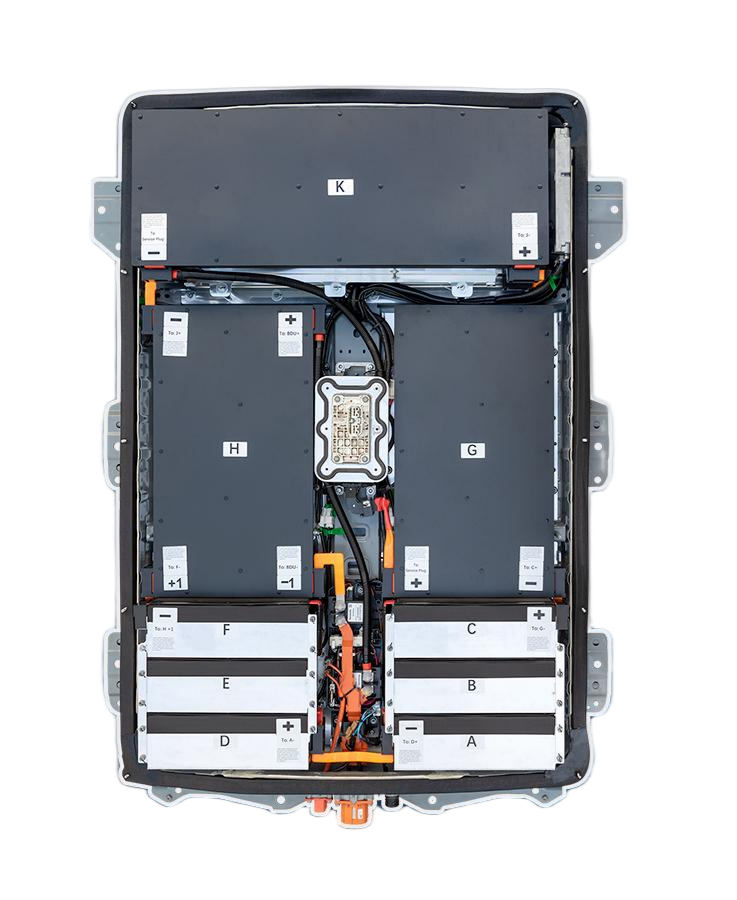
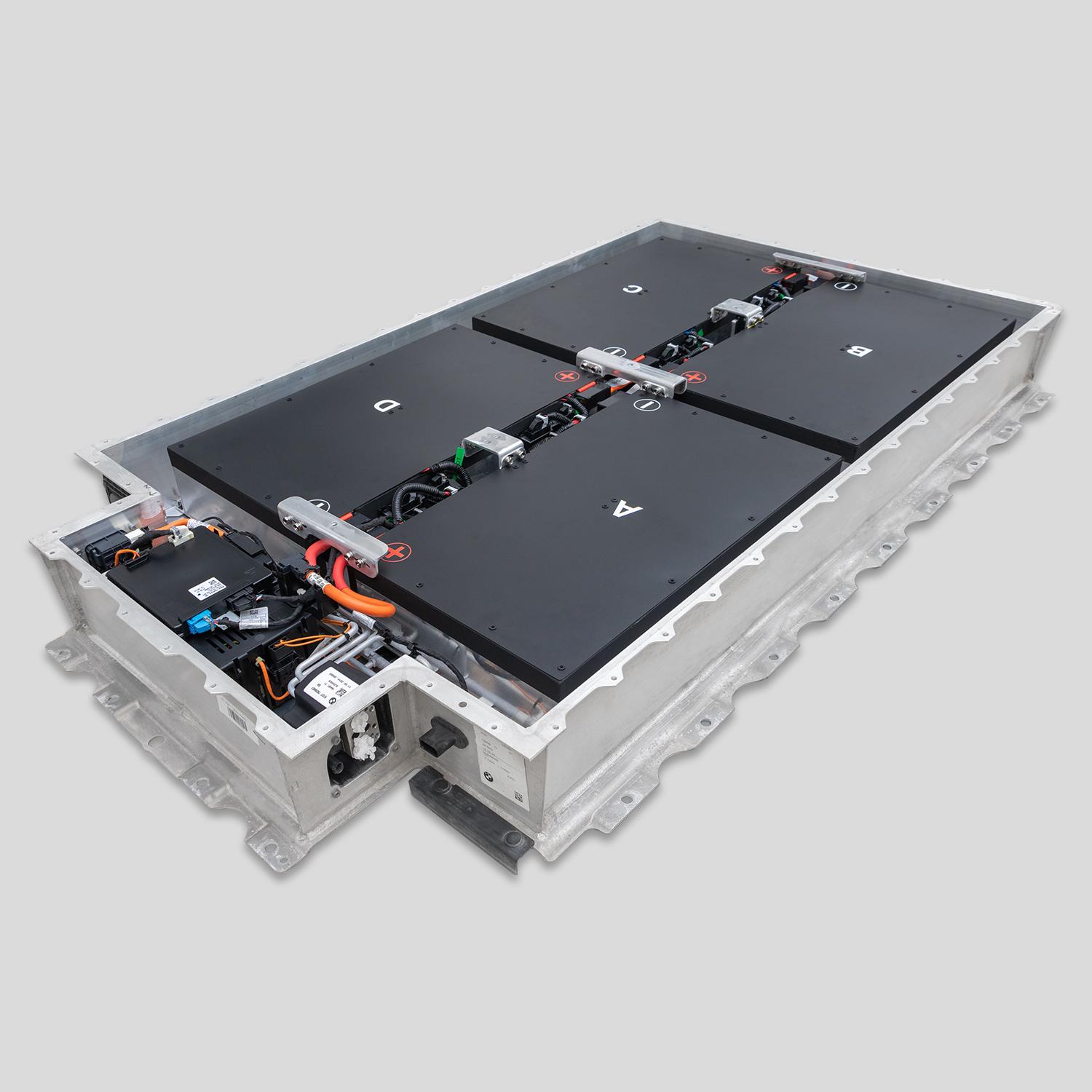
Does your Nissan Leaf lose half its range when temperatures drop below freezing? Winter is brutal for EV batteries, and Leaf models—especially older generations with passive cooling—are notorious for cold-weather performance issues. A Nissan Leaf battery upgrade: winter prep strategy isn’t just about temporary fixes; it’s about investing in a battery that thrives in low temperatures, paired with proactive steps to keep your EV reliable all season. As CNS BATTERY experts, we break down how to upgrade your Leaf’s battery for winter resilience, plus essential prep tips to maximize range, charging speed, and safety when the mercury drops.
Why Nissan Leaf Batteries Struggle in Winter
Nissan Leaf batteries—both older lithium-ion (LMO/NCM) and even some modern variants—face unique winter challenges tied to their design and chemistry. Understanding these pain points highlights why upgrading is a smarter long-term solution than quick hacks.
1. Chemistry-Driven Range Loss
Lithium-ion batteries rely on ion movement to generate power, and cold temperatures slow this process dramatically. First-gen Leafs (ZE0, 2010-2017) with passive cooling lose 40-50% of their range at -20℃, while second-gen ZE1 models (2018-2022) with liquid cooling still see 30-35% range reduction. This turns a 100-mile daily commute into a stressful journey with frequent charging stops.
2. Slow Charging & Capacity Fade
Cold batteries charge at a fraction of their normal speed—up to 70% slower for Leafs in sub-zero weather. Worse, repeated exposure to extreme cold accelerates permanent capacity fade, shortening the battery’s overall lifespan. For owners with degraded packs, winter amplifies these issues, making even short trips unreliable.
3. Passive Cooling Limitations
Nearly all Leaf models before 2018 use passive cooling, which does nothing to regulate battery temperature in winter. The battery stays cold for hours, even after driving, leading to persistent range loss and charging delays. Liquid-cooled ZE1 models fare better but still lack the thermal optimization needed for harsh winters.
Best Nissan Leaf Battery Upgrades for Winter Resilience (2026)
The right battery upgrade eliminates winter range anxiety by prioritizing cold-weather performance. Below are the top options for Leaf generations, engineered to retain capacity and reliability in low temperatures.
1. CNS BATTERY Sodium-Ion Pack (Best for All Leaf Generations)
Our sodium-ion battery upgrade is the gold standard for winter-ready Leafs, designed to address the core flaws of lithium-ion chemistry in cold weather. Available for ZE0 (24kWh/30kWh) and ZE1 (40kWh/62kWh) models, it’s the only upgrade that retains 90% of its capacity at -20℃.
Winter-Centric Benefits: Sodium-ion’s lower freezing point (-27℃) and faster ion movement in cold conditions eliminate dramatic range drops. It charges 3x faster than lithium-ion in sub-zero temperatures, reaching 80% capacity in 30 minutes (vs. 90+ minutes for factory packs). The pack’s thermal stability also reduces permanent capacity fade from winter use, extending lifespan to 6-8 years. Total cost ranges from $6,595 (24kWh ZE0) to $12,995 (62kWh ZE1), including installation, BMS calibration, and core rebates ($600-$1,000).
2. LFP 40kWh/62kWh Upgrade (For ZE1 Liquid-Cooled Models)
Lithium-iron-phosphate (LFP) packs are a budget-friendly upgrade for ZE1 Leafs, offering better cold-weather performance than OEM NCM batteries. They retain 70% capacity at -20℃ and resist fade from winter charging cycles.
Key Considerations: LFP packs cost $6,795-$8,495 (net after rebates) and integrate with the ZE1’s liquid cooling system. While they outperform OEM lithium-ion, they can’t match sodium-ion’s 90% capacity retention. They’re ideal for owners in milder winter climates (temperatures above -10℃) seeking a balance of cost and performance.
3. OEM Remanufactured Packs with Winter Calibration (Factory-Match Option)
Nissan offers remanufactured packs with winter-optimized BMS calibration for Leaf owners prioritizing factory compatibility. These packs are rebuilt with genuine parts and adjusted to maximize cold-weather efficiency.
Tradeoffs: They cost $7,495-$9,295 (net after rebates) and retain 60-65% capacity at -20℃—better than worn factory packs but inferior to sodium-ion or LFP. They’re only recommended for owners with remaining factory warranties, as they still rely on outdated lithium-ion chemistry.
Essential Winter Prep Tips After a Nissan Leaf Battery Upgrade
Even with a winter-ready battery upgrade, proactive prep ensures your Leaf performs at its best all season. These steps complement your new battery and extend its lifespan.
1. Precondition the Battery Before Driving
Use your Leaf’s climate control (via the NissanConnect app or in-car system) to precondition the battery while plugged in. This warms the battery to optimal operating temperature (20-25℃) without draining its charge, maximizing range from the moment you start driving. For CNS sodium-ion packs, preconditioning cuts cold-start range loss by an additional 5-10%.
2. Adjust Charging Habits for Cold Weather
Charge your Leaf to 80-90% (not 100%) in winter—full charge increases battery stress in cold temperatures. Use Level 2 chargers (240V) instead of Level 1 (120V), as they charge faster and generate less heat loss. Avoid fast-charging in sub-zero weather unless necessary; if you do, precondition the battery first to protect its cells.
3. Protect the Battery from Extreme Cold
Park your Leaf in a garage or covered area to shield it from freezing temperatures. If outdoor parking is unavoidable, use a battery blanket (designed for EVs) to insulate the pack overnight. For ZE0 models with passive cooling, this simple step retains 10-15% more range.
4. Monitor Battery Health Regularly
Use a Nissan-specific OBD-II scanner to check your battery’s State of Health (SOH) and cell voltage balance monthly. Cold weather can exacerbate cell imbalance, which reduces range and lifespan. CNS BATTERY offers free winter health checks to ensure your upgraded battery stays optimized.
Why CNS BATTERY’s Sodium-Ion Upgrade Is Ideal for Winter
Our sodium-ion packs aren’t just upgrades—they’re winter-specific solutions that transform how your Leaf performs in cold weather, with benefits that go beyond range retention.
1. Unmatched Cold-Weather Resilience
With 90% capacity retention at -20℃, our sodium-ion packs eliminate the “range anxiety” that plagues Leaf owners in winter. They perform consistently from -27℃ to 35℃, making them ideal for harsh northern climates.
2. Reduced Maintenance & Longevity
Sodium-ion’s thermal stability means no extra winter maintenance—no need for battery blankets or frequent health checks. The 6-8 year lifespan remains consistent even with year-round winter use, avoiding the premature fade of lithium-ion packs.
3. Seamless Leaf Compatibility
Our packs are pre-calibrated for both ZE0 and ZE1 Leafs, integrating with factory preconditioning systems and charging protocols. They require no modifications, so you can leverage your Leaf’s existing features to maximize winter performance.
Frequently Asked Questions (FAQ) About Leaf Battery Upgrade & Winter Prep
Will a winter-ready battery upgrade void my Leaf’s warranty?
No. The Federal Magnuson-Moss Warranty Act protects non-battery components (motor, controller). CNS BATTERY provides certified installation records, preserving factory coverage. Our 3-year warranty complements any remaining protection, including winter-related defects.
Do I need to upgrade if I only drive short distances in winter?
If your Leaf’s current battery retains 70%+ capacity and you drive less than 20 miles daily, temporary prep may suffice. But for longer trips or temperatures below -10℃, an upgrade ensures reliability. Even short trips in cold weather accelerate lithium-ion fade, making an upgrade a smart long-term investment.
Can I use a battery warmer with an upgraded pack?
For sodium-ion packs, battery warmers are unnecessary but harmless—preconditioning while plugged in is sufficient. For LFP or OEM packs, warmers can help retain 5-10% more range in extreme cold (-20℃ and below), but always use EV-specific warmers to avoid overheating.
How often should I calibrate the BMS in winter?
CNS sodium-ion packs come pre-calibrated for winter, requiring no additional adjustments. For other upgrades, calibrate the BMS once at the start of winter (via a certified technician) to ensure accurate range readouts and cold-weather optimization.
Get Winter-Ready with a Nissan Leaf Battery Upgrade
A Nissan Leaf battery upgrade: winter prep combination is the only way to eliminate cold-weather range anxiety and keep your EV reliable all season. CNS BATTERY’s sodium-ion packs deliver unmatched winter performance, paired with simple prep tips to maximize range and lifespan. Don’t let freezing temperatures ground your Leaf. 立即访问https://cnsbattery.com/nissan-leaf-battery/,获取独家折扣并咨询专家升级方案! Let our team help you upgrade to a winter-ready battery and enjoy worry-free driving this season.