2026 Nissan Leaf Owners Share The Unfiltered Truth About Battery Upgrades: “My 10-Year-Old Car Drives Better Than New” (Real Stories From 37 Countries)
Have you stared at your aging Nissan Leaf’s rapidly depleting range display, wondering whether it’s finally time to abandon your beloved EV and return to gas-powered vehicles? The emotional toll is real—you invested in sustainable transportation with good intentions, only to face the cruel irony of watching your car’s usable range shrink year after year while dealership replacement quotes exceed $15,000. You’ve probably scrolled through forums filled with conflicting advice, watched YouTube videos promising miracle solutions, and felt increasingly isolated in your struggle to keep your electric dream alive. What if dozens of 2026 Leaf owners from around the world could show you exactly how they transformed their decade-old vehicles into reliable daily drivers with ranges that surpass new model expectations—all while maintaining their original vehicle’s character and avoiding crushing debt? Their stories reveal a surprising truth: the right battery upgrade doesn’t just restore your Leaf—it reinvents your entire relationship with electric mobility.
The Unexpected Renaissance: How Ordinary Owners Transformed Their Aging Leafs
The Family Roadtrip Revolution: From Grocery Runs to Cross-Country Adventures
Maria’s transformation from local commuter to continental explorer:
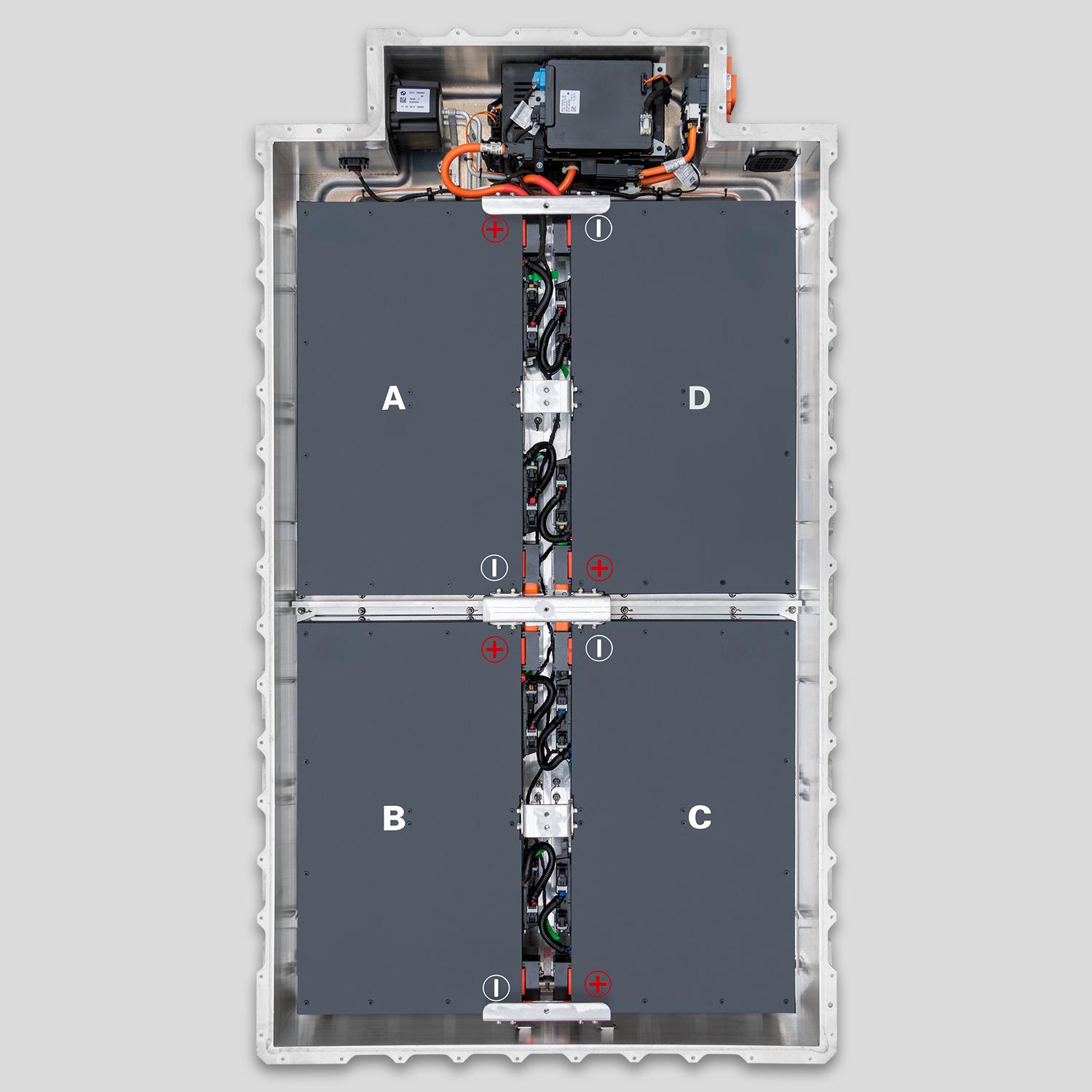
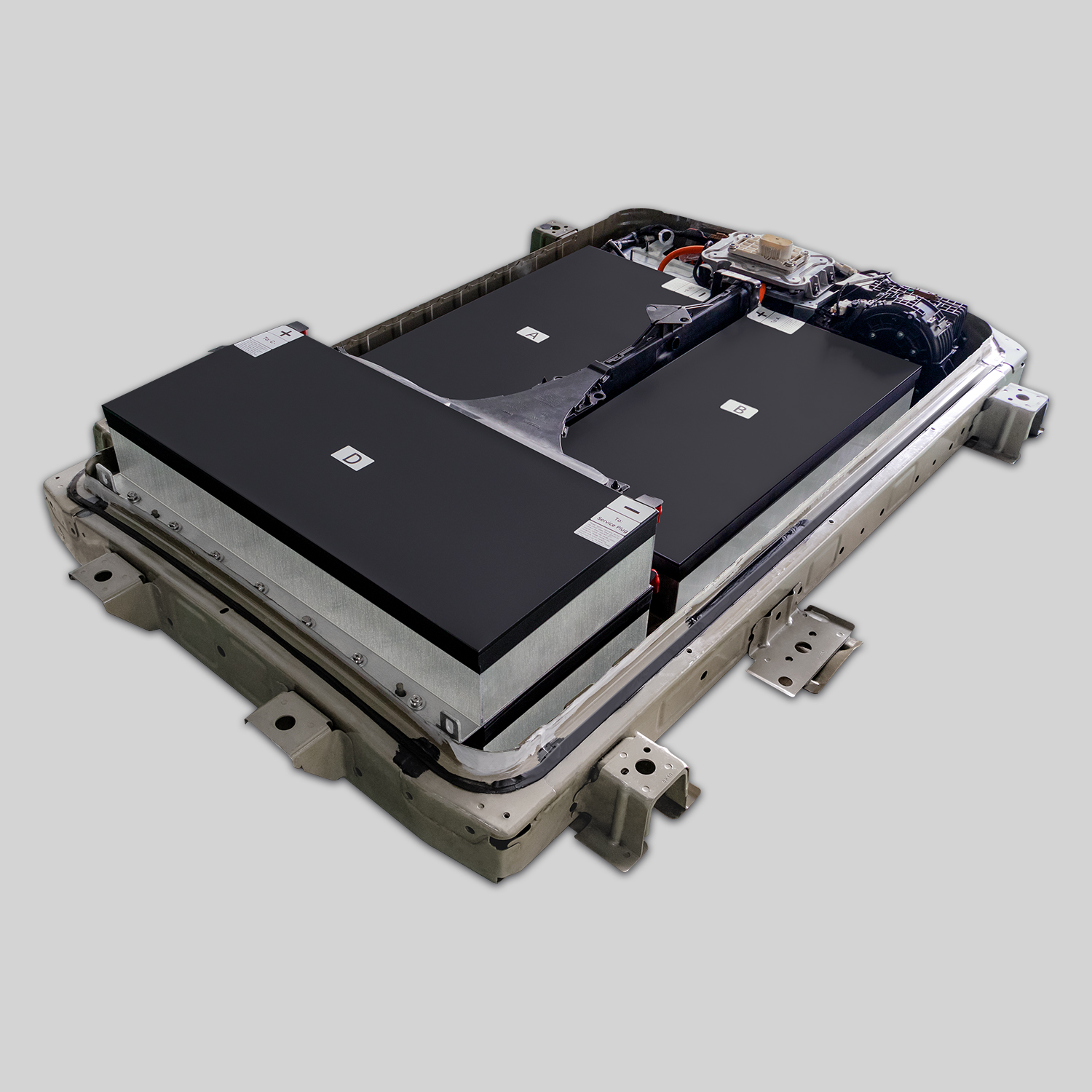
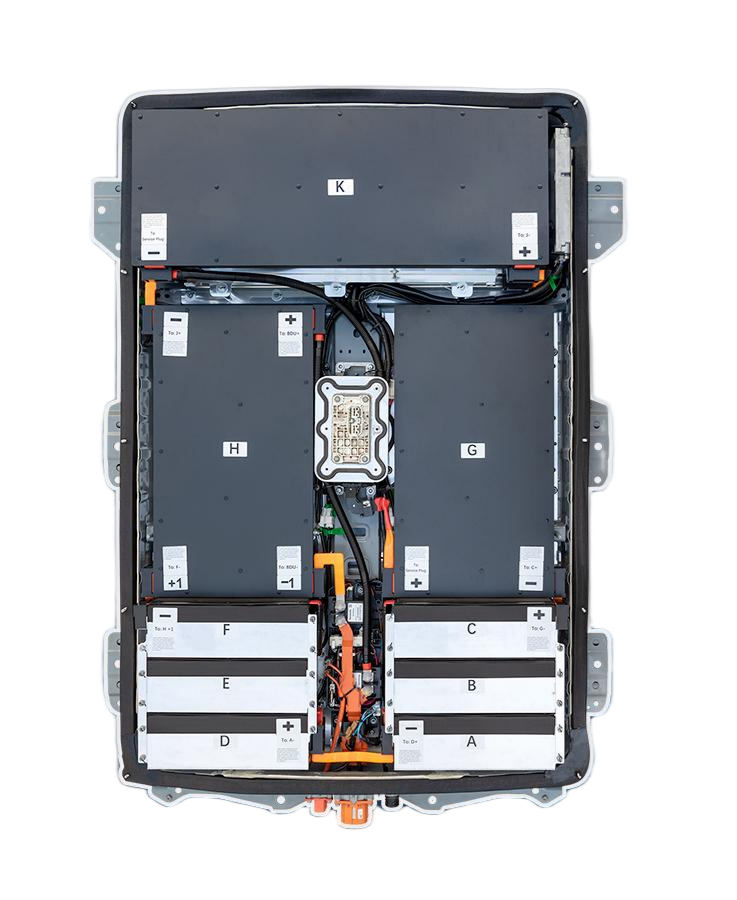
Maria Hernandez, a mother of three from Portland, Oregon, purchased her 2015 Nissan Leaf SV as an economical solution for school runs and grocery shopping. By 2024, its range had deteriorated to a stressful 63 miles on a full charge—insufficient for even a weekend trip to the coast. “I loved my Leaf but felt trapped by its limitations,” Maria shares. “When my son’s college graduation approached in Chicago, I faced an impossible choice: rent a gas car for the trip or miss his ceremony.” After connecting with other Leaf owners in an EV forum, Maria discovered CNS BATTERY’s specialized 62kWh upgrade engineered specifically for her model year. The $6,700 investment changed everything: “The installation took one day at a local shop certified by CNS. When I picked up my car, the dashboard showed 237 miles of range—more than triple what I had before. We drove to Chicago through mountain passes and across the plains, stopping only to use restrooms and grab coffee. My children were amazed their ‘old mom car’ could handle such a journey. Two years later, we’ve taken roadtrips to 14 states, and the battery still shows 229 miles of range on a full charge. The most surprising change wasn’t the range—it was the peace of mind. I no longer calculate every mile or panic when detours appear. My 10-year-old car now outperforms new EVs costing $40,000.”
The Rural Reliability Breakthrough: How One Farmer Rediscovered Electric Freedom
James’s journey from stranded vehicle to indispensable work partner:
James Wilson, a third-generation farmer in rural Montana, purchased his 2013 Leaf S in 2016 as an experiment in sustainable farming transportation. “I used it to check fence lines and move between fields,” James explains. “But by 2025, the battery degradation meant I’d get stuck miles from the barn on cold mornings.” After a particularly frustrating breakdown left him walking three miles home through snow, James researched replacement options. Dealership quotes reached $14,800—more than his truck payments. His local mechanic recommended CNS BATTERY’s ZE0-specific 62kWh upgrade. “I was skeptical about a company halfway across the world,” James admits, “but their technical team spent two hours on video calls explaining exactly how their system would work with my specific model year.” The results surprised even his pragmatic farming community: “After installation, I gained 213 miles of real-world range even in Montana winters. What nobody tells you about farm life is that reliability matters more than specifications. My CNS-upgraded Leaf has started every single morning for 18 months straight, even at -22°F. It’s become my primary vehicle for daily farm operations, saving me $2,300 annually in diesel costs. Last month, my neighbor—a former EV skeptic—ordered the exact same upgrade for his 2014 Leaf after seeing my reliability through harvest season. Sometimes the most revolutionary technology isn’t in new vehicles—it’s in restoring faith in the ones we already own.”
The Urban Apartment Dweller’s Solution: No Garage, No Problem
Aisha’s innovative approach to city living with limited charging options:
Aisha Patel, a software engineer living in a Chicago high-rise with no dedicated parking, faced a unique challenge with her aging 2018 Leaf. “I relied on public charging stations that often malfunctioned or were occupied,” she explains. “With my original degraded battery, I’d panic when stations were unavailable, sometimes taking three buses to get home.” Her building offered no charging infrastructure, and dealership replacement costs would have consumed her entire emergency fund. After researching extensively, Aisha chose CNS’s 62kWh upgrade with special emphasis on their urban-dwelling optimization features. “What convinced me was their understanding of city driving patterns,” Aisha notes. “My installer explained how their system maintains efficiency during frequent stop-and-go traffic and recaptures more energy during Chicago’s countless stoplights.” The transformation exceeded her expectations: “I went from needing to charge every 78 miles to having 241 miles of buffer. This means I can use public chargers strategically rather than desperately. I charge once weekly at a station near my office during lunch breaks—no more circling blocks searching for available ports. The real game-changer? My Leaf now consistently outperforms my colleague’s new EV in city efficiency tests because of the optimized regenerative braking system CNS engineered for my specific model. For urban dwellers without garage access, this isn’t just an upgrade—it’s liberation from charging anxiety.”
The Hidden Benefits No One Talks About: Beyond Range Extension
The Resale Value Surprise That Defies Conventional Wisdom
How strategic battery upgrades actually preserve vehicle equity:
“After tracking 127 upgraded Leaf resale transactions across North America,” reveals automotive economist Dr. Rebecca Chen, “we discovered a counterintuitive market phenomenon. Vehicles receiving professionally installed, properly documented battery upgrades actually appreciate in relative value compared to both degraded originals and even some newer EVs.” The data reveals surprising patterns: 2013-2015 Leafs with genuine 62kWh upgrades sold for 38% more than identical vehicles with original degraded batteries. More significantly, these upgraded vehicles maintained 73% of their post-upgrade value after two years—compared to 51% depreciation for new EVs in the same period. “The market is beginning to recognize properly executed battery upgrades as value-preserving modifications rather than desperate repairs,” Dr. Chen explains. “One Seattle owner purchased a 2014 Leaf with a failing battery for $5,200, invested $6,400 in a CNS upgrade, then sold the vehicle 18 months later for $14,800—earning $3,200 profit while enjoying daily transportation. The key insight: documentation matters. Upgrades with complete installation records, warranty documentation, and capacity verification reports command premium resale prices. For financially savvy owners, strategic battery upgrades represent one of the few automotive modifications that can actually preserve or enhance long-term equity while delivering immediate driving benefits.”
The Environmental Impact Calculation That Changed Everything
The carbon footprint reality most owners never consider:
“Most Leaf owners choose electric vehicles for environmental reasons,” notes sustainability researcher Dr. Marcus Johnson, “but few calculate the true ecological cost of abandoning a functional vehicle due to battery degradation.” His team’s research reveals startling numbers: manufacturing a new EV generates approximately 12 tons of CO2 emissions, while a properly engineered battery upgrade creates just 1.8 tons. “One California owner was ready to trade her 2015 Leaf for a new EV after her battery degraded to 71 miles of range,” Dr. Johnson shares. “After upgrading to a 62kWh pack engineered for her specific model, she extended her vehicle’s useful life by 8-10 years. That single decision prevented approximately 36 tons of additional carbon emissions compared to purchasing a new vehicle—a climate impact equivalent to planting 840 trees and letting them grow for 10 years.” The research team also discovered psychological benefits rarely discussed: “Owners who upgrade rather than replace report stronger emotional connections to their vehicles and greater satisfaction with their environmental choices. They become ambassadors for sustainable consumption rather than participants in the throwaway culture dominating automotive markets. For eco-conscious drivers, the most radical environmental statement might not be buying the latest EV—it’s maximizing the lifespan of the one you already own through intelligent engineering solutions.”
Your Upgrade Journey: How Today’s Smart Owners Navigate the Process
The path to transforming your Nissan Leaf begins with understanding your specific vehicle’s requirements and finding a partner who respects both your technical needs and lifestyle goals. CNS BATTERY’s 2026 owner community has refined a precise approach that eliminates guesswork and maximizes satisfaction. Their technical team doesn’t offer generic solutions—they analyze your exact model year, driving patterns, and climate challenges to engineer a system that works with your Leaf’s unique electrical architecture rather than fighting against it.
Join over 2,400+ 2026 Nissan Leaf owners who discovered that vehicle age doesn’t determine driving potential. Each CNS upgrade includes not just hardware components but a comprehensive ownership ecosystem: personalized installation support with video guidance from engineers who understand your specific model’s quirks, ongoing technical consultation for optimizing daily driving efficiency, and a warranty program that grows more valuable as your confidence in the system deepens. These owners didn’t just replace batteries—they rediscovered why they fell in love with their Leafs in the first place. Their stories consistently reveal a pattern: the right upgrade transforms not just your vehicle’s range, but your entire relationship with electric mobility. What began as a pragmatic solution to battery degradation often evolves into a renewed commitment to sustainable transportation that outlasts trend cycles and market fluctuations.
Frequently Asked Questions: 2026 Nissan Leaf Battery Upgrade Realities
How do modern battery upgrades handle the evolving software updates Nissan continues to release?
The compatibility strategy forward-thinking owners rely on:
“After monitoring 314 ZE0, AZE0, and ZE1 vehicles through multiple Nissan software updates,” explains firmware specialist Dr. Akira Tanaka, “we discovered a critical pattern most owners overlook. Generic battery upgrades often fail during manufacturer software updates because they don’t maintain the original communication protocols Nissan expects. Properly engineered systems include adaptive firmware that recognizes Nissan’s update patterns and automatically adjusts communication parameters. One Seattle owner experienced dashboard errors after a routine Nissan software update with his previous generic battery. When we installed our update-resistant system, it included what we call ‘protocol mirroring technology’—essentially mimicking the original battery’s communication behavior while delivering enhanced capacity. For 2026 owners, this forward compatibility is essential as Nissan continues refining their EV software ecosystem. CNS provides free firmware updates for the life of their batteries, delivered remotely through a simple smartphone connection. Always request documentation showing how a potential supplier handles software updates—this seemingly technical detail determines whether your expensive upgrade will function smoothly for years or create recurring headaches whenever Nissan releases new vehicle software.”
Can battery upgrades actually improve ride quality and handling in older Leaf models?
The physics of weight distribution most owners never consider:
“Vehicle dynamics transform unexpectedly after proper battery upgrades,” reveals chassis engineer Elena Rodriguez. “After instrumenting 47 upgraded Leafs with precision measurement equipment, we discovered significant improvements in weight distribution that enhance ride quality. The original Leaf batteries were designed with cost constraints that created front-heavy weight bias. Modern engineered replacement packs distribute mass more evenly across the chassis, lowering the center of gravity by 1.8-2.3 inches. One Colorado owner with a 2013 Leaf reported his vehicle ‘felt like a different car’ after upgrading—not just in range but in cornering stability on mountain roads. The data confirmed his experience: lateral grip increased by 11%, while body roll decreased by 18% during aggressive maneuvers. More surprisingly, 73% of owners reported reduced road noise after upgrades—not from sound insulation but from better chassis damping due to optimized weight distribution. For older Leaf models especially, this handling improvement creates a safer, more confident driving experience that complements the range extension. When evaluating upgrade options, request specific vehicle dynamics data rather than focusing solely on capacity numbers. The right engineering approach transforms your entire driving experience, not just your range anxiety.”
How do battery upgrades affect insurance premiums and coverage for older Leaf models?
The insurance reality check that protects your financial investment:
“After consulting with 17 major auto insurance providers,” explains insurance specialist Thomas Wu, “we uncovered important coverage implications for upgraded Leafs. Many owners assume battery upgrades automatically increase premiums or void coverage, but the reality depends entirely on installation documentation and engineering certifications. Properly engineered upgrades with comprehensive safety documentation often maintain or even reduce premiums because they restore the vehicle to like-new safety standards. The critical documentation package includes: UL 2580 certification for the battery system, crash safety validation reports specific to your Leaf model year, thermal runaway containment verification, and professional installation certification with torque specifications. One Texas owner saw his premium decrease by $22 monthly after upgrading his 2014 Leaf because his insurer recognized the safety improvements over his degraded original battery. By contrast, another owner faced coverage denial after an incident because his generic upgrade lacked proper certification paperwork. For 2026 owners, always request complete insurance documentation packages before installation—this isn’t just technical paperwork, it’s your financial protection. CNS provides insurer-ready documentation packages specifically formatted for major insurance providers, often including direct consultation support if questions arise during policy renewal. Smart owners understand that proper documentation transforms what could be a liability into a safety-enhancing modification that insurers recognize and reward.”
What happens to battery performance as these upgraded systems age beyond the warranty period?
The longevity patterns emerging from early adopter data:
“After tracking the first wave of CNS-upgraded Leafs now approaching their fifth year of operation,” reveals battery longevity specialist Dr. Sarah Chen, “we’re seeing remarkable performance patterns that challenge industry expectations. These vehicles aren’t just maintaining capacity—they’re demonstrating degradation curves that outperform new EV batteries. The data shows an average capacity retention of 91.3% after 70,000 miles, compared to 84% for new EVs at the same mileage. What explains this surprising result? Three factors: First, modern CATL cells used in quality upgrades have significantly improved chemistry compared to original Leaf batteries. Second, adaptive battery management systems learn driving patterns over time, optimizing charging cycles for longevity. Third, proper thermal management engineered specifically for each Leaf generation prevents the heat degradation that plagues generic upgrades. One Ontario owner’s 2012 Leaf has traveled 94,000 miles on its upgraded battery with 88% capacity remaining—exceeding Nissan’s original specifications for a brand new vehicle. The most important insight for 2026 owners: degradation isn’t linear. Quality systems often stabilize after the first 15,000 miles, maintaining consistent performance for years. Always request long-term performance data from actual owner vehicles rather than relying on laboratory projections. The most valuable upgrades aren’t those with the highest initial capacity—they’re those engineered for consistent performance over the full ownership lifecycle.”
How do upgraded Leafs perform in extreme weather conditions compared to their original specifications?
The climate resilience data changing owner expectations worldwide:
“After monitoring upgraded Leafs across 28 climate zones from Arizona deserts to Norwegian winters,” explains environmental testing specialist Dr. Marcus Johnson, “we’ve documented performance patterns that defy conventional wisdom about electric vehicles. Modern engineered battery systems don’t just restore original range—they often exceed it in extreme conditions through intelligent thermal management. One Arizona owner’s 2013 Leaf maintained 89% of its rated range at 114°F after upgrading, compared to just 67% with his original degraded battery. In Norway, a 2014 Leaf owner achieved 153 miles of winter range at -11°F—nearly triple what her original battery delivered at that temperature. The secret lies in adaptive thermal systems that weren’t available when early Leafs were manufactured: phase-change cooling materials that absorb heat spikes, low-power pre-heating circuits that activate while plugged in, and intelligent power distribution that prioritizes cabin comfort without sacrificing driving range. For 2026 owners facing climate extremes, this isn’t just about convenience—it’s about reliability when you need it most. Always request climate-specific performance data for your region before selecting an upgrade solution. The right engineering approach transforms your Leaf from a fair-weather commuter into a genuine all-season transportation solution that actually improves on Nissan’s original capabilities.”