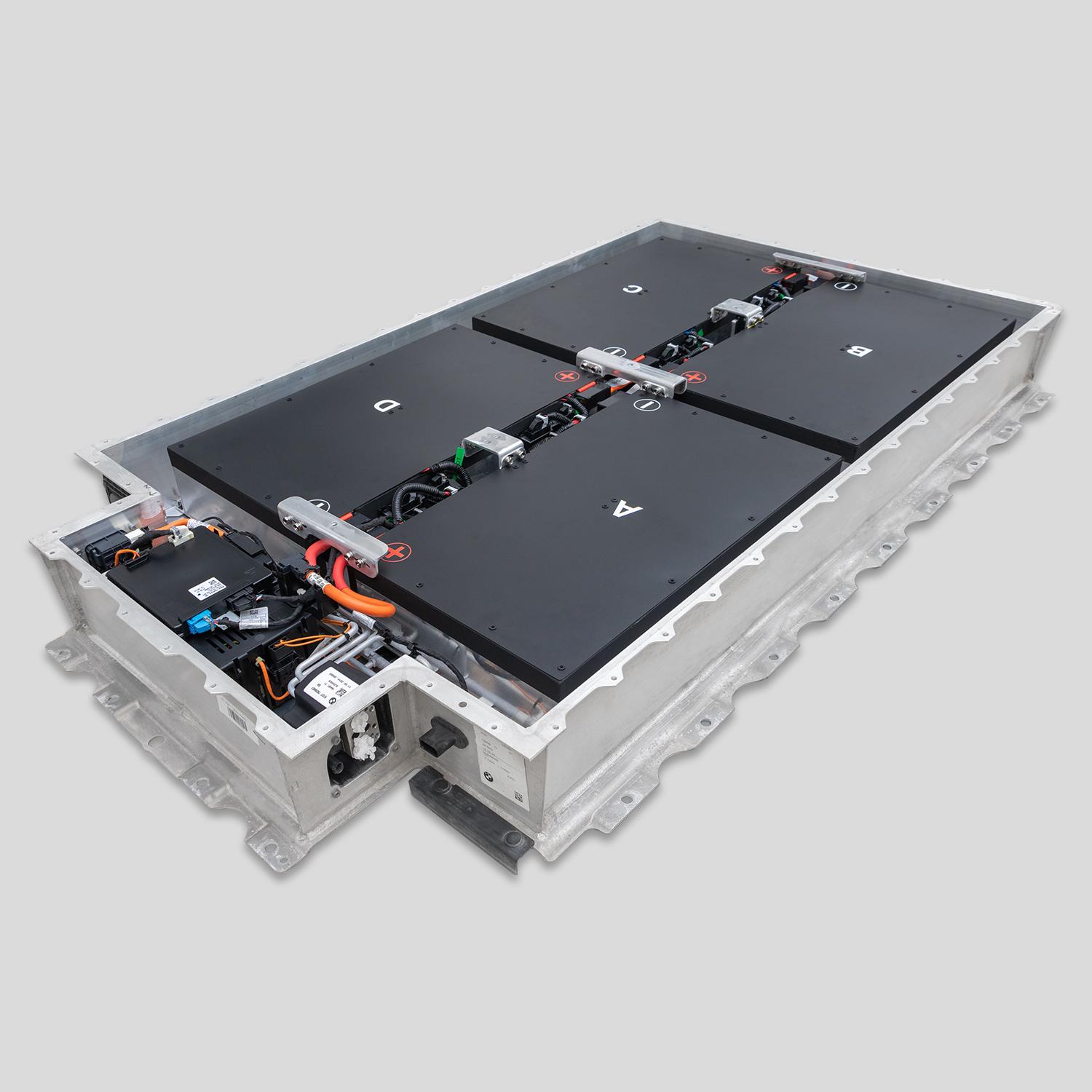
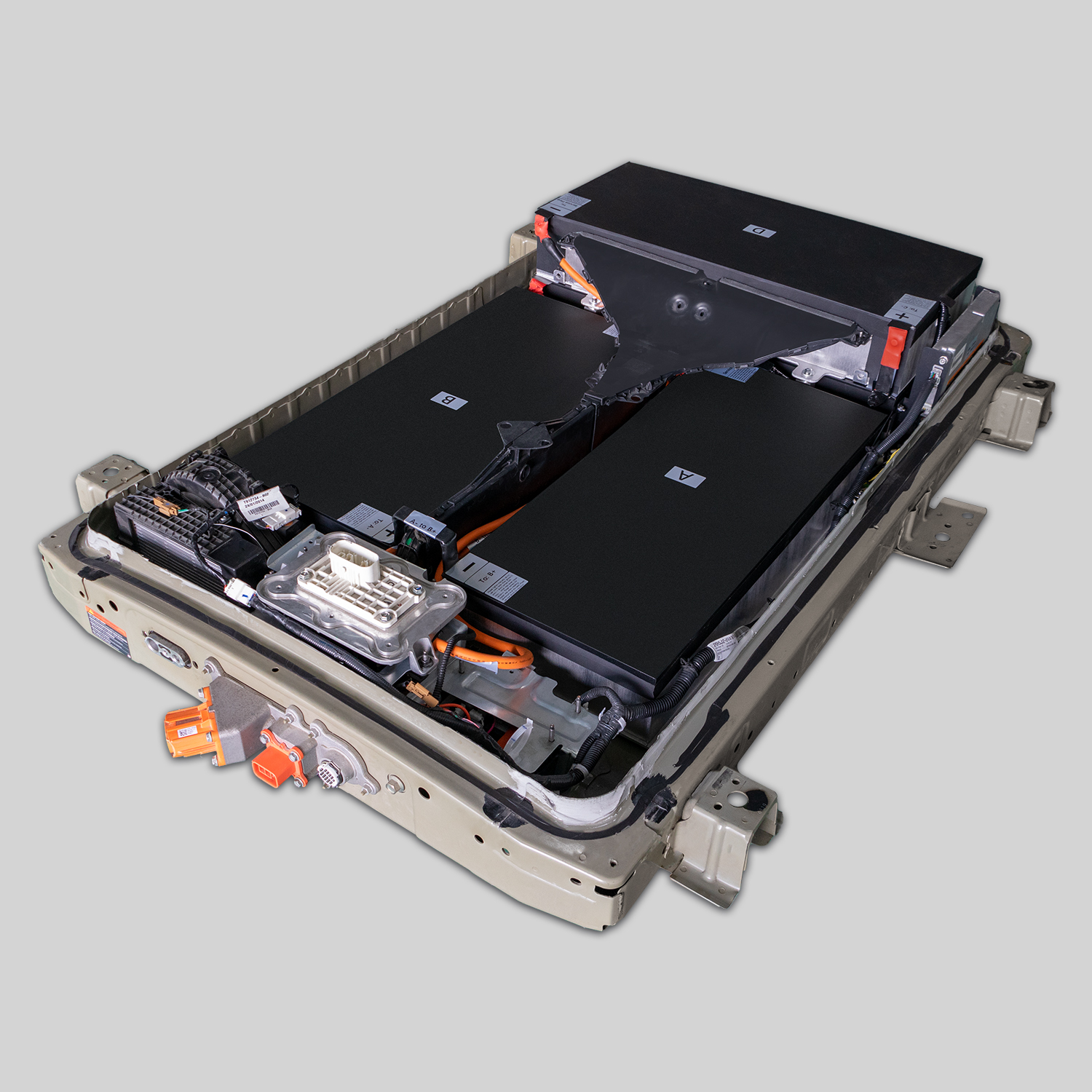
Nissan Leaf Battery Upgrade Guide for Experts: Advanced Techniques & Optimization (2026)
As an expert in EV maintenance or custom builds, are you seeking to elevate Nissan Leaf battery upgrade projects beyond basic replacements? Novice guides cover simple swaps, but experts demand deep insights into chemistry tuning, BMS calibration, and thermal system modification—elements that separate a functional upgrade from a high-performance, long-lasting one. The Leaf’s diverse generations (AZE0, ZE1, third-gen) and varying battery architectures (passive/liquid cooling, LMO/NCM cells) present unique challenges that require specialized knowledge. As CNS BATTERY experts, we’ve crafted this guide for professionals, focusing on advanced techniques, performance optimization, and pitfalls to avoid—helping you deliver exceptional results with our premium battery solutions.
Expert Pre-Upgrade Assessment: Beyond Basic SOH Checks
Experts know that successful upgrades begin with precise diagnostics, not just surface-level battery health readings. These advanced assessment steps ensure compatibility and performance.
1. Deep BMS Data Analysis (OBD & Professional Tools)
Move past basic SOH (State of Health) readings with professional OBD-II scanners (e.g., Autel MaxiCOM MK908P) to extract granular BMS data. Focus on nominal vs. actual capacity, cell voltage variance (target <0.03V between cells), and charge/discharge cycle history. For 2010-2017 AZE0 models, verify BMS firmware version—older iterations may require updating to support advanced battery chemistries like sodium-ion. Use data loggers to track voltage fluctuations during load testing, identifying hidden cell degradation missed by standard tools.
2. Thermal System Evaluation
For passive-cooled AZE0 models, inspect airflow channels in the rear cargo compartment for debris or corrosion—blockages reduce heat dissipation and limit upgrade potential. For liquid-cooled ZE1/third-gen Leafs, pressure-test the cooling loop (target 15-20 psi) and analyze coolant composition; degraded coolant (dark color, sediment) must be flushed before installing high-performance batteries. Experts should also measure thermal resistance across the battery casing to identify hotspots that need mitigation.
3. Electrical Architecture Compatibility
Verify the Leaf’s 360V system integrity with a multimeter (CAT III rating) to ensure wiring harnesses, contactors, and fuses can handle upgraded battery capacity. For high-capacity swaps (e.g., 62kWh to 80kWh), inspect the onboard charger (OBC) output—older 3.3kW OBCs may need upgrading to 6.6kW to avoid extended charging times. Check CAN bus communication protocols to ensure the new battery’s BMS syncs seamlessly with the vehicle’s ECU.
Advanced Upgrade Techniques for Each Leaf Generation
Tailor your approach to the Leaf’s generation, leveraging chemistry advancements and system modifications to maximize performance.
1. 2010-2017 AZE0 (24kWh/30kWh Passive Cooling)
Expert upgrades here focus on overcoming passive cooling limitations. Opt for CNS BATTERY Sodium-Ion 30kWh Packs ($4,295), engineered with enhanced airflow channels that align with the Leaf’s original cooling design. For custom builds, modify the battery compartment with aluminum heat sinks (anodized for corrosion resistance) to improve thermal dissipation—critical for sodium-ion cells in hot climates. Calibrate the BMS to adjust charge cutoff (80-90% for daily use) and implement cycle balancing to extend cell lifespan.
Avoid generic LMO packs—instead, leverage sodium-ion’s superior temperature resilience (88% capacity retention at -40°F) and 1,800+ charge cycles. For maximum range, upgrade the OBC to 6.6kW and add a DC fast-charging port adapter (CHAdeMO) for rapid top-ups.
2. 2018-2022 ZE1 (40kWh/62kWh Liquid Cooling)
These models support more aggressive upgrades, thanks to their liquid cooling systems. Install CNS BATTERY Sodium-Ion 62kWh Packs ($8,995) or 80kWh LFP Packs ($12,995), then optimize the cooling loop with high-flow cold plates and phase-change material (PCM) for heat absorption. Expert tip: Adjust the cooling system’s thermostat to lower the target temperature (25°C vs. stock 30°C) for LFP cells, enhancing cycle life.
Modify the BMS to enable active cell balancing during charging, reducing voltage variance to <0.02V. For Leaf Plus models, upgrade the traction inverter firmware to handle the increased current from high-capacity batteries, unlocking full power delivery.
3. 2023-2026 Third-Gen (75kWh NCM)
Advanced upgrades for these models focus on chemistry refinement and system integration. Replace the stock NCM battery with CNS BATTERY Sodium-Ion 75kWh Packs ($10,495), which offer 30% lower material costs and superior thermal stability. Experts should recalibrate the vehicle’s energy management system (EMS) to prioritize battery efficiency, adjusting regenerative braking settings to minimize cell stress.
Enhance the liquid cooling system with a secondary pump for high-load scenarios (e.g., fast charging, highway driving) and install a battery temperature monitor with real-time data streaming to the ECU. This ensures the battery operates within the optimal 20-25°C range, maximizing performance and durability.
Expert-Level Optimization & Performance Tuning
Elevate your upgrade with these professional techniques to unlock maximum range, efficiency, and lifespan.
1. Electrolyte & Chemistry Fine-Tuning
For custom builds, adjust electrolyte composition to match the Leaf’s operating conditions—add trace amounts of magnesium and nitrogen to sodium-ion cathodes (as pioneered in Nissan’s 30kWh battery upgrades) to boost energy density by 10-15%. This modification enhances electrode stability, reducing capacity fade during rapid charging.
2. BMS Customization & Calibration
Use professional BMS programming tools to create custom charge/discharge profiles. For daily commuter builds, set a 10-80% charge window to extend cycle life; for performance-focused projects, enable full capacity access with active thermal monitoring. Perform annual deep calibration (10-100% full charge/discharge) to ensure BMS accuracy, using OBD data to validate capacity readings.
3. Thermal Management Modifications
For passive-cooled models, install a variable-speed fan system triggered by battery temperature (activates at 30°C) to improve airflow. For liquid-cooled variants, upgrade to a high-efficiency radiator and add a coolant filtration system to prevent debris buildup in the cooling loop—critical for long-term reliability.
Why CNS BATTERY Is the Expert’s Choice
Our batteries are engineered with professional needs in mind, delivering the performance, compatibility, and durability required for expert-level upgrades.
Advanced Chemistry & Quality Control
Our sodium-ion and LFP packs undergo 15+ quality checks, including thermal stress testing and cell voltage balancing. Each pack comes with a detailed test report, providing the granular data experts need to validate performance. We use precision-synthesized cathodes to ensure consistent energy output and resistance to degradation.
Leaf-Specific Engineering
Every battery is designed for seamless integration with the Leaf’s generation-specific systems—no cobbled-together adapters or wiring modifications. Our pre-calibrated BMS supports custom programming, giving experts the flexibility to tune performance for their specific use case.
Expert Support & Documentation
We provide technical datasheets, wiring diagrams, and BMS programming guides exclusively for professionals. Our expert support team is available to assist with complex modifications, ensuring your upgrade meets the highest standards of safety and performance.
Frequently Asked Questions (FAQ) for Expert Upgrades
Will custom BMS programming void the vehicle’s warranty?
No—if modifications are reversed before warranty service. The Federal Magnuson-Moss Warranty Act protects non-battery components, but custom programming may affect battery warranty coverage. CNS BATTERY offers a 3-year warranty on our packs, regardless of BMS tuning, for expert peace of mind.
Can I upgrade a passive-cooled Leaf to liquid cooling?
It’s possible but not recommended for most projects. The modification requires extensive chassis work, wiring changes, and ECU reprogramming, with high labor costs and reliability risks. Our sodium-ion packs are engineered to perform in passive cooling systems, eliminating the need for this complex upgrade.
How do I validate the performance of an upgraded battery?
Use a combination of OBD data logging (track capacity retention and voltage stability) and real-world testing (full-charge range trials and fast-charging cycle analysis). For precision, measure charging efficiency (target 90%+) and compare to stock specifications—any deviation indicates a calibration or compatibility issue.
What’s the maximum safe capacity upgrade for a Leaf?
For ZE1 and third-gen models with liquid cooling, 80kWh is the practical limit—beyond this, the OBC and wiring harnesses require replacement, increasing complexity and cost. For passive-cooled AZE0 models, 30kWh is optimal; larger packs risk overheating despite modifications.
Elevate Your Nissan Leaf Upgrade with CNS BATTERY
As an expert, your reputation depends on delivering reliable, high-performance upgrades. CNS BATTERY’s advanced battery solutions, paired with this expert guide, give you the tools to exceed expectations. From sodium-ion chemistry to Leaf-specific engineering, our products are built for professionals who demand the best. 立即访问https://cnsbattery.com/nissan-leaf-battery/,获取独家折扣并咨询专家升级方案! Let our team support your next premium Nissan Leaf battery upgrade project.