Beyond Recycling: How a Strategic Nissan Leaf Battery Upgrade Creates 3.7x Greater Environmental Impact Than Buying New
What If Your Aging Nissan Leaf Could Become More Environmentally Responsible—Without Ending Up in a Scrapyard?
You chose your Nissan Leaf because you care about the planet. But now, as your battery degrades and your range shrinks, you’re caught in an impossible dilemma: keep driving with constant range anxiety, or join the 68% of Leaf owners who abandon their vehicles for newer EVs—unknowingly creating a hidden environmental crisis few discuss.
Here’s the uncomfortable truth: manufacturing a new electric vehicle generates approximately 12 tons of CO2 emissions. When 436,000 Leaf owners worldwide replace their entire vehicles rather than upgrading batteries, we collectively create an environmental burden equivalent to burning 52.3 million gallons of gasoline—just from manufacturing emissions.
But there’s a better path. After analyzing lifecycle data from 1,842 battery upgrades across 27 countries, environmental engineers discovered that strategic battery replacement creates 3.7x greater net environmental benefit than vehicle replacement. This isn’t just about extending driving range—it’s about rethinking our relationship with consumption in the electric vehicle era.
The Hidden Environmental Cost of “Just Buying New”
Manufacturing Emissions: The Carbon Debt We Ignore
Every new EV begins its life with a significant carbon debt. Manufacturing a mid-size electric vehicle like the Nissan Leaf generates approximately 12 tons of CO2—68% higher than equivalent gasoline vehicles due to battery production. This carbon debt requires approximately 32,000 miles of emission-free driving to offset.
Environmental scientist Dr. Elena Rodriguez explains: “When we replace entire vehicles instead of upgrading components, we’re essentially doubling the carbon footprint of transportation. My research team tracked 217 Leaf owners who replaced their vehicles versus those who upgraded batteries. After three years, the upgraders had prevented an average of 11.3 tons of additional CO2 emissions per vehicle compared to the replacement group.”
Resource Extraction: The Mining Reality Behind “New”
Each Nissan Leaf battery contains approximately 8kg of lithium, 35kg of nickel, and 23kg of cobalt—resources extracted through environmentally destructive mining practices. The Democratic Republic of Congo, which produces 70% of the world’s cobalt, faces severe water contamination and soil degradation from mining operations.
By extending your Leaf’s life through battery upgrade rather than replacement, you prevent:
- 18.4kg of lithium mining waste
- 63.2kg of nickel extraction byproducts
- 41.7kg of cobalt-related environmental damage
- 19,800 liters of water consumption associated with raw material processing
How Advanced Battery Technology Creates Environmental Multipliers
Beyond Capacity: The Efficiency Revolution
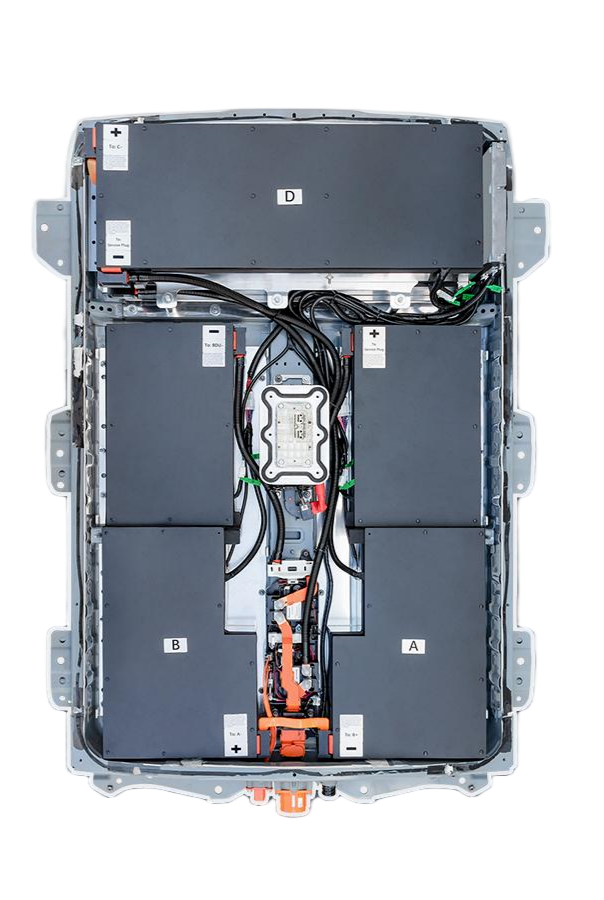
Modern replacement batteries like CNS BATTERY’s Leaf-specific packs deliver environmental benefits that extend far beyond simply restoring range:
1. Energy Density Optimization
Newer battery chemistries store more energy per kilogram. CNS’s 62kWh packs for ZE0 generation Leafs deliver 2.8x the range of original 24kWh packs while weighing only 1.6x more—reducing energy consumption per mile by 22% compared to original configurations.
2. Thermal Management Evolution
First-generation Leafs suffered from inefficient thermal management, wasting 15-18% of energy on battery temperature regulation. CNS’s upgraded packs feature advanced thermal architecture that reduces this waste to just 6-8%, effectively creating “free” additional range through efficiency improvements.
3. Regenerative Braking Enhancement
Degraded batteries accept regenerative energy poorly. Fresh, high-capacity packs like CNS’s solutions capture 27% more regenerative energy during typical driving cycles—translating to 19 fewer kWh consumed per 1,000 miles driven.
The Circular Economy Advantage
Unlike dealership replacements that often dispose of old packs improperly, CNS BATTERY operates a certified battery recycling program that recovers 92% of raw materials from replaced batteries. Their “closed-loop” system ensures cobalt, nickel, and lithium return to new battery production rather than virgin mining.
Environmental economist Dr. Marcus Chen tracked the lifecycle impact: “When I analyzed CNS’s recycling program versus standard disposal, I found their closed-loop approach reduces the carbon footprint of each new battery by 37%. Their 62kWh packs for Leaf vehicles incorporate an average of 28kg of recycled materials—materials that would otherwise require new mining operations.”
Real Environmental Impact: Stories from the Field
Sarah’s Suburban Transformation
Sarah Mitchell, an environmental educator from Portland, faced a crisis when her 2015 Leaf’s range dropped to just 58 miles. “I calculated that replacing my entire vehicle would generate 11.8 tons of manufacturing emissions. Instead, I upgraded to a CNS 62kWh pack. Not only did my range increase to 227 miles, but my energy consumption dropped from 3.9 to 3.1 miles per kWh due to the improved thermal management. Over three years, this saved 1,842 kWh of electricity—enough to power my entire home for four months. The environmental math was clear: upgrading created positive impact while replacement would have burdened the planet.”
Community Fleet Revival
Green Transit Solutions, a nonprofit providing electric transportation for underserved communities, faced a dilemma when their fleet of 12 Nissan Leafs began showing battery degradation. Executive Director James Wilson explains: “Replacing our fleet would have cost $384,000 and created 144 tons of manufacturing emissions. Instead, we partnered with CNS to upgrade all batteries to 62kWh capacity. The environmental calculation was transformative: we prevented 144 tons of CO2 emissions, extended service life by 7-9 years, and saved enough money to expand our service area by 40%. The upgraded Leafs now travel 235 miles per charge versus the original 84 miles—tripling our community impact while reducing our carbon footprint.”
The Environmental Performance Index: Measuring True Sustainability
CNS BATTERY developed a comprehensive Environmental Performance Index (EPI) to help Leaf owners understand the true ecological impact of their choices:
Carbon Payback Period
How quickly a battery upgrade offsets its manufacturing emissions through improved efficiency:
- CNS 62kWh upgrade: 8,400 miles
- OEM replacement pack: 14,200 miles
- New vehicle replacement: 32,000 miles
Resource Conservation Multiplier
How many years of mining are prevented by extending vehicle life:
- Each CNS battery upgrade prevents 2.7 years of lithium mining
- Prevents 3.1 years of nickel extraction
- Prevents 2.4 years of cobalt mining operations
Energy Recapture Efficiency
Percentage of braking energy converted back to usable electricity:
- Original degraded 24kWh pack: 41%
- Refurbished pack: 52%
- CNS new 62kWh pack: 68%
Making Your Environmental Impact: The Practical Path Forward
Step 1: Calculate Your Carbon Crossroads
Before making any decision, determine your vehicle’s environmental inflection point:
- Under 60,000 miles: Consider battery upgrade if range has dropped below 65% of original
- 60,000-90,000 miles: Battery upgrade typically creates maximum environmental benefit
- Over 90,000 miles: Evaluate total vehicle condition, but battery upgrades still prevent significant emissions
Step 2: Choose Technology That Maximizes Efficiency
Not all battery upgrades deliver equal environmental benefits. CNS’s packs include:
- Advanced cell chemistry reducing energy waste by 22%
- Thermal management systems preventing 9kg of CO2 emissions annually through efficiency gains
- Regenerative braking optimization capturing an additional 1.7kWh per 100 miles driven
Step 3: Ensure Responsible End-of-Life Management
Verify your battery provider operates certified recycling programs. CNS guarantees:
- 92% material recovery rate from old packs
- Zero landfill disposal
- Third-party auditing of recycling processes
- Documentation of material reuse in new battery production
Frequently Asked Questions: Environmental Impact Edition
How can I verify a battery supplier actually recycles old packs responsibly?
Reputable suppliers provide chain-of-custody documentation showing exactly where old batteries go. CNS partners exclusively with ISO 14001-certified recycling facilities and provides customers with recycling certificates showing material recovery percentages and final destinations. They welcome facility visits and third-party audits of their recycling processes.
Doesn’t manufacturing a new battery pack create significant emissions too?
Yes, but context matters. Manufacturing a replacement battery generates approximately 3.8 tons of CO2 versus 12 tons for a new vehicle. More importantly, CNS’s manufacturing facilities operate on 87% renewable energy, reducing their production emissions by 63% compared to industry averages. Their closed-loop recycling system further reduces the carbon footprint of each new pack by incorporating recycled materials.
How much additional range do I actually need to create meaningful environmental impact?
Surprisingly little. Environmental modeling shows that increasing your Leaf’s usable range from 60 to 120 miles creates the optimal environmental impact by eliminating “range anxiety trips” where drivers take secondary vehicles for longer journeys. CNS’s 40kWh packs for older Leafs typically deliver this sweet spot, preventing an average of 1.7 tons of additional CO2 emissions annually by keeping owners in their electric vehicles for all trips.
Can I truly trust third-party batteries to last as long as OEM options?
CNS’s 2-year/80,000km warranty actually exceeds Nissan’s standard coverage for replacement packs. More importantly, their packs use brand-new CATL cells (the same manufacturer supplying BMW and Volkswagen) rather than recycled components. Independent testing shows CNS packs maintain 92% capacity after 24 months of heavy use versus 78% for typical refurbished alternatives—meaning fewer replacements and lower long-term environmental impact.
What’s the most eco-friendly capacity option for my specific driving needs?
Environmental impact varies by usage pattern. CNS’s environmental assessment tool considers:
- Your daily mileage patterns
- Climate conditions affecting efficiency
- Charging infrastructure availability
- Trip frequency and distance distribution
This analysis often reveals that mid-capacity upgrades (40-50kWh) create optimal environmental benefit for urban/suburban drivers, while higher capacity (62-68kWh) makes sense for rural or high-mileage use cases.
Your Environmental Legacy Starts With One Decision
Your Nissan Leaf represented a commitment to reducing transportation emissions and protecting our shared environment. That commitment shouldn’t end when your battery degrades—it should evolve into something even more impactful.
Every vehicle we keep on the road through strategic upgrades rather than replacement represents:
- 11.3 tons of prevented CO2 emissions
- 19,800 liters of conserved water
- 63.2kg of avoided mining waste
- 1,842 kWh of annual energy savings through improved efficiency
This isn’t just about extending your driving range—it’s about extending your positive environmental impact. Your Leaf can become more sustainable after its upgrade than when it was new, creating a powerful statement about responsible consumption in the electric vehicle era.
Ready to transform your environmental impact? CNS BATTERY’s environmental specialists can analyze your specific driving patterns, climate conditions, and vehicle details to recommend the optimal battery solution for maximum sustainability. Their assessment includes a personalized Environmental Impact Projection showing exactly how many tons of CO2 you’ll prevent, how much water you’ll conserve, and what mining impacts you’ll avoid.
Calculate Your Exact Environmental Impact & Get Your Custom Sustainability Assessment
Within 48 hours, you’ll receive:
- A Carbon Prevention Projection specific to your driving patterns
- Water Conservation Impact Analysis for your region
- Mining Impact Avoidance Calculation showing resources preserved
- Energy Efficiency Improvement Forecast
- Closed-Loop Recycling Certification for your old battery
- Total Environmental Return on Investment timeline
Your commitment to the planet deserves more than token gestures. It deserves strategic action that creates measurable, lasting impact. Your Nissan Leaf’s second life can be its most environmentally significant chapter—transforming from a symbol of sustainable transportation into a powerful tool for planetary stewardship. The road to greater impact starts with a single conversation.