Nissan Leaf Battery Swap: Professional vs DIY – Which Is Right for You?
When your Nissan Leaf’s battery needs replacement, you’re faced with a critical choice: opt for a professional service or tackle a DIY battery swap? A Nissan Leaf battery swap is a complex task that balances cost savings, safety, and performance—but the wrong choice can lead to costly damage or safety hazards. As CNS BATTERY’s EV specialists, we’re breaking down the pros, cons, costs, and risks of professional vs DIY swaps, helping you make an informed decision that aligns with your skills, budget, and peace of mind.
Key Differences: Professional vs DIY Nissan Leaf Battery Swap
A successful Nissan Leaf battery swap requires more than just tools—it demands expertise in EV electrical systems, BMS (Battery Management System) calibration, and safety protocols. Below is a head-to-head comparison of the two approaches, focusing on what matters most to Leaf owners.
Professional Nissan Leaf Battery Swap: What to Expect
Professional swaps are performed by certified EV technicians (like CNS BATTERY’s team) with specialized training in Nissan Leaf systems. The process follows strict OEM guidelines, ensuring compatibility, safety, and warranty compliance.
The typical professional swap includes pre-installation diagnostics (battery health checks, electrical system inspection), safe battery removal (using heavy-duty hoists and insulated tools), installation of a new or refurbished pack, BMS calibration, and post-installation testing (range validation, charging system checks). Most professionals complete the job in 24-48 hours, minimizing downtime.
DIY Nissan Leaf Battery Swap: What It Entails
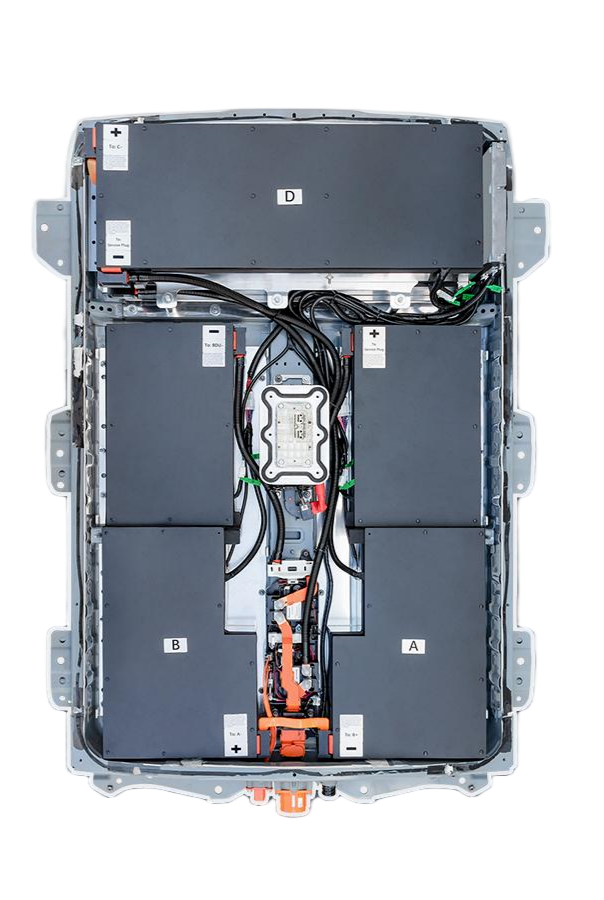
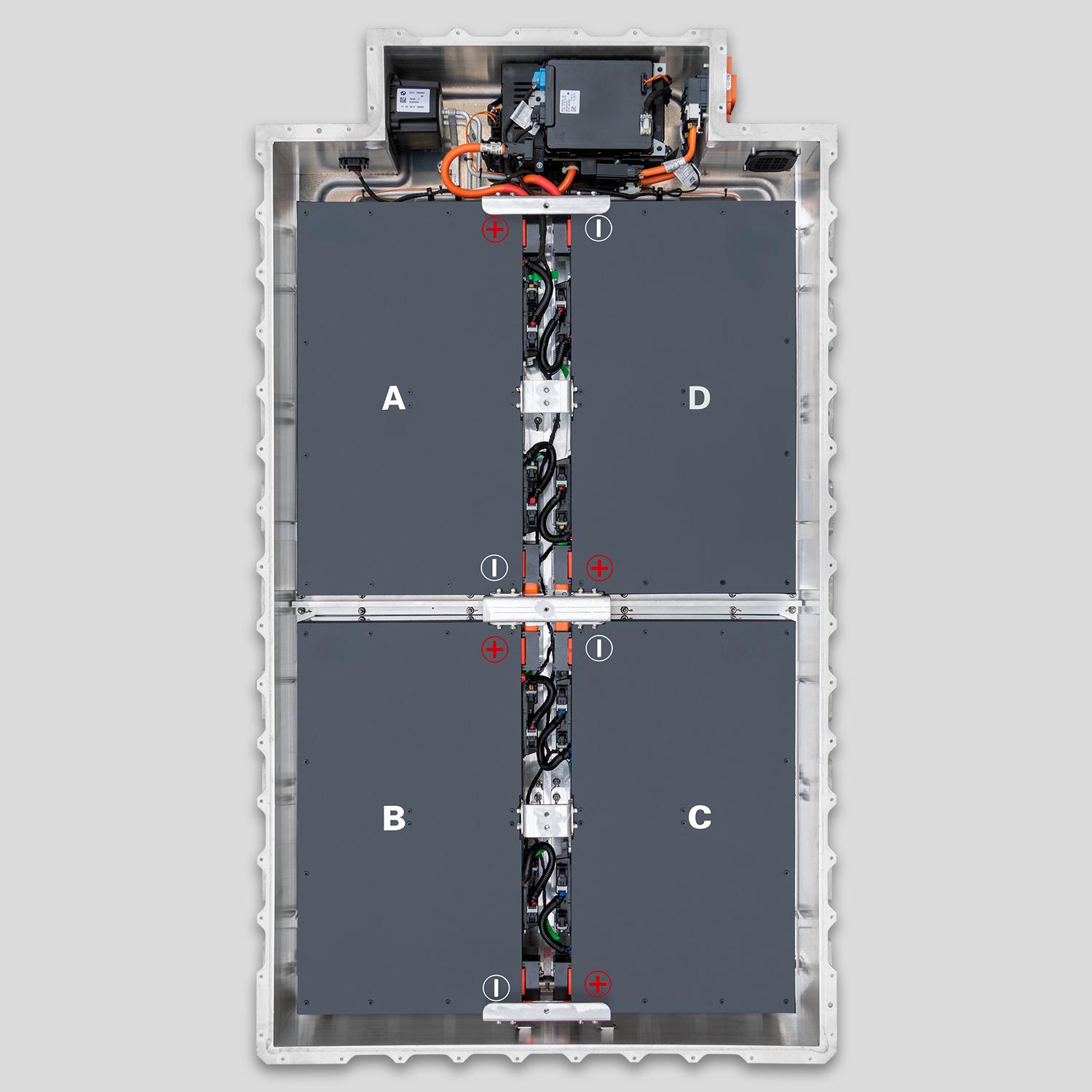
A DIY swap requires mechanical experience, EV-specific tools, and a thorough understanding of the Leaf’s battery architecture. The process involves lifting the vehicle, disconnecting high-voltage terminals, removing the 400-600 lb battery pack, installing the new unit, and manually calibrating the BMS (using a Nissan-compatible OBD-II scanner).
DIYers must source their own battery (new, refurbished, or used) and tools, including a 3-ton hydraulic jack, 1,000-lb capacity hoist, insulated wrenches, and a voltage tester. The job can take 6-8 hours for first-timers, with a high risk of mistakes if protocols are not followed.
Cost Comparison: Professional vs DIY Battery Swap
Cost is a top consideration for most Leaf owners, but it’s important to factor in hidden expenses beyond upfront pricing. Here’s how the two options stack up in 2024:
Professional Swap Costs
Professional swap costs vary by battery type and provider. CNS BATTERY’s all-inclusive pricing includes the battery, labor, BMS calibration, and core credit, with no hidden fees:
-
Refurbished 30kWh swap: $3,899 (includes 3-year warranty)
-
New 40kWh swap: $6,299 (includes 5-year warranty)
-
Flagship 62kWh swap: $8,999 (includes 5-year warranty)
Nissan dealerships charge more—$6,499-$12,000 for swaps—due to higher labor rates ($150-$180/hour) and OEM battery premiums.
DIY Swap Costs
DIY swaps can save on labor but require significant upfront investments in tools and parts:
-
Battery (refurbished 30kWh): $3,499
-
Tools (jack, hoist, insulated wrenches, scanner): $800-$1,500 (one-time cost)
-
Rental tools (if not purchasing): $100-$200/day
Total DIY cost: $4,300-$5,200 for a 30kWh swap. While this is marginally cheaper than professional service, it excludes warranty protection and risks hidden costs from mistakes (e.g., $500+ for damaged wiring).
Safety Risks: The Biggest Gap Between Professional and DIY
Safety is the most critical factor in a Nissan Leaf battery swap, and the risk profile of DIY vs professional swaps is stark.
Risks of DIY Battery Swaps
EV batteries carry 300+ volts of residual voltage, even when disconnected—posing a risk of severe electrical shock or fire. DIYers face multiple hazards:
-
Improper lifting: The heavy battery pack can fall, causing injury or vehicle damage.
-
Electrical arcs: Non-insulated tools or incorrect terminal disconnection can damage the BMS or start a fire.