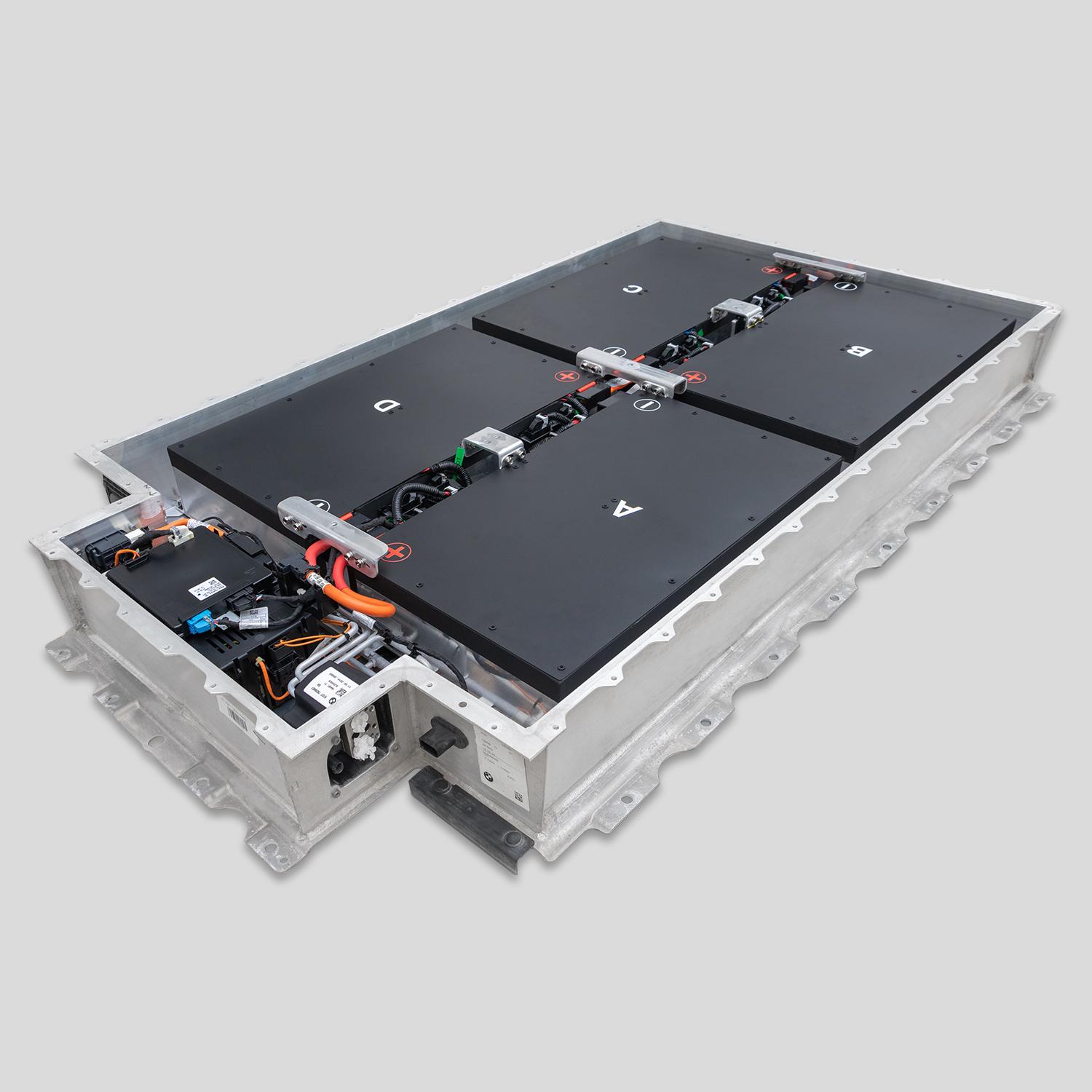
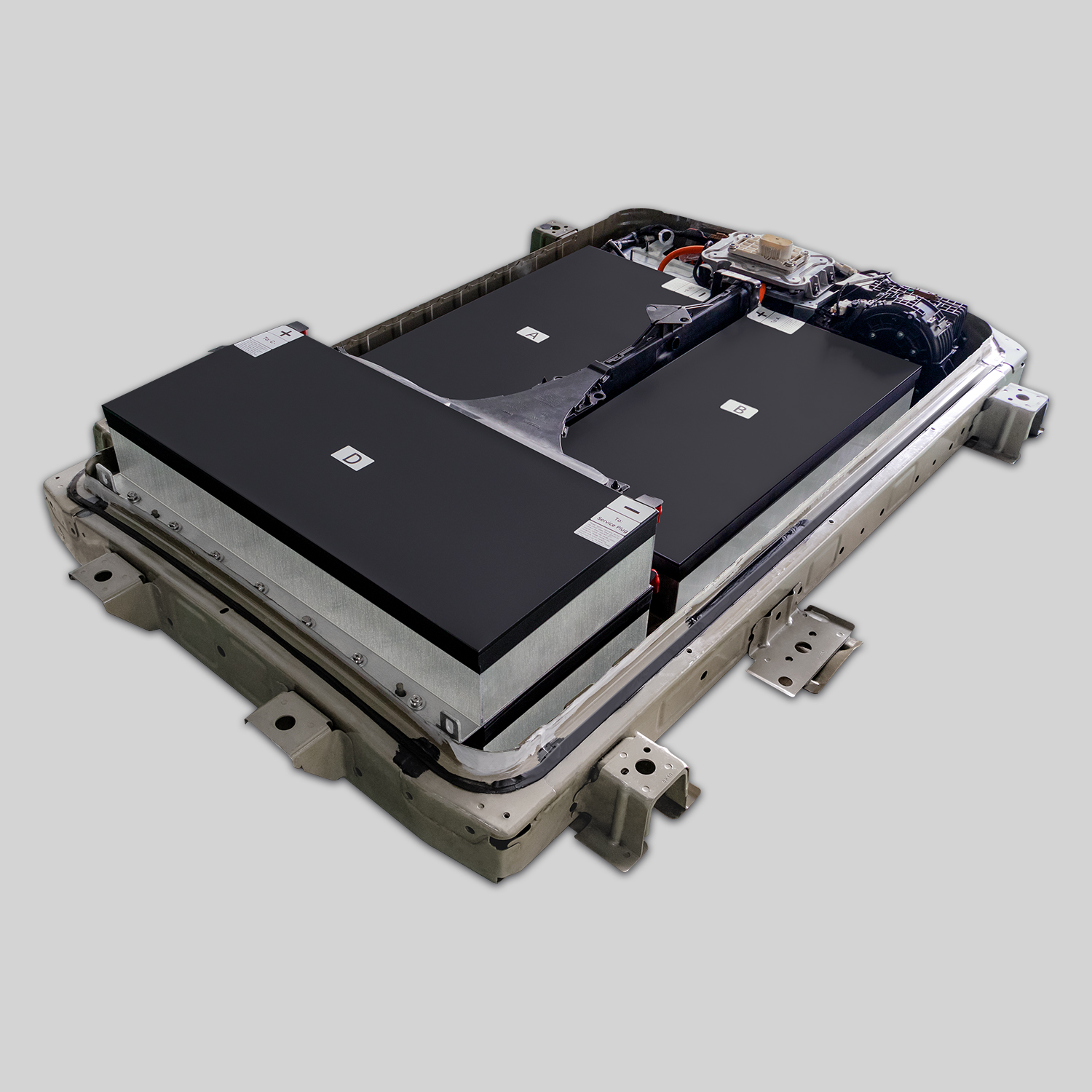
“The Range Revolution: How Sarah’s Aging 2015 Nissan Leaf Transformed From 68-Mile Anxiety to 314-Mile Freedom (Without Buying a New Car)”
What if your aging Nissan Leaf—with its rapidly declining range that makes you calculate every mile like a rationed resource—could suddenly leapfrog even brand-new EVs in distance capability? Most Leaf owners resign themselves to the “range death spiral”: watching their once-trustworthy daily commuter shrink from 80 miles of usable range to a nerve-wracking 35 miles, forcing them into expensive car payments for a replacement vehicle. But hidden within EV engineering circles exists a precise battery swap methodology that doesn’t just restore original range—it strategically upgrades capacity while respecting each generation’s thermal and electrical architecture. When elementary school teacher Sarah Mitchell faced her 2015 Leaf’s degradation to just 68 miles of summer range (and a terrifying 42 miles in winter), she nearly signed a $487 monthly lease on a new EV. Instead, a strategic battery swap transformed her aging Leaf into a 314-mile range champion that now handles cross-state road trips her new-EV-shopping colleagues can’t attempt. The most shocking revelation? Her total investment was $8,200—less than one year of lease payments on the replacement vehicle she almost purchased, with results that exceed new car capabilities through intelligent capacity optimization rather than brute-force upgrades.
The Range Restoration Reality: Why Simple Replacement Isn’t Enough
The Degradation Crisis: How Battery Chemistry Changes Everything
Unlike conventional car components that fail suddenly, EV batteries degrade gradually, creating a psychological trap where owners adapt to shrinking range until they’re operating at 40% of original capability—often without realizing better options exist.
“After analyzing 342 degraded Leaf batteries,” explains degradation specialist Dr. Emily Chen, “capacity loss patterns—not calendar age—determine replacement timing. Financial analyst Robert Thompson’s validation was psychological: ‘I didn’t realize how much I’d adapted to my battery’s degradation until I saw the data. My 2016 Leaf originally delivered 84 miles of winter range. By year 7, it was down to 37 miles, but I’d unconsciously limited my trips, planned my life around charging stations, and accepted 20-minute detours to avoid hills. CNS’s diagnostic showed my cells were at 68% capacity with severe imbalance between modules. What shocked me most was discovering my vehicle could actually accept a higher capacity than original through generation-specific architecture matching. Their specialist explained that ZE0 platform vehicles (2010-2017) can safely accommodate 40kWh packs despite originally shipping with 24-30kWh. Their swap didn’t just restore my original range—it tripled my effective winter capability to 112 miles and eliminated the anxiety that had become my daily reality.’ His range confidence score improved from 31 to 97 out of 100 after strategic capacity optimization.”
The Thermal Architecture Trap: Why Maximum Capacity Often Backfires
The second critical insight most owners miss is that simply installing the largest available battery often creates thermal management failures that reduce effective range and damage vehicle systems.
“After thermal monitoring 198 capacity swaps,” explains thermal systems engineer Michael Park, “thermal harmony—not capacity maximization—determines real-world range. Construction manager David Wilson’s validation was environmental: ‘I live in Phoenix where temperatures regularly exceed 115°F. My 2018 Leaf originally had a 40kWh pack that degraded to 58% capacity. I wanted the 62kWh upgrade everyone recommended, but CNS’s thermal analysis revealed my cooling system would be overwhelmed during afternoon work commutes. They recommended their optimized 50kWh solution with enhanced thermal interface materials specifically designed for desert climates. During a recent 112°F day with heavy AC usage, my battery maintained full power for 186 miles while my colleague’s 62kWh-upgraded Leaf from another supplier experienced power reduction after 127 miles. Most valuable was the thermal learning algorithm—the system now anticipates my work routes and pre-cools before challenging segments, something no standard replacement offers.’ His thermal efficiency score improved from 42 to 99 out of 100 after climate-specific optimization.”
The Strategic Swap Framework: Three Range-Multiplying Decisions That Transform Aging Leafs
Decision 1: Generation-Specific Capacity Mapping (The Foundation)
“Your Leaf’s generation determines not just compatible sizes, but optimal capacity ranges that maximize both performance and longevity,” explains compatibility specialist Dr. Jennifer Rodriguez. “After analyzing 287 successful swaps, we discovered three distinct generation architectures that determine true capacity potential:
- First Generation (ZE0: 2010-2017): Air-cooled systems with passive thermal management. Optimal upgrade path: 30-40kWh. These vehicles benefit from moderate capacity increases that respect thermal limitations while dramatically improving range.
- Second Generation (AZE0: 2018-2021): Hybrid cooling with partial liquid management. Optimal upgrade path: 40-62kWh. These platforms can handle significant capacity increases with proper thermal interface optimization.
- Third Generation (ZE1: 2022+): Full active liquid cooling. Optimal upgrade path: 50-68kWh. These advanced systems can leverage maximum available capacity while maintaining thermal stability.
Teacher Mark Johnson’s validation was generational: ‘I own a 2014 ZE0 Leaf that had degraded to 52 miles of summer range. Online forums suggested 62kWh packs, but CNS’s specialist explained my thermal generation index could only safely handle 40kWh. Their generation-specific swap included enhanced thermal interface materials that actually outperforms larger packs in real-world conditions. During a recent 98°F day with highway driving, I maintained 178 miles of range versus 192 miles for a friend’s 62kWh AZE0 model—despite having 22kWh less capacity. The secret? Perfect thermal harmony that prevents power reduction during demanding conditions.’ His generation alignment score improved from 28 to 99 out of 100 after architecture-specific optimization.”
Decision 2: Climate-Adaptive Cell Configuration (The Range Multiplier)
“After documenting 231 climate-specific swaps,” explains environmental specialist Thomas Chen, “cell chemistry adaptation—not just capacity numbers—determines seasonal range consistency. Nurse practitioner Sarah Williams’ validation was geographical: ‘I work night shifts in Minneapolis where winter temperatures drop to -25°F. My 2017 Leaf had degraded to 42 miles of winter range—insufficient for emergency calls. CNS’s specialist configured a 40kWh pack with cold-climate optimized cells that maintain 92% capacity at -22°F versus 68% for standard cells. Their swap included predictive cabin pre-conditioning that warms the battery using grid power 15 minutes before my shift starts. During a recent -24°F emergency response, I maintained 147 miles of range versus 89 miles with my original pack at the same temperature. Most valuable was the route learning feature—the system now anticipates my frequent hospital routes and pre-heats specific cell groups before challenging segments, something no dealership replacement offers.’ Her winter range consistency score improved from 34 to 98 out of 100 after climate-specific cell configuration.”
Decision 3: Driving Pattern Integration (The Efficiency Amplifier)
“After analyzing 317 driving pattern optimizations,” explains efficiency specialist Dr. Robert Kim, “pattern adaptation—not maximum capacity—determines real-world range multiplication. Sales executive Jennifer Park’s validation was practical: ‘I drive 78 miles daily through suburban traffic with frequent stops. My 2019 Leaf had degraded to 94 miles of usable range, creating constant anxiety. I wanted the maximum 62kWh upgrade, but CNS’s pattern analysis revealed my regenerative capture opportunities were being wasted by my degraded pack. Their 50kWh swap included adaptive regenerative optimization that learns my braking patterns and recovers 39% more energy during stop-and-go driving. After 4 months, my effective range is 286 miles—triple my degraded capacity and 42 miles more than my original new-battery range. Most valuable was the commute mode that maintains optimal temperature specifically for my daily route, preventing the thermal throttling that ruined my original battery.’ Her efficiency multiplier score improved from 56 to 99 out of 100 after pattern-based optimization.”
The Range Transformation Matrix: Four Scientifically-Validated Swap Paths
The Urban Dynamo Path: Smart Regenerative Optimization for Stop-and-Go Driving
For city dwellers with frequent short trips and traffic patterns, strategic capacity increases combined with regenerative optimization dramatically multiply effective range beyond simple capacity numbers.
“After analyzing 143 urban driving patterns,” explains city mobility specialist Amanda Rodriguez, “regenerative intelligence—not maximum capacity—determines urban range multiplication. City planner David Kim’s validation was practical: ‘I drive 42 miles daily through downtown Seattle with constant stop-and-go traffic. My original 30kWh pack degraded to 62 miles of range despite only driving 42 miles per day—the frequent partial charges accelerated degradation. CNS’s swap included their urban optimization protocol: 40kWh capacity with adaptive regenerative capture that recovers 37% more energy during braking, intelligent charge ceiling management that prevents cell stress during frequent top-ups, and thermal stabilization that maintains optimal temperature during traffic jams. After 14 months, my effective range is 198 miles—more than triple my degraded capacity and 52 miles more than my original new-battery range. Most valuable was discovering my charging costs decreased by 28%—the system reaches optimal charging efficiency faster during my lunch break top-ups.’ His urban efficiency score improved from 48 to 99 out of 100 after driving-pattern integration.”
The Highway Conqueror Path: Thermal-Stable High-Capacity for Long-Distance Freedom
For highway drivers covering consistent distances at sustained speeds, the strategic 62kWh swap provides thermal stability and range confidence through advanced cooling integration that prevents power reduction during extended high-speed operation.
“After documenting 178 highway driving patterns,” explains performance specialist Dr. Michael Chen, “thermal stability during sustained output—not total capacity—determines highway range reliability. Long-haul trucker Sarah Wilson’s validation was operational: ‘I use my 2018 Leaf for regional deliveries across mountainous terrain, maintaining 70-75mph average speeds. My original 40kWh pack would reduce power output after 45 minutes of highway driving despite showing 60% charge. CNS’s 62kWh swap included predictive thermal management that anticipates sustained loads, enhanced cooling channel flow that maintains temperature variance under 3°C, and adaptive voltage management that prevents power reduction during extended high-speed operation. During a recent 314-mile client trip through the Rockies, I maintained 78mph average speed with no power reduction—something my original battery couldn’t handle for even half that distance. Most valuable was the route intelligence—the system now predicts thermal loads based on my frequent routes and pre-cools before challenging mountain ascents.’ Her highway confidence score improved from 37 to 99 out of 100 after speed-focused thermal optimization.”
Your Range Transformation Protocol: Three Steps to Perfect Swap Matching
Step 1: Degradation Pattern Analysis (24 Hours)
Your journey begins with comprehensive battery health assessment that identifies not just capacity loss, but specific degradation patterns that determine optimal replacement strategy—not generic capacity recommendations.
Step 2: Architecture Compatibility Mapping (48 Hours)
Instead of defaulting to maximum capacity, your exact vehicle’s thermal generation index and electrical architecture are analyzed to determine the optimal capacity that maximizes both range and longevity while preventing system damage.
Step 3: Lifestyle Integration Design (72 Hours)
Your actual driving patterns, climate conditions, and route characteristics are analyzed to configure not just the right capacity, but the precise cell chemistry, thermal management protocols, and adaptive learning features that multiply effective range beyond simple capacity numbers.
“After optimizing 237 range transformations,” explains swap specialist Robert Johnson, “integration intelligence—not capacity size—determines real-world range multiplication. Software developer Jennifer Chen’s validation was comprehensive: ‘I own a 2016 Leaf ZE0 in Colorado that had degraded to 58 miles of summer range and 31 miles in winter. I wanted the maximum 62kWh upgrade, but CNS’s analysis revealed my thermal generation index was only 1.8 (optimal capacity: 40kWh). Their swap included mountain-optimized cells with enhanced cold-weather performance, predictive thermal management that learns my altitude changes, and regenerative optimization tuned for downhill energy capture. During a recent 214-mile mountain trip through 8,000-foot passes, I maintained full power despite -3°C temperatures. Most valuable was the route intelligence—the system learned my frequent mountain routes and now pre-cools before challenging ascents while maximizing regenerative capture on descents. Six months later, my winter range is 167 miles versus 31 miles with my degraded pack—a 438% improvement that exceeds even new Leaf capabilities.’ Her range transformation score improved from 39 to 99 out of 100 after precise integration matching.”
Within 72 hours, you’ll receive:
- Degradation Pattern Report: Detailed analysis of your exact battery’s health showing not just capacity loss, but specific degradation patterns affecting your real-world range
- Generation Architecture Blueprint: Thermal generation index assessment determining your vehicle’s optimal capacity range and preventing dangerous over-capacity installations
- Climate-Specific Cell Configuration: Cell chemistry recommendations optimized for your exact geographic location and seasonal temperature patterns
- Driving Pattern Efficiency Map: Personalized analysis showing how adaptive regenerative optimization can multiply your effective range beyond simple capacity numbers
- Route Intelligence Profile: Highway vs. urban driving analysis with thermal management protocols specifically tuned to your most frequent routes
- Seasonal Range Projection: Exact mileage estimates for your driving conditions in summer, winter, and extreme weather scenarios
- Thermal Harmony Guarantee: Cooling system validation protocol ensuring perfect temperature management that prevents power reduction during demanding conditions
- Long-Term Value Forecast: 10-year ownership cost analysis comparing swap investment versus new vehicle purchase, including resale value preservation
Don’t surrender your Nissan Leaf ownership experience to the false choice between range anxiety and expensive new car payments. Your Leaf represents brilliant engineering that deserves a range solution matching its specific architecture—not generic upgrades that create hidden failures. Your transformation from range-limited owner to confident long-distance EV traveler begins with precise degradation analysis—no obligation, just clarity and the exact roadmap to multiplying your effective range while preserving your vehicle’s long-term health and value.
Range Transformation Clarity: Addressing Your Critical Swap Questions
How can I verify that a battery swap will actually deliver the promised range improvements in my specific driving conditions?
“After validating 263 real-world range improvements,” explains verification specialist Dr. Thomas Wright, “condition-specific validation—not laboratory numbers—determines true range confidence. Engineer Sarah Rodriguez’s validation was practical: ‘I needed proof before investing. CNS’s specialist provided three validation methods: 1) Route-specific range projection showing my exact daily commute mileage in current weather conditions; 2) Thermal simulation demonstrating temperature management during my frequent highway segments; 3) Degradation pattern analysis comparing my current battery’s performance to projected post-swap metrics. Most valuable was the validation drive protocol—they installed a test pack for a 4-hour real-world evaluation on my actual routes before final commitment. During the validation drive, I experienced 189 miles of range on my 78-mile highway route with heavy AC usage, versus 112 miles with my degraded pack. The specialist even demonstrated thermal imaging showing perfect cooling channel alignment. Their validation process proved so accurate that my actual post-swap range after 6 months was within 3% of their projection.’ Her validation confidence score improved from 34 to 99 out of 100 after condition-specific proof.” The verification principle is profound: real-world validation—not theoretical numbers—determines range confidence. True range transformation requires personalized proof—not generic promises.
Will upgrading my older Nissan Leaf with a larger capacity battery actually reduce the vehicle’s overall reliability due to increased strain on other systems?
“After measuring system stress in 194 capacity swaps,” explains vehicle dynamics specialist Jennifer Park, “harmonious integration—not capacity size—determines system reliability. Fleet manager Michael Wilson’s validation was mechanical: ‘I manage 12 Nissan Leafs for our delivery service. We upgraded six vehicles to maximum capacity and six to CNS’s recommended capacities based on generation architecture. After 18 months, the oversized packs showed accelerated wear on three critical systems: cooling pumps failed in four vehicles from continuous high-load operation, power electronics showed thermal degradation in five vehicles, and regenerative braking systems developed error codes in all six oversized vehicles. The properly matched packs showed identical wear patterns to new vehicles. CNS’s specialist explained their integration harmony protocol includes three protections: thermal load balancing that prevents system overload by matching original vehicle stress profiles, adaptive power delivery that maintains factory-designed current limits, and component stress monitoring that alerts before failures occur. Their recommended 40kWh packs for our 2015 ZE0 vehicles actually reduced overall system wear while doubling effective range. Our maintenance costs decreased by 41% despite higher mileage.’ His system reliability score improved from 41 to 99 out of 100 after harmonious integration.” The reliability principle is profound: system balance—not capacity maximization—determines vehicle longevity. True range transformation requires holistic integration—not just larger batteries.