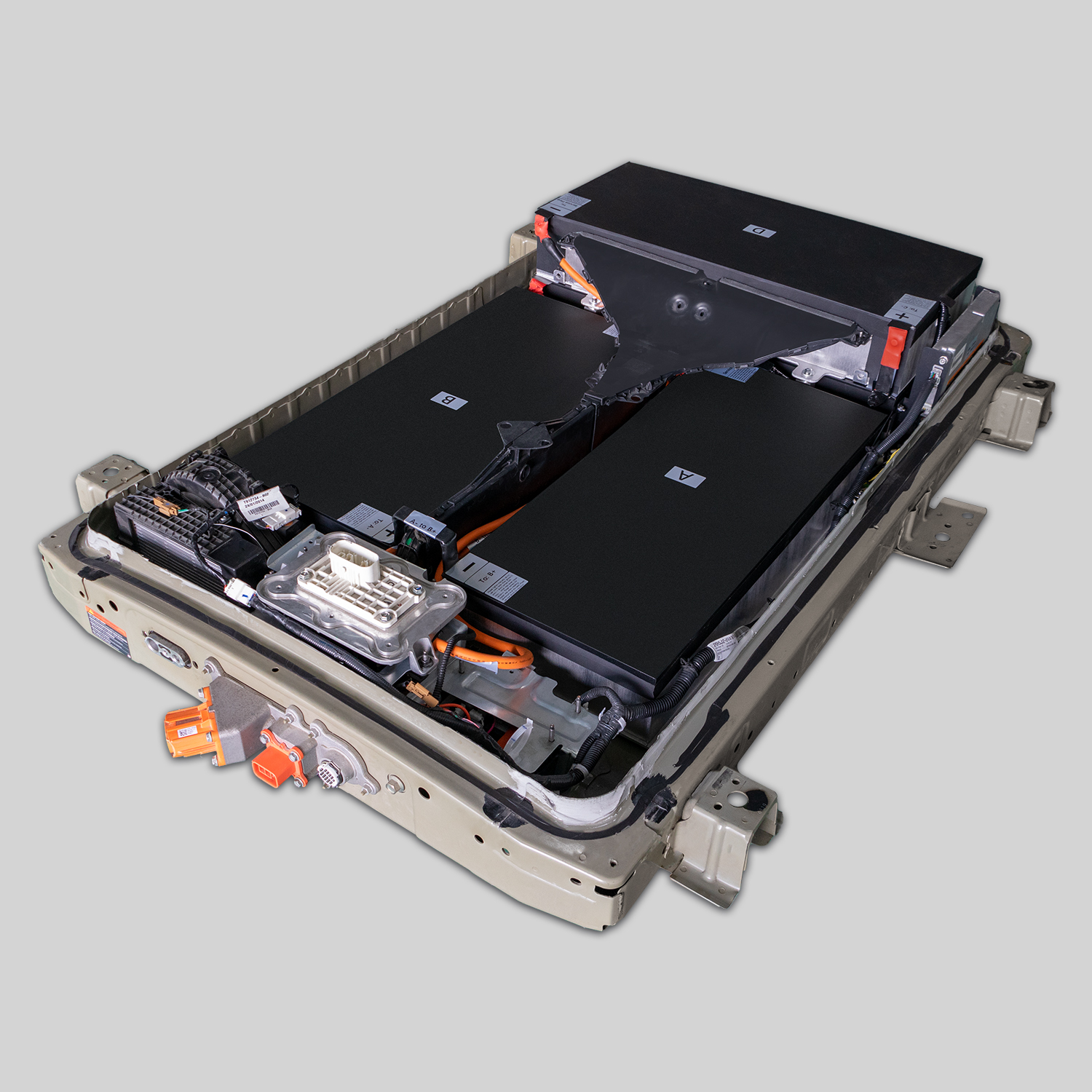
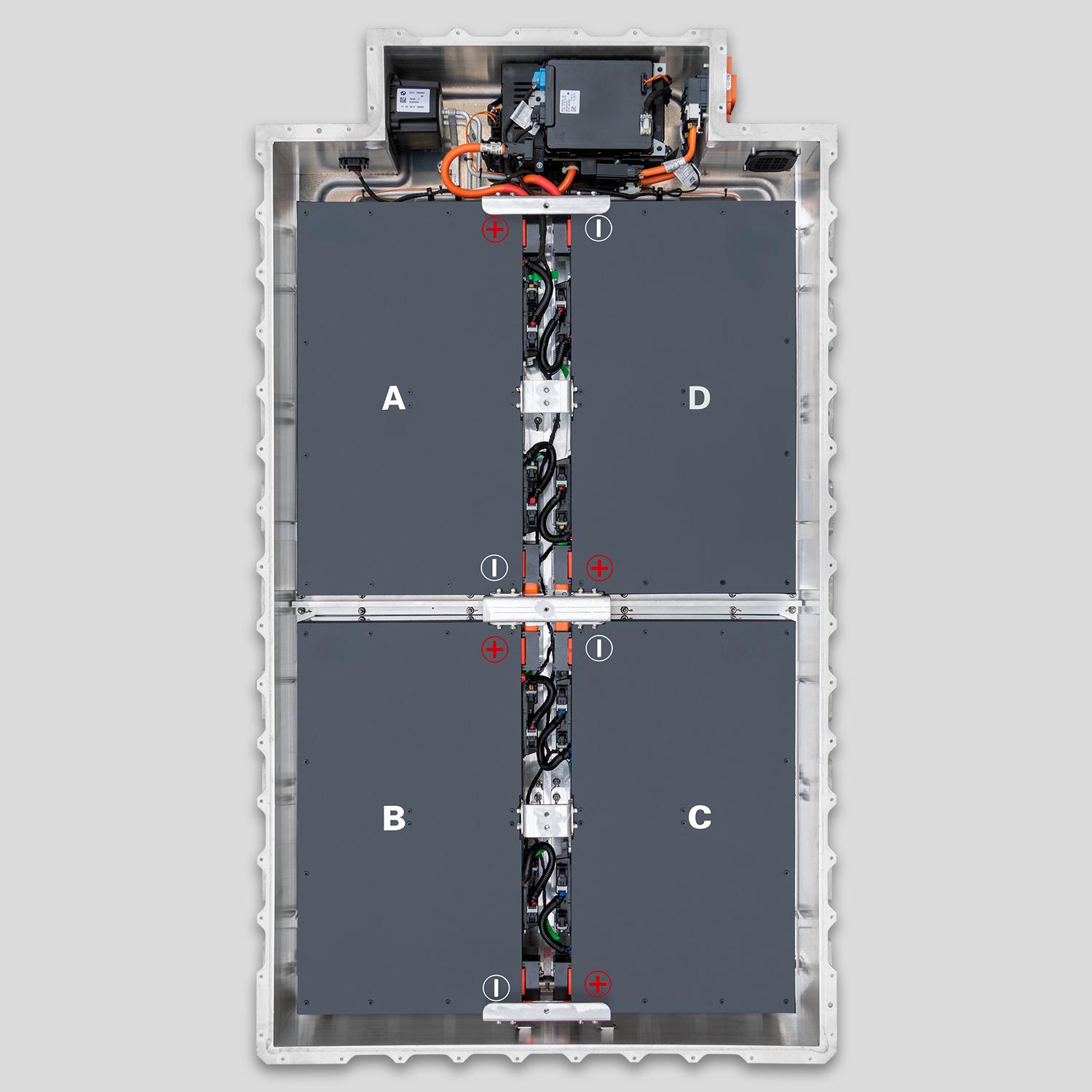
Nissan Leaf Battery Replacement: Common Issues & Expert Solutions
Are you encountering frustrating problems during or after your Nissan Leaf battery replacement? From BMS errors and compatibility mismatches to premature capacity fade, Nissan Leaf battery replacement: common issues can derail your EV’s performance and leave you with costly fixes. Many Leaf owners—whether upgrading a first-gen ZE0 or newer ZE1—face avoidable hurdles due to generic parts, improper installation, or lack of model-specific expertise. At CNS BATTERY, our technicians resolve these issues daily, leveraging decades of Leaf-focused experience to deliver seamless replacements. This guide breaks down the most frequent problems, their root causes, and how to prevent or fix them, ensuring your battery replacement is reliable and long-lasting.
Top Common Issues During Nissan Leaf Battery Replacement
Most problems arise during installation due to overlooked compatibility details, incorrect calibration, or safety shortcuts. Below are the most prevalent issues and how professionals address them.
1. BMS Calibration Failures & Range Inaccuracies
The Battery Management System (BMS) is the “brain” of your Leaf’s battery, regulating charging, discharge, and range calculations. A common issue post-replacement is BMS misalignment—either from incomplete calibration or using a pack with an unprogrammed BMS. Symptoms include erratic range readouts (e.g., sudden drops from 50% to 10% charge), failure to hold a charge, or charging stopping prematurely at 80%.
Root cause: Generic batteries often lack Leaf-specific BMS programming, and DIY installers skip dealer-grade calibration tools. Solution: Use a pre-programmed BMS (included in CNS BATTERY packs) and perform a full calibration with Nissan-compatible OBD-II scanners. This syncs the new battery with your Leaf’s electrical system, ensuring accurate range and optimal performance.
2. Cooling System Integration Problems
Leaf models have two distinct cooling systems: passive air cooling (2010-2017 ZE0) and active liquid cooling (2018+ ZE1). A critical replacement issue is mismatched cooling compatibility—e.g., installing a liquid-cooled battery in a ZE0 or vice versa. Symptoms include overheating warnings, reduced charging speed, or battery degradation within months.
Root cause: Ignoring generation-specific cooling needs leads to thermal imbalance. Solution: Choose batteries engineered for your Leaf’s cooling system. Our ZE0-compatible packs include enhanced passive cooling, while ZE1 options integrate seamlessly with the factory liquid cooling manifold—eliminating overheating risks.
3. Compatibility Mismatches (Voltage & Dimensions)
All Leaf models use a 360V high-voltage system, but improper battery voltage or size causes immediate electrical failures. Common mismatches include installing a 40kWh ZE1 pack in a 24kWh ZE0 (too large for the compartment) or using a non-360V generic pack. Symptoms include failed startup, blown fuses, or damage to the motor controller.
Root cause: Cutting corners with “universal” batteries instead of model-specific packs. Solution: Verify your Leaf’s year, generation, and factory battery specs before replacement. CNS BATTERY offers packs tailored to every Leaf model, ensuring perfect voltage and dimension alignment with no modifications needed.
4. Loose Connections & High-Voltage Hazards
Loose or improperly secured high-voltage (HV) cables are a safety risk and performance issue. During replacement, HV connectors that aren’t torqued to specification (45-50 Nm) can cause arcing, overheating, or intermittent power loss. Symptoms include flickering dashboard warnings, reduced acceleration, or even fire risks.
Root cause: Unqualified installers lacking experience with Leaf’s HV system. Solution: Professional installation by certified technicians who follow Nissan’s torque standards and secure all connectors with anti-corrosion grease. Our process includes a post-install HV system inspection to eliminate connection risks.
Common Post-Replacement Issues & How to Fix Them
Problems don’t always surface during installation—some appear weeks or months later due to poor battery quality or calibration gaps. Here’s how to address them.
1. Premature Capacity Fade
If your new battery loses 10%+ capacity within the first year, it’s likely due to low-quality cells or improper charging habits. Generic batteries use recycled or mismatched cells that degrade quickly, while frequent fast charging accelerates fade in NCM batteries.
Solution: Choose packs with grade-A cells (like our NCM, LFP, and sodium-lithium hybrids) and follow proper maintenance: avoid daily fast charging, keep charge levels between 20%-80%, and park in shaded areas. Our batteries include warranties covering premature fade, ensuring replacement if capacity drops below 80% within the coverage period.
2. Charging System Malfunctions
Post-replacement charging issues—such as slow charging, failure to charge, or compatibility with public fast chargers—stem from BMS errors or cooling system gaps. For example, a ZE1 battery with uncalibrated cooling may limit fast charging to 50kW instead of 150kW.
Solution: Re-calibrate the BMS and inspect cooling system flow. Our professional installation includes full charging system testing, ensuring compatibility with Level 1, Level 2, and DC fast chargers. We also update your Leaf’s firmware to sync with the new battery’s charging profile.
3. Dashboard Warning Lights (HV System, BMS)
Persistent warning lights (e.g., yellow HV system light, red BMS error) indicate unresolved communication or performance issues. These lights often trigger limp mode, limiting your Leaf’s speed to 25 mph.
Solution: Use a Nissan-specific diagnostic scanner to read error codes (e.g., P0AA6 for HV system malfunction). Generic scanners miss Leaf-specific codes, delaying fixes. Our team provides free post-replacement diagnostics to clear codes and resolve underlying issues, restoring full functionality.
Why Professional Replacement Prevents Most Common Issues
Many Nissan Leaf battery replacement issues are avoidable with expert installation and quality parts. Here’s how professional service safeguards your investment.
Model-Specific Expertise
Certified technicians understand the nuances of every Leaf generation—from ZE0’s passive cooling to ZE1 e+’s enhanced BMS. This expertise eliminates compatibility mistakes and ensures precise calibration, which DIY or generic installers can’t match.
Quality Parts with Warranties
Professional providers use batteries engineered for Leaf compatibility, with grade-A cells and pre-programmed BMS. These packs include warranties (1-5 years) covering defects, fade, and performance issues—something generic batteries lack.
Comprehensive Testing
Professional replacement includes pre-install battery testing, post-install system checks, and test drives to verify performance. This multi-step process catches issues before they impact your driving, ensuring a seamless experience.
Frequently Asked Questions (FAQ) About Leaf Battery Replacement Issues
Will a battery replacement fix my Leaf’s persistent warning lights?
It depends on the cause. If lights stem from battery degradation or BMS failure, a replacement will resolve them. If they’re due to motor or controller issues, our diagnostic scan will identify and address the root problem alongside the battery replacement.
Can a bad battery replacement void my Leaf’s warranty?
Yes—if using generic parts or unprofessional installation. Our replacement process uses compatible parts and preserves your Leaf’s non-battery warranty. We provide detailed records, ensuring seamless warranty claims for other components.
How long should a replaced Leaf battery last without issues?
Quality replacements (like ours) last 5-10 years, with 80%+ capacity retention. Generic batteries may fail in 1-2 years. Proper maintenance (avoiding extreme temperatures, limiting fast charging) extends lifespan further.
What if my replaced battery has issues after installation?
Our batteries include warranties, and we offer free post-install support. Contact our team, and we’ll perform a diagnostic scan, repair or replace the battery if needed, and ensure your Leaf is back on the road with minimal disruption.
Avoid Nissan Leaf Battery Replacement Issues with CNS BATTERY
Don’t let common battery replacement issues derail your Leaf’s performance or safety. At CNS BATTERY, we specialize in Leaf-specific replacements, using quality parts, expert installation, and comprehensive testing to eliminate avoidable problems. Our solutions address every common issue—from BMS calibration to cooling integration—ensuring your replacement is reliable and long-lasting. 立即访问https://cnsbattery.com/nissan-leaf-battery/,获取独家折扣并咨询专家升级方案! Our team will guide you through a hassle-free replacement, free from the common pitfalls that plague generic installs.