Nissan Leaf Battery Cost Factors Explained
As one of the pioneering mass-market electric vehicles, the Nissan Leaf has gained a loyal following worldwide. However, for current owners and potential buyers, understanding the factors influencing battery costs is crucial for long-term ownership planning. From raw material fluctuations to battery specifications and service options, multiple elements shape the final cost of Nissan Leaf batteries. This article breaks down these key factors to help you make informed decisions.
1. Battery Capacity and Model Year
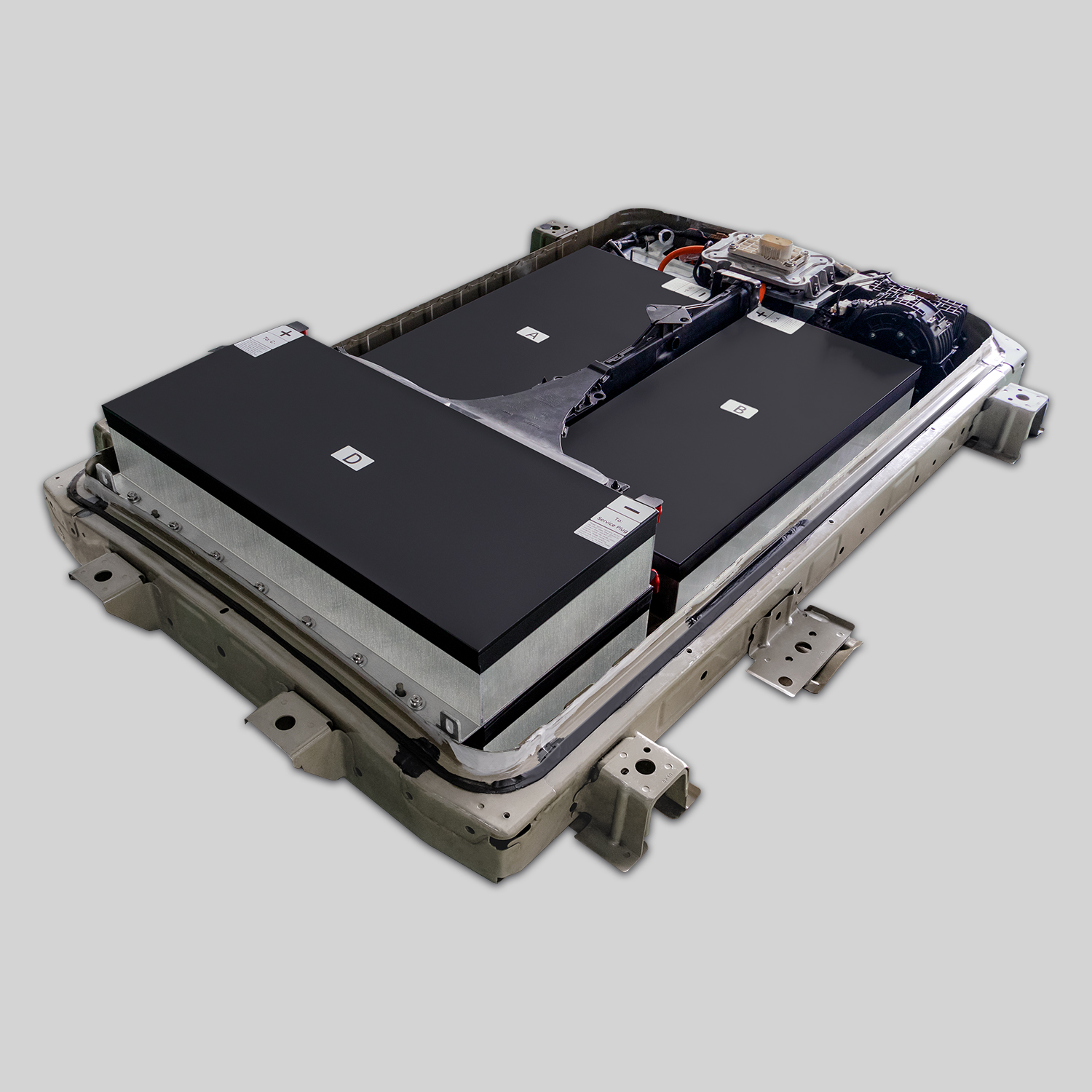
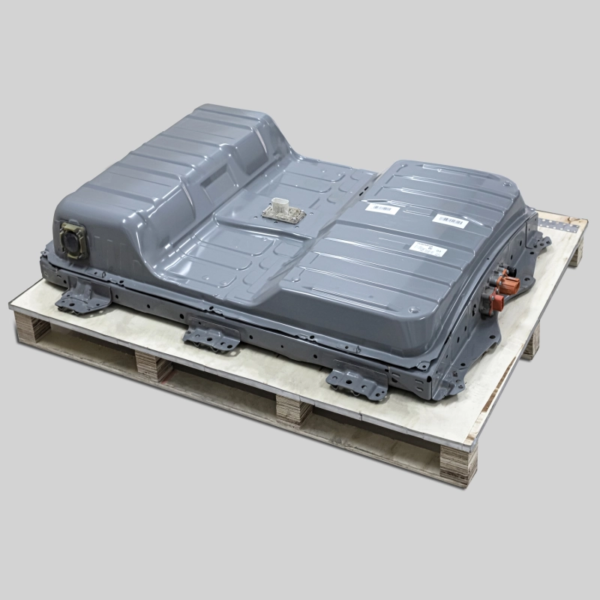
The Nissan Leaf has evolved through several battery capacity iterations, directly impacting replacement costs. Early models (2011–2015) were equipped with 24 kWh batteries, while later versions upgraded to 30 kWh (2016–2017), 40 kWh (2018–2021), and 62 kWh for Leaf e+ models. This capacity progression correlates with rising replacement costs due to increased material usage and energy density improvements.
In the UK market, OEM (Original Equipment Manufacturer) replacement costs vary significantly by capacity: 24 kWh batteries cost approximately £4,920 (with a £1,000 cashback for the old battery), 30 kWh batteries range from £5,500 to £6,500, 40 kWh batteries from £6,500 to £7,500, and 62 kWh Leaf e+ batteries from £8,500 to £9,500 . Third-party replacements offer slight savings, typically 15–20% less than OEM options, but prices still track with battery capacity.
2. Raw Material Price Volatility
Lithium-ion battery costs are highly sensitive to raw material prices, especially lithium, cobalt, and nickel. The 2026 market has seen dramatic surges in key materials: battery-grade lithium carbonate prices rose by 126.4% from late 2024 to early 2026, while cobalt sulfate spiked by 263.3% . These increases directly impact Nissan Leaf battery costs, as different battery chemistries respond differently to material fluctuations.
Nissan Leaf batteries use nickel-cobalt-manganese (NCM) chemistry in earlier models and lithium-iron-phosphate (LFP) in some newer variants. NCM 622 batteries (used in mid-generation Leafs) are most vulnerable to cost hikes, with a total increase of 0.117 yuan/Wh due to dual lithium and cobalt price pressures. LFP batteries, by contrast, have a more controlled cost rise of 0.057 yuan/Wh, as they eliminate cobalt dependency . This material-driven cost shift is gradually reflected in Leaf battery replacement prices.
3. OEM vs. Third-Party and Remanufactured Options
The choice between OEM, third-party, and remanufactured batteries is a major cost determinant. OEM batteries come with Nissan’s quality assurance and compatibility guarantees but carry a premium for brand authenticity and warranty coverage. Third-party batteries, while cheaper, vary in quality, with reliable providers offering products that meet 80–90% of OEM performance at 70–85% of the price .
Remanufactured batteries, championed by Nissan’s 4R Energy joint venture in Japan, present a cost-effective middle ground. These batteries reuse high-performance modules from退役 packs, with 4R Energy’s factory completing performance evaluations in just 4 hours to reduce labor costs . In Japan, remanufactured 23 kWh, 30 kWh, and 40 kWh batteries are priced at 650,000 yen, 800,000 yen, and 820,000 yen respectively, undercutting new OEM batteries by 20–30%.
4. Labor, Logistics, and Warranty Status
Beyond the battery itself, labor and logistics add to the total cost. Battery replacement labor fees range from £1,000 to £2,000 in the UK, depending on garage rates and installation complexity . Import fees for OEM batteries sourced overseas can further increase costs, especially in markets outside Europe and Asia where local supply chains are limited.
Warranty coverage is a critical cost mitigator. Nissan offers an 8-year/100,000-mile battery warranty for the Leaf, covering replacement if capacity drops below 66% within the period . Owners with active warranties may avoid replacement costs entirely, highlighting the value of maintaining warranty eligibility through proper vehicle care.
5. Battery Degradation and Usage Habits
Long-term usage habits influence battery lifespan and the need for premature replacement, indirectly affecting total ownership costs. The 24 kWh Leaf battery typically loses 20% capacity after 5 years, while 30 kWh packs show higher degradation rates . Environmental factors like extreme temperatures accelerate degradation—cold weather reduces electrolyte activity, while high heat strains thermal management systems .
Charging habits also play a role. “Deep cycling” (draining to near 0% and charging to 100%) accelerates wear, while maintaining 30–80% charge and using slow charging extends battery life . By adopting proper usage practices, owners can delay replacement and reduce long-term battery costs.
6. Recycling and Trade-In Incentives
Old battery value offsets replacement costs through trade-in programs. Nissan offers a £1,000 cashback for used Leaf batteries in the UK , while 4R Energy repurposes low-capacity modules for forklifts and golf carts, creating additional value from退役 packs . As battery recycling infrastructure matures, the residual value of used Leaf batteries is expected to rise, further reducing net replacement costs.
Conclusion
Nissan Leaf battery costs are shaped by a complex interplay of capacity, raw material prices, supplier type, service fees, usage habits, and recycling value. For owners, understanding these factors can lead to significant savings—whether through choosing remanufactured batteries, leveraging warranties, or adopting battery-friendly driving habits. As the electric vehicle market evolves and material costs stabilize, Leaf battery costs are likely to become more predictable, reinforcing its position as an affordable electric vehicle option.