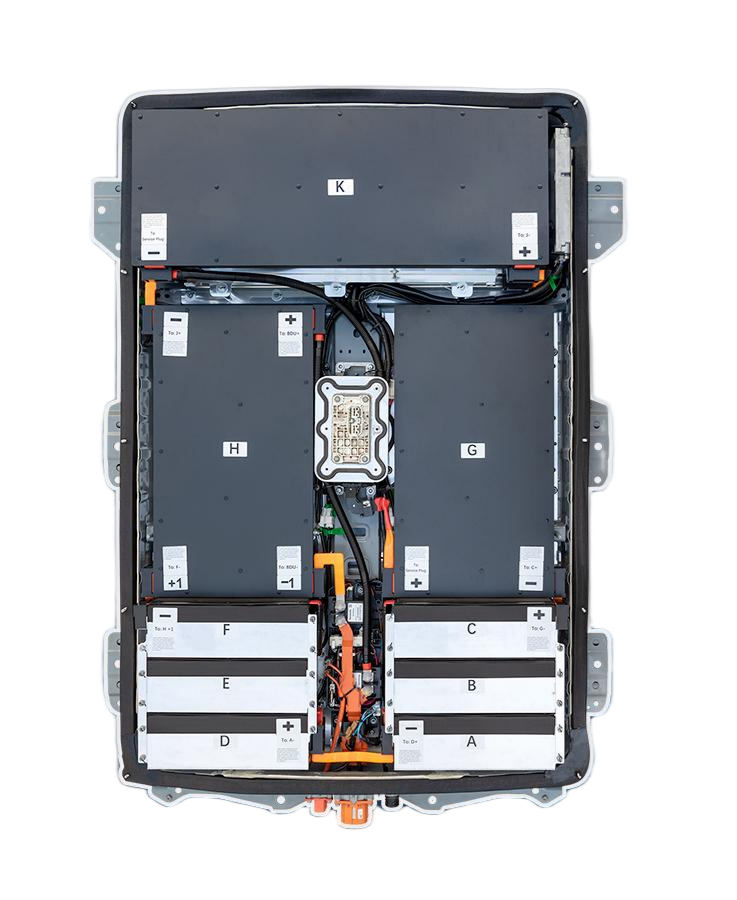
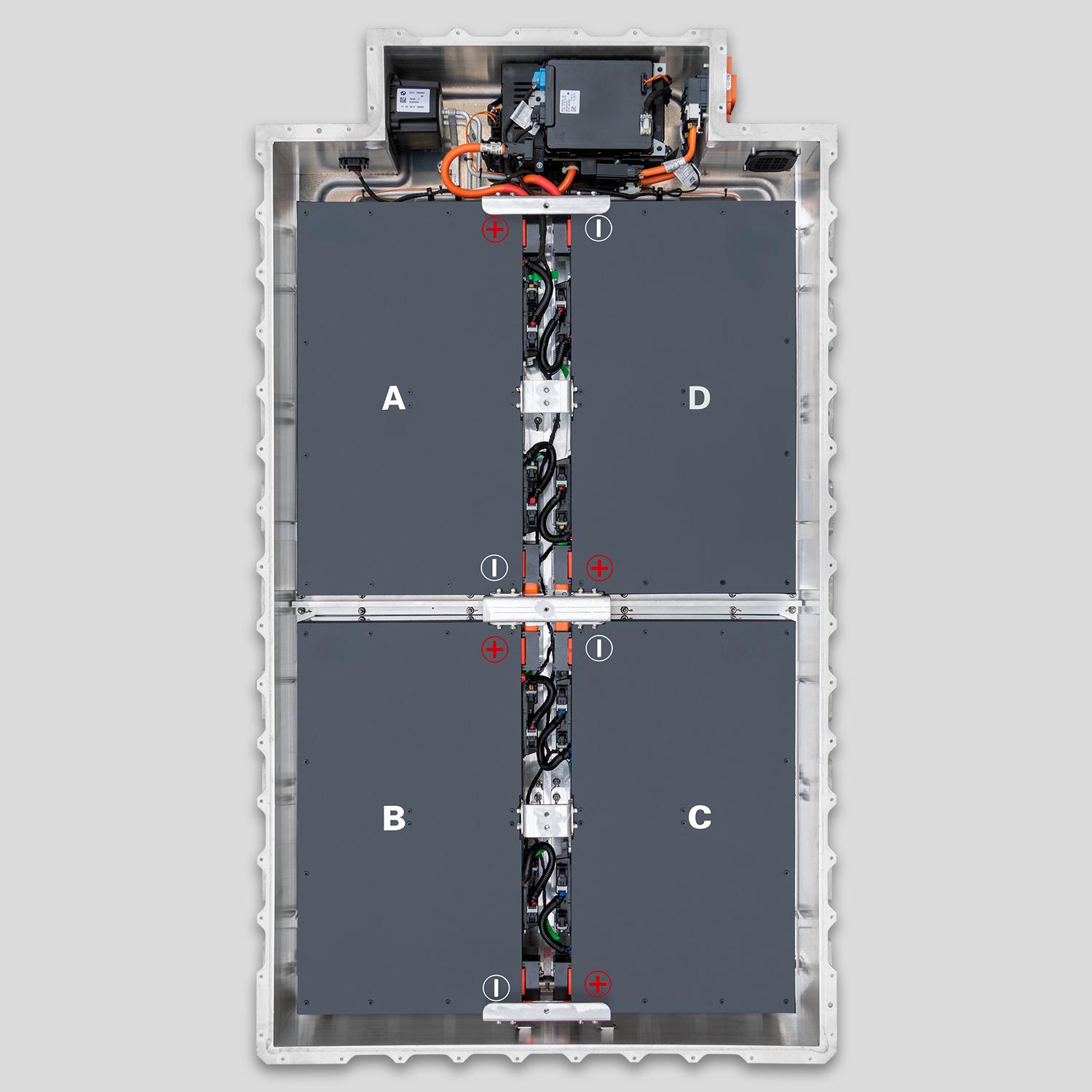
Nissan Leaf AZE0 Battery Replacement: New High-Capacity Batteries Available Now
Is your Nissan Leaf AZE0 losing range? If you drive the 2018-2023 Nissan Leaf (AZE0 chassis), you know how frustrating battery degradation can be. The original 40kWh or 62kWh packs might not be cutting it for your daily commute anymore. You’re likely searching for a solution that doesn’t cost a fortune.
The good news is that you don’t have to settle for a “refurbished” or “second-life” battery. Brand-new, high-capacity battery packs are now available for the Nissan Leaf AZE0. These aren’t just replacements; they are upgrades designed to OEM standards, often utilizing top-tier cells from manufacturers like CATL.
In this guide, we will walk you through why a brand-new replacement is superior to a refurbished unit and how you can upgrade your AZE0 Leaf to enjoy a longer driving range at half the price of the original manufacturer.
Why Choose a New Battery for Your AZE0 Leaf?
When the battery in your Nissan Leaf AZE0 reaches the end of its life, the dealership usually offers two options: a very expensive new OEM battery or a risky used/recycled pack.
There is a third, smarter option: a custom-manufactured, brand-new lithium-ion battery pack.
1. Zero Cycle Life (Brand New Cells)
Unlike “remanufactured” batteries made from old, degraded cells, a new replacement uses fresh prismatic cells. This means your battery starts at 100% health. You won’t be inheriting someone else’s battery degradation problems.
2. Cost Savings of 50%+
Replacing a battery at a Nissan dealership can cost upwards of $12,000 to $16,000. A high-quality aftermarket solution, engineered to the same specifications, typically costs less than half that amount. This makes keeping your reliable Leaf on the road a financially viable decision.
3. Compatibility and Safety
Modern solutions for the AZE0 are designed to be “Plug and Play.” They are engineered to match the original voltage, dimensions, and communication protocols of your Leaf. This ensures that your car’s BMS (Battery Management System) recognizes the pack without complex hacking.
Available Capacities: 40kWh, 62kWh, and Upgrades
The Nissan Leaf AZE0 was originally sold with 40kWh and 62kWh variants. However, the aftermarket now offers even more flexibility.
| Capacity | Estimated Range (WLTP) | Ideal For |
|---|---|---|
| 40kWh | ~270 km | City driving, short commutes |
| 62kWh | ~390 km | Daily drivers, longer trips |
| 68kWh+ | ~450+ km | Enthusiasts, maximizing range |
The Upgrade Path:
If you currently own a 40kWh AZE0, you can often upgrade to a 62kWh or even a custom 68kWh+ capacity. This requires checking your vehicle’s VIN and specific configuration, as the software and thermal management systems must support the higher capacity. A professional supplier will perform this compatibility check before you buy.
Installation: Is it DIY or Professional?
One of the biggest concerns drivers have is the installation process.
Can you do it yourself?
Technically, yes, but it requires extreme caution. High-voltage (HV) work is dangerous. If you are a certified technician or have experience with EVs, the process is straightforward:
- Disconnect the 12V battery.
- Lift the car and remove the undertray.
- Disconnect the HV cables and coolant lines.
- Remove the old pack and install the new one.
- Reconnect everything and perform a software reset/BMS handshake.
Recommendation:
While the hardware swap might take 1-2 hours, the software programming often requires specialized tools. We strongly recommend having a professional mechanic or EV specialist perform the installation. This ensures the BMS is programmed correctly and avoids voiding your warranty.
Frequently Asked Questions (FAQ)
Q1: Is a new aftermarket battery safe?
Absolutely. Reputable manufacturers use A-grade cells (like CATL) and include robust BMS systems that monitor temperature and voltage. They must adhere to strict safety standards to be certified for road use.
Q2: How long does shipping take?
Shipping times vary depending on your country. Due to the nature of lithium batteries (classified as dangerous goods), shipping usually takes 4-8 weeks via sea freight for safety and cost reasons. Air freight is available for urgent needs but is significantly more expensive.
Q3: What warranty should I expect?
You should expect a warranty that matches or beats the OEM standard. A reliable supplier offers at least a 2-year or 80,000 km warranty. This should cover manufacturing defects and include a performance guarantee (e.g., retaining 70%+ capacity over the warranty period).
Q4: Will this affect my car’s original warranty?
If your car is still under the original Nissan warranty, modifying the battery pack will likely void that specific coverage. However, if your battery is degraded, the warranty is likely already expired. Always check your local regulations regarding aftermarket parts.
Ready to Revive Your Nissan Leaf?
Don’t let a dead battery force you into buying a new car. With new high-capacity solutions available for the Nissan Leaf AZE0, you can extend the life of your vehicle for thousands of extra miles.
Get a Free Custom Quote Today
Simple steps:
- Select your vehicle model;
- Enter your specifications preferences;
- Submit to receive personalized recommendations.