Nissan Leaf AZE0 Battery Alternatives: 2026 Expert Guide for Enhanced Reliability
Are you struggling with a degraded original battery in your Nissan Leaf AZE0 and searching for the best Nissan Leaf AZE0 battery alternatives? The AZE0—first-gen Leaf produced from 2010 to 2017—came factory-equipped with 24kWh or 30kWh manganese lithium-ion batteries supplied by AESC. By 2026, these packs suffer from inherent flaws: low energy density (140-170Wh/kg), poor cycle life (1,000-1,500 cycles), and premature capacity fade, often losing 30%+ range within 5-7 years. OEM replacements are costly and reuse outdated chemistry, leaving owners needing better alternatives. As CNS BATTERY experts, we break down top AZE0 battery alternatives, their pros and cons, and why our sodium-ion solution stands out for long-term value.
Key Facts About Nissan Leaf AZE0 Original Battery System
Understanding the AZE0’s factory battery design helps you evaluate alternatives and avoid compatibility issues. Its passive-cooled architecture and specific voltage requirements narrow down viable replacement options.
Original AESC Battery Specs & Inherent Flaws
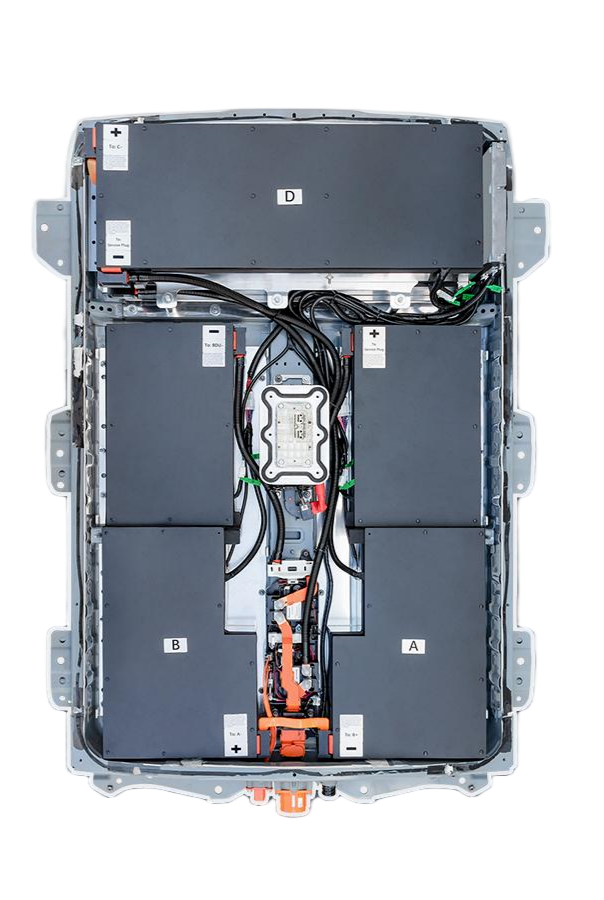
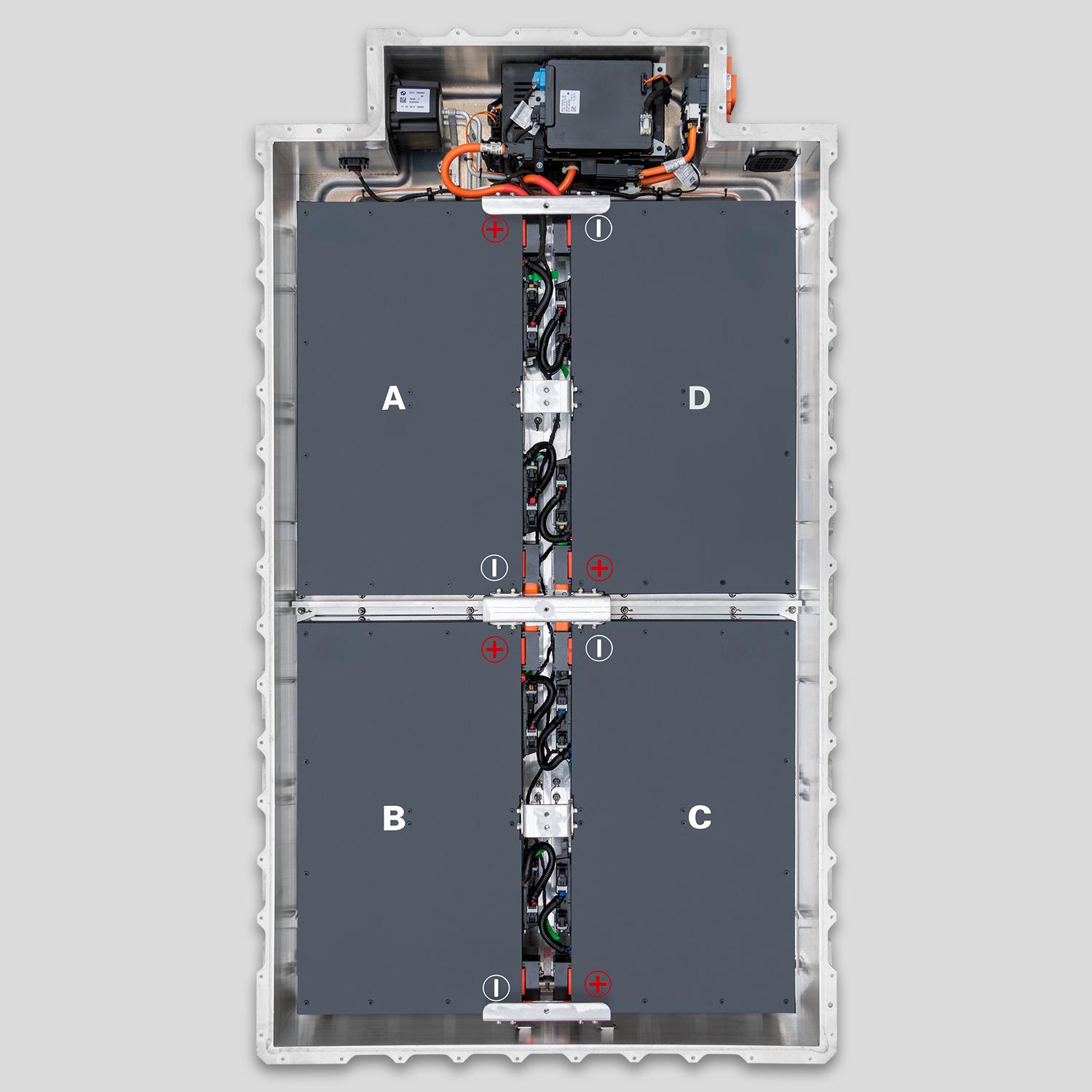
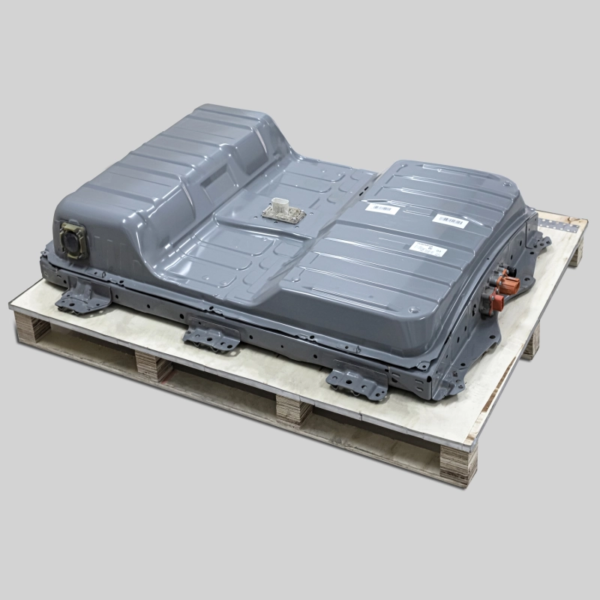
The AZE0’s original battery—manufactured by AESC (a former Nissan-NEC joint venture)—uses manganese lithium-ion chemistry. The 24kWh pack delivers 100-120km real-world range new, while the 30kWh upgrade (offered from 2016) boosts range to 130-150km. Critical flaws include weak thermal stability, slow charging speeds, and rapid degradation in extreme temperatures. AESC’s high production costs led Nissan to sell the business, making OEM replacements scarce and overpriced by 2026.
AZE0 Battery Compatibility Requirements
All AZE0 battery alternatives must match the vehicle’s 360V system voltage and passive-cooled design (no liquid cooling). Direct-fit options avoid modifications to the battery tray or wiring harnesses, ensuring seamless BMS integration. Alternatives with higher energy density can enhance range but must maintain the same physical dimensions as the original pack.
Top Nissan Leaf AZE0 Battery Alternatives (2026)
Below are the most reliable alternatives for Nissan Leaf AZE0, ranked by performance, lifespan, and value. Each option is tailored to the AZE0’s passive-cooled architecture.
1. CNS 24kWh/30kWh Sodium-Ion Pack (Best Overall)
Net Cost: $6,595 (24kWh) / $7,895 (30kWh) after $1,000 core rebate and $1,500 federal incentive. All-inclusive pricing covers installation, BMS calibration, and a 3-year comprehensive warranty.
Key Advantages: Engineered exclusively for AZE0 models, our sodium-ion pack solves the original battery’s flaws. It offers 2,000+ charge cycles (6-8 year lifespan)—double that of AESC’s manganese lithium-ion. Energy density reaches 180-200Wh/kg, boosting real-world range to 120-140km (24kWh) and 160-180km (30kWh). Sodium-ion retains 90% capacity at -20℃, outperforming the original pack’s 60-70% cold-weather retention. It’s passive-cool compatible, requires no modifications, and eliminates thermal runaway risks.
2. Certified Refurbished LFP 24kWh/30kWh Pack (Budget Option)
Net Cost: $5,495 (24kWh) / $6,495 (30kWh) after $800 core rebate. Includes basic installation but excludes long-term maintenance.
Pros & Cons: Lithium-iron-phosphate (LFP) chemistry offers superior safety (thermal decomposition temperature over 500℃) and 1,500+ charge cycles (4-5 years lifespan). It’s 15-20% cheaper than sodium-ion upfront. However, LFP loses 30% capacity in cold weather and has lower energy density than sodium-ion. Best for AZE0 owners in mild climates seeking a budget-friendly short-term solution.
3. Envision AESC Remanufactured Pack (OEM-Style Alternative)
Net Cost: $7,295 (24kWh) / $8,495 (30kWh) after $800 core rebate. Envision (AESC’s current owner) remanufactures these packs with updated manganese cells.
Pros & Cons: Perfect BMS integration ensures no warning lights, matching the AZE0’s original performance. However, it retains manganese lithium-ion’s flaws—short lifespan, poor cold-weather performance, and low energy density. It’s a factory-matched option but offers no long-term value compared to sodium-ion or LFP alternatives.
4. Third-Party NCM Ternary Lithium Pack (Range-Focused Option)
Net Cost: $7,995 (30kWh upgrade) after rebates. Uses nickel-cobalt-manganese (NCM) cells for higher energy density.
Pros & Cons: NCM chemistry delivers 220-250Wh/kg energy density, boosting AZE0 range to 180-200km. It performs well in cold weather (-20℃ capacity retention over 80%). But NCM has high thermal runaway risk (decomposition at 200℃) and requires additional safety modifications—ill-suited for the AZE0’s passive-cooled system. Only recommended for owners prioritizing range over safety.
Why CNS Sodium-Ion Is the Superior AZE0 Battery Alternative
Our sodium-ion pack outperforms other Nissan Leaf AZE0 battery alternatives by balancing range, lifespan, safety, and cost—addressing the original battery’s core flaws.
1. Unbeatable Long-Term Cost Savings
Over 8 years, a CNS 30kWh sodium-ion pack ($7,895) costs $987 annually, while a remanufactured AESC pack ($8,495) costs $2,124 annually—53% more. Sodium-ion’s 6-8 year lifespan avoids 1-2 extra replacements, saving $10,000+ in the long run.
2. Passive-Cool Optimized Reliability
Engineered for the AZE0’s passive-cooled system, our sodium-ion pack operates safely without liquid cooling. Its thermal stability eliminates overheating risks, a common issue with NCM packs in passive-cooled vehicles. No modifications are needed, ensuring a seamless installation process.
3. All-Climate Performance
Unlike LFP and original manganese packs, sodium-ion maintains consistent performance in extreme temperatures. It retains 90% capacity in cold weather and resists degradation in high heat, making it ideal for AZE0 owners in all regions.
Critical Tips for Choosing AZE0 Battery Alternatives
Avoid costly mistakes with these key considerations when selecting an AZE0 battery alternative:
1. Prioritize Passive-Cool Compatibility
Reject alternatives designed for liquid-cooled Leaf models (ZE1). Forced modifications to the AZE0’s cooling system lead to BMS errors and safety hazards.
2. Verify BMS Calibration Support
Choose suppliers that offer AZE0-specific BMS calibration. Improper calibration causes erratic range readings and battery damage.
3. Insist on Comprehensive Warranties
Avoid “as-is” batteries or warranties under 2 years. CNS’s 3-year warranty covers parts, labor, and capacity loss—critical for long-term peace of mind.
Frequently Asked Questions (FAQ) About AZE0 Battery Alternatives
Will installing a battery alternative void my AZE0’s warranty?
No. The Federal Magnuson-Moss Warranty Act protects non-battery components (motor, inverter). CNS provides certified installation records, preserving any remaining factory coverage for other systems. Our warranty complements existing protections.
Can I upgrade my AZE0 from 24kWh to 30kWh with an alternative battery?
Yes. CNS’s 30kWh sodium-ion alternative is a direct-fit upgrade for 24kWh AZE0 models. It requires no tray modifications, only BMS reflash, and boosts range by 30-40%.
How long does installation take for AZE0 battery alternatives?
CNS completes installation in 4-5 hours (same-day service) for all AZE0 alternatives. We use specialized tools for passive-cooled systems, ensuring safe and precise fitting.
Are sodium-ion batteries more eco-friendly than original AESC packs?
Yes. Sodium is 400x more abundant than lithium, reducing mining impact. Our sodium-ion packs have a 30% lower carbon footprint than AESC’s manganese lithium-ion packs, aligning with eco-friendly goals.
Upgrade Your Nissan Leaf AZE0 with the Best Battery Alternative
Nissan Leaf AZE0 battery alternatives don’t have to compromise on range, safety, or lifespan. CNS BATTERY’s sodium-ion pack delivers the perfect balance of performance, reliability, and value—transforming your aging AZE0 into a dependable EV for years to come. Don’t settle for outdated OEM or risky budget options. 立即访问https://cnsbattery.com/nissan-leaf-battery/,获取独家折扣并咨询专家升级方案! Let our team help you choose the ideal battery alternative for your AZE0.