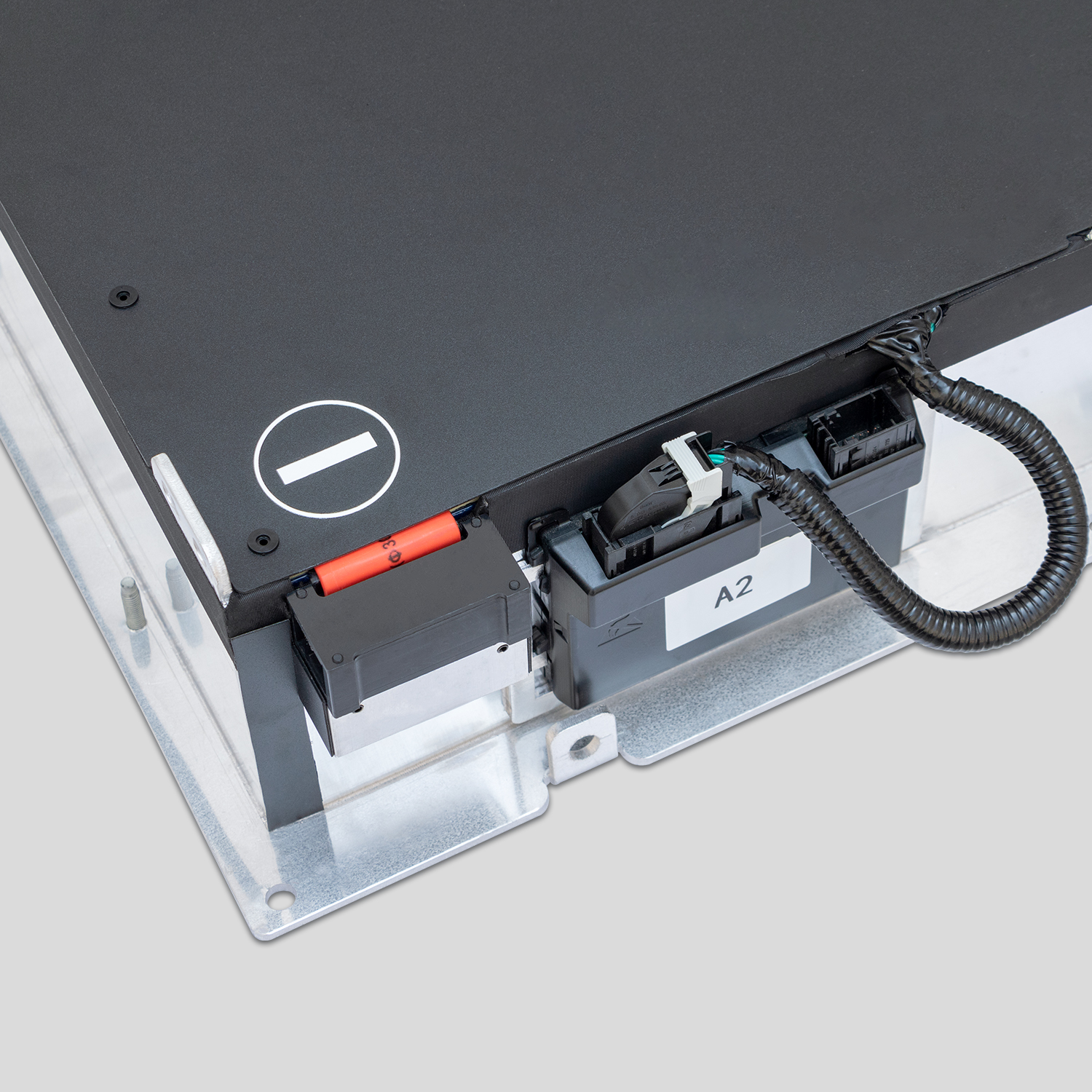
Nissan Leaf AZE0-1 Battery Cost Update
As one of the pioneering models in the global electric vehicle market, the Nissan Leaf has won a large user base with its reliable performance and practical design. Among its various versions, the AZE0-1 (also known as the first-generation Leaf) remains a common sight on roads worldwide, even as newer iterations emerge. For owners of this model, battery health and replacement costs are core concerns. This article provides the latest update on Nissan Leaf AZE0-1 battery costs, analyzing price ranges across different channels, influencing factors, and cost-effective replacement options to help owners make informed decisions.
Nissan Leaf AZE0-1 Battery Specifications Overview
Before delving into cost details, understanding the battery specifications of the Nissan Leaf AZE0-1 is essential. According to official data , the AZE0-1 model is equipped with lithium-ion batteries in two capacity options: 24 kWh and 30 kWh, both operating at a total voltage of 360V. These batteries power an EM57 motor with a maximum output of 80 kW, delivering a cruising range of 228 km (24 kWh) and 280 km (30 kWh) under Japan’s JC08 test cycle. Over time, lithium-ion batteries naturally degrade, typically losing 20-30% of their capacity after 8-10 years of use, prompting many owners to consider replacement.
Notably, the AZE0-1’s battery pack is modular in design, which facilitates replacement—either as a full pack or individual modules. This modularity also influences replacement costs, as owners can choose between full-pack replacement or targeted module repairs based on battery health.
Latest Nissan Leaf AZE0-1 Battery Cost Ranges by Channel
1. Genuine OEM Battery Packs
Genuine Nissan batteries offer the highest compatibility and reliability, backed by the manufacturer’s warranty. While Nissan does not publicly list AZE0-1 battery prices, market data from 2025-2026 shows that genuine 24 kWh battery packs cost between $5,500 and $7,000, while 30 kWh packs range from $6,200 to $8,500 . For owners seeking upgrades, genuine 62 kWh battery packs (compatible with AZE0-1 via minor modifications) are available for $7,500 to $9,200 . These prices exclude labor costs, which typically add $300 to $500 for professional installation , covering disassembly, wiring, and BMS (Battery Management System) calibration.
2. Aftermarket Battery Packs
Aftermarket batteries have become a popular choice for cost-conscious owners, with reputable manufacturers like CNS Battery offering compatible packs for the AZE0-1. These batteries come in capacities ranging from 40 kWh to 68 kWh, with prices spanning $5,500 to $9,200 . The 40 kWh aftermarket pack, a common upgrade option, costs around $5,500-$6,500 and boosts the AZE0-1’s cruising range to 280 km. High-capacity 62 kWh packs, which extend range to 440 km, are priced at $7,800-$9,200 . Most aftermarket batteries include a 2-3 year warranty, and their modular design ensures plug-and-play compatibility with the AZE0-1’s original casing and BMS .
3. Refurbished/Remanufactured Batteries
Refurbished batteries, sourced from used Leaf models and reconditioned to restore capacity, offer the lowest cost. A refurbished 24 kWh AZE0-1 battery pack costs $3,000-$4,500, while 30 kWh versions range from $3,800-$5,000. However, buyers should exercise caution: refurbished batteries vary widely in quality, and warranties are shorter (usually 1-2 years). It is recommended to purchase from certified rebuilders who test each module and replace degraded cells.
4. Labor and Additional Costs
Labor costs for battery replacement depend on location and service provider. Dealerships charge $300-$500, while independent EV repair shops offer lower rates of $200-$350 . Mobile service providers, who perform replacements at the owner’s home or office, may add a $50-$100 convenience fee . Additional costs may include battery disposal fees ($50-$100, mandatory in most regions) and BMS reconfiguration ($100-$200 if not included in labor).
Key Factors Influencing AZE0-1 Battery Costs
1. Battery Capacity and Technology
Capacity is the primary cost driver—higher-capacity packs (e.g., 62 kWh vs. 24 kWh) cost significantly more due to additional cells and materials. Ternary lithium batteries, used in aftermarket upgrades, are pricier than the AZE0-1’s original lithium-ion cells but offer better energy density and charging performance .
2. Market Supply and Raw Material Prices
Lithium, nickel, and cobalt prices directly impact battery costs. In 2025-2026, stable lithium prices (compared to 2022-2023 peaks) have helped keep AZE0-1 battery prices relatively consistent . Additionally, increased supply of aftermarket batteries has intensified competition, lowering prices for non-genuine options.
3. Regional Differences
Costs vary by region due to labor rates, import tariffs, and local regulations. For example, in North America and Europe, genuine battery packs cost 10-15% more than in Asia, while aftermarket prices are more consistent globally. Owners in remote areas may incur higher shipping fees ($200-$400) for battery delivery.
Cost-Effective Battery Replacement Recommendations for AZE0-1 Owners
1. For Daily Commuters
Owners using the AZE0-1 for short daily commutes (under 100 km) can opt for a refurbished 24 kWh or 30 kWh battery. This balances cost and practicality, with total replacement costs (battery + labor) ranging from $3,200-$5,500.
2. For Range Seekers
Those needing extended range should consider an aftermarket 40 kWh or 62 kWh pack. The 40 kWh upgrade ($5,500-$6,500 + labor) offers a 23% range boost over the original 30 kWh pack, while the 62 kWh option ($7,800-$9,200 + labor) nearly doubles the AZE0-1’s original range .
3. For Long-Term Reliability
Owners planning to keep the AZE0-1 for 3+ years should invest in a genuine or high-quality aftermarket battery. Genuine packs come with a 5-year/100,000 km warranty, while top-tier aftermarket options offer 3-year coverage, reducing long-term maintenance risks.
Conclusion
The Nissan Leaf AZE0-1 battery replacement cost in 2026 ranges from $3,000 (refurbished 24 kWh pack + labor) to $10,000 (genuine 62 kWh pack + labor), depending on capacity, quality, and service channel. Owners should prioritize battery quality and warranty coverage while aligning their choice with usage needs. Regular battery maintenance—such as avoiding extreme temperatures and maintaining a 20-80% charge range—can extend battery life and delay replacement costs.
For the latest localized prices, consult authorized Nissan dealerships or certified EV repair shops. With the growing EV aftermarket, AZE0-1 owners now have more cost-effective options to keep their vehicles on the road for years to come.