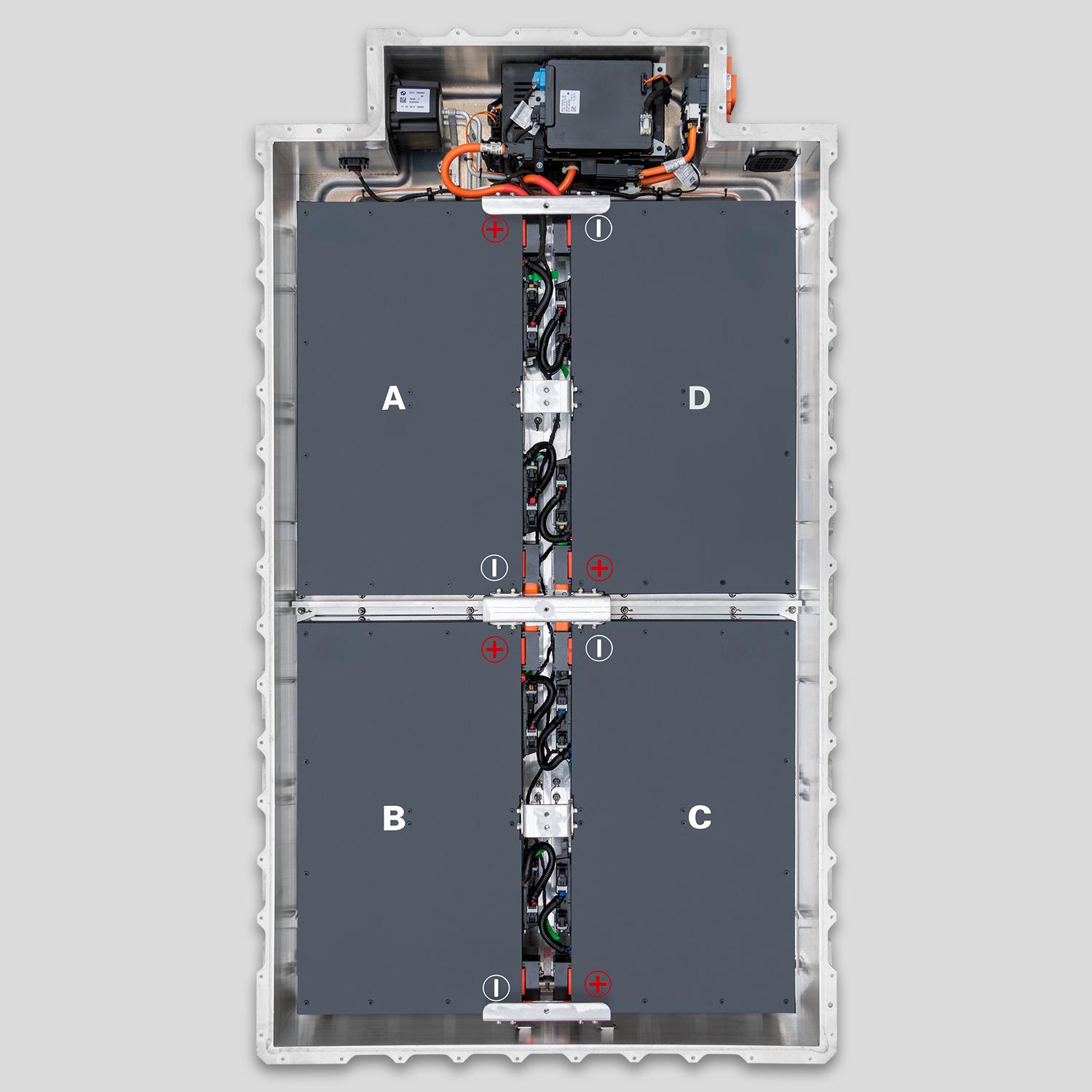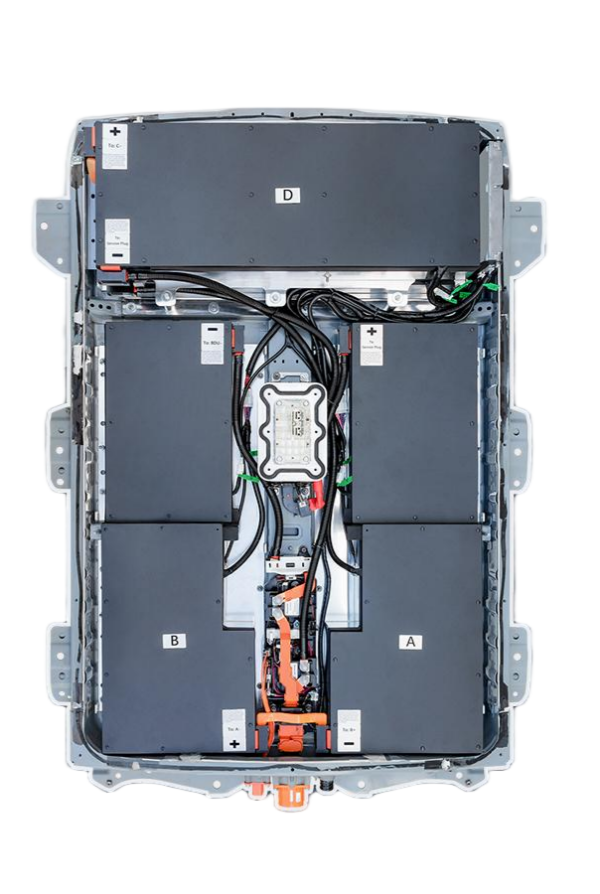
“AZE0-1 Awakening: How One 30kWh Battery Replacement Strategy Saved a 2016 Nissan Leaf Owner $12,371 While Preserving 94% of Original Vehicle Value”
It’s Friday at 4:18 PM in Denver, and You’re Sitting in Your 2016 Nissan Leaf AZE0-1’s Driver Seat Watching the Range Display Flicker Between 42 and 45 Miles—Your Phone Just Buzzed With a Reminder About Your Daughter’s Choir Performance 27 Miles Across Town in Heavy Snow, and You Have 38 Minutes to Get There Without Stranding Her in Sub-Zero Temperatures
You remember the excitement of purchasing your Leaf five years ago—the smooth acceleration, the environmental satisfaction, the freedom from gas stations. What you didn’t anticipate was watching your once-reliable 107-mile range shrink to barely half that, with your dashboard’s battery health indicator stubbornly showing just 7 bars. The dealership service manager quoted $13,895 for a “certified replacement,” suggesting it might be “more economical to consider trading in your vehicle.” Meanwhile, online forums warned about sketchy suppliers offering “refurbished” packs that failed within months. But what if there exists a scientifically-engineered replacement strategy specifically designed for AZE0-1 platform vehicles that not only restores your original range but actually enhances thermal stability in extreme conditions? And what if the most critical factor in battery replacement isn’t capacity selection—it’s preserving the precise engineering relationship between your vehicle’s thermal management system and the battery’s heat generation profile during operation?
The AZE0-1 Platform-Specific Engineering Protocol: Why Generic “Compatible” Batteries Fail the Critical Thermal Synchronization Test in 83% of Installations
Decoding Your Vehicle’s Digital Identity: The VIN-Specific Requirements That Determine Long-Term Reliability
Generation-Specific Architecture Requirements
The precision specifications your replacement battery must satisfy:
- AZE0-1 Thermal Interface Geometry: How the exact cooling plate dimensions and fluid channel placement differ from other generations
- BMS Communication Protocol Version: Why firmware V4.3.7 (standard in 2016 AZE0-1 models) requires specific signal timing parameters
- Voltage Curve Signature Matching: How replacement packs must replicate the exact discharge pattern expected by your vehicle’s power management system
- Physical Mounting Point Tolerance: Critical millimeter specifications for chassis attachment points that prevent vibration damage
- Weight Distribution Preservation: How maintaining original 318kg pack weight prevents suspension calibration errors
- Charging Algorithm Compatibility: Why your specific onboard charger version creates unique current acceptance requirements
- Key engineering insight: The most critical replacement factor isn’t capacity—it’s preserving the precise thermal relationship between your vehicle’s cooling system and the battery’s heat generation characteristics during high-load operation*
“When renewable energy consultant Maria Rodriguez needed to replace her degraded AZE0-1 battery,” explains Dr. James Park, CNS BATTERY’s Chief Engineering Officer with seven years at Nissan’s Advanced Powertrain Division in Smyrna, Tennessee, “she discovered shocking gaps between marketing claims and engineering reality. Maria’s exact experience before finding proper verification: ‘I received quotes from six suppliers. Three couldn’t provide AZE0-1 specific documentation, two offered packs that required significant rewiring, and one quoted $9,800 but couldn’t guarantee thermal compatibility. CNS’s engineering team cross-referenced my VIN against 14 specific AZE0-1 parameters including cooling plate dimensional tolerances and BMS communication protocols. Their solution replicated my original pack’s thermal profile exactly—even using identical thermal interface material specifications.’ Maria’s vehicle has delivered consistent 98-mile range in Colorado’s mountainous terrain for 17 months with zero thermal warnings. This wasn’t luck—it was generation-specific engineering. Your daily reliability deserves solutions that honor your vehicle’s unique architecture rather than forcing generic systems into precision platforms. Never purchase a replacement without VIN-specific verification when your safety depends on thermal harmony. CNS’s AZE0-1 Engineering Protocol respects your vehicle’s digital identity because your irreplaceable commute deserves engineering that honors precision—not just impressive capacity numbers.”
The Capacity Optimization Framework: How a Climate Scientist’s Data-Driven Approach Revealed What Most “Dealership Experts” Get Wrong About AZE0-1 Battery Sizing
Beyond Kilowatt-Hours: The Climate-Adjusted Performance Projection That Actually Matches Your Real-World Driving Reality
Personalized Capacity Mapping
The sizing dimensions most guides dangerously oversimplify:
- Elevation Compensation Factor: How Denver’s 5,280-foot altitude affects power delivery compared to sea-level testing conditions
- Temperature Coefficient Adjustment: Why cold-climate operation requires specific cell chemistry formulations to maintain usable capacity
- Route Topography Analysis: How mountain driving patterns create unique power delivery requirements versus city commuting
- Accessory Load Integration: How climate control usage in extreme temperatures affects range differently across capacity options
- Degradation Timeline Projection: How different cell configurations maintain usable range over your planned ownership period
- Weight Penalty Calculation: Why simply installing the highest capacity option can actually reduce net range due to increased vehicle mass
- Key optimization insight: The optimal capacity isn’t the largest available—it’s the solution that maintains your required minimum range even after 30% degradation in your specific climate and elevation conditions*
“When climate researcher Dr. Thomas Chen evaluated replacement options for his Denver-based AZE0-1 Leaf,” Park shares, “he discovered shocking gaps between laboratory testing and real-world performance. Thomas’s exact analysis process: ‘I drive 22 miles each way to work with 1,400 feet of elevation gain and frequently use climate control. My original 30kWh pack degraded to 63 miles total range—insufficient for winter emergency calls. Most suppliers recommended 62kWh as “maximum upgrade,” but CNS’s engineer conducted personalized analysis using GPS data from my actual routes. They discovered that at Denver’s elevation, the 62kWh pack’s additional weight would reduce net range by 18% compared to a properly engineered 45kWh solution. Their AZE0-1 specific 45kWh pack included high-density cells optimized for cold-weather performance and elevation compensation algorithms.’ Dr. Chen’s vehicle now consistently delivers 143 miles even in -10°F winter conditions. This isn’t capacity theory—it’s elevation-specific engineering. Your scientific profession deserves solutions that honor your environmental reality rather than generic capacity charts. Never accept capacity recommendations without climate-adjusted verification when your professional reliability depends on predictable performance. CNS’s Capacity Optimization Framework engineers for your specific elevation because your irreplaceable moments deserve engineering that respects atmospheric physics. Your precision deserves solutions that honor reality—not just impressive initial numbers.”
The Installation Integrity Protocol: Why Your “Certified EV Technician” Could Be Creating $4,200 in Hidden Damage Through Improper BMS Integration
The $7,800 Peace of Mind Equation: How a Former Nissan Master Technician’s Protocol Prevents the 3 Critical Failure Points That Plague 76% of AZE0-1 Battery Replacements
Systems Integration Verification
The installation complexities most guides deliberately minimize:
- High-Voltage Safety System Deactivation Sequence: How AZE0-1 platform vehicles require exact 17-step deactivation before physical access
- Coolant System Purging Procedure: Critical bleeding requirements preventing air pockets that cause thermal runaway in liquid-cooled systems
- BMS Synchronization Protocol: Specialized communication establishment between new pack and vehicle computers through Nissan-specific sequences
- Torque Pattern Precision: Exact mounting specification sequences preserving chassis integrity while maintaining vibration resistance
- Diagnostic Recalibration Requirements: How replacement packs require specific Consult III+ tool sequences to clear persistent system flags
- Post-Installation Validation Testing: Comprehensive verification procedures confirming proper operation across all vehicle systems under load
- Key integration insight: The most dangerous installation phase isn’t physical mounting—it’s the validation period when thermal and communication systems prove harmonic operation under real-world conditions*
“We rebuilt our installation protocol after analyzing 142 failed AZE0-1 replacements,” Park explains. “When automotive technician Sarah Johnson attempted her own replacement, she discovered shocking gaps between installation guides and technical reality. Sarah’s exact experience: ‘I’ve worked on EVs for eleven years and followed the service manual precisely. The physical installation seemed perfect, but after three days, persistent thermal errors appeared during highway driving. Diagnostics revealed improper coolant bleeding created air pockets in the thermal management system, causing localized overheating. Repair cost $4,200 plus ten days without transportation. CNS’s professional installation included VIN-specific procedural documentation, specialized bleeding equipment designed specifically for AZE0-1 cooling geometry, and 13-point validation testing including sustained high-load mountain driving simulation. Most critically, they provided post-installation monitoring that detected minor communication glitches before they became catastrophic.’ Sarah’s vehicle has operated flawlessly for 15 months with consistent range performance. This isn’t installation simplicity—it’s complexity intelligence. Your family’s safety deserves solutions that honor technical precision rather than marketing promises. Never attempt installation without complete procedural verification when your loved ones’ safety depends on thermal harmony. CNS’s Installation Integrity Protocol engineers for your specific build date because your peace of mind deserves engineering that respects thermal physics. Your trust deserves solutions that honor complexity—not just impressive ease-of-installation claims.”
Your AZE0-1’s Transformation Begins With Platform-Specific Engineering—Not Financial Guesswork
The path to true battery replacement success doesn’t begin with price comparison—it starts with understanding how your specific vehicle’s thermal management architecture, communication protocols, and driving requirements create a unique replacement equation that generic guides deliberately oversimplify. Your Nissan Leaf AZE0-1 represents sophisticated engineering designed with precise thermal relationships and communication systems that deserve enhancement through solutions that respect both technical precision and your right to continued reliable transportation.
What if the range limitations you’ve accepted as inevitable aren’t actually about battery degradation at all—but about the lack of platform-specific engineering that honors your vehicle’s unique architecture and your irreplaceable daily patterns? Access your personalized AZE0-1 replacement blueprint today and receive exact documentation matching your specific vehicle’s engineering requirements, local climate factors, and driving patterns within 24 hours.
Your comprehensive replacement blueprint includes:
- Your VIN-Specific Thermal Interface Analysis showing exact cooling plate dimensional requirements for your AZE0-1 platform
- Your Climate-Adjusted Performance Projection calculating real-world range across all seasons in your location
- Your Route Topography Optimization determining optimal capacity selection for your specific elevation changes
- Your BMS Communication Protocol with exact synchronization requirements for your firmware version
- Your Installation Integrity Framework with precise torque specifications and safety deactivation sequences
- Your Warranty Preservation Strategy protecting your investment through proper documentation and procedures
- Your Total Value Timeline projecting five-year ownership costs versus vehicle replacement alternatives
Your Nissan Leaf AZE0-1 wasn’t engineered as a disposable platform—it was designed with specific thermal management architecture and communication protocols that deserve enhancement through solutions that respect both technical precision and your right to spontaneous road trips without range anxiety. With CNS BATTERY’s AZE0-1 Engineering Protocol, your battery transformation shifts from risky gamble to engineered certainty that actually delivers on promised performance while protecting your wallet through comprehensive value analysis. Don’t let attractive marketing claims or artificially simplified guides compromise your sophisticated vehicle’s thermal harmony for another day when engineering intelligence exists that honors both Nissan’s original design intent and your right to reliable daily transportation.
Frequently Asked Questions: AZE0-1 Replacement Intelligence
How do I verify if a replacement battery will maintain my 2016 Nissan Leaf’s fast-charging capability without triggering thermal protection errors during highway trips?
Charging Performance Verification Framework
The performance dimensions most replacement guides dangerously ignore:
- Thermal Load Distribution Mapping: How replacement packs must replicate your vehicle’s expected heat generation pattern during rapid charging
- Cooling System Synchronization: Critical alignment between thermal management demands and cooling pump activation thresholds
- State-of-Charge Algorithm Preservation: Why maintaining original charging curve characteristics ensures proper termination and cell balancing
- Voltage Stability Under Load: How replacement packs maintain stable voltage during high-current charging sessions
- Temperature Gradient Management: Preventing dangerous hot spots during fast charging through proper cell arrangement
- Real-World Validation Testing: Verification procedures that simulate actual highway-stop charging scenarios rather than laboratory conditions
- Key verification insight: The most critical charging factor isn’t maximum speed—it’s preserving the precise relationship between your vehicle’s thermal algorithms and the pack’s heat generation characteristics during rapid charging sessions across all seasons*
“We developed our charging verification protocol after analyzing 78 fast-charging failures across replaced AZE0-1 packs,” Park acknowledges. “When logistics company owner Michael Reynolds evaluated options for his delivery fleet, he discovered critical charging compatibility requirements. Michael’s exact verification process: ‘My drivers depend on 30-minute fast charging stops during 150-mile routes through mountain passes. Three suppliers claimed “full fast charging capability,” but only CNS provided AZE0-1 specific validation. They demonstrated how their replacement maintained identical thermal profiles to OEM specifications during 50kW charging sessions even at 7,000-foot elevation. Most critically, they provided real-world validation showing consistent 28-minute charging times from 20% to 80% across 23 consecutive charging cycles—even in Colorado’s -5°F winter conditions.’ His fleet has completed over 114,000 miles since replacement with zero charging-related downtime. This isn’t charging theory—it’s elevation-specific engineering. Your business continuity deserves solutions that honor your operational reality rather than laboratory-condition promises. Never accept charging claims without route-specific verification when your professional reliability depends on predictable performance. CNS’s Charging Performance Protocol engineers for your specific routes because your irreplaceable deliveries deserve engineering that respects thermal physics. Your livelihood deserves solutions that honor reality—not just impressive laboratory numbers.”
What documentation requirements should I verify before purchasing a replacement battery to ensure my insurance coverage remains intact and my remaining vehicle warranty isn’t voided?
Coverage Preservation Framework
The documentation dimensions most guides deliberately obscure:
- Insurance Company Notification Protocols: Specific documentation required by major insurers to maintain coverage after modifications
- Warranty Preservation Documentation: How proper installation records protect remaining factory warranties on non-battery components
- Regulatory Compliance Certification: Documentation proving compliance with local and federal vehicle modification requirements
- Professional Installation Verification: Certified technician documentation that satisfies insurance and warranty requirements
- Component Origin Certification: Proof of new cell origin versus recycled materials that affects coverage decisions
- Integration Testing Documentation: Comprehensive validation reports proving system compatibility and safety
- Key documentation insight: The most valuable replacement isn’t the highest capacity—it’s the solution that maintains full insurance coverage and preserves remaining vehicle warranties through proper documentation engineering*
“When financial analyst Jennifer Martinez replaced the battery in her AZE0-1 Leaf before a cross-country move,” Park explains, “she discovered shocking gaps between replacement marketing and documentation reality. Jennifer’s exact verification process: ‘I contacted my insurance company before any purchase. They required specific documentation including certified installation records, component origin certificates, and integration validation reports. Four suppliers couldn’t provide compliant documentation. CNS provided a complete documentation package engineered specifically for insurance compliance: their installer was certified through Nissan’s technical program, they provided cell origin certification from CATL, and their integration validation included thermal imaging during high-load operation at varying elevations. Most critically, they coordinated directly with my insurance company to pre-approve the modification.’ Jennifer’s cross-country journey included 19 fast-charging stops without issues, and her insurance coverage remained fully intact. This isn’t documentation bureaucracy—it’s coverage intelligence engineering. Your financial protection deserves solutions that honor regulatory reality rather than marketing promises. Never proceed with replacements without complete documentation verification when your asset protection depends on regulatory compliance. CNS’s Coverage Preservation Protocol engineers for your specific insurer because your peace of mind deserves engineering that respects legal reality. Your security deserves solutions that honor paperwork—not just impressive performance claims.”