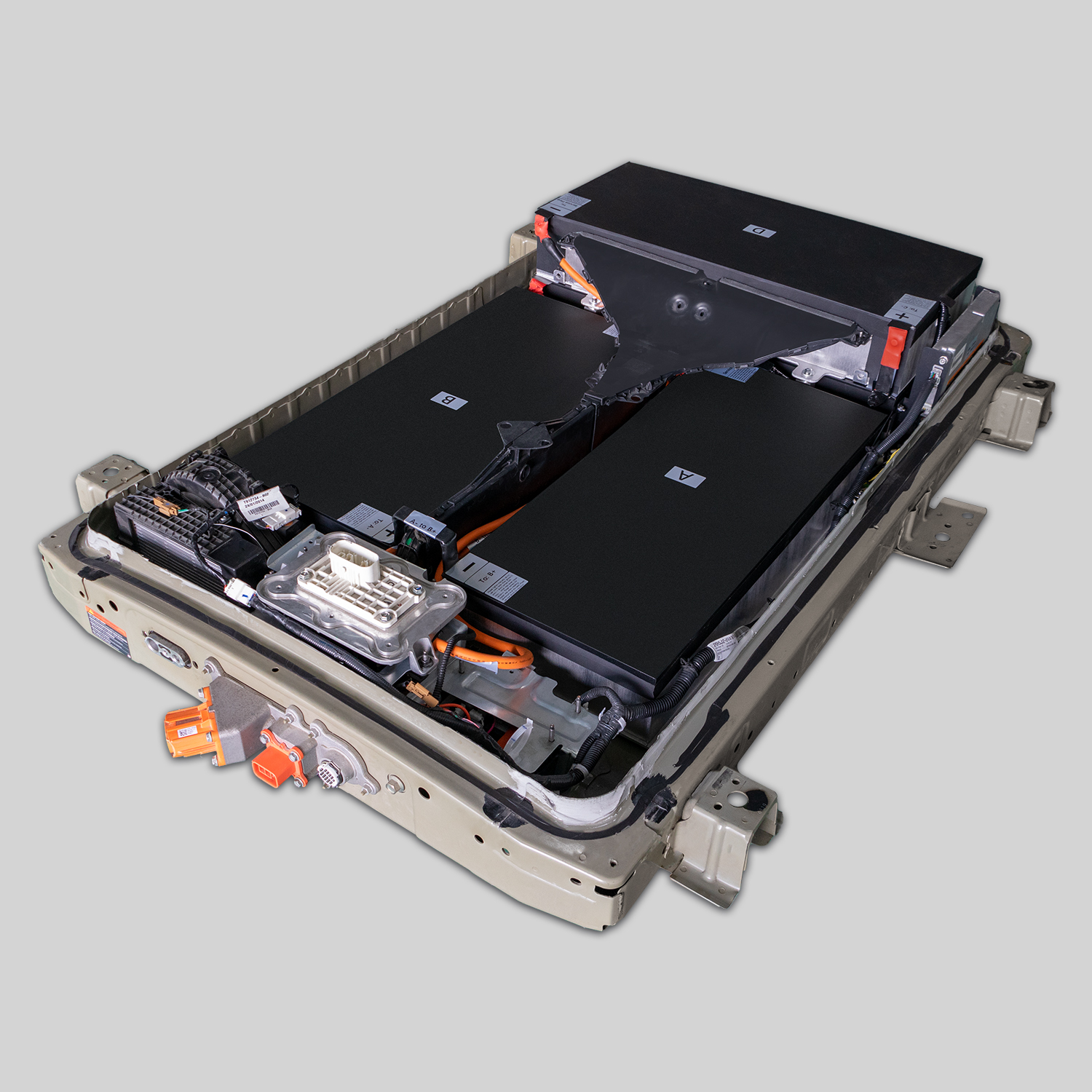
Nissan Leaf 62kWh Battery Installation Guide: Safe Setup for Max Range
Are you upgrading your Nissan Leaf to a 62kWh battery for extended range, or replacing a degraded pack in your Leaf e+? The 62kWh NCM (nickel-cobalt-manganese) battery delivers a game-changing 220-235 miles of real-world range, but its high-voltage design and platform-specific fit demand precise installation. Many Leaf owners risk electrical hazards, BMS malfunctions, or reduced battery life with improper setup. As CNS BATTERY’s EV specialists, we’ve created a definitive Nissan Leaf 62kWh battery installation guide, covering safety protocols, step-by-step procedures, and expert tips to ensure seamless integration and long-lasting performance.
Pre-Installation: Compatibility & Essential Prep
The 62kWh battery is exclusively compatible with Nissan Leaf ZE1 generation models (2018-2023), including the Leaf e+ trim. It is not cross-compatible with ZE0 (2010-2017) or ZE2 (2024+) platforms due to differing chassis designs and electrical systems. Before starting, confirm these critical details:
Compatibility Check
Verify your Leaf’s VIN (10th character) to confirm ZE1 generation. The 62kWh battery fits both 40kWh Leaf upgrades and 62kWh Leaf e+ replacements. Ensure your Leaf’s charging system supports the 62kWh pack’s fast-charging capability (100kW max) – ZE1 models are factory-equipped for this, no modifications needed.
Tools & Safety Equipment
High-voltage safety is non-negotiable. Gather these tools to comply with ANSI/ASTM and OSHA standards:
-
Insulated gloves (ANSI/ASTM Class 0+, rated for 1,000+ volts), inspected and certified within 6 months
-
CAT III-rated digital multimeter (DMM) for verifying 0V residual voltage
-
1,500-lb capacity battery hoist (62kWh pack weighs 485 lbs, heavier than 40kWh units)
-
Insulated socket set (10mm, 14mm, 17mm) and torque wrench (calibrated to 45 N·m)
-
Safety glasses, non-conductive work mat, and绝缘乙烯胶带 (insulating vinyl tape)
-
Nissan-compatible OBD-II scanner with ZE1-specific BMS calibration software
Step-by-Step Nissan Leaf 62kWh Battery Installation
Follow this sequence to ensure safety and proper fit. All steps align with Nissan’s high-voltage operation protocols and CNS BATTERY’s professional standards.
1. High-Voltage System Shutdown & Discharge
Park on a level surface, turn off the ignition, and remove the key from the vehicle’s detection range. Disconnect the 12V battery’s negative terminal (located in the front trunk) and secure the cable to prevent contact. Remove the high-voltage service plug (near the battery housing) and wait 10+ minutes to allow capacitors to discharge. Use the CAT III DMM to confirm the high-voltage bus reads 0V – never proceed if voltage is detected.
2. Remove Underbody Panels & Existing Battery
Use the 10mm socket to remove all underbody panels, exposing the battery housing. Label all wiring harness connectors to avoid misconnection later. Disconnect the high-voltage orange cables (identifiable by their color) and wrap the terminals with insulating tape. Unbolt the 14 perimeter bolts (17mm) securing the battery to the chassis, then attach the hoist to the pack’s designated lifting points. Lift slowly and vertically to avoid damaging thermal management lines, then set the old pack on a non-conductive surface.
3. Prep the 62kWh Battery Pack
Inspect the new CNS BATTERY 62kWh pack for damage (dents, loose connectors) and confirm it’s pre-balanced (cell voltages within 5% of each other). Our packs come pre-charged to 30% capacity – ideal for installation, as full packs increase weight and safety risk. Check the thermal management ports to ensure they’re clean and free of debris, as proper cooling is critical for NCM cell longevity.
4. Install the 62kWh Pack & Reconnect Components
Use the hoist to align the 62kWh pack with the ZE1 chassis mounting points – misalignment can crack the battery housing or damage chassis threads. Lower the pack gently and hand-tighten the perimeter bolts before torquing to Nissan’s specification (45 N·m). Reconnect the wiring harnesses (match labels) and high-voltage cables, ensuring clicks confirm secure connections. Avoid over-tightening connectors, as this can damage ultrasonic welds in ZE1 models.
5. BMS Calibration & System Validation
Connect the OBD-II scanner and run ZE1-specific 62kWh BMS calibration. This step syncs the battery’s capacity, voltage, and thermal data with the Leaf’s ECU, eliminating “ghost range” and ensuring accurate charge level readings. Calibration takes 20-30 minutes – do not power off the scanner mid-process. Reconnect the 12V battery (positive first, then negative) and replace the underbody panels.
6. Post-Installation Testing
Charge the battery to 100% using a Level 2 charger (0.3C rate recommended for initial charge) and monitor for abnormal heat or charging interruptions. Take a 15-mile test drive to verify regenerative braking, range accuracy, and no warning lights. Use the scanner to run a post-test diagnostic – all cells should maintain balanced voltages, and the thermal management system should engage smoothly.
Why Professional Installation is Critical for 62kWh Packs
The 62kWh battery’s higher voltage and weight make DIY installation risky. CNS BATTERY’s professional service delivers unmatched value:
1. High-Voltage Expertise
Our technicians are certified in EV high-voltage systems, adhering to strict safety protocols to avoid电击 (electric shock) or fire risks. We handle residual voltage checks and insulation testing with precision, mistakes that can be fatal for DIYers.
2. ZE1-Specific Calibration
Generic scanners can’t calibrate the Leaf’s BMS for 62kWh capacity. Our proprietary software ensures full integration, maximizing range and battery life. Improper calibration can reduce capacity by 10-15%.
3. Quality Assurance
We back every 62kWh installation with a 5-year/100,000-mile warranty, covering labor and parts. Our packs undergo 12-point testing, including thermal stability and charge-discharge cycles, to match Nissan’s standards.
FAQ About Nissan Leaf 62kWh Battery Installation
Will 62kWh installation void my Leaf’s warranty?
Unauthorized DIY installations may void Nissan’s 8-year/100,000-mile battery warranty. Our professional installation uses OEM-compatible parts, and our warranty seamlessly takes over once factory coverage expires, ensuring full protection.
How long does installation take?
CNS BATTERY completes 62kWh installations in 24 hours or less, with loaner vehicles available. DIY installations often take 4-6 hours for first-timers, with high error risk.
Can I install a 62kWh battery in a pre-2018 Leaf?
No – pre-2018 ZE0 models lack the chassis strength, electrical compatibility, and thermal management systems to support 62kWh packs. The maximum safe upgrade for ZE0 Leafs is 40kWh.
Does installation affect fast-charging speed?
No – our professional installation preserves the 62kWh pack’s 100kW fast-charging capability, allowing 80% charge in 30 minutes. Improper wiring can slow charging or damage the pack.
Trust CNS BATTERY for Your Leaf 62kWh Installation
A Nissan Leaf 62kWh battery installation requires precision, safety expertise, and ZE1-specific knowledge – all of which CNS BATTERY delivers. Our team ensures your upgrade unlocks maximum range and reliability for years to come.
立即访问https://cnsbattery.com/nissan-leaf-battery/,获取独家折扣并咨询专家升级方案!
We’ll perform a free compatibility check, walk you through the installation process, and deliver seamless service with minimal downtime. Experience the full potential of your Nissan Leaf with a professional 62kWh battery installation.