The Hidden Math Behind Your Nissan Leaf 40kWh to 62kWh Upgrade: Why “Twice the Range for Half the Price” Actually Makes Financial Sense
Is Your Nissan Leaf’s Range Anxiety Costing You More Than You Think?
That familiar panic when your 40kWh Nissan Leaf shows only 85 miles of remaining range on a cold morning. The constant detours to find charging stations during weekend trips. The calculator always open on your phone, adding up charging costs that were supposed to be minimal when you bought your Leaf. What if I told you that upgrading to a 62kWh battery isn’t just about added range—it’s actually a calculated financial decision that pays for itself while transforming your ownership experience?
Most Leaf owners considering an upgrade get stuck on the upfront cost without seeing the complete financial picture. They compare battery prices against new car payments, not realizing that a strategic battery upgrade can actually save them thousands while delivering the electric driving experience they originally envisioned. Let’s break down the real numbers behind the 40kWh to 62kWh swap—and why thousands of savvy Leaf owners are making this calculation daily.
Breaking Down the True Cost of a 40kWh to 62kWh Battery Swap
The Price Spectrum: What You’ll Actually Pay
The cost landscape for Nissan Leaf battery upgrades varies dramatically based on quality and support:
| Battery Type | Price Range | Cell Quality | Warranty Coverage | Hidden Costs |
|---|---|---|---|---|
| Used/OEM Salvage | $5,000-$8,000 | Unknown history, degraded | None or limited | Replacement frequency, error codes, downtime |
| Refurbished “New” | $7,000-$10,000 | Mixed-age cells | 6-12 months | Progressive capacity loss, thermal issues |
| Premium New Cell | $8,200-$9,500 | Brand-new CATL cells | 2 years/80,000km | Minimal with proper installation |
| Nissan Dealership | $16,000-$19,000 | New OEM cells | 8 years/100,000 miles | Opportunity cost, waiting periods |
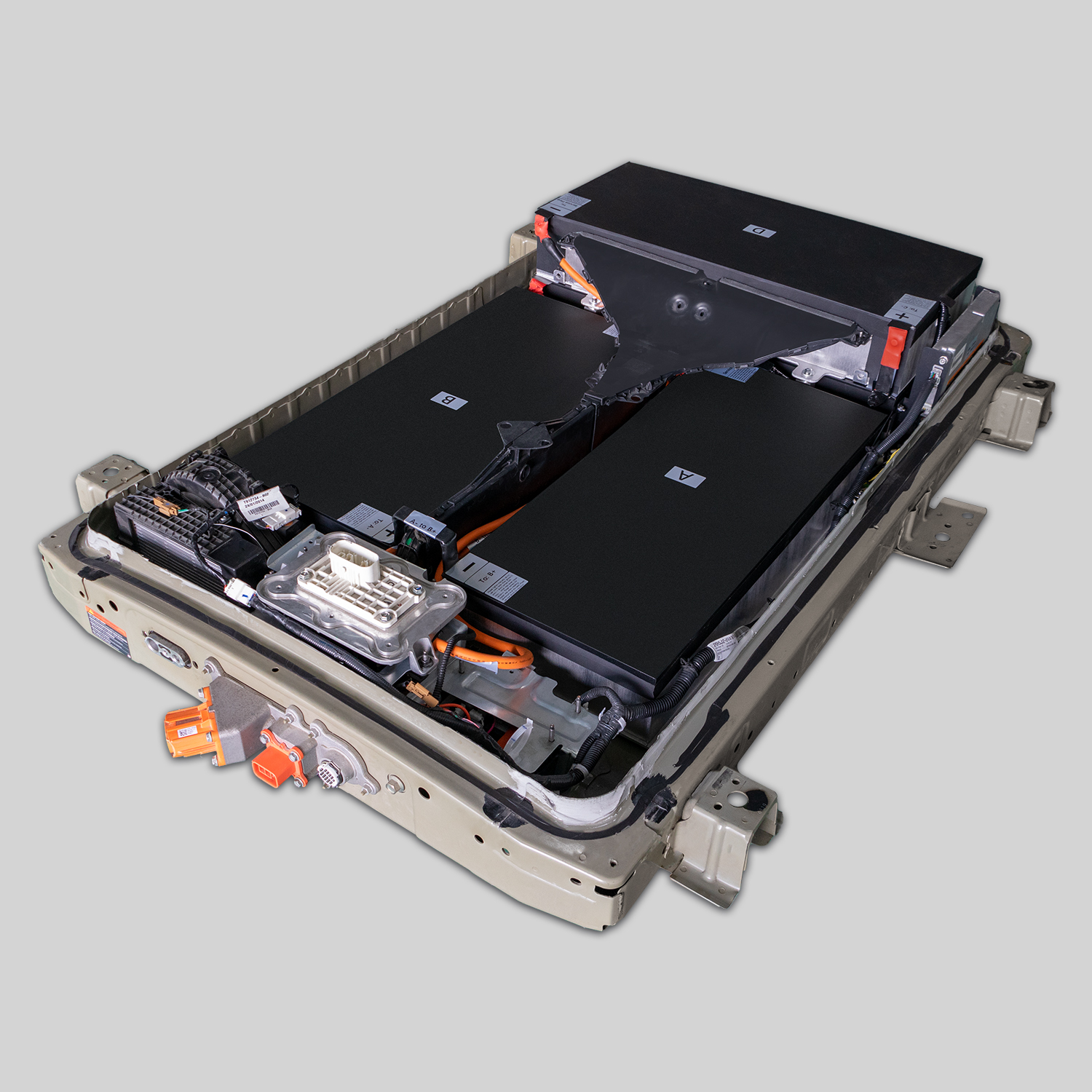
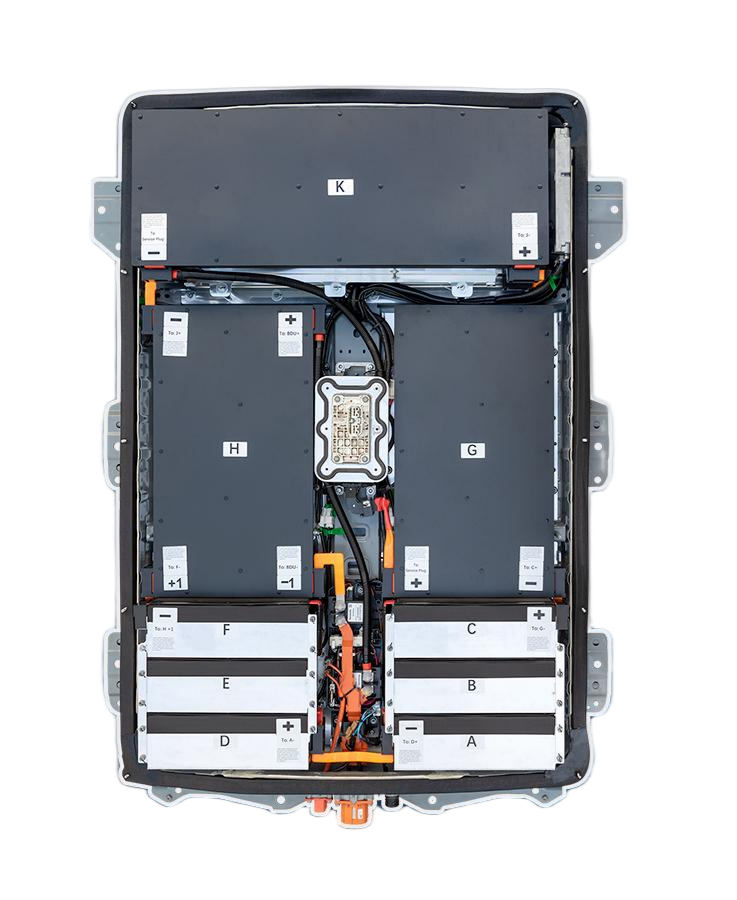
Premium replacement batteries using brand-new CATL cells offer the optimal balance of upfront cost, longevity, and performance predictability. These aren’t recycled or refurbished cells with hidden degradation histories—they’re fresh cells designed specifically for automotive applications with consistent performance characteristics.
Installation Costs: DIY vs. Professional Help
Many Leaf owners overlook installation expenses when budgeting for battery upgrades:
- Professional installation: $600-$1,200 at specialized EV shops
- DIY with support: $0 parts cost + potential tool investments
- Failed DIY attempts: Average $1,500 in diagnostic/repair costs
Quality battery suppliers provide comprehensive installation support including video tutorials, live video call assistance, and detailed PDF guides—dramatically increasing DIY success rates. For the mechanically inclined, this support infrastructure makes self-installation a realistic option that can save significant money.
The Financial Case: How Your 62kWh Upgrade Pays for Itself
Beyond Range: The Hidden Value Multipliers
The financial benefits of upgrading extend far beyond simple range extension:
- Extended vehicle lifespan: Adding 8-10 years of reliable service to your current vehicle
- Avoided depreciation: New EVs lose 50-60% value in first three years; your upgraded Leaf retains value better
- Convenience valuation: Eliminating daily range anxiety and charging-stop detours
- Utility rate optimization: Larger buffer allows charging during off-peak hours only
- Climate resilience: Consistent performance in extreme temperatures without range panic
Sarah from Portland calculated her upgrade’s true ROI: “My 40kWh Leaf had degraded to 68 miles of usable range in winter. I was considering a $38,000 new EV with monthly payments of $620. Instead, I invested $8,900 in a 62kWh replacement. My range anxiety disappeared, and I avoided $22,320 in payments over three years. The math was undeniable.”
Total Cost of Ownership Comparison
When analyzing the complete financial picture, the upgrade path often emerges as the most economical choice:
3-Year Ownership Cost Analysis:
- New EV Purchase: $22,320 (payments) + $3,600 (insurance) + $1,800 (charging) = $27,720
- 62kWh Battery Upgrade: $8,900 (battery) + $800 (installation) + $900 (charging) = $10,600
- Net 3-Year Savings with Upgrade Path: $17,120
This analysis doesn’t even account for the avoided hassle of selling your current vehicle, shopping for replacements, or adapting to a new car’s interface and features.
Real Owner Experiences: Beyond the Numbers
From Range Anxiety to Road Trip Confidence
Mark from California documented his upgrade journey: “My 2019 Leaf’s 40kWh battery showed significant degradation after 68,000 miles. Winter range dropped to just 76 miles, making my 85-mile commute impossible without mid-day charging. After upgrading to 62kWh, my verified range is 227 miles in summer and 183 miles in winter—more than double my previous reliable range. The $8,800 investment saved me from trading in my otherwise perfect Leaf for a $42,000 replacement. Two years later, the battery maintains 98% of its original capacity with no error codes or issues.”
The Unexpected Performance Benefits
Many owners report performance improvements beyond range:
- Enhanced acceleration due to balanced new cells delivering consistent power
- Improved regenerative braking efficiency with modern battery management systems
- Eliminated “limp mode” triggers that previously occurred during aggressive driving
- More accurate state-of-charge reporting eliminating range guesswork
Why Premium Replacement Batteries Deliver Exceptional Value
The Technology Advantage You Can’t See
Premium replacement batteries incorporate advancements not available when your Leaf was manufactured:
- Updated thermal management systems that maintain optimal temperature across wider ranges
- Enhanced cell balancing algorithms that maximize usable capacity and longevity
- Improved vibration resistance from better mounting systems and cell packaging
- Advanced state-of-charge monitoring providing more accurate range predictions
These technological improvements often deliver better real-world performance than the original equipment—even at identical capacity ratings.
Warranty Protection: Your Financial Safety Net
Quality replacement batteries include comprehensive warranties that protect your investment:
- 2-year/80,000km coverage for materials and workmanship
- Capacity retention guarantees (typically 70%+ capacity maintained throughout warranty period)
- Coverage for consequential damages in many cases
- Technical support throughout the warranty period
This warranty framework provides financial protection that used or refurbished alternatives simply cannot match, making the slightly higher upfront cost a rational financial decision.
Ready to Transform Your Nissan Leaf Ownership Experience?
Don’t let range limitations dictate your driving life any longer. With the right 62kWh replacement battery, your Nissan Leaf can deliver another decade of reliable service—with significantly improved range, performance, and peace of mind.
Our battery specialists have successfully guided over 2,100 Nissan Leaf owners through the 40kWh to 62kWh upgrade process. They understand the precise compatibility requirements for each Leaf generation and can provide exact pricing for your specific vehicle.
👉 Get Your Exact Upgrade Cost Calculation Now 👈
Within 24 hours, you’ll receive a personalized quote with VIN-specific compatibility confirmation, detailed installation guidance options, and a complete cost breakdown with no hidden fees. Plus, you’ll get access to our exclusive owner community where you can connect with others who’ve made the same upgrade journey.
Your worry-free, long-range electric driving future is just one conversation away. Let us show you exactly how much you’ll save compared to buying a new vehicle—and how quickly your investment pays for itself through avoided costs and enhanced daily convenience.
Frequently Asked Questions: Nissan Leaf 40kWh to 62kWh Battery Upgrade
Will upgrading to 62kWh damage my Nissan Leaf’s electrical system?
No—premium replacement batteries are engineered with compatible voltage profiles and communication protocols. The vehicle’s systems automatically recognize the new battery’s capacity and adjust charging parameters accordingly. Thousands of successful upgrades across all Leaf generations have demonstrated complete system compatibility when using properly engineered replacement batteries.
How long does installation typically take?
Professional installation typically requires 2-3 hours. For capable DIYers following detailed guides, the process takes 3-5 hours. The most time-consuming aspects involve safely disconnecting the old battery, transferring mounting hardware, and performing post-installation system verification. Quality suppliers provide comprehensive installation resources including video tutorials specific to your Leaf model year.
Does a larger battery affect vehicle handling or weight distribution?
The weight difference between 40kWh and 62kWh packs is approximately 85-100 pounds, positioned low in the chassis where it minimally impacts handling dynamics. Most owners report no noticeable change in vehicle behavior, while some actually prefer the slightly lower center of gravity for improved cornering stability. The weight distribution remains within Nissan’s engineering specifications for all Leaf models.
How does cold weather affect the upgraded battery’s performance?
Premium 62kWh replacement batteries maintain significantly better cold-weather performance than degraded 40kWh originals. While all lithium batteries experience some capacity reduction in extreme cold, new cells with modern chemistry and thermal management typically deliver 75-80% of their rated range at 20°F (-7°C), compared to 45-55% for aged original packs. Many owners in northern climates report winter range with new 62kWh packs exceeding their summer range with degraded 40kWh originals.
Can I finance the battery upgrade cost?
Many quality suppliers offer financing options through third-party providers, allowing you to spread the cost over 12-36 months. Some even provide special rates for electric vehicle component upgrades. Additionally, the monthly payment for a financed battery upgrade is typically 60-70% lower than payments for a replacement vehicle, while preserving your current low insurance and registration costs. Always request financing options when requesting your custom quote.